Artist Glimpse: Alex Whorms
/
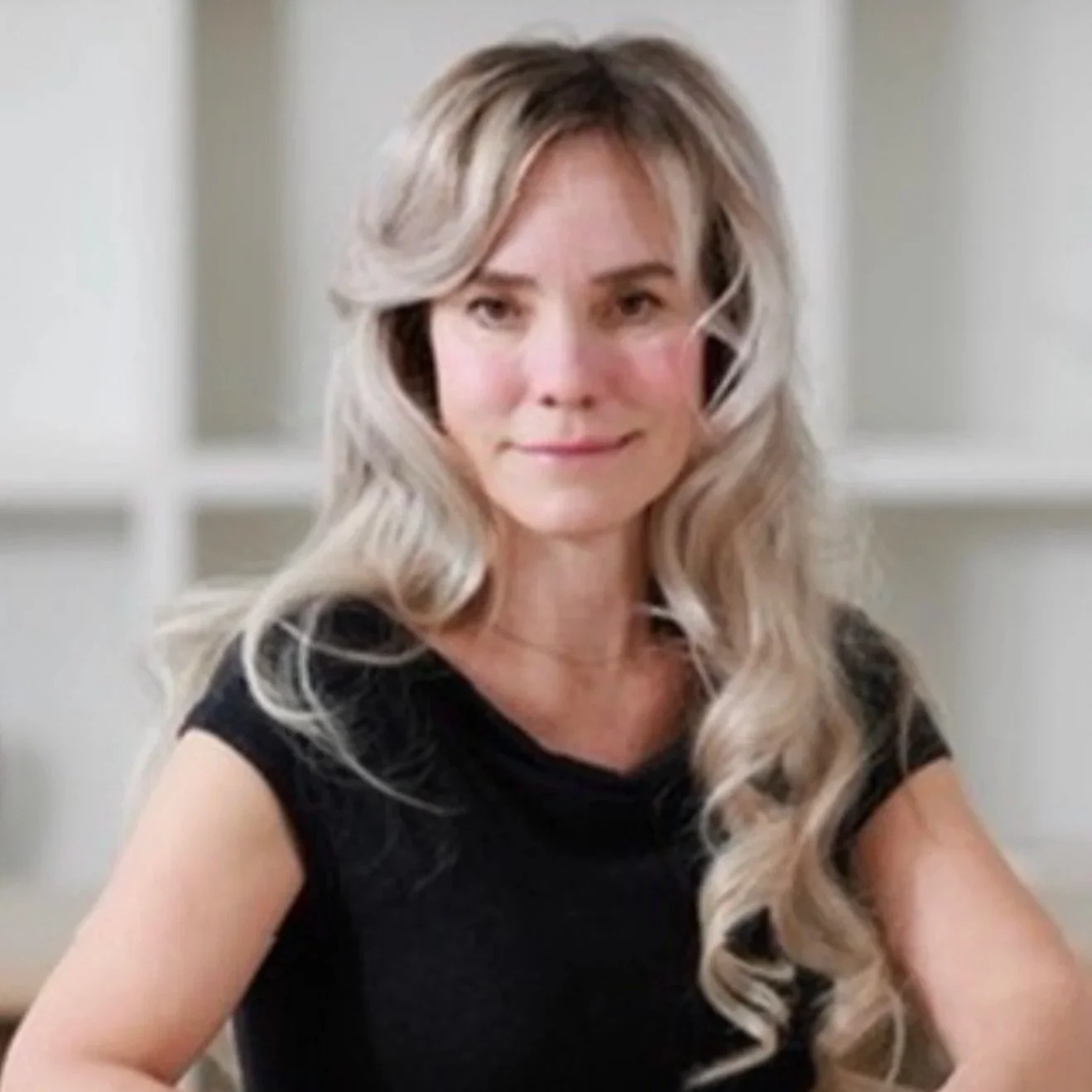
Across Southern Ontario’s indie music scene, few artists blend classical foundation with raw rock energy as fearlessly as Alex Whorms. From her roots in Pickering to her current base in Hamilton, the singer-songwriter and screen composer crafts music rooted in cinematic storytelling and emotional honesty. Recognized for a dynamic live presence—often standing and dancing as she plays the piano—she brings an unfiltered intensity to her craft. Her latest single, "PARANOID!", marks a bold leap into a heavier, chaotic sound, proving her artistic evolution is only getting started. We step back from the stage lights for a glimpse into the heart of the songwriter.

Rob Aguiar: You grew up in Pickering before making Hamilton your creative home. How has your relationship with the piano evolved from those early days to your current high-energy live shows—where you famously play on your feet—and how has the Hamilton scene nurtured that growth?
Alex Whorms: I was obsessed with classical music growing up. I started piano lessons at 7 years old and my parents would argue with me to STOP practicing so much and go outside, that’s how much I loved it.
Around age 12, I started singing and trying to write pop songs with a classical flavour. My earliest songs all had really intricately detailed piano parts.
Then I moved to Hamilton for university and started performing my songs with a band. My bandmates taught me that I could back off on keyboards quite a bit, allowing the other instruments to shine. This has freed me up in a lot of ways - I’m more focused on doing interesting sound design for the keys parts I do play, adding cinematic soundscapes to the show, and of course being able to move around on stage and give more of my attention to the audience.
RA: Beyond your solo work, you compose documentary soundtracks and share Canadian culture stories as a CBC Music contributor. How does scoring visually driven media and working in music journalism influence the narratives in your own songwriting?
AW: That's a real chicken and egg kind of situation! I actually think it's my songwriting style that influences the way I approach soundtracks and CBC work. But then again, my songwriting style was heavily influenced by soundtrack music I listened to growing up.
The main thing all composing has in common for me, is the presence of a real or imagined “scene” playing out as I work. I’m either describing a scene that I see in my head while writing a pop song, or signalling to the viewer how to feel about an actual movie scene while composing a soundtrack.

RA: Your recent single "PARANOID!" marks a distinct sonic shift into a louder, more chaotic era. What sparked the decision to embrace this heavier, edge-filled energy, and how has performing it live changed your relationship with the audience?
AW: Before PARANOID!, I don’t think anyone had ever heard me get angry. Shortly after writing it, I remember telling my producer “I don’t know if I should put this negativity into the world!”. To help me decide, I played it for my therapist - she loved it. Then I played it at a few shows, and it got the strongest crowd response every time.
Releasing PARANOID! has made me realize how much I can trust my audience and how much they get me. I feel very supported and understood - and more excited to take artistic risks thanks to their support for PARANOID!
RA: Your music relies heavily on emotional honesty. Can you speak to the vulnerability it takes to lay your real-life struggles out in your lyrics? Is there a specific line from any of your releases that holds extra special meaning to you, and why?
AW: So far, my favourite lyric is “like daylight chasing dusk, I wish you wanted me” from my song Wish. I like the way it describes a feeling I’ve had for most of my life of being a bit of an outsider, not being able to reach a sense of total belonging.
Choosing to release my music has forced me to confront these feelings and go to therapy. I’ve done a lot of work to learn to accept myself over the years because I wanted to be comfortable enough to perform my songs. It’s challenging but in the end, being this vulnerable in my music has significantly improved my outlook and self-esteem, and has helped me realize I’m not alone in this experience.
RA: Beyond the music, you’ve been a vocal advocate for your Hamilton community, recently speaking out regarding the proposed AI data centers and their environmental impact. How does this conviction and drive to stand up for your community intersect with the way you approach your art and career?
AW: What an interesting question! From my perspective, there are many parallels between protesting and pursuing indie music. Both are exhausting and time consuming. And there's some discomfort that comes with publicly challenging the status quo, especially when the odds are stacked against you. Regardless, the work feels too important to me for any of that to matter!
RA: As you push into this bold new creative chapter, what are three personal or professional goals you have set for yourself going forward?
AW: This year, I want to push my vocals to the limit—higher notes, inventive melodies, and more harmonizing with my band and the audience! To make that sustainable, I am trying to burn out less often by prioritizing my health over productivity as much as I can.
On stage, I love wearing colourful suit vests, and after recently spotting some people in the audience with vests on, I want 50 vested people to come to a show so we can all take a picture together!
Alex Whorms continues to demonstrate how raw vulnerability, sharp musicianship, and artistic curiosity can redefine an artist's sound. Catch her live at Mills Hardware in Hamilton on October 8 and —where wearing a suit vest is highly encouraged, though not required! To stream her latest single "PARANOID!", explore her full catalog, or sign up for monthly email updates, visit alexwhorms.com. You can also follow her on social media @alexwhorms to keep an eye out for her upcoming scoring projects and additional live dates across Ontario.