The late Joan Reid documented histories of the one-room schoolhouses in Peel: “The pattern of the school year in the late Nineteenth and early Twentieth Centuries is well-known. The school year began in January. Pupils had six days off for Easter and celebrated the birthday of Queen Victoria on May 24. A school picnic late in June marked the end of the term. School resumed in mid August. After the celebration of Labour Day early in September, Burnhamthorpe pupils looked forward to a day off for the fall fair and two days off while their teacher attended the Teachers’ Institute (convention) in Brampton. Thanksgiving was celebrated either in October or November. A Christmas concert marked the end of the school year. Enrolments were high but older pupils tended to come only in the winter months when they were not needed for farm work. The younger ones came in the warmer months when their little legs did not have to trudge through heavy snow. The climate of Burnhamthorpe was considered very healthy. The Toronto Fresh Air Fund chose it as one of the communities to which it sent sixty-one city children for a summer holiday in 1901.”
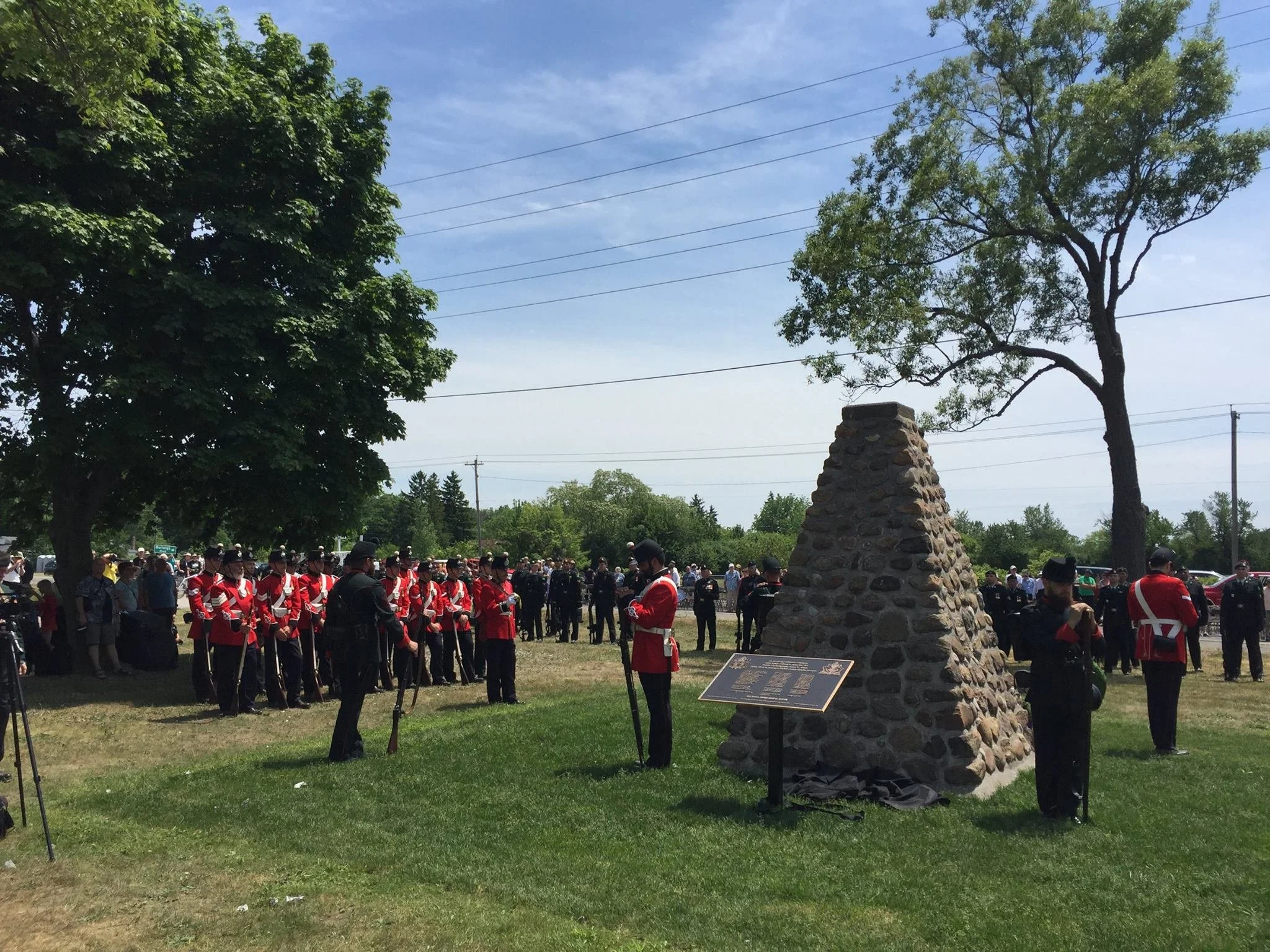
The school was also actively involved in patriotic and remembrance programs, including participating in Decoration Day activities after the Fenian Raids of 1866 and during the South African War (Second Boer War). A remembrance gathering in 1911 saw “a program of solos, duets, choruses, recitations, gramophone selections and dialogues.”
During the First World War at least four former students of the Burnhamthorpe School, including Robert Currie, Sylvester Osborne, William Pellett and Edmund Stevenson. Private Osborne was at the Battle of Vimy Ridge in 1917 and was wounded in the advance on the town of Avion on June 28, 1917, where he lost his eyesight.
During the Second World War students raised over $62,000 for the “Victims of Nazi Barbarism” relief fund. The program included songs, recitations, duets, dialogues, and the raffle of “sun bonnet” quilt made by the senior girls at Burnhamthorpe. The school was also closed on May 8, 1945 to celebrate Victory in Europe Day (VE Day).
The outbreak of communicable diseases was always a problem, as the schools reflected broader society. The school was closed in February of 1895 for chicken-pox, and in January of 1901 for diphtheria. Measles came in September of 1902 and again in March 1910. The school was closed for part of November of 1919 for influenza (Spanish Flu), in June of 1942 for Scarlet Fever, and again in January of 1945. Over the many years that the school was in operation, some of the more common reasons given for student absences include “parental neglect”, “privation” (lack of food or clothing), “house burned down”, “working on farm”, “harvest” and “no shoes”.
Reunions were very popular in the 1930's. In March of 1935, the annual reunion banquet had a St. Patrick’s Day theme. At the dinner former students entertained the current students and their families with folk dances, banjo playing, solos, games, and contests. In March 1937 Miss Appleby and the Senior class entertained former students with games, music, and a lunch of sandwiches, coffee, cake and ice cream.
A new Burnhamthorpe Public School, located at 3465 Golden Orchard Drive, opened in 1965, a short distance south of the original site of the four original schoolhouses.
A 1976 reunion for students from Dixie and Burnhamthorpe was held, and the souvenir program contained a poem by former Burnhamthorpe student Fannie Stanfield:
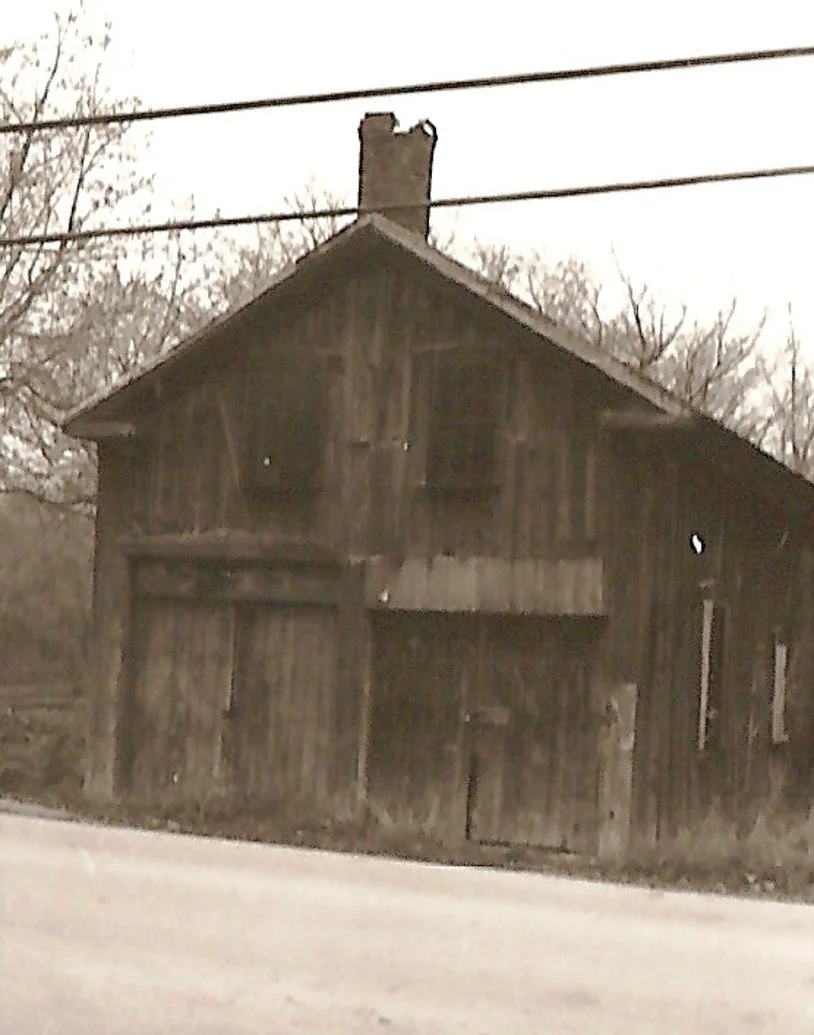
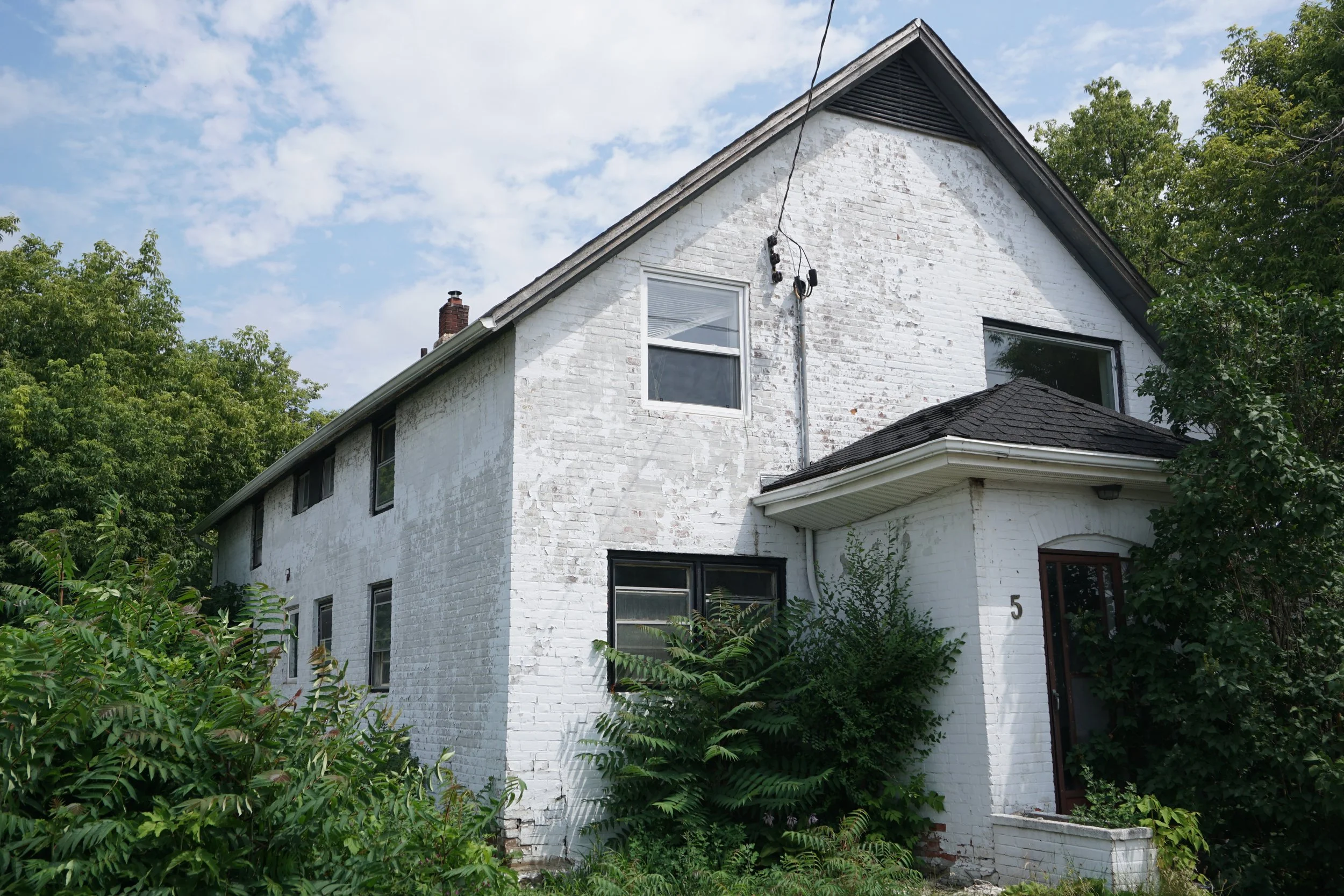
I thought I was the first one built in 1854
But now those snoopers have found out a log one was before.
In 1845 it was, nine years before I rose
I’m very pleased they moved me when my doors they had to close.
Across the road I travelled, my front became my back
For years I was lived in, for folks I did not lack.
My wooden father they did move in 1883
A brick school must be built they said and so they planned on me.
For years I served the children there, until I grew too small
A two room school is needed now, two teachers we must call.
And so in 1928 they tore me all apart
My bricks, my boards, my seats they sold, and a new school did start.
To serve the folks of Burnhamthorpe, a fourth at S.S. 8,
The trustees after arguing built me in ’28.
I started out with two rooms first, they added year by year
My shape became an L by now, my end I knew was near.
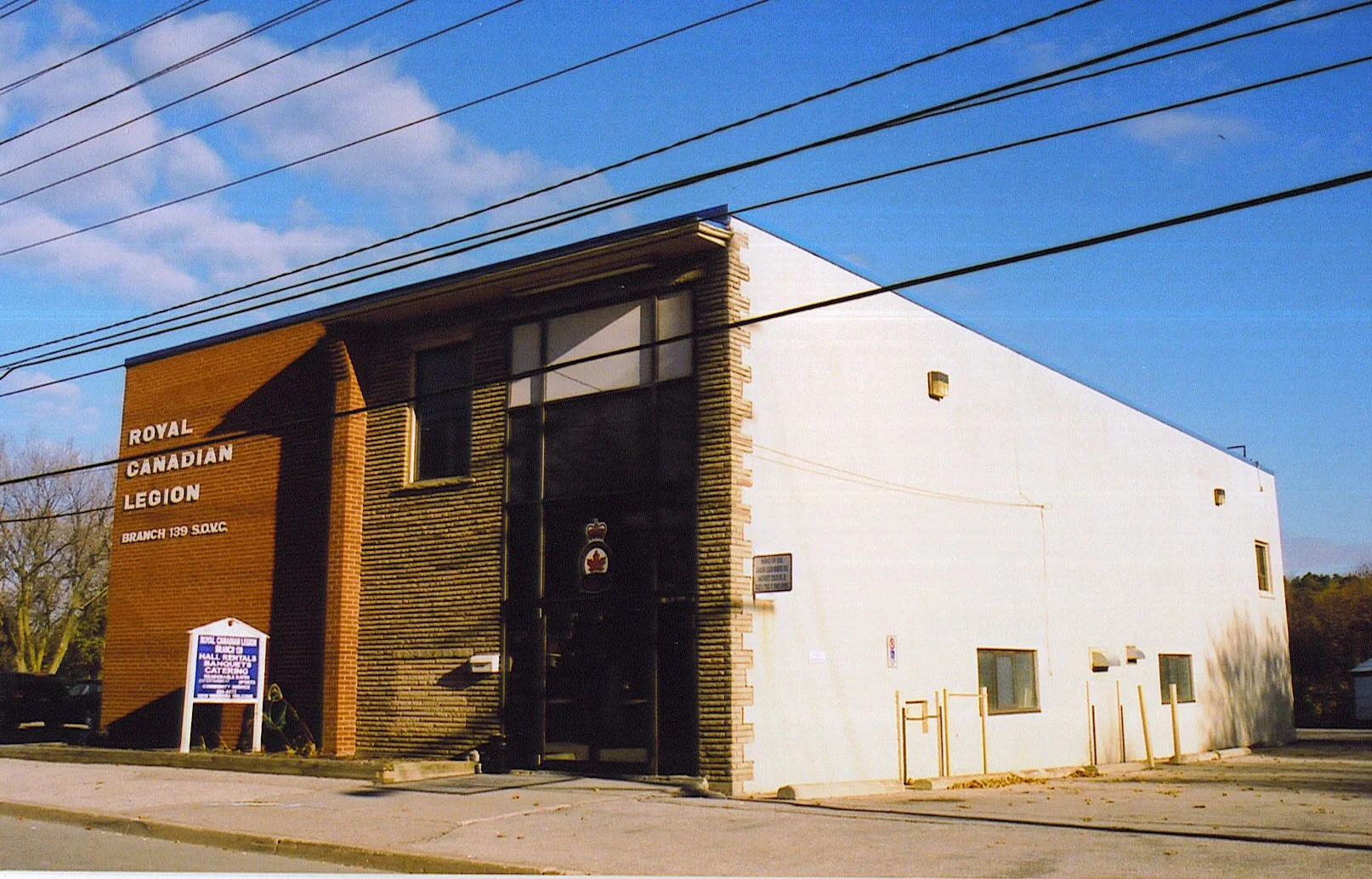
For a time I was a French school and Library combined
But now at Burnhamthorpe & Dixie Rd. a school you will not find
A century and twenty years on this site we stood
We served the folks at Burnhamthorpe as all good schools should.
A vast and modern library, my spot will be its home
To-day I give you from my heart this true and simple poem.