Medical Alert Systems: A Guide for Canadian Seniors
/For many Canadian seniors, the goal is simple: to stay in their own home, safely, for as long as possible. The biggest threat to that goal is often a single unwitnessed fall or sudden illness. A medical alert system is designed to answer exactly that risk.
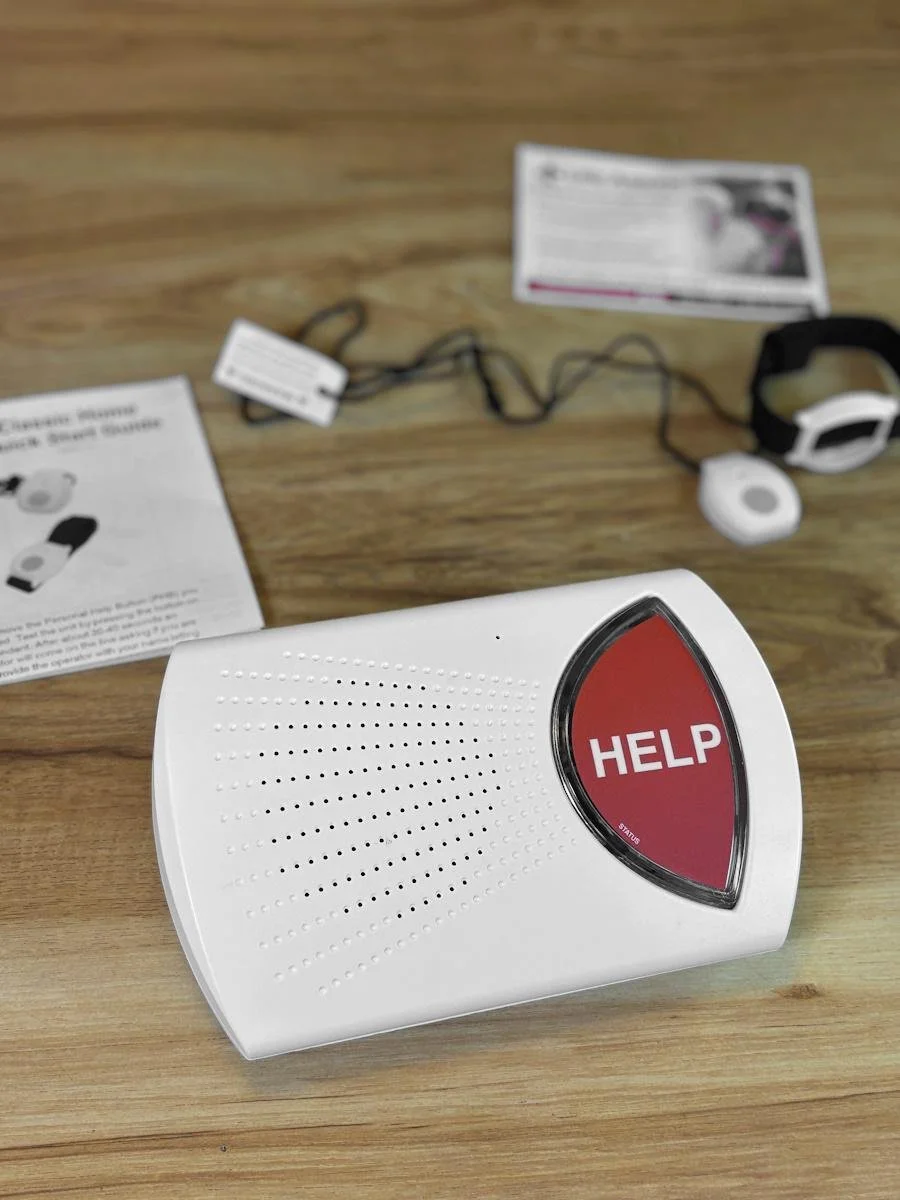
A complete home medical alert kit with base unit and wearable button. Image courtesy of Life Assure
At the push of a button, help is on the way, day or night. The market has grown, though, and choosing well takes a little knowledge. A trusted Canadian provider such as lifeassure.com lifeassure.com is one option, and understanding how these systems work helps any family choose with confidence. Here is what to know.
Why Do Seniors Need a Medical Alert?
The core benefit is fast help in an emergency. A fall, a dizzy spell, or a sudden illness can leave someone unable to reach a phone. A wearable button closes that dangerous gap in seconds.
Independence is the deeper reward. Most seniors would far rather stay at home than move into care, and a reliable alert makes that both safer and more realistic. It is a small device that protects a large freedom.
The reassurance reaches the whole family. Parents feel more secure, and adult children worry less between visits and calls. That shared peace of mind is often worth as much as the device itself.
How Does a Medical Alert System Work?
The idea is refreshingly simple. The senior wears a small button as a pendant or wristband. Pressing it connects them to a monitoring center staffed around the clock.
A trained operator responds within seconds. They speak with the wearer, assess the situation, and dispatch the right help, whether that is a neighbor, a family member, or an ambulance. The wearer is never alone in the moment that matters.
Many systems add automatic fall detection. If a hard fall is sensed, the device calls for help even if the button is not pressed. For someone living alone, that automatic backup can be lifesaving.
Home System or Mobile Device?
The first real choice is where protection is needed. Home systems and mobile devices suit different lives, and many families decide based on how often a senior leaves the house.
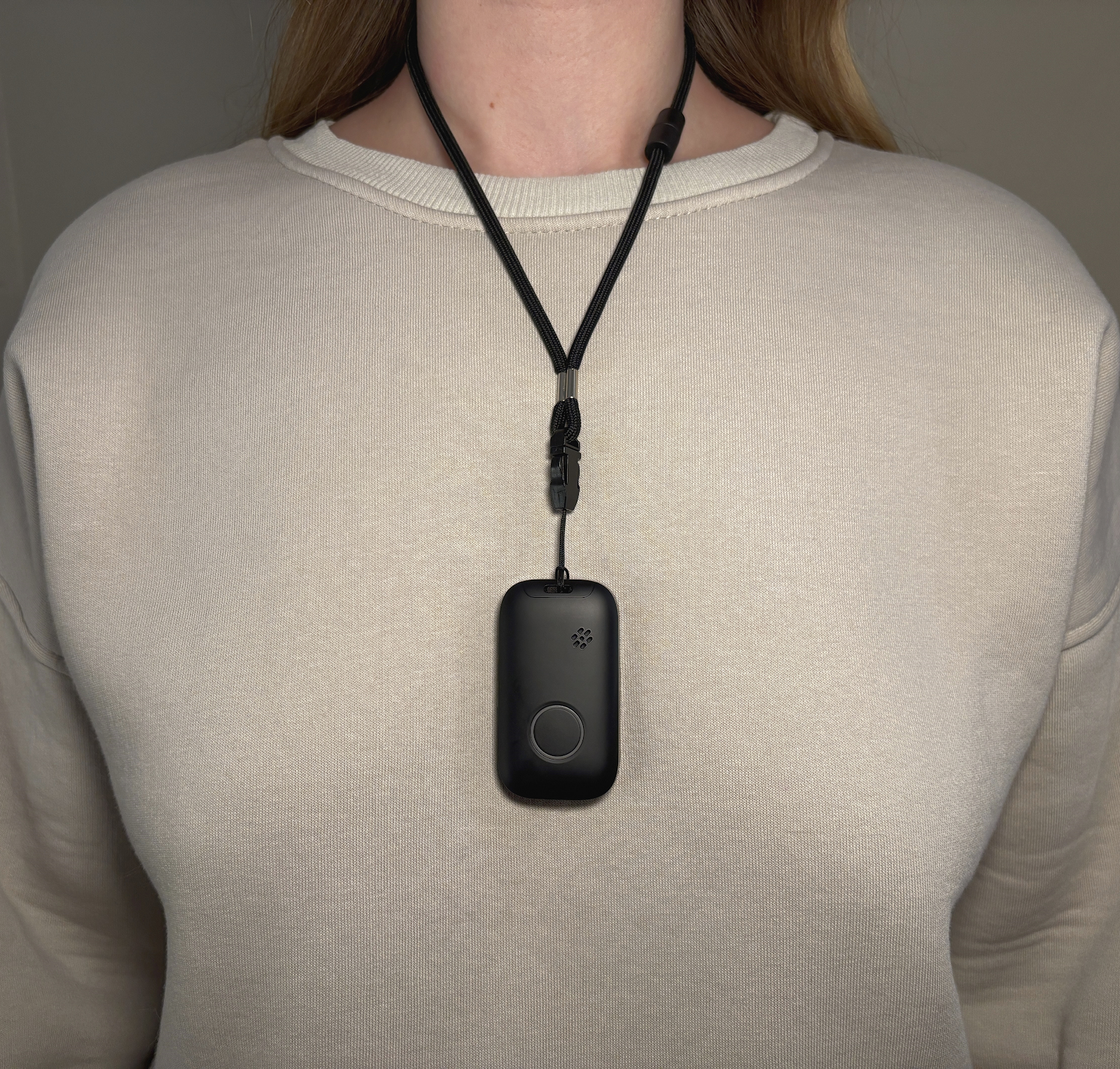
A mobile medical alert pendant worn as a necklace for on-the-go protection. Image courtesy of Life Assure
A home system centers on a base unit with a wearable button. It suits someone who spends most of their time at home and wants simple, dependable coverage. Setup is usually quick and easy.
A mobile device adds GPS and cellular connection for life beyond the front door. It protects an active senior at the shops, on a walk, or visiting friends. For many, that freedom decides the choice.
What Features Should Families Compare?
Not every system offers the same protection. A few features make the real difference, so weigh them carefully:
24/7 monitoring. A real person answering at any hour.
Fall detection. Help is called even without a button press.
Water resistance. It works in the bathroom, a common fall spot.
Battery and range. Reliable power and full coverage of the home.
Match these to the senior's routine. Someone active outdoors needs GPS, while a homebody may only need strong in-home range and a simple pendant.
How Does It Fit a Wider Plan for Staying Well?
A medical alert is one layer of aging well, not the whole plan. It works best alongside good health habits and community support. Together they let a person stay independent for longer.
Prevention comes first. Good nutrition and staying physically active both lower the risk of a fall in the first place. National guidance on healthy aging treats these habits as central to independence.
Support and activity round it out. Regular movement, even simple staying active routines, keeps seniors stronger and steadier, and provincial resources for seniors and caregivers can help families plan. A device is the safety net beneath all of that effort.
How Do You Choose the Right System?
Comparing systems is easier once you know what matters. Focus on reliability and total cost, not just the monthly headline. A little homework pays off.
Read the full pricing. Check for activation fees, equipment charges, and contracts, and favor providers who are upfront and avoid long lock-ins. The clearest pricing usually signals the most honest service.
Then judge the service and involve your parent. Monitoring quality and response time matter most, and a senior who helps choose is far more likely to actually wear the device. Comfort and dignity keep it on.
What to Remember
A medical alert gives fast help and supports independent living.
The wearer presses a button to reach 24/7 monitoring in seconds.
Match a home system or mobile device to the senior's routine.
Prioritize fall detection, two-way voice, and reliable monitoring.
Pair the device with good nutrition, activity, and support.
Compare total cost and reliability, then involve your parent.
Independence, Protected
A medical alert system is a small investment in a large freedom: the freedom to stay at home, safely, on one's own terms. For Canadian seniors and the families who love them, it turns a constant worry into a quiet safeguard. Compare the options, choose for reliability, and let independence and safety go together.
Frequently Asked Questions
What Is the Most Important Medical Alert Feature?
For most families, 24/7 monitoring and fall detection top the list. Two-way voice matters too, so the wearer can speak to an operator. Match the rest to how and where the senior lives.
Should a Senior Get a Home or Mobile System?
It depends on their lifestyle. A home system suits someone mostly indoors, while a mobile GPS device protects an active senior out and about. Some families choose both over time.
How Much Does a Medical Alert System Cost?
Plans commonly start around thirty to forty dollars a month. Watch for activation fees, equipment charges, and contracts. A transparent provider with no long-term lock-in is usually the better value.
How Do I Get a Parent to Wear It?
Involve them in choosing and frame it around keeping their independence. A comfortable, discreet design helps. A device that is worn every day is the only one that can protect them.