2026 Mississauga Election Candidate Profile: Ward 7 - Jerry Krzywda
/
With the upcoming 2026 Municipal elections happening on Monday, October 26th, Modern Mississauga Media has reached out to all candidates inviting them to answer the same questions so voters can familiarize themselves with them.
With the 2022 Mississauga election having a paltry 21.84% voter turnout, this series is to educate the community and hopefully increase voter turnout for 2026.
Low voter turnout means that the voices of a few make decisions for all.
Candidate’s were also asked to provide at least four images and their answers are unedited.
Click here to read all candidate profiles and check back often as responses will be posted within 72 hours of receipt.
Click here to learn how to vote in the 2026 Mississauga Election.

1. Why are you running for Ward 7 councillor?
Ward 7 is home. My family came to Mississauga from Poland when I was six. I spent part of my childhood in Cooksville, and today I am raising my family in Ward 7.
I am running because, whether you rent or own, Ward 7 should be a place where you can afford to live and build a future; where seniors can remain in the communities they call home; and where residents can count on safe streets, well-maintained public spaces and dependable City services.
Important work lies ahead. The LRT has missed its original completion target, and prolonged construction has put pressure on Cooksville businesses. The 2024 storms reinforced the need to reduce flood risk. Planning is underway for Cooksville’s proposed community centre and library, but the City says construction costs are not yet budgeted.
Ward 7 needs a councillor who listens to residents, asks tough questions about costs and timelines, and keeps people informed. My advocacy experience has taught me the importance of building consensus and following through. That’s the approach I want to bring to City Hall for Ward 7.
2. What makes you stand out over other candidates?
I bring experience in public-policy advocacy, housing and financial oversight, along with a personal connection to Ward 7, where I live and am raising my family.
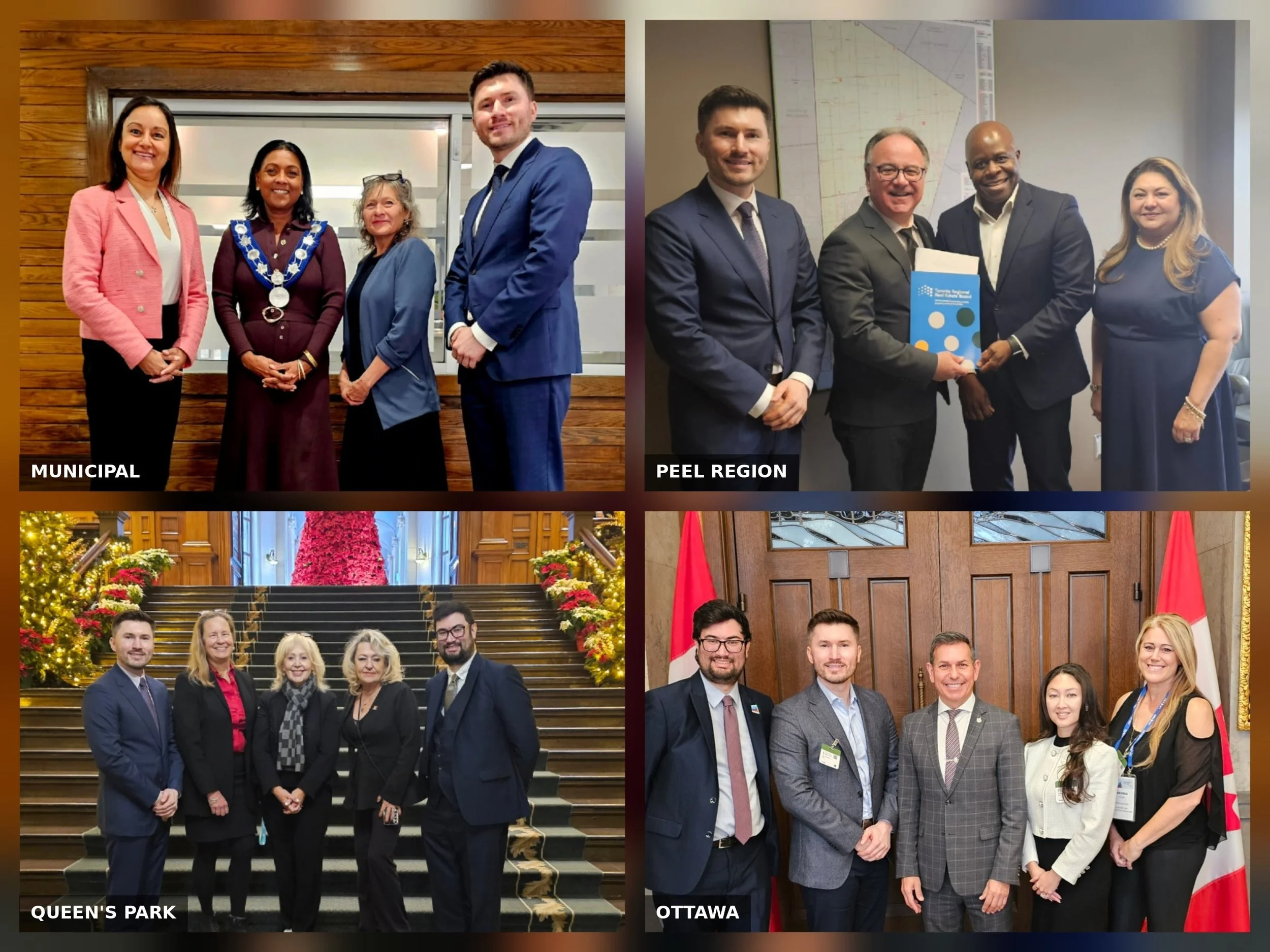
I am a REALTOR® by profession. My advocacy work began locally on the former Mississauga Real Estate Board’s Government Relations Committee. Today, I serve on the Toronto Regional Real Estate Board’s Government Relations Committee and chair its West Working Group. I also serve on the Cornerstone Association of REALTORS® Provincial and Federal Advocacy Committee.
Through these roles, I have contributed to collective advocacy on housing affordability, zoning, development charges and housing choice, and participated in discussions with municipal, provincial and federal government officials. That experience has taught me how to understand an issue, consider different perspectives and build support to get things done.
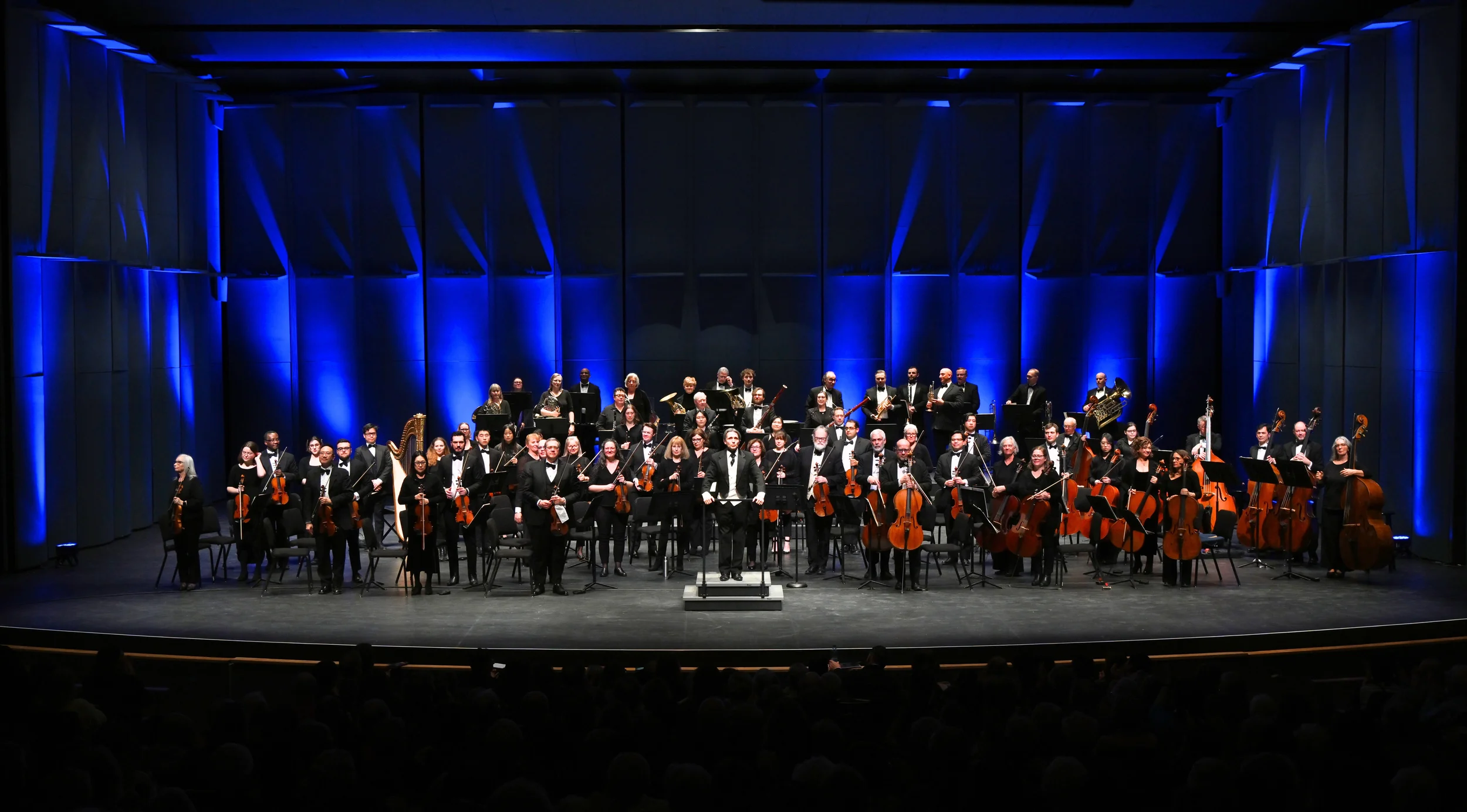
I also serve on the Board of Directors of the Ontario REALTORS Care® Foundation, where I co-chair its Finance and Audit Committee and its Grants and Awards Committee. That work has given me experience in sound governance and financial oversight.
I know that one councillor cannot deliver every proposal alone. I would bring these experiences to Council by listening to Ward 7 residents, making a well-supported case for their priorities, working with colleagues to move proposals forward and keeping residents informed about the results.
3. What are your key campaign priorities?
My campaign has four priorities, all aimed at making Ward 7 more affordable, livable and safe.
Affordability and Value for Tax Dollars:
I will bring forward a motion asking staff to present a fully costed zero-increase option for the City’s portion of property taxes, with the service and infrastructure trade-offs made public. I will push for a rolling review of services and major contracts, transparent reporting, and responsible revenue options beyond property taxes. I will also scrutinize spending at Peel.
Housing: More Choice. Homes That Fit. Paths to Homeownership:
Ward 7 needs more housing choices, including more two- and three-bedroom homes for families and households that need additional space. I will support practical changes to zoning, approvals and incentives that encourage a wider range of homes to be built, while tracking what is actually approved and completed.
I will also advocate for extending or improving existing rebates and incentives where they can help homeowners create safe, legal rental units. These homes can add rental supply and give residents more options without requiring large new developments.
The homeownership dream is still alive. At Peel Regional Council, I will bring forward a motion to study down-payment assistance for first-time homebuyers.
Stronger Local Businesses and Economy:
I will bring forward a Cooksville business-support action plan focused on customer access, temporary parking and loading, clear signage and coordinated permits. Working with the Cooksville BIA and affected businesses, I will press Metrolinx and the Province for direct assistance tied to documented disruption. Across Ward 7, I want clearer approval processes and easier access to existing business supports.
Flood Protection, Better Parks and Community Spaces:
I will support practical flood-protection work and improvements to our parks in a part of the city that is below the City’s own parkland target, and get Cooksville’s planned community centre and library built, with a clear funding plan, public milestones and regular progress updates.
4. What budget item is the most important for Mississauga?
The most important budget item is maintaining the infrastructure we already own, especially roads, bridges, stormwater systems and community facilities. Keeping them in good repair protects the services residents rely on and helps avoid larger repair bills later.
The City reduced its Capital Infrastructure & Debt Repayment Levy for 2026 as a one-year measure. That makes it especially important to examine how we will fund necessary work in the years ahead. Stormwater also has its own dedicated charge, so residents should be able to see clearly what each funding source pays for.
My proposed zero-increase option is a way to test the budget and show residents the choices. I would look first at procurement, duplicated and inefficient processes, as well as technology and programs that are not delivering enough value. I would not describe postponing an essential repair as a lasting saving. Budget comparisons must also distinguish costs transferred between Peel and the City from an actual change in what residents pay overall.
At Peel, I support the additional police officers already funded, with clear reporting on results. I also support an independent review of police cost-sharing. The City reports that Mississauga pays about 62 per cent under the current assessment-based formula. The review should compare population, property count and policing demand, and inform advocacy to Ontario for a fairer arrangement.
5. What are your three favourite aspects of Mississauga?
The people:
I appreciate the mix of cultures, languages and independent businesses that gives Mississauga its character. Cooksville is a place where that is especially visible. There are many different stories here, including my family’s, about coming to this city and building a life.
The green spaces:
Our creek and river valleys, trails, parks, and waterfront provide a welcome balance to a busy city. Having places to walk, spend time outdoors and take a break matters to the quality of everyday life and makes a city more livable.
The libraries and Celebration Square:
Places such as Hazel McCallion Central Library and Celebration Square give people opportunities to learn, enjoy events and spend time together. I value places where residents can feel part of the community.
6. How will you be actively supporting our locally owned businesses if elected?
My immediate focus would be practical help for businesses affected by LRT construction work, alongside better support for locally owned businesses throughout Ward 7.
I will bring forward a Cooksville business-support action plan developed with the Cooksville BIA and affected business owners, including businesses outside the BIA’s boundaries. It would address customer access, temporary parking and loading options, clear “open for business” signage, advance notice of access changes and better coordination of permits.
My office would keep track of unresolved problems and follow up with the responsible City department or agency. I would also press Metrolinx and the Province for direct assistance tied to documented construction disruption. I cannot promise compensation on their behalf, but I can commit to making the case and reporting back.
Beyond construction, I want the City to be easier to deal with when someone is opening or growing a business. That means clearer application requirements, fewer unnecessary hand-offs, less red tape, and help finding existing training, advice and funding opportunities through IDEA Mississauga.
I would also promote Safe City Mississauga’s Business Watch program and help connect businesses with crime-prevention support. Regular conversations with owners would help identify recurring problems before they become another reason a business struggles to stay open.
7. What does Mississauga currently excel at?
Our public libraries are a real strength. They provide much more than books: study space, access to technology, programs and connections to community supports. City figures show nearly 3.8 million visits across library locations in 2024. That tells me these services matter in people’s everyday lives.
Mississauga also has useful support for people starting and growing businesses. IDEA Mississauga’s programs, including Starter Company Plus, offer training, mentorship and opportunities to apply for funding. Helping someone turn an idea into a viable business is an important contribution a city can make and can add significant value to the local economy.
I also give credit to the residents, volunteers and community organizations who help people feel welcome and connected. A great deal of what makes Mississauga work happens through people giving their time and looking out for one another. City Hall should be a good partner in that work.
8. How would you communicate with residents and what communication standards will you be setting and following?
My standard is the one on my website: listen, act, report back.
For resident inquiries, my office would provide an acknowledgement and an initial next step within two business days. That is a response standard, not a promise that every problem can be solved in two days. When a full answer takes longer, residents would know who is handling the issue and when to expect another update.
We would keep a private record of each case so residents do not have to explain the same problem every time they contact us. A monthly Ward 7 update would cover important votes, construction, public projects and outstanding community issues.
Residents could reach me by phone, email and in person, not only through social media. I would hold regular meetings and drop-ins in different parts of Ward 7, including meetings arranged with apartment and condominium communities. Printed information and accessible formats would help reach people who are not online or need another way to participate.
When I vote on a significant issue, I will explain my decision and the trade-offs. When information changes or my office makes a mistake, we will correct it. Residents should not have to chase their councillor to find out what happened next.
9. How do you plan to actively involve and include residents in decisions?
I want residents involved while the options are still open, not just after a decision has effectively been made.
I would establish a Ward 7 Residents’ Table with participation from different neighbourhoods, resident associations, apartment and condominium communities, local businesses and community organizations. It would also include residents who are not part of an established group. The table would be advisory; nobody would need a seat at it to have their concerns heard.
For significant proposals, I would share the options, costs, constraints and decision dates early enough for people to respond. There would be opportunities to contribute online, in writing and at meetings held at different times.
Residents would help identify priorities for park improvements and safer streets, alongside safety evidence, staff assessments and available funding. For Cooksville’s planned community centre and library, I would build on the consultation already underway and press for residents’ input to shape the design before it is finalized.
On community safety, I would invite Safe City Mississauga, Peel Regional Police and local residents to regular discussions that build on existing neighbourhood networks.
After a decision, I would explain what residents said, what changed as a result, and what could not be accommodated and why. Consultation does not require everyone to agree, but it should make a visible difference to the decision-making process.
10. Please provide your campaign website.