Are These Mississauga’s Most Dangerous Intersections?
/Are These Mississauga’s Most Dangerous Intersections?
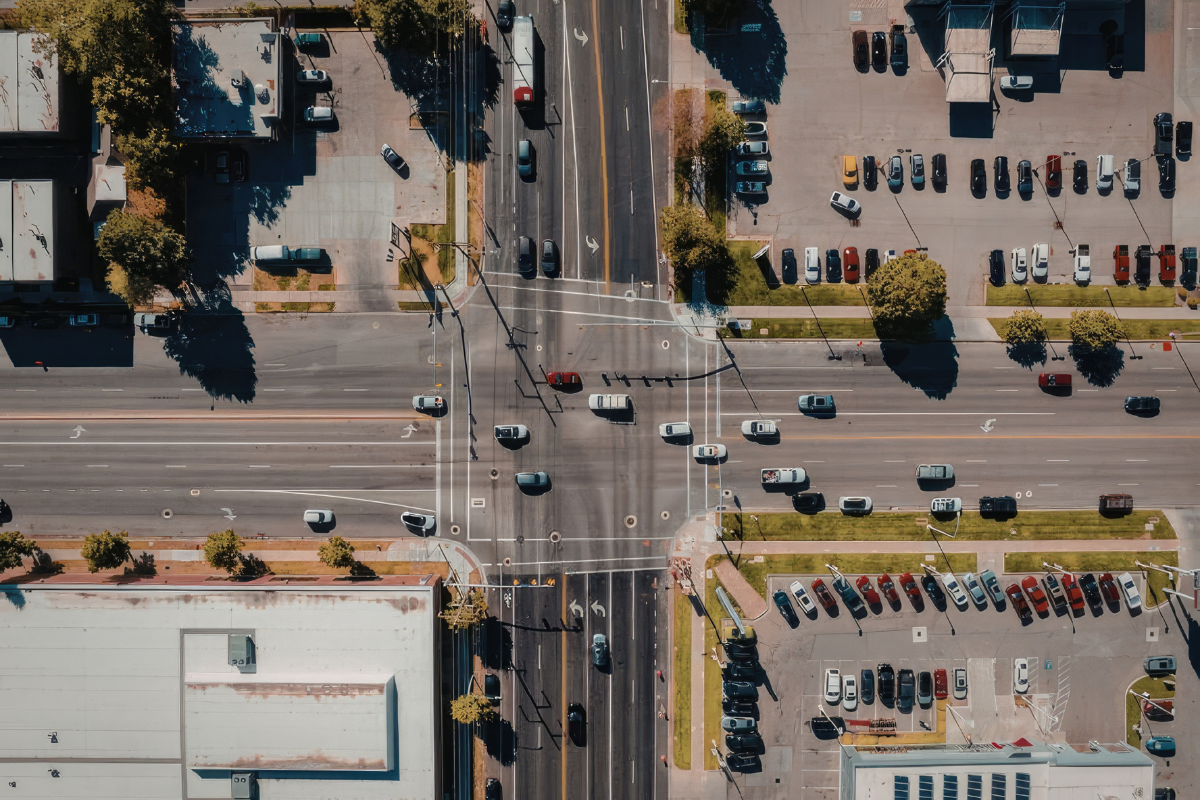
Mississauga isn’t a small town anymore.
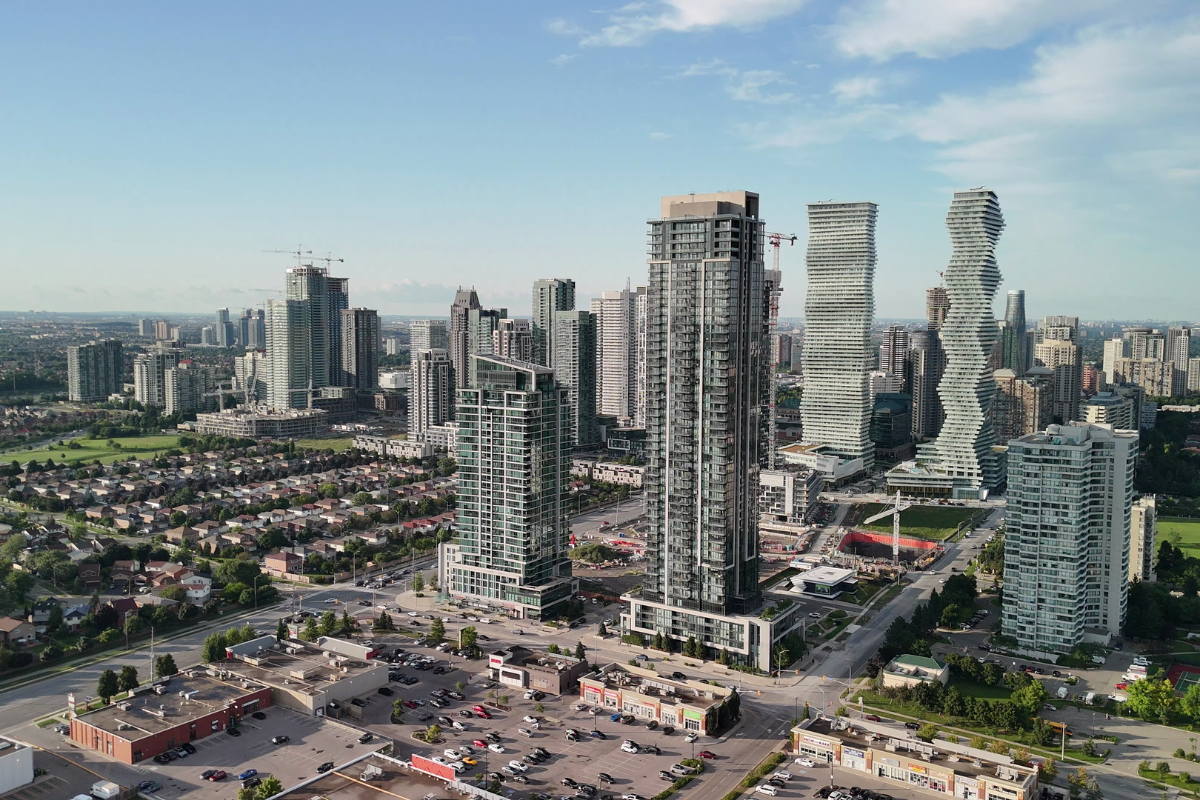
Over the past decade, the city has grown denser, busier, and more complex to navigate. Major transit projects are underway. Condo towers continue to rise. Commuter traffic flows in from every direction.
And with that growth, intersections have become more complicated — and in some cases, more collision-prone.
If you’ve lived here long enough, you probably have one intersection you approach a little more cautiously than the rest.
Maybe it’s a rushed left turn during peak traffic. Maybe it’s a stretch near Square One where pedestrians, buses, and turning vehicles all converge at once.
Intersections don’t become high-risk areas randomly. Traffic patterns, road design, and density all play a role.
Of course, “dangerous” can mean different things. It might refer to high traffic volume, complex design, pedestrian density, or simply a history of reported collisions. In many cases, it’s not one dramatic factor — but a combination of everyday pressures that increase risk over time.
The Bigger Picture: Why Intersections Matter
According to Peel Region’s Vision Zero initiative, 71% of fatal and major injury collisions occur at or near intersections.
That’s a significant majority.
Intersections are decision points. Vehicles are turning left, turning right, crossing traffic, merging, yielding to pedestrians, adjusting to signal changes — often within seconds. Add in winter weather, distracted driving, and commercial vehicle traffic, and the risk increases.
While most collisions result in property damage only, intersection crashes are more likely to involve:
Side-impact (T-bone) collisions
Speed differences between vehicles
Pedestrian involvement
Multi-vehicle chain reactions
Understanding where intersection collisions are happening most often helps give context to the risk.
What the Data Suggests About Higher-Risk Areas
Collision numbers shift from year to year. Construction changes traffic flow. Population growth increases vehicle volume.
But certain corridors consistently come up in traffic discussions because of their density and design complexity.
It’s also worth noting that publicly reported collision data only reflects documented incidents. It doesn’t capture near misses or minor crashes that go unreported — which means the lived experience can sometimes feel even busier than the numbers suggest.
Still, patterns emerge.
Below are intersections that frequently come up in collision reports and local driving conversations.
Intersections That Regularly Raise Concern
While no single intersection defines the city’s traffic risk, certain locations come up repeatedly in Peel Region's public collision data and local driving conversations. Several of these intersections have recorded hundreds of reported collisions over recent years.
These are typically major arterial crossings — places where traffic volume, turning movements, and commuter flow intersect throughout the day. Below are several Mississauga intersections that regularly raise concern.
Hurontario Street & Burnhamthorpe Road
Right in the heart of the city, this intersection combines heavy vehicle volume, pedestrian crossings, transit traffic, and ongoing LRT construction. Left-turn congestion and constant movement from all directions make it one of the most complex intersections in Mississauga.
Mavis Road & Britannia Road
A major commuter corridor surrounded by commercial plazas. Vehicles entering and exiting shopping areas, combined with higher approach speeds, create frequent conflict points — especially during peak hours.
Dundas Street & Dixie Road
This east-end intersection sees a mix of heavy truck traffic and dense passenger flow. Multiple lanes and turning movements increase the likelihood of side-impact collisions.
Highway 403 Off-Ramps (Various Access Points)
Where highway traffic meets city streets, speed differences matter. Drivers exiting the 403 onto Erin Mills Parkway, Hurontario Street, or Mavis Road are adjusting from highway speeds to urban flow — and that transition can be unpredictable.
Erin Mills Parkway & Eglinton Avenue
Rapid residential growth and retail expansion have significantly increased traffic volume here. Add pedestrian crossings and school-hour congestion, and it becomes a consistently busy intersection.
None of these locations are inherently “unsafe.” But they demand more awareness than the average neighbourhood crossing.
Why Intersection Collisions Often Lead to Injury
Unlike rear-end collisions on straight roads, intersection crashes frequently involve side-impact forces.
Vehicle sides offer less structural protection than front or rear crumple zones. When one vehicle strikes another at a perpendicular angle, the force transfers more directly to occupants.
Common injuries from intersection collisions include:
Concussions
Whiplash and other neck or soft tissue injuries
Rib and shoulder trauma
Knee injuries (especially in pedestrian incidents)
One of the challenges with intersection injuries is that they don’t always show up right away. Adrenaline can mask symptoms for hours — sometimes days.
What to Do If You’ve Been in a Car Accident in Mississauga
Even careful drivers can find themselves involved in a collision. Knowing what to do next can make a meaningful difference.
1. Get Medical Attention
If you feel pain, dizziness, stiffness, or anything unusual, seek medical evaluation. Early documentation matters — both for your health and for any insurance claim.
2. Report the Collision
Depending on severity, collisions must be reported to Peel Regional Police or through a Collision Reporting Centre. Failing to report can complicate matters later.
3. Document the Scene
If it’s safe:
Take photos of vehicles and road conditions
Note weather and visibility
Collect witness information
Details fade quickly. Photos don’t.
4. Notify Your Insurance Company
Stick to confirmed facts. Avoid speculating about fault.
5. If You’ve Been Injured, Understand Your Options
Ontario operates under a no-fault insurance system, meaning you may be entitled to accident benefits regardless of who caused the crash.
However, navigating treatment approvals, income replacement benefits, and insurer communication can become complicated — especially if injuries persist.
As Ristich Law, a Mississauga-based personal injury firm, notes:
“In the days following a collision, many people are focused on getting their vehicle repaired and returning to normal life. But early decisions — particularly when speaking with insurance adjusters — can affect access to medical treatment and long-term benefits. Understanding your rights early helps protect your recovery.”
This isn’t about escalating disputes. It’s about clarity during a stressful time.
Mississauga’s Ongoing Road Safety Efforts
Peel Region’s Vision Zero strategy focuses on reducing fatal and major injury collisions through:
Data-driven traffic analysis
Signal timing improvements
Intersection redesign
Pedestrian safety measures
Public education initiatives
As traffic patterns continue to evolve — particularly with infrastructure projects and population growth — data plays a central role in identifying where safety improvements are needed most.
The Bottom Line
Most of us drive these roads every day without thinking twice.
And most days, everything is fine.
But intersections are where movement overlaps — where decisions intersect. Slowing down slightly, anticipating turning conflicts, and being cautious during winter months can reduce risk in high-density areas.
Mississauga’s roads aren’t uniquely dangerous. They’re busy. They’re growing. And understanding where complexity increases can help all of us navigate them more safely.
What do you think? Which Mississauga intersection feels most challenging to navigate — and why?