Tips for Storing Coffee Beans to Keep Them Fresh Longer
/
Coffee beans lose their flavour and aroma over time if they are not stored the right way. Light, air, heat, and moisture all work against fresh coffee and can make even high-quality beans taste flat or stale. Understanding how to protect beans from these elements helps people get the best taste from every cup.
Proper storage keeps coffee beans fresh for weeks or even months by protecting them from exposure to air, light, heat, and moisture. The methods are simple and don't require expensive equipment. A few basic steps can make a big difference in how long beans stay fresh and how good they taste.
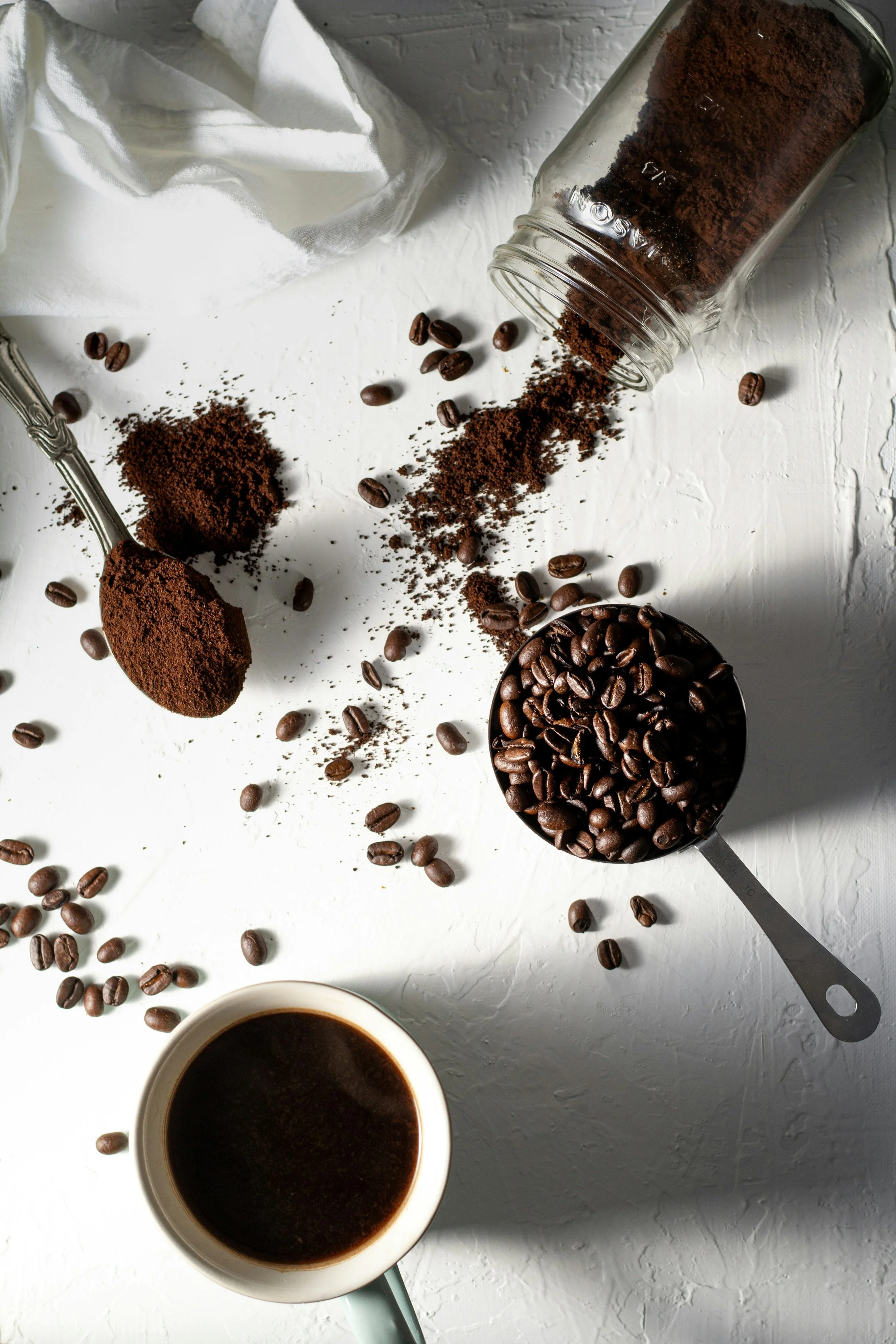
Store beans in airtight containers to limit air exposure
Air is one of the biggest enemies of coffee freshness. Oxygen breaks down the oils and compounds that give coffee its flavor and aroma. This process, called oxidation, happens fast once beans are exposed to air.
An airtight container stops oxygen from reaching the beans. The best containers are made from stainless steel, ceramic, or opaque plastic. Glass works too, but it must be tinted or stored in a dark place. These materials block both air and light.
Coffee lovers who buy premium coffee beans in Canada should transfer them to proper storage right away. The original bag often lacks a true airtight seal. Containers with rubber gaskets or vacuum seals work best because they create a tight barrier.
Keep the container sealed between uses. Every time it opens, fresh air enters and speeds up flavor loss. Store only what fits in one container rather than opening and closing multiple bags.
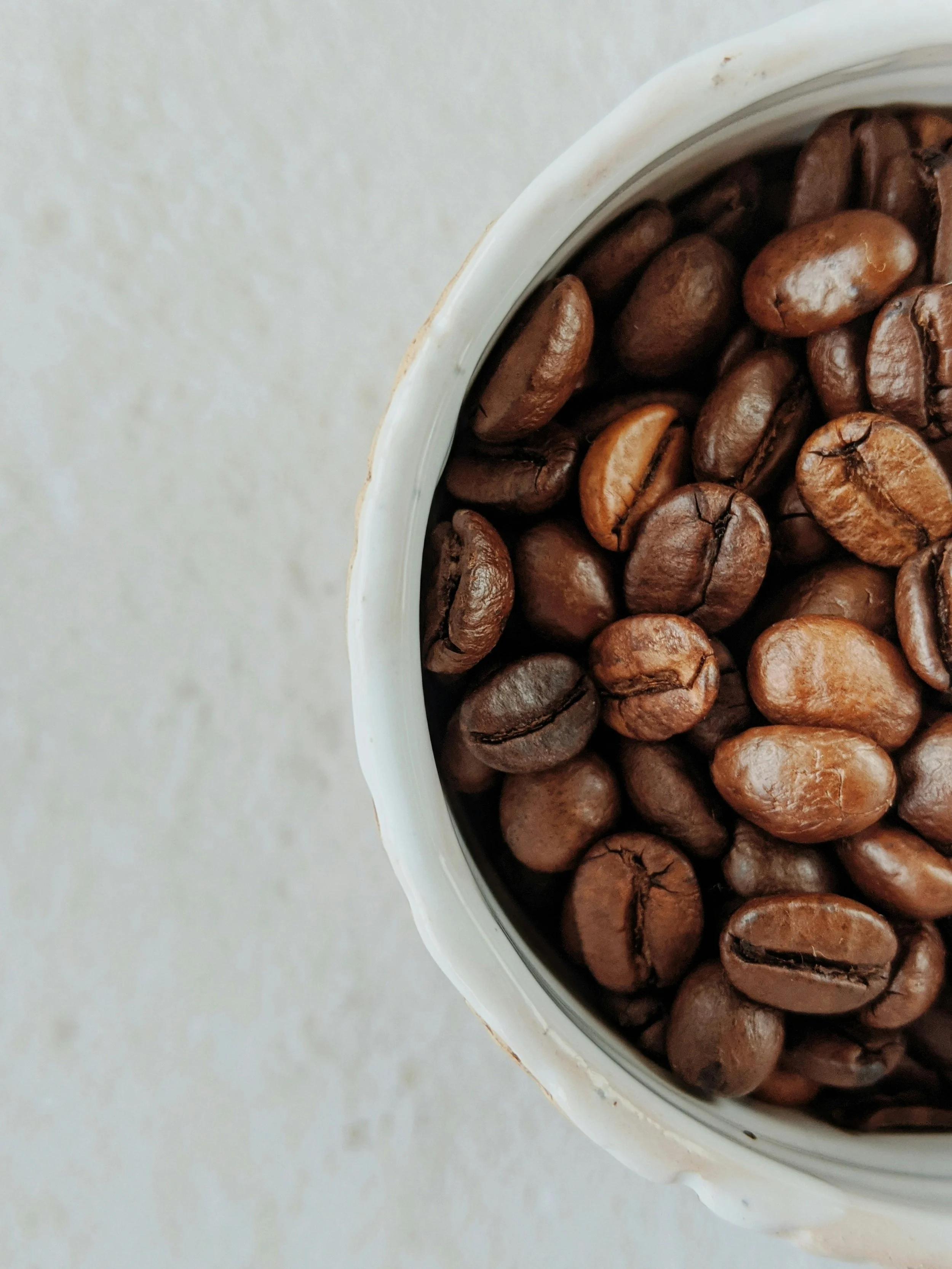
Keep beans in a cool, dark place away from light and heat
Coffee beans need protection from two main enemies: light and heat. Both factors speed up the breakdown of oils and compounds that give coffee its flavor. A pantry or cupboard works best for storage.
The ideal temperature sits between 60 and 70 degrees Fahrenheit. Beans should stay at room temperature in a consistent environment. People often make the mistake of storing coffee near the stove, oven, or windowsill. These spots expose beans to temperature changes and direct sunlight, which reduces their freshness quickly.
A dark cabinet away from appliances provides the right conditions. The storage spot should not receive direct sunlight at any point during the day. Heat sources like radiators or heating vents also pose a problem, even if they sit several feet away.
Coffee beans maintain their quality best in stable, cool environments. A cupboard on an interior wall often provides better temperature control than one on an exterior wall.
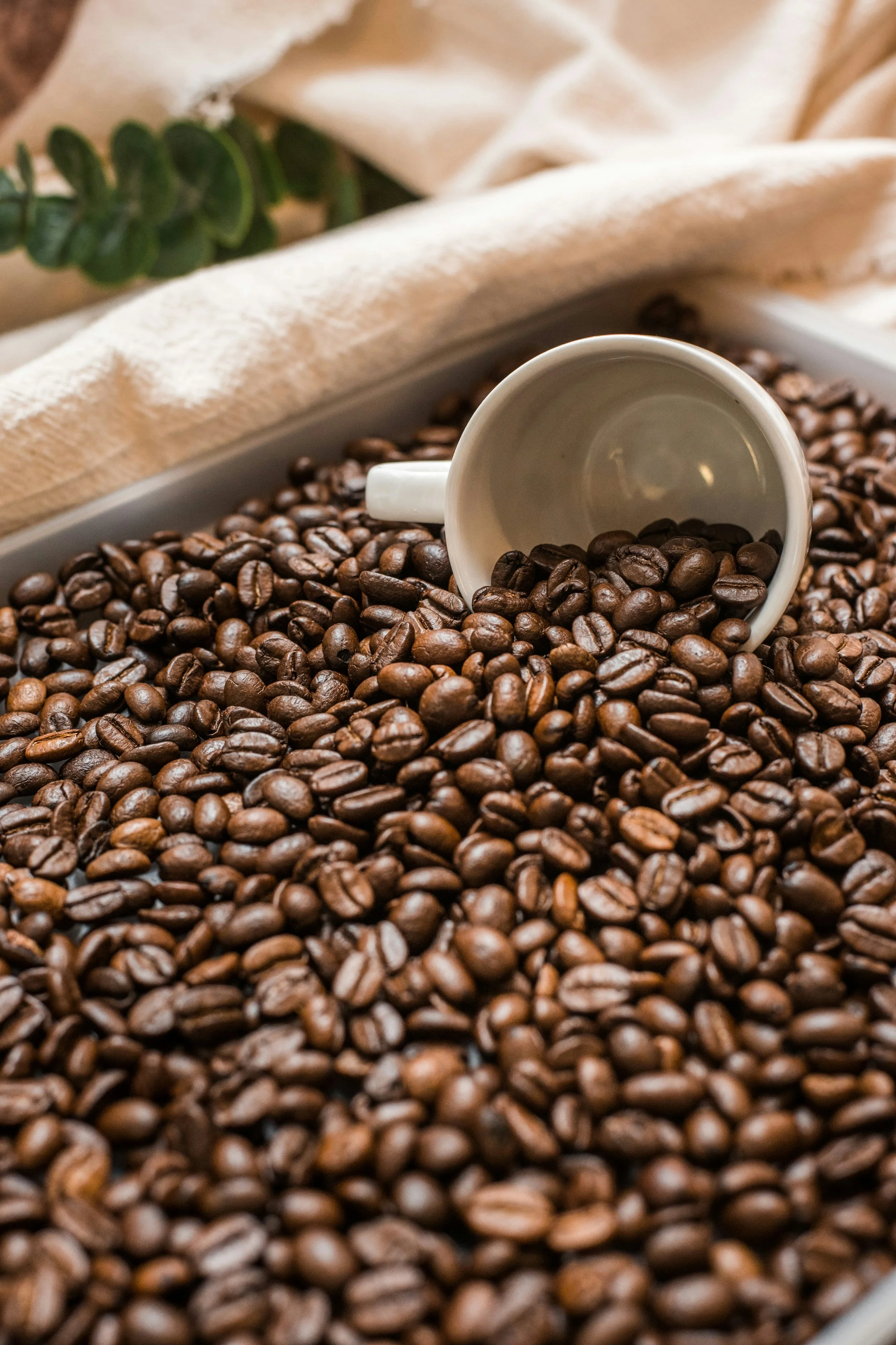
Avoid refrigerating beans to prevent moisture buildup
The refrigerator creates a poor environment for coffee beans. Temperature changes inside the fridge cause condensation to form on the beans. This moisture damages the flavor and speeds up the staling process.
Coffee beans act like sponges and absorb odors from nearby foods. A bag of coffee stored next to leftovers will pick up those unwanted smells. The result is a cup of coffee that tastes like last night's dinner instead of fresh beans.
Humidity levels in refrigerators fluctuate constantly. Each time someone opens the door, warm air rushes in and creates more condensation. This cycle repeats throughout the day and exposes the beans to constant moisture.
The best storage spot stays at a steady temperature between 60 and 70 degrees. A pantry or cabinet works well for this purpose. These locations protect beans from light, heat, and humidity without the problems that come with refrigeration.
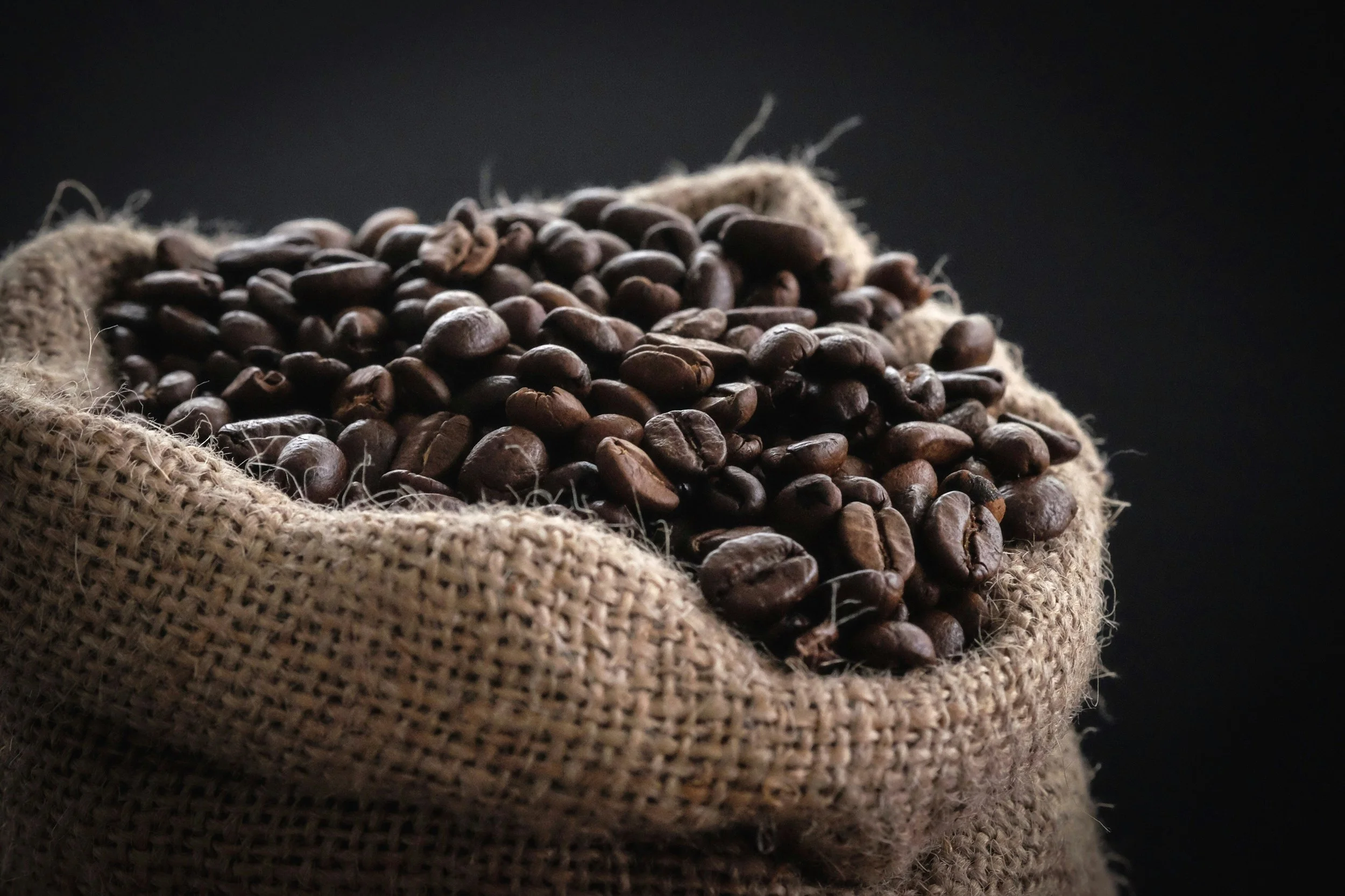
Use non-reactive containers like stainless steel or ceramic
Non-reactive containers protect coffee beans from chemical interactions that can alter their flavor. Stainless steel and ceramic materials do not absorb odors or release unwanted tastes into the beans. These containers maintain the coffee's original flavor profile without interference.
Stainless steel offers excellent durability and keeps beans safe from light exposure. The material resists rust and corrosion, which makes it a practical choice for daily use. However, coffee lovers should select opaque or tinted containers to block light completely.
Ceramic containers provide another solid option for bean storage. They naturally block light and help maintain a stable temperature inside the container. The smooth surface of ceramic prevents odor absorption, which preserves the beans' natural aroma.
Plastic containers should be avoided because they can absorb and transfer unwanted flavors to the beans. Glass containers work well only if they feature a dark tint to prevent light damage. Therefore, stainless steel and ceramic remain the top choices for people who want to keep their coffee beans fresh.
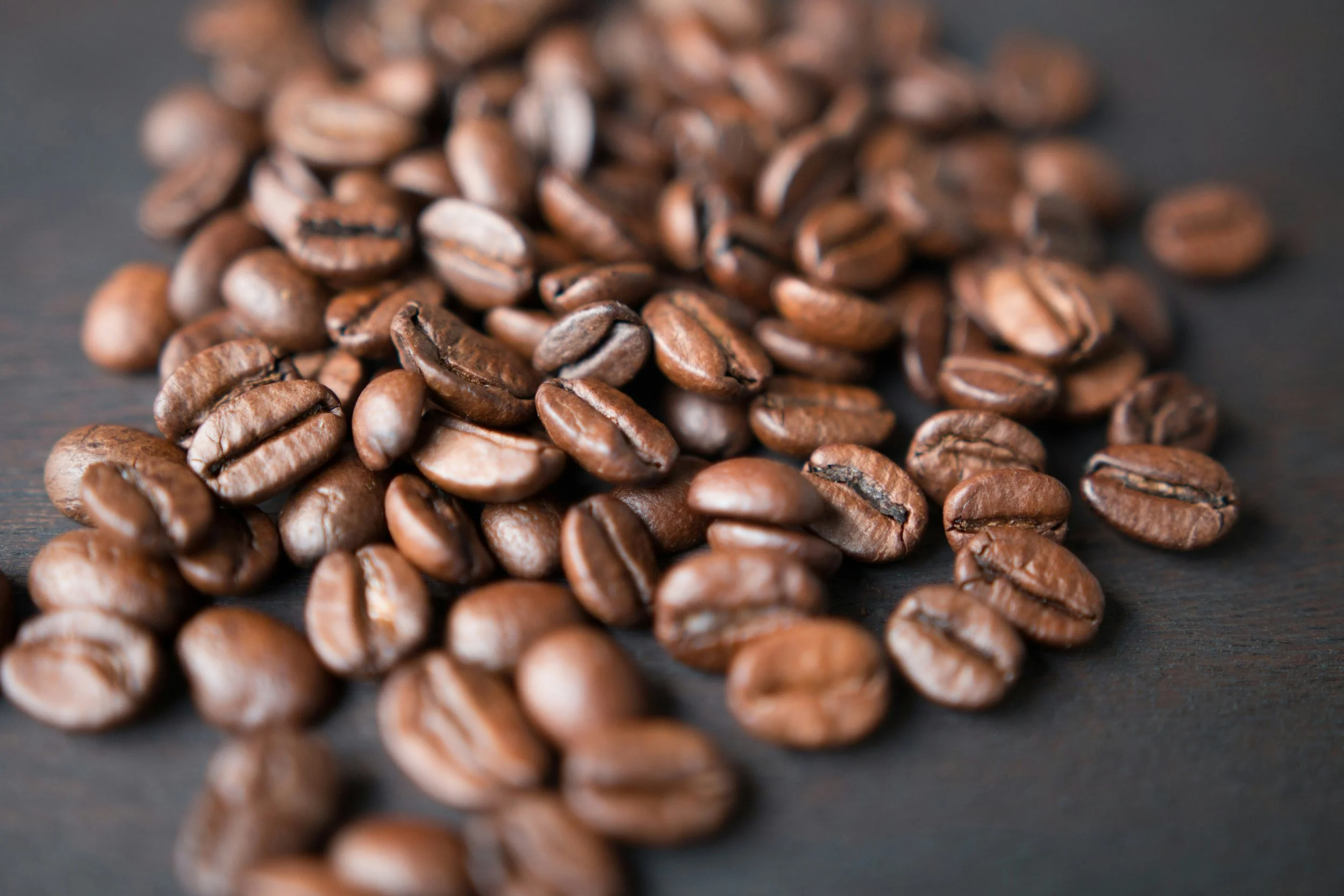
Freeze beans in small portions for long-term storage, thawing properly before use
Coffee beans can last up to 6-12 months in the freezer if stored correctly. The key is to divide them into small portions before freezing. This approach allows coffee drinkers to take out only what they need without exposing the entire supply to temperature changes.
Each portion should go into an airtight container or freezer bag. Remove as much air as possible before sealing to prevent freezer burn. Label each container with the date to track how long the beans have been frozen.
Thaw coffee beans properly to maintain their quality. Transfer a portion from the freezer to an airtight container and let it reach room temperature before opening. This step prevents moisture from forming on the beans, which can damage their flavor. The process typically takes several hours.
Never refreeze coffee beans after they have thawed. The repeated temperature changes break down the beans' structure and ruin their taste.
Conclusion
Fresh coffee starts with proper storage. The four main enemies of coffee beans are air, light, heat, and moisture. An airtight container stored in a cool, dark place protects beans from these elements and preserves their flavor for weeks.
Small changes in how people store their coffee can make a big difference in taste. The effort to protect beans from exposure pays off with every cup brewed.