Artist Glimpse: Chris Platt
/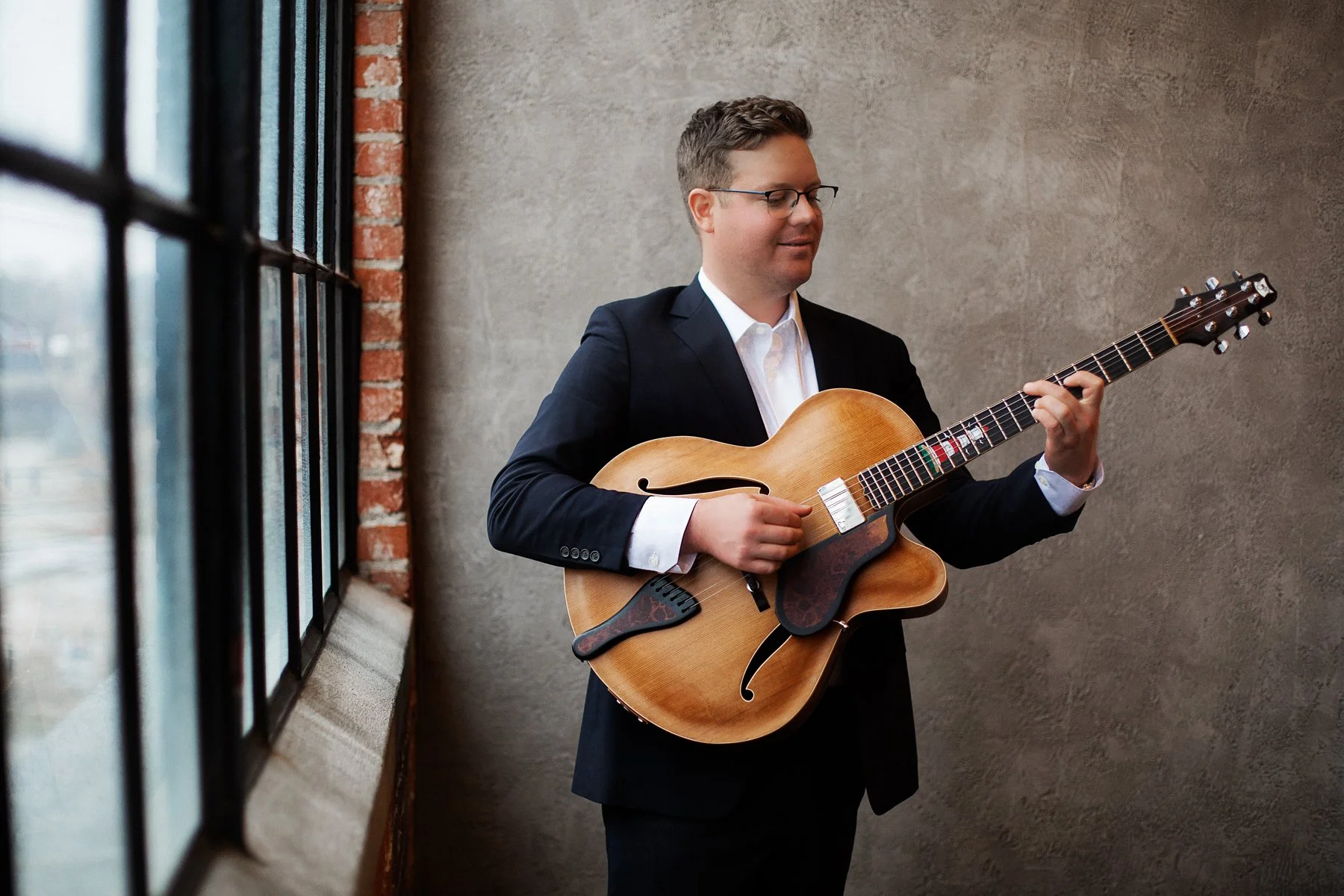
Whether leading the Chris Platt Trio or weaving intricate patterns with Angela Turone, Chris Platt is a master of atmosphere. Originally from Mississauga, the University of Toronto alumnus is a vital thread in the GTHA music scene. From his debut Sky Glow to the EP The Spinner Sessions, Platt’s work is a fresh, faithful take on jazz and Brazilian songbooks. Today, we look at the heart behind the fretboard.
ROB AGUIAR - You move between original jazz with your Trio and traditional Bossa Nova with Angela Turone. How does the discipline of Brazilian rhythm change your approach to your own compositions?
CHRIS PLATT - Brazilian music caught my ear for a lot of reasons. The harmony has a depth and sophistication to it that really speaks to me, while the melodies are unafraid of chromaticism and stretching the typical bounds of range and texture. The rhythm specifically offers an incredible sense of forward motion that I’ve tried to incorporate throughout my compositions. There is also a lightness in the music that I really admire. How Brazilian composers are able to combine these features is something I’ll study forever.
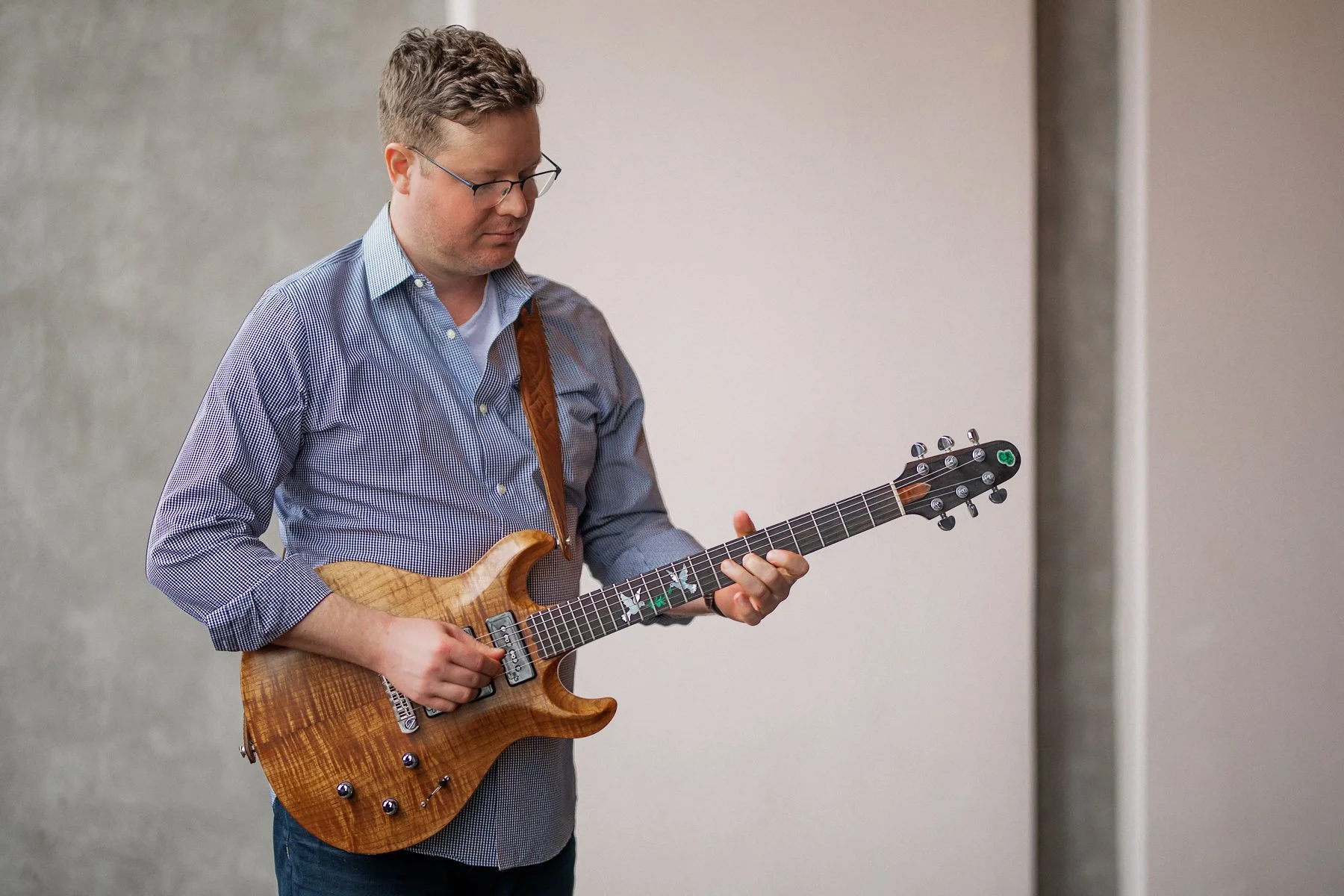
RA - There is a specific vulnerability to the nylon-string guitar. When exploring the works of Jobim or Gilberto, what did that instrument reveal about your playing that an electric guitar couldn't capture?
CP - You’re absolutely correct about the vulnerability aspect. Playing any kind of acoustic guitar is a bit more exposed, and nylon-string offers its own particulars. When I really dug into the compositions of the Brazilian composer and guitarist Guinga, I had to learn chord voicings and combine them with melodies in ways I had never done before. There are a lot of big stretches and tricky chord switches to navigate. I felt like a beginner! The motivation to learn these pieces was clear to me, because I found the melodies and harmonies to be so beautiful. And part of bringing out the colours and beauty of the pieces was being able to play them with a technical care that I hadn’t focused on until that point.
RA - The Spinner Sessions focuses on a "less is more" philosophy. When stripping classics to their essentials, is your goal to create space for the vocal, or are you looking for new ways to shape the mood?
CP - When playing with a vocalist, my approach is always to be the best accompanist I can be. The special thing about playing with Angela is that she is open to textures where we don’t give each other much space, but are able to navigate our roles quite closely. This takes a lot of trust in an improvisatory setting, and to be able to do that, I attribute Angela’s incredible skill and our many years of playing experience together. Specifically in the Spinner Sessions, we considered the shape of the mood carefully, and I think it was reflected beautifully in the videos Thom Varey did as well.
RA - While Sky Glow was a trio record, you’ve recently performed as a quartet. What does that fourth voice allow you to express that you felt restricted by in a smaller ensemble?
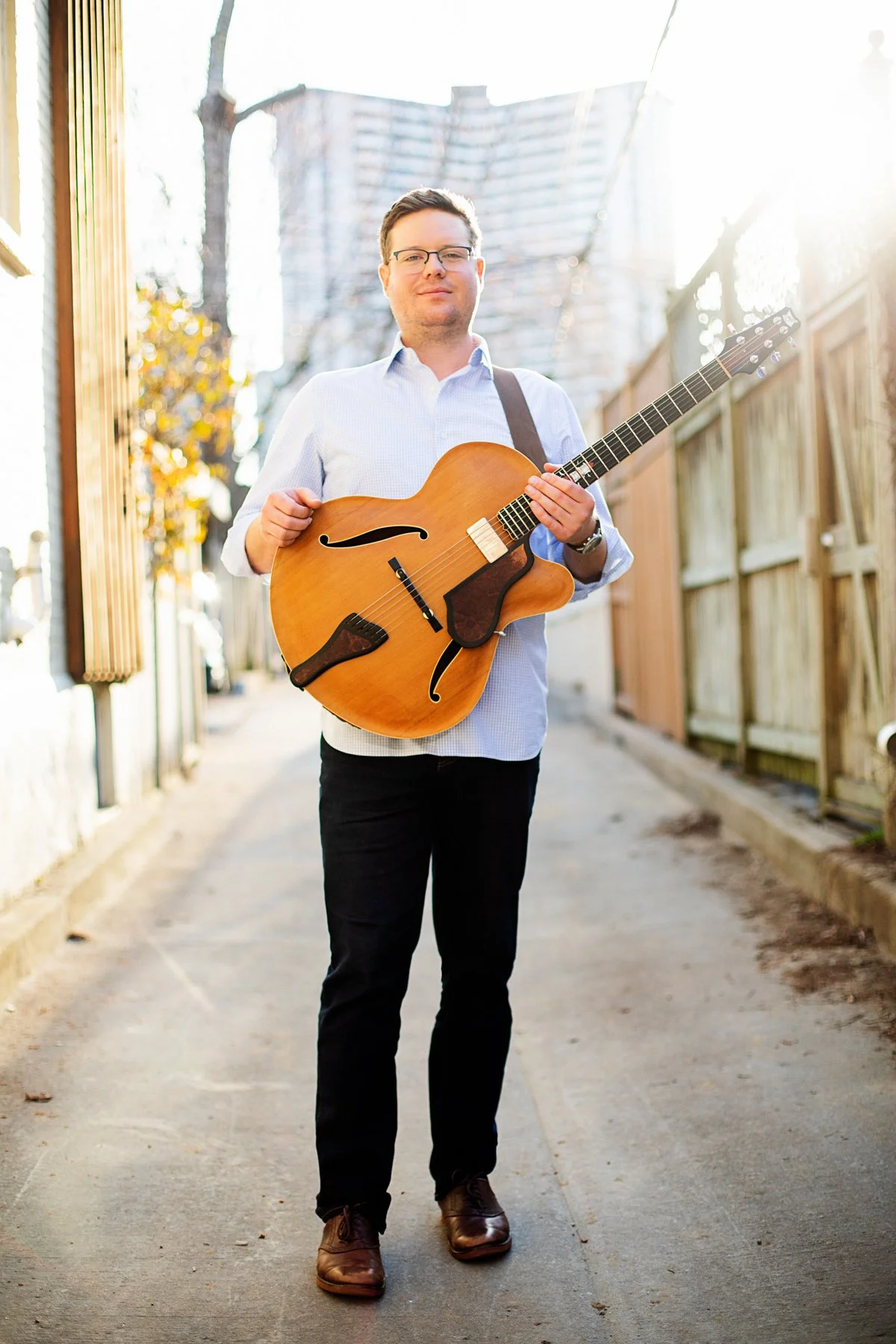
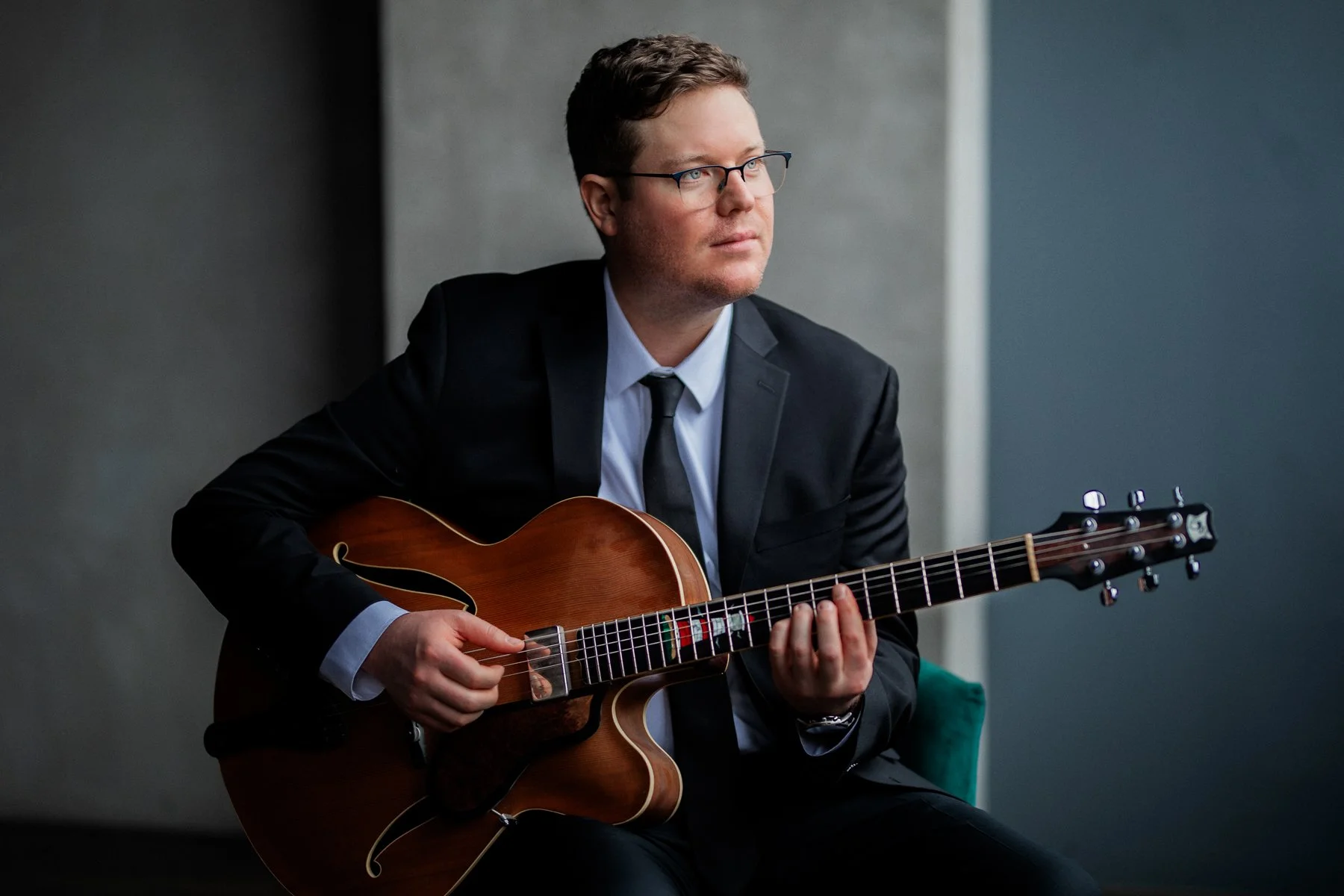
CP - I recently performed at the Jazz Bistro as a quartet. It was my guitar's 10th birthday, and I thought it would be fun (and kind of funny) to play a gig just for the guitar. The guitar is named “The Beacon” and it was made by my friend Smitty at MJS. I’ve put this axe through the wringer and it never stops being a source of inspiration.
Sometimes the venue lends itself to certain instrumentations. In this case, the Jazz Bistro has a great piano, and the pianist was Josh Smiley who is a longtime friend that I’ve played with extensively over the last 10+ years. Whenever the trio turns into a quartet, it’s a very different experience - all of a sudden, my entire priority is the melody, which in a typical trio setting, I’m doing both the harmony and melody at the same time. This change gives me a chance to explore the melody in a different way. When it comes to soloing, I now have a piano accompanying me with chords, which can really change what I end up playing because in improvised music, you’re always listening and reacting to each other.
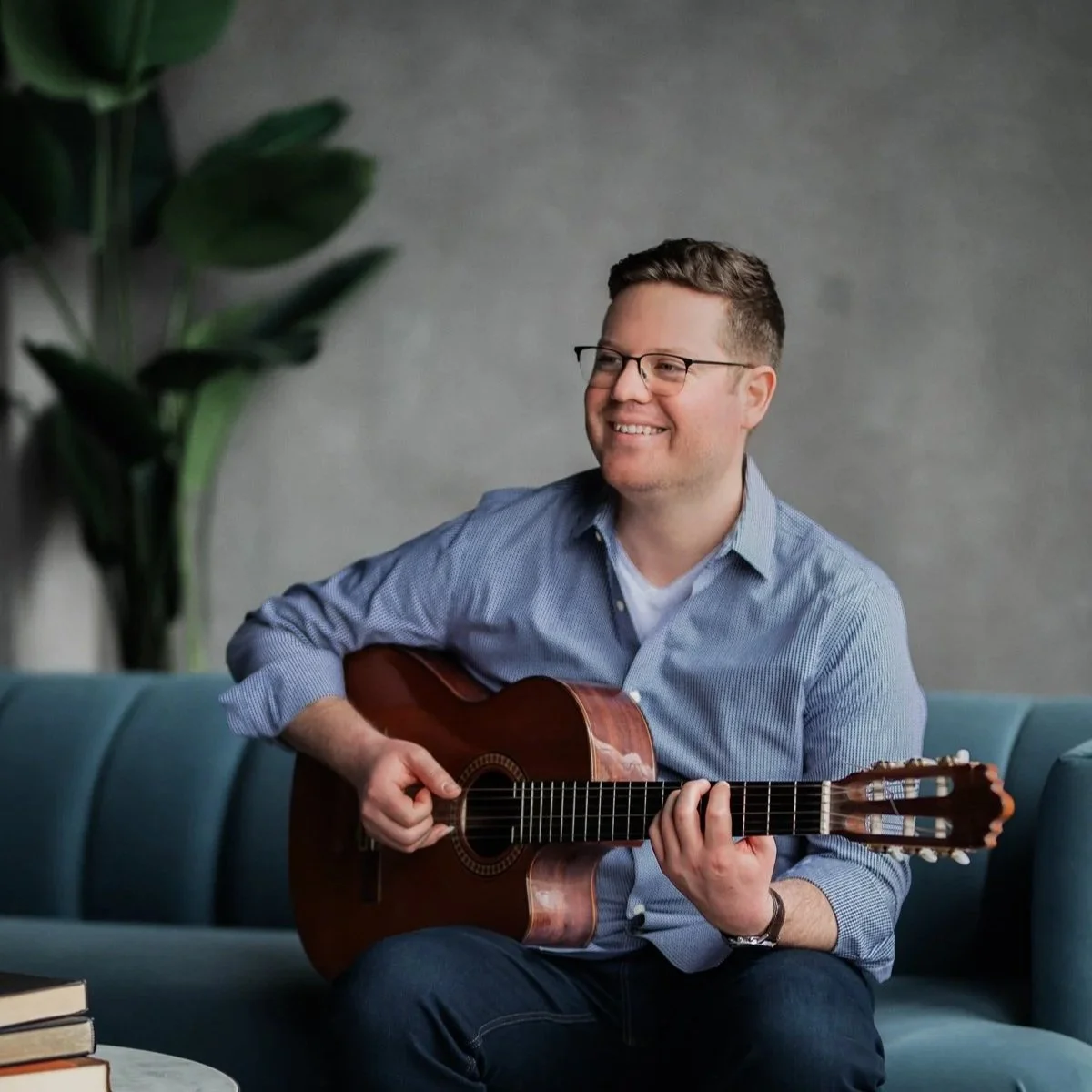
RA - Critics describe your playing as "sensitive and skillful." In a technical genre, how do you ensure the emotion of the song remains the priority during a live performance?
CP - I think when you’re the one selecting all of the repertoire for a show - and a lot of the tunes are ones you wrote - it becomes much easier to prioritize the emotion of a song. There is a reason you wrote a piece, or love a song you’re covering. Keeping these ideas in the front of one's head while performing them should do a lot of the heavy lifting. Something I’ve been focused on recently is my time with the guitar I’m playing. Whichever guitar I happen to be playing on any given gig, I think about how lucky I am to get to spend time playing and making music with it.
RA - Is there a Brazilian standard or original piece that resonates with you right now? Why does that song fit this specific chapter of your career?
CP - I’ve been really enjoying playing the Jobim tune Dindi. I had a student learn it recently, and it’s one I should have learned a long time ago, so I learned it along with them. I’ve been playing a lot of solo guitar gigs recently, and I think this song really lends itself to that setting.
Whether in an intimate duo or leading a quartet, Chris Platt’s approach is defined by a deep respect for tradition and an evolving spirit. His ability to find the emotional center of a song makes his music resonate far beyond the notes. We look forward to seeing where his journey takes him next.