Creating Community in Mississauga Through Cookbooks
/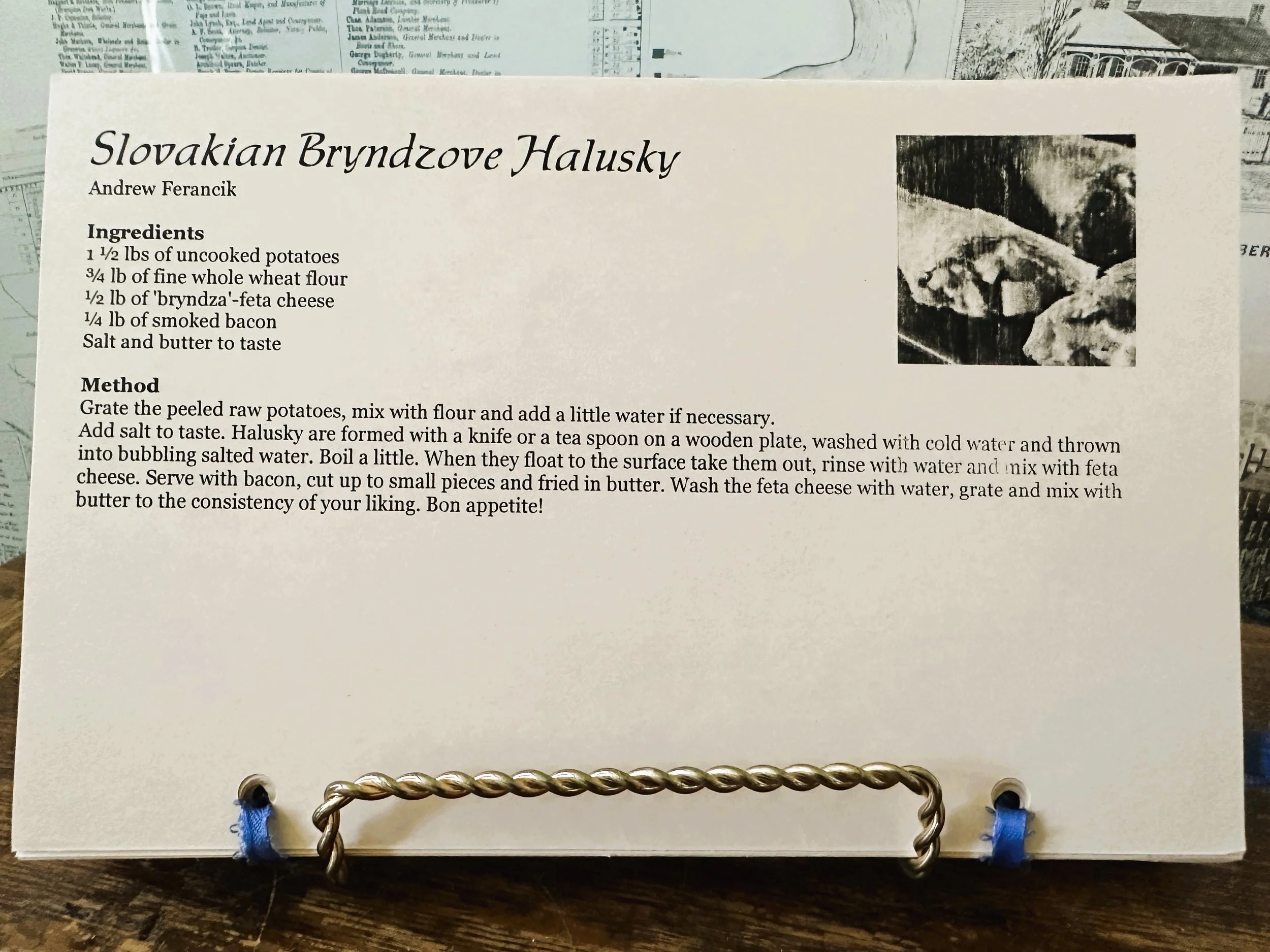
Recipe from A Taste of History.
Cookbooks are so much more than instructions on how to cook food. They tell stories of cultural movement and personal identity, represent and form communities, and preserve traditions. Community cookbooks were and are a large part of historical and modern Mississauga, a rich archive of our city’s residents.
Community compiled cookbooks are an essential source to see cultural movement and mixing. Everywhere we go, we adopt new cultural traditions while bringing our own influences, whether on a short vacation or finding a new home. This constant adaptation and implementation result in an endless combination of culturally influenced foodways.
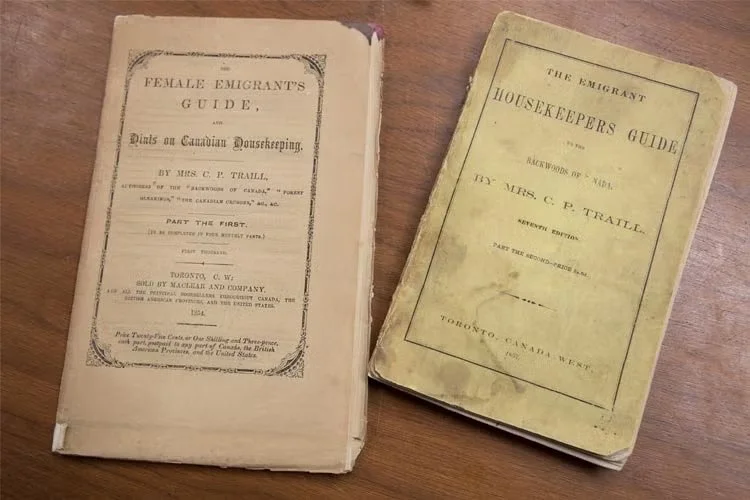
Historic Cookbooks from Heritage Mississauga collections.
Cookbooks and shared recipes are only a small part of the transmission of foodways. For predominantly women and girls throughout history, one would learn from elder women in the household how to cook and take care of the home (a large part of early cookbooks and home manuals). It is another thing entirely to write these directions down. They are written down to share within and beyond communities and to remember as an important aspect of personal identity.
Women have been conveyors of traditions throughout history, communicating skills and culture between themselves. This movement of information carries histories and ontologies necessary for forming community. This information is held within community cookbooks, house manuals, and emigration guides.
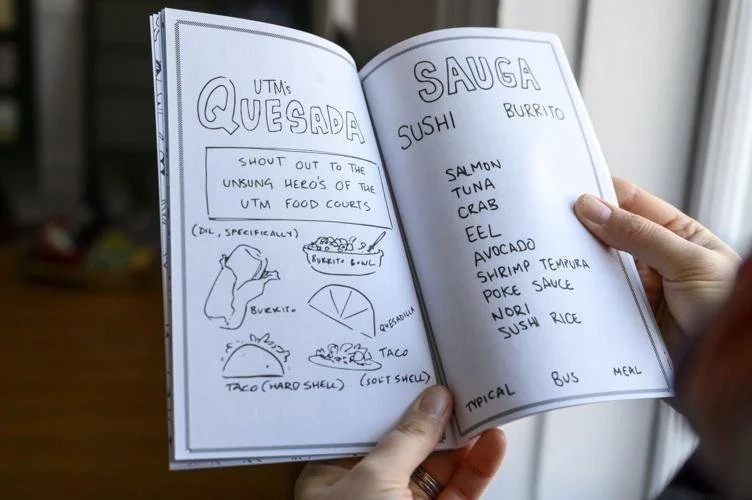
From Taste of Mississauga.
Community cookbooks are often the result of a fundraiser for a group or organization. For example, Heritage Mississauga’s Heritage Cookbook: A Taste of History was a fundraising initiative in 2005, which contributed to the preservation of community-level histories in the city.
Within A Taste of History, recipes like Slovakian Bryndzove Halusky submitted by Andrew Ferancik and Mom’s Mint Chutney submitted by Marjorie Hancock are featured. In the recipe and person names alone, there is immense cultural and personal identity-forming happening. The recipe for White Fruit Cake submitted by Mary Wilkinson includes a note “Shared by Mrs. Jean Starr, a teacher, and wife of the Principal of St Philip’s Anglican School, Fort George, Quebec in 1965, where I also was a teacher.” This shows the movement of recipes between women that then bring the information with them wherever they go, and in this case here to Mississauga.
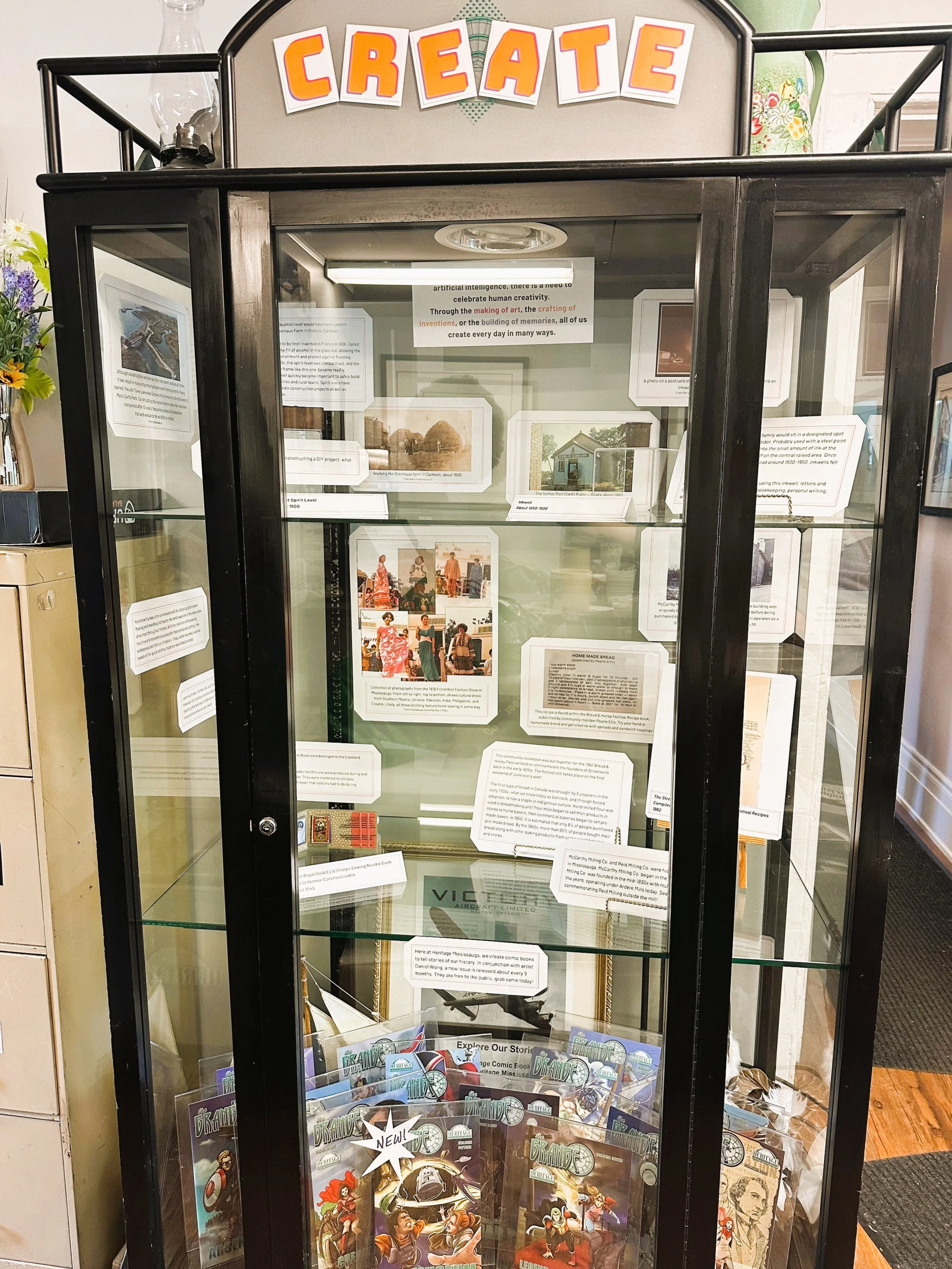
Part of the collection at Heritage Mississauga and its current exhibit, “Create”, is The Streetsville Founders’ Bread & Honey Festival Recipes 1982 community cookbook. Included within are recipes Ukrainian Honey Cake and Island Style Chicken, representing cultures of Mississauga and influences cultures have between each other. Imagine picking up a copy back in 1982 at the festival and giving the Island Style Chicken a try at home. You like it but maybe next time you make it for family dinner, you keep out the cinnamon and add paprika instead. Your brother-in-law asks for the recipe and tries his hand at it, cooking the chicken using a different method because that is the way his mother taught him. It is ways like this that recipes both form and result from personal communications and relationships, moving through time and space.
More recently, Taste of Mississauga: A Community Cookbook was compiled by Hiba Abdullah and Elizabeth Underhill in 2020. It is a compilation of submitted food experiences from mallgoers at Square One and shows the rich diversity of our city. The booklet presents the city’s relationship with food in interesting ways. For example, a sketch of the different options at UTM’s Quesada, a popular grab and go spot for students, and a sushi burrito with delicious fillings great for a commute on MiWay.
Amy Ghuman
Documenting and sharing what we know, roots us in identity and creates memory. It reveals what is important to us and our experiences. The recipes submitted for A Taste of History, The Bread & Honey Festival Cookbook, and Taste of Mississauga show each individual’s identity—they represent themselves and various communities they belong to. Also, through the sharing of recipes, community is found, and collective memory is made. A consumer of a community cookbook can see others’ food traditions and relate, maybe even reach out and form connections over a specific ingredient or way of doing things. Historically, this may have been done with a letter written from the lady of a house or a cook to another to be discussed over tea or at the market, sharing stories and passing information.
Although historical community cookbooks of women sharing their tips and tricks of running a household may be on the decline, the sharing of foodways and traditions continues outside the cookbook context. Abhijeeth Swaminathan of Toronto has created a video game, Venba, a narrative game that follows an Indian family and their immigration to Canada. The story is explored through cooking tasks. Recipes are remembered and forgotten by the main character’s mother as she recalls her mother’s cooking and attempts to teach her son. The son then explores his identity as growing up in Toronto and what his family’s food means to him. Food and recipes hold immense cultural information that reinforce and form communities.
We invite you to come and see the “Create” exhibit, on now at The Grange, home of Heritage Mississauga (1921 Dundas Street West), featuring items from the collection including a lawn bowling set and a 1930s UniveX camera. Come in and take a look!