A Personal History of Mississauga's 2nd Line West by Tom Herstad
/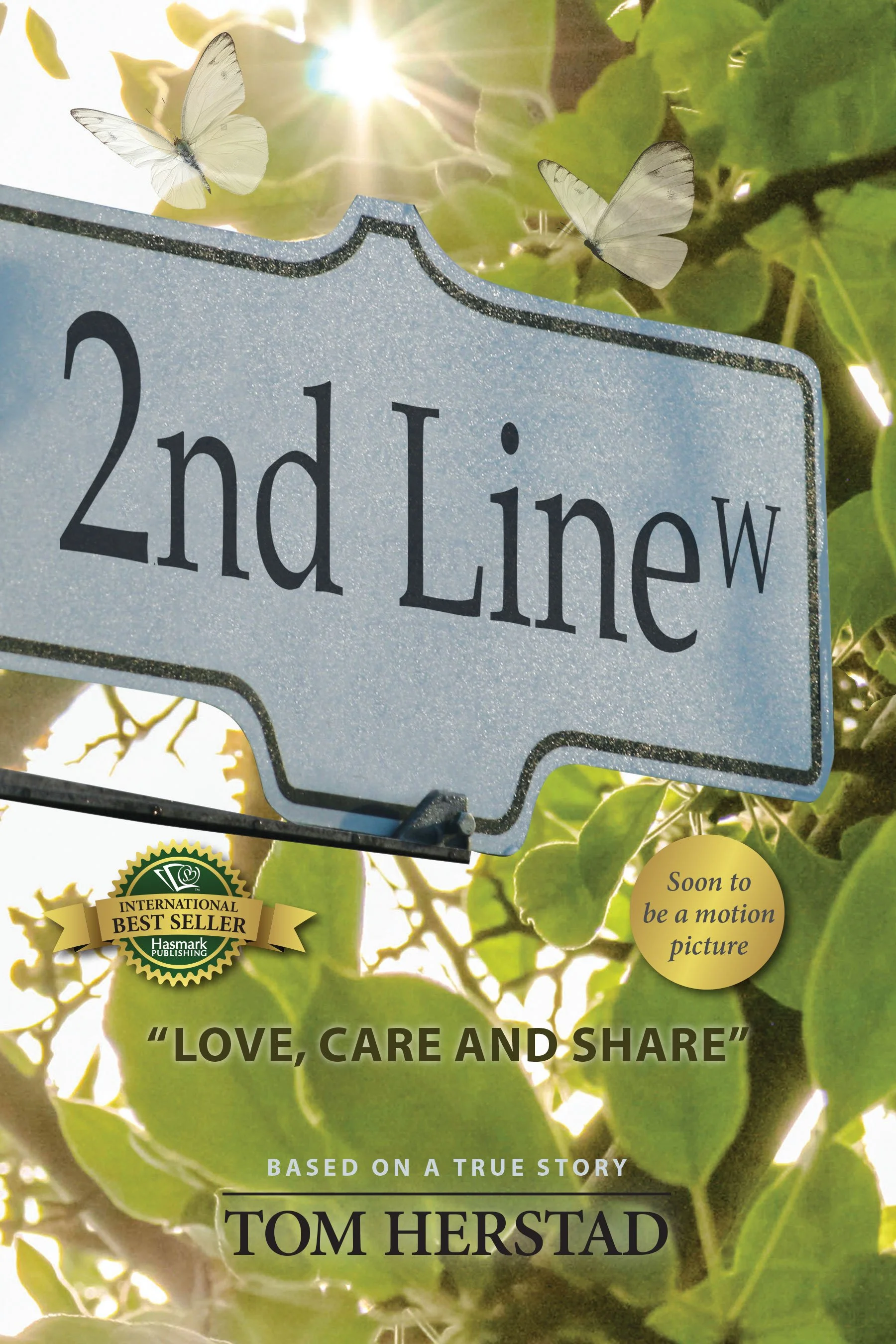
2nd Line West book cover.
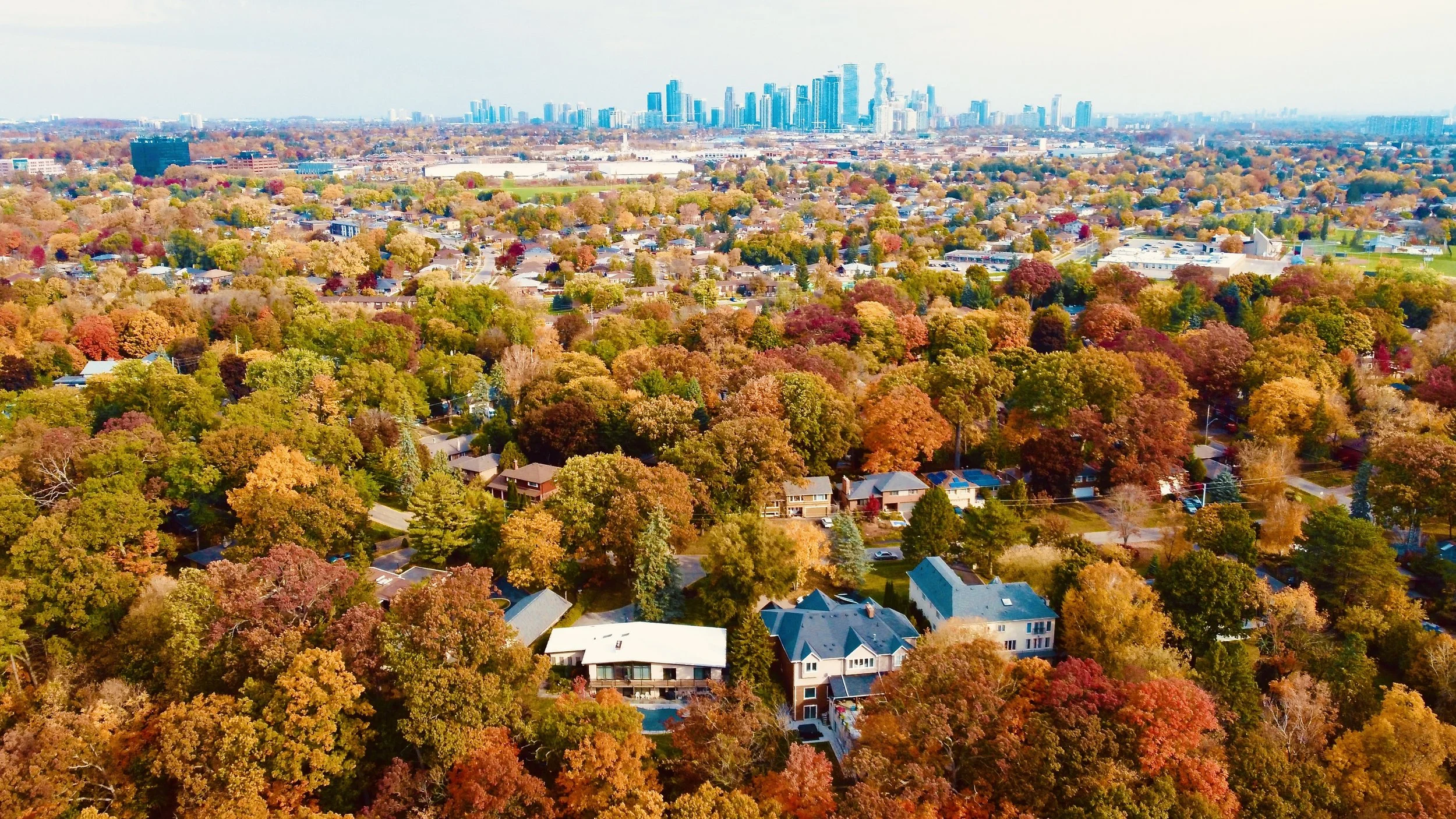
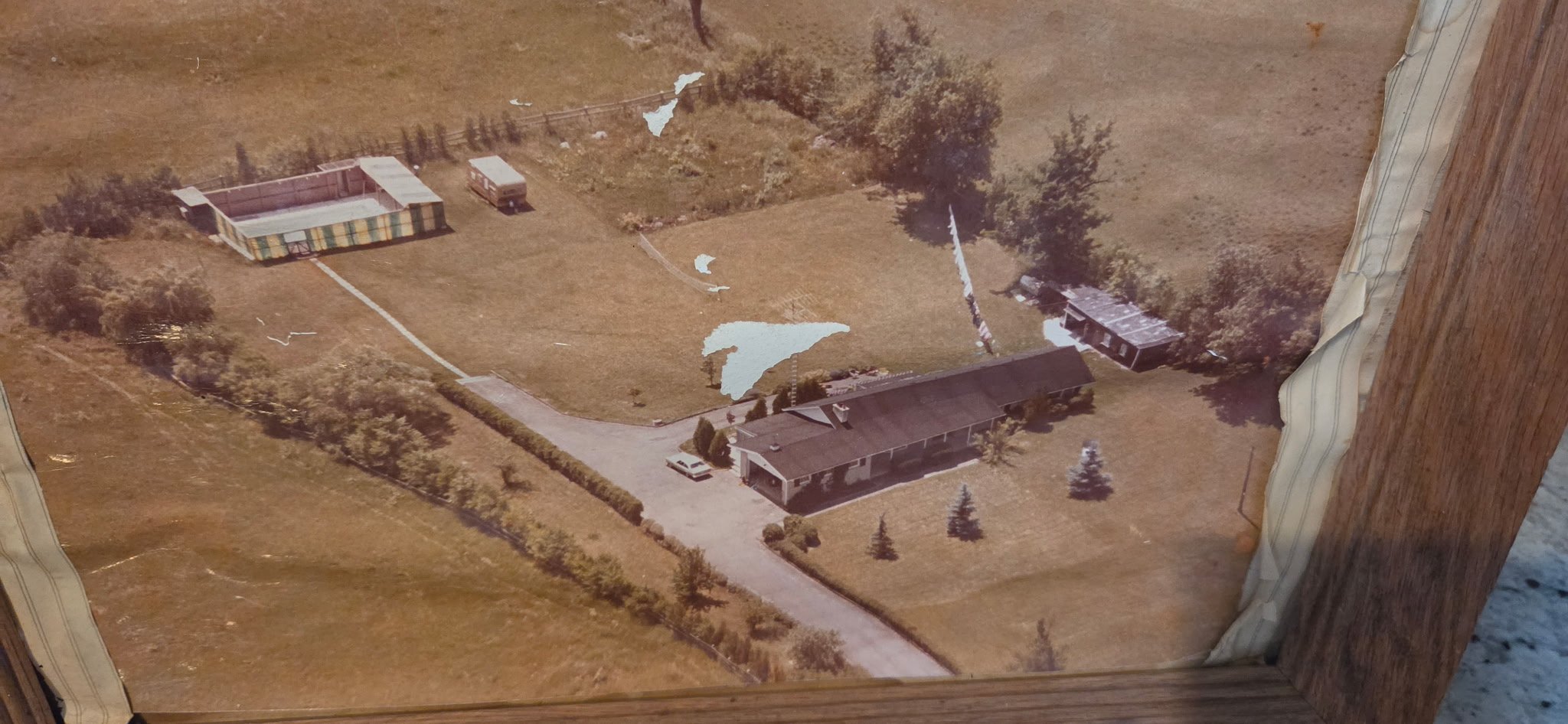
I can still feel what it was like driving to our house into the most northern part of Mississauga. It was the 1980’s, car windows would be rolled down, allowing the summer warm breeze to rush through the car, the music turned up loud. The air carried the unmistakable scent of trees, fresh-cut grass, drying hay, wildflowers, and the rich earth of the countryside. Horse barns dotted the landscape. Farm names predominately printed in huge letters on the angled barn roof tops. I could feel the humidity in the air change crossing small bridges along the Credit river valley.
Passing through the little village of Meadowvale was like entering a tree tunnel. The majesty of the mature trees on both sides of the street, their branches touched and overlapped high above the middle of the road. The church erected in 1862 was on the corner, it marked the way. Turning off of Derry Road heading north on 2nd Line West, home was now just one mile away.
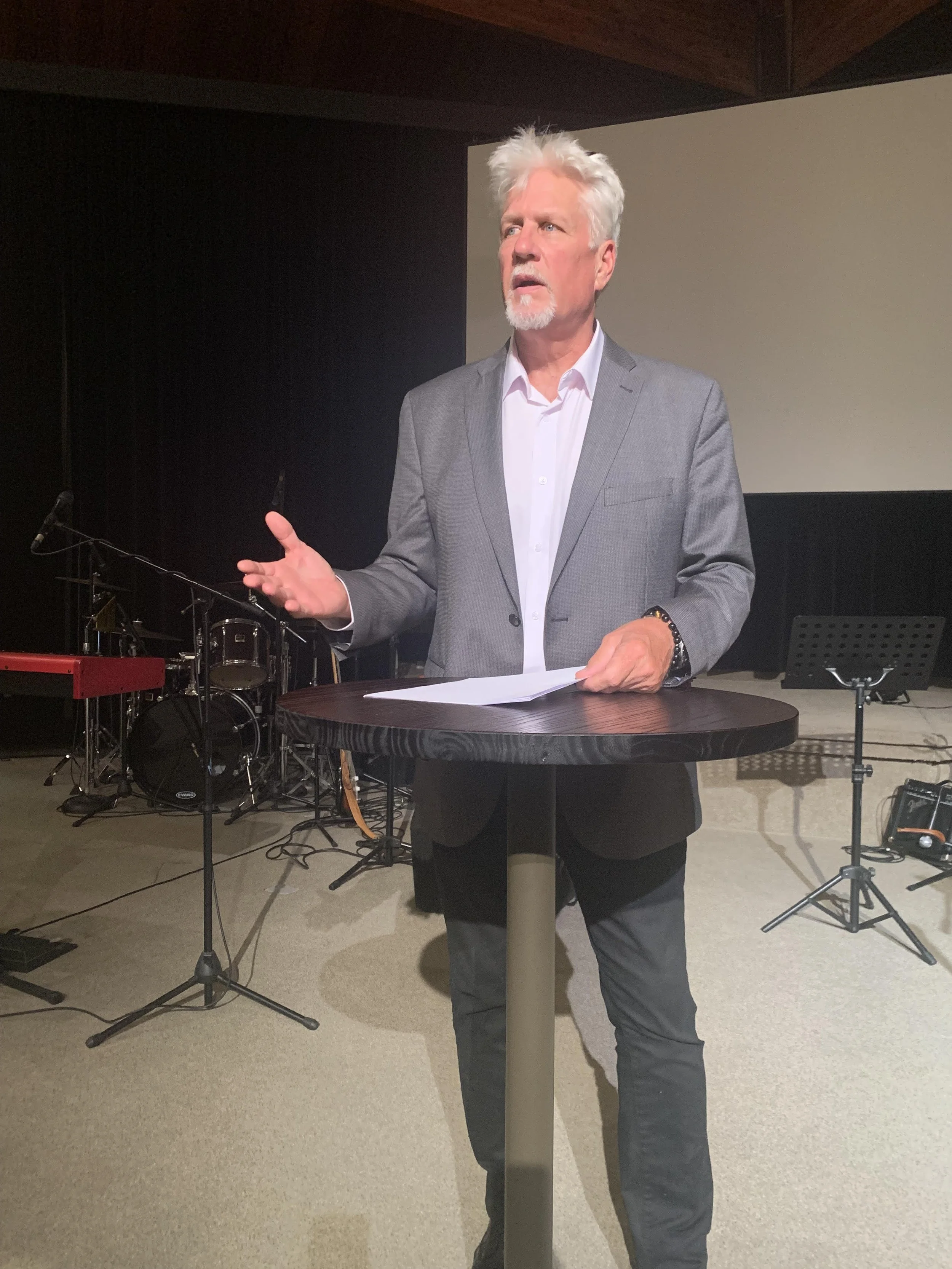
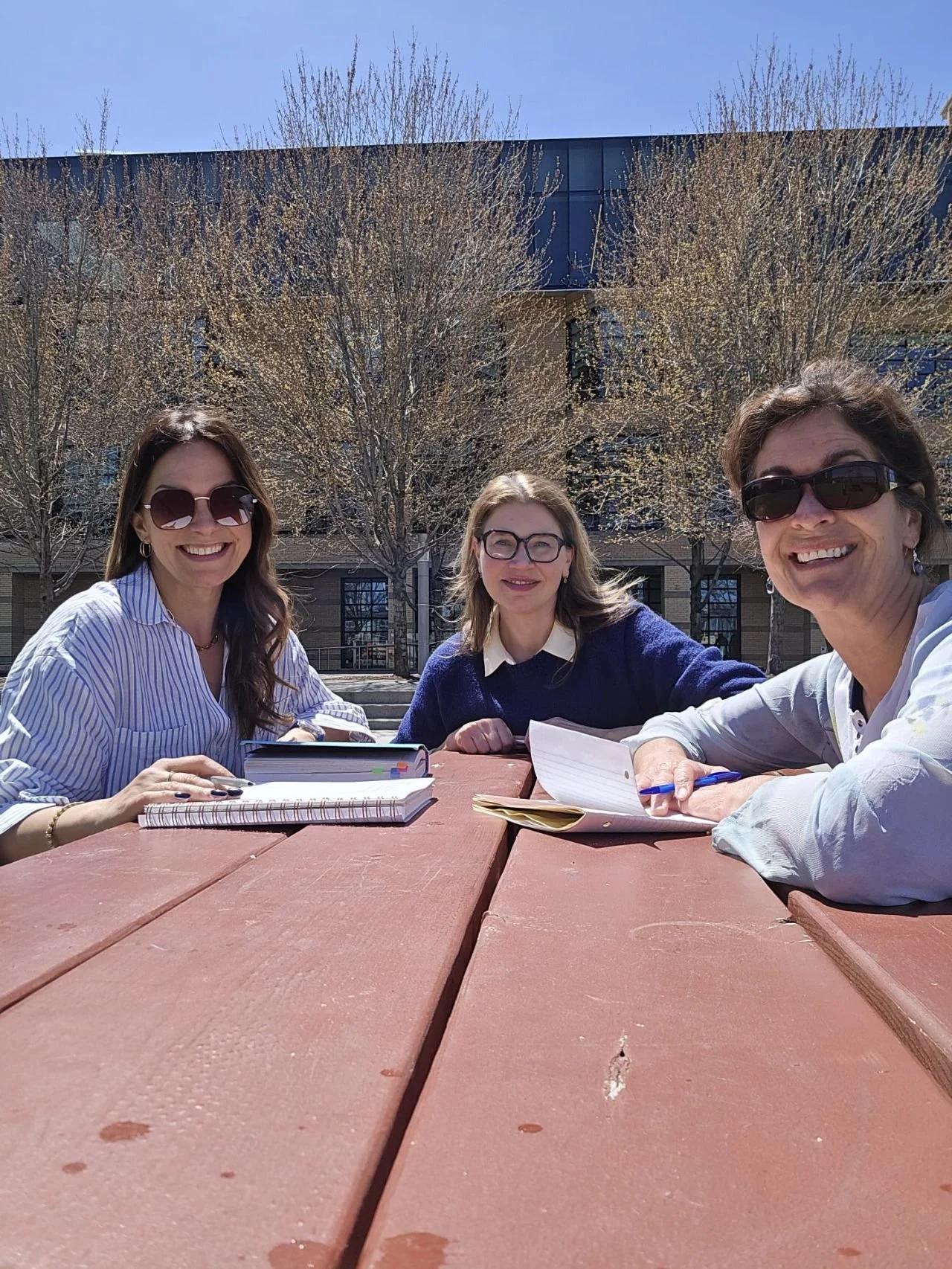
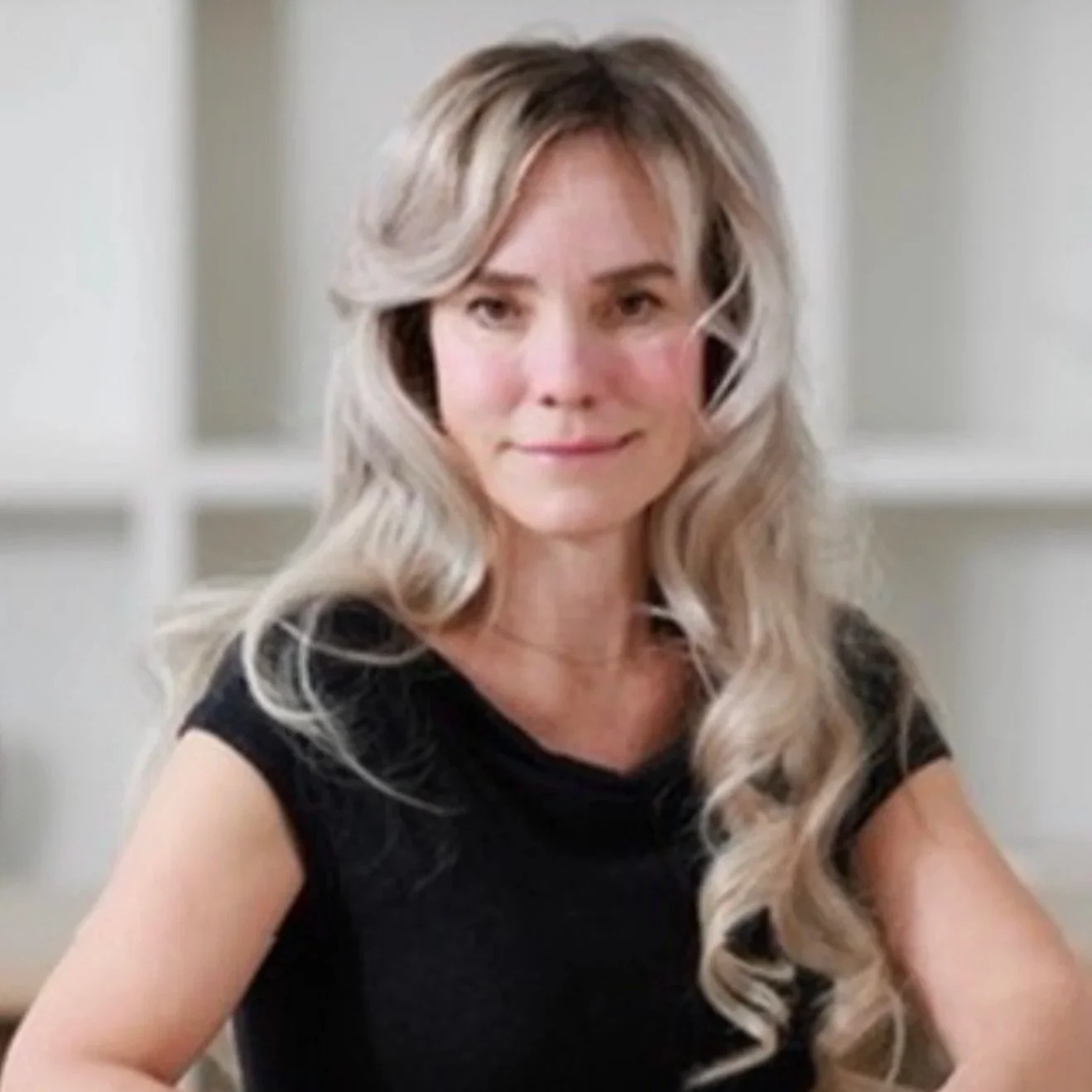
Tom Herstad.
Back then, Meadowvale was a village surrounded by farmland and nature, hay fields as far as the eye could see. It was a place where neighbours knew each other, where people stopped to lend a hand, and where community wasn’t a concept, it was simply the way people lived. Passing the conservation area on my left started the long ascending hill that would test our young legs on our bicycles. The Davidson Farm was at the top. This road cut through a place where life seemed simpler, slower, and more connected.
As children, my three sisters and I didn’t realize how fortunate we were to grow up in that environment. We were simply living our lives, creating memories, and experiencing the world through children’s eyes. It would take decades before I truly understood the lessons that impacted us every day. Those lessons came largely from our mother, Mary Margaret Herstad (Margie).
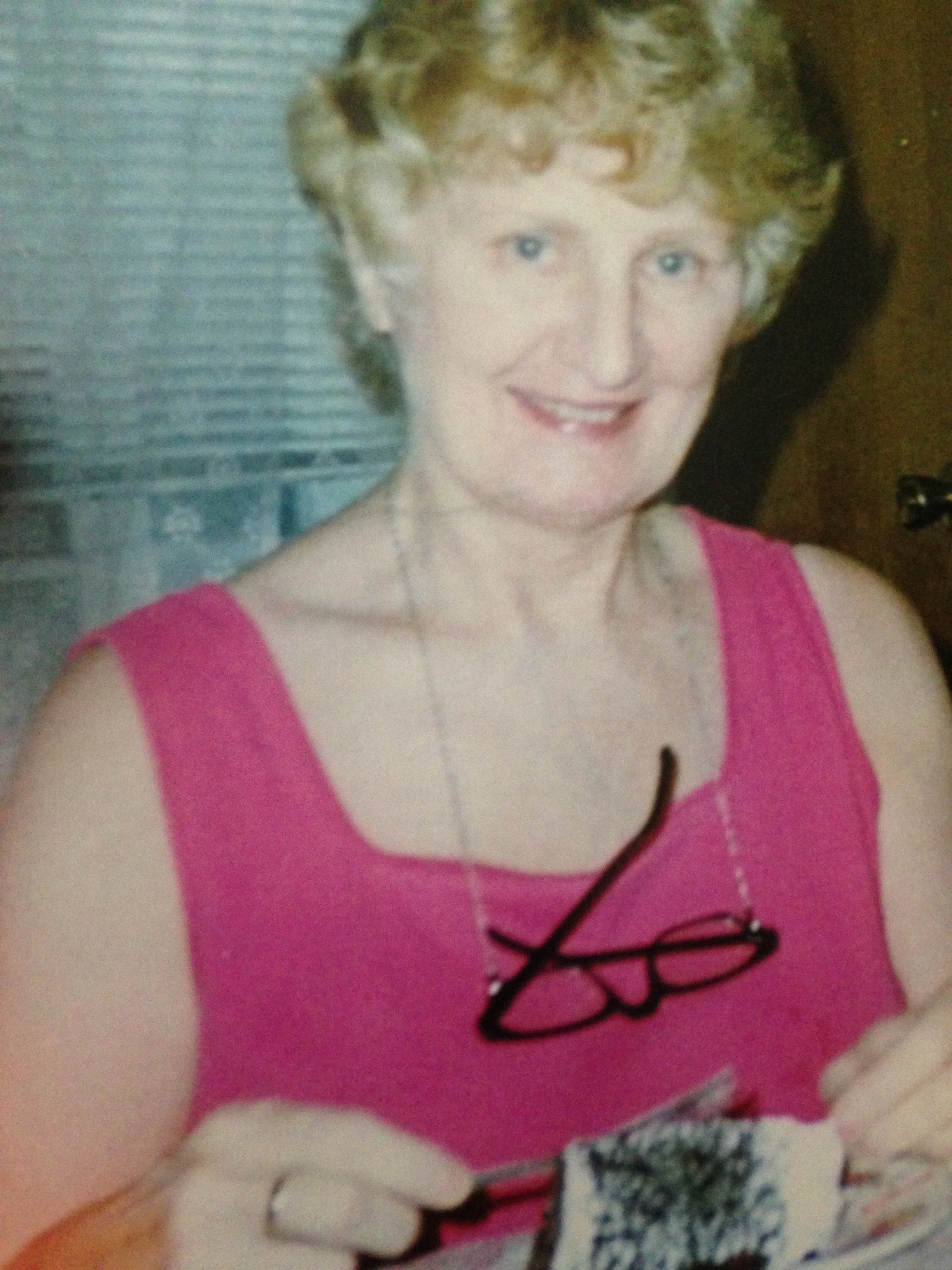
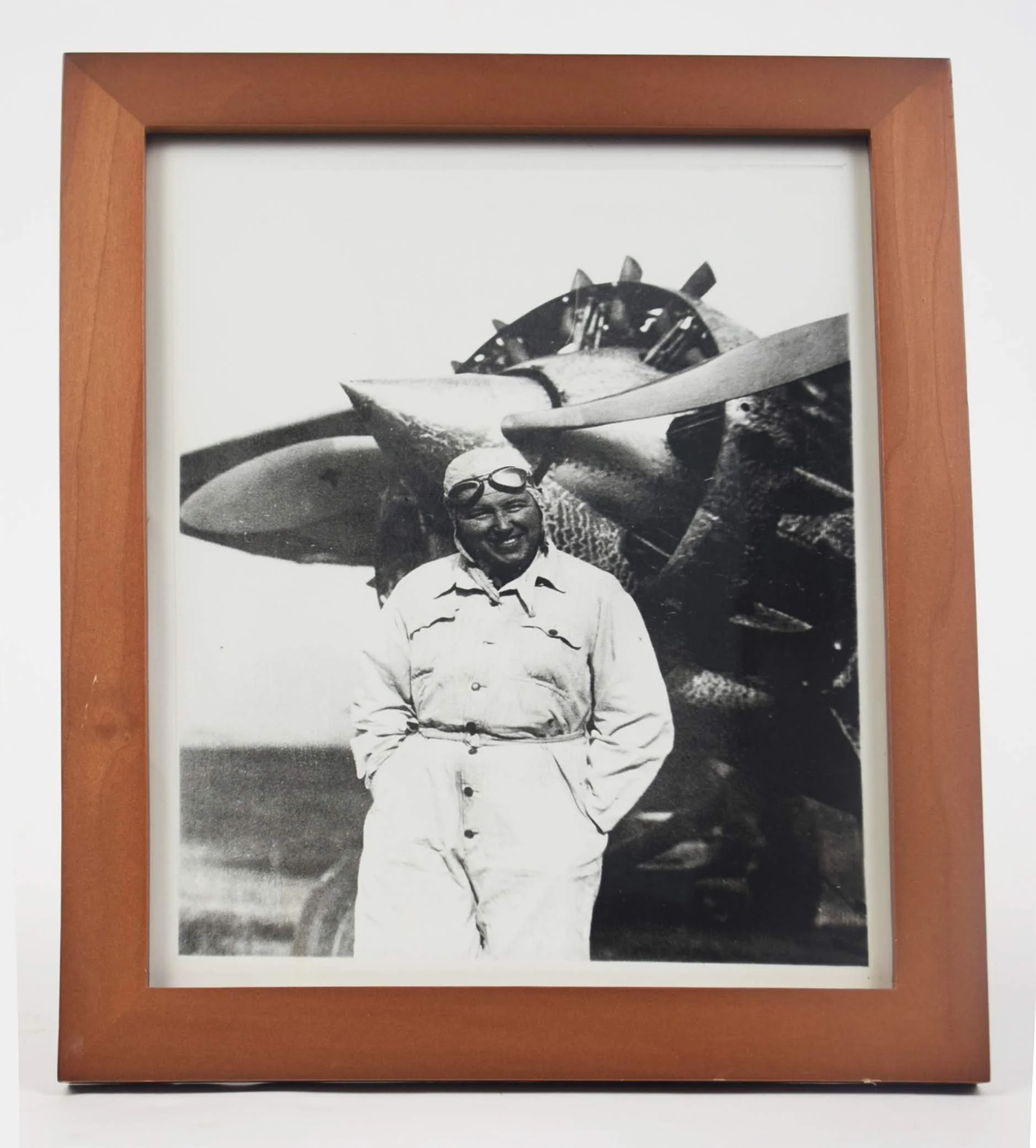
Margie Herstad.
Fast forward, to July 2011, after her memorial service, I found myself drawn to preserving her story. What began as a desire to document family memories eventually became a much larger undertaking. Alongside my youngest sister, Julianne, we began interviewing people whose lives had intersected with our mother’s life throughout the years. Many had spent time in our spare bedroom during the 1970s, 1980s, and into the mid 1990s. Some were close friends. Others were neighbours, classmates, co-workers, or individuals who had crossed paths with our family during important moments in their lives.
Finding them was not easy. Time had scattered people across cities, provinces, and even countries. Yet through determination, persistence, and the growing reach of social media and word of mouth, we tracked them down one by one. To our surprise, people were eager to share their memories. Some participated in lengthy interviews. Others sent letters, emails, and personal reflections. Many revisited moments they had not thought about in decades. As the stories accumulated, a remarkable picture began to emerge. What started as a book about a lady slowly transformed into something much larger. It became a story about connection. It became a story about community. Most importantly, it became a story about the impact one person can have on the lives of others without ever seeking recognition for it.
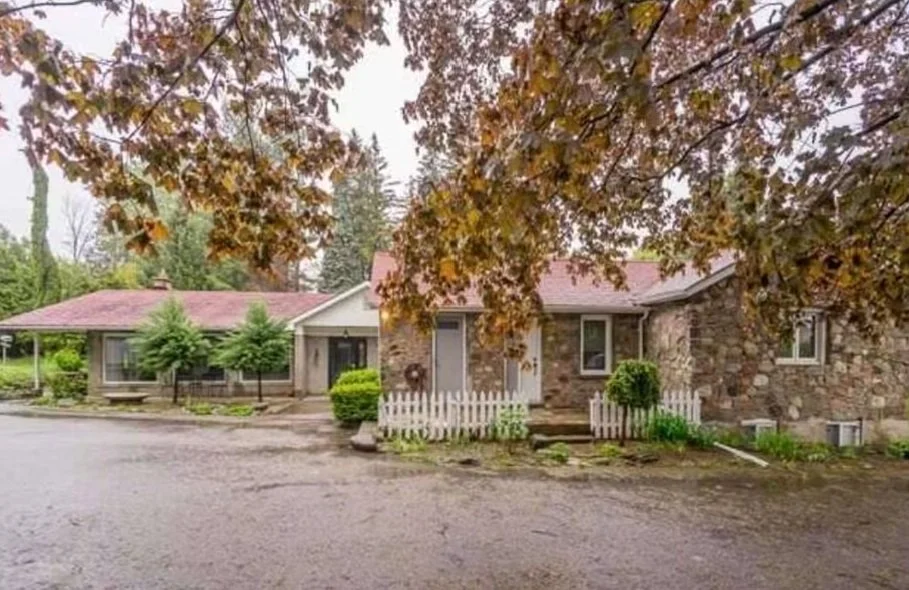
Herstad House on 2nd Line West.
The result was 2nd Line W., a book that began as a family history and evolved into a story about the power of connection, community, and second chances. While writing the book, I expected to learn more about my mother’s life. What I did not expect was to uncover the deeper message she had been quietly living every day. As I reviewed the interviews Julianne had transcribed to print, letters, and memories, a common thread appeared again and again. People did not remember our mother because of what she owned. They did not remember her because of titles, accomplishments, or social status. They remembered her because of how she made them feel.
They remembered kindness.
They remembered acceptance.
They remembered encouragement.
They remembered someone who genuinely cared.
Slowly, I came to understand that my mother’s greatest lesson was not something she taught through words. It was something she demonstrated through actions, her deeds. Her message to the world was simple yet profound: “We are born with an inherent desire, want, and need to connect with and help one another. In doing so, kinship is created, we experience joy and true fulfillment ourselves”. That realization changed how I viewed both our mother’s story and my own life. As human beings, we often spend years pursuing success, recognition, possessions, and achievements. Society frequently measures progress through careers, finances, and status. Yet the stories people shared with us rarely focused on those things. Instead, they focused on relationships. They focused on moments of compassion. They focused on the experience of when someone showed up for another when it mattered most.
Again, and again, I heard stories about encouragement offered during difficult times, acts of generosity that were never forgotten, and simple gestures of kindness that changed someone’s direction in life. Those moments often seemed small at the time, but their impact was obvious. The more interviews we conducted, the more convinced I became that helping others is not merely something we do, it is part of who we are. When we support another person, we do not diminish ourselves. We enrich ourselves. When we offer encouragement, we often receive hope in return. When we help someone through a difficult period, we frequently discover strengths we did not know we possessed. The stories within 2nd Line W. continually pointed back to this truth. The publishing of 2nd Line W. created opportunities I never could have anticipated. One day, someone read the book and reached out to me. They recognized a message woven throughout its pages that resonated deeply with their own mission and values. That connection eventually led to an invitation to speak at an event in Toronto hosted by Empower2Recover.
Empower2Recover non-profit foundation is a movement dedicated to supporting people on their recovery journeys. While many people associate recovery solely with substance use challenges, Empower2Recover embraces a much broader understanding. Recovery can involve mental health struggles, anxiety, depression, grief, trauma, illness, addiction, or any circumstance in which individuals are working to reclaim hope and improve their lives.
As I prepared for that event, I found myself reflecting on the stories I had collected while writing 2nd Line W. The more I thought about them, the more I realized that the message woven throughout those pages aligned perfectly with the mission of Empower2Recover: recovery thrives through connection; healing grows through support, community; hope multiplies when it is shared.
The same principles my mother had quietly demonstrated throughout her life were the principles being embraced by Empower2Recover. Both recognized that human beings are not meant to face life’s challenges alone. For me, it was a profound moment.
It became clear that the lessons I had uncovered while writing my mother’s story were not confined to the past. They were alive and relevant today, in that event room. They were being practiced by people who understood that healing happens most effectively when individuals are supported by community. Shortly after the event, I accepted a role with the national Empower2Recover Foundation as Community Director. The decision felt natural. In many ways, it felt like a continuation of the journey that began decades earlier while living on 2nd Line West.
My mother’s intention had always been to make life better for the people around her and Empower2Recover seeks to do the same. Both are rooted in the belief that people matter. Both recognize that connection changes lives. Both encourage individuals to look beyond themselves and contribute to the well-being of others. Ultimately, the mission is simple: leave the world a little better than you found it. That philosophy guided my mother throughout her life. It inspired the writing of 2nd Line West.
On July 3, 2026, Empower2Recover is coming to Mississauga. It is conducted in a TedTalk format, focused on mental well being. All walks of life are sharing their individual stories from movie producers, business owners to 12-step members. It is an opportunity to break down stigma, build understanding, and celebrate the strength that emerges when people support one another. It is a reminder that every individual has value and that every story matters. Most importantly, it is a celebration of the human capacity to heal, grow, and move forward together.
As I think back to those drives along 2nd Line West with open windows, the scent of hay fields, the horse barns and nature, I realize those memories represent far more than nostalgia. They remind me where a journey began. The story continues to reach new audiences. My sister Julianne and I have signed an agreement with Sunrise Films to bring 2nd Line W. to the screen. One day, audiences will have the opportunity to meet Margie through film, just as readers have through the pages of the book. And perhaps it can all be summed up in a single sentence: “Everyone deserves a second chance on 2nd Line”.
For copies of the book 2nd Line W., please visit: https://tomherstadofficial.com/
For information on the Empower2Recover event in Mississauga on July 3, please visit: www.empower2recover.com