Artist Glimpse: Sandra Bouza
/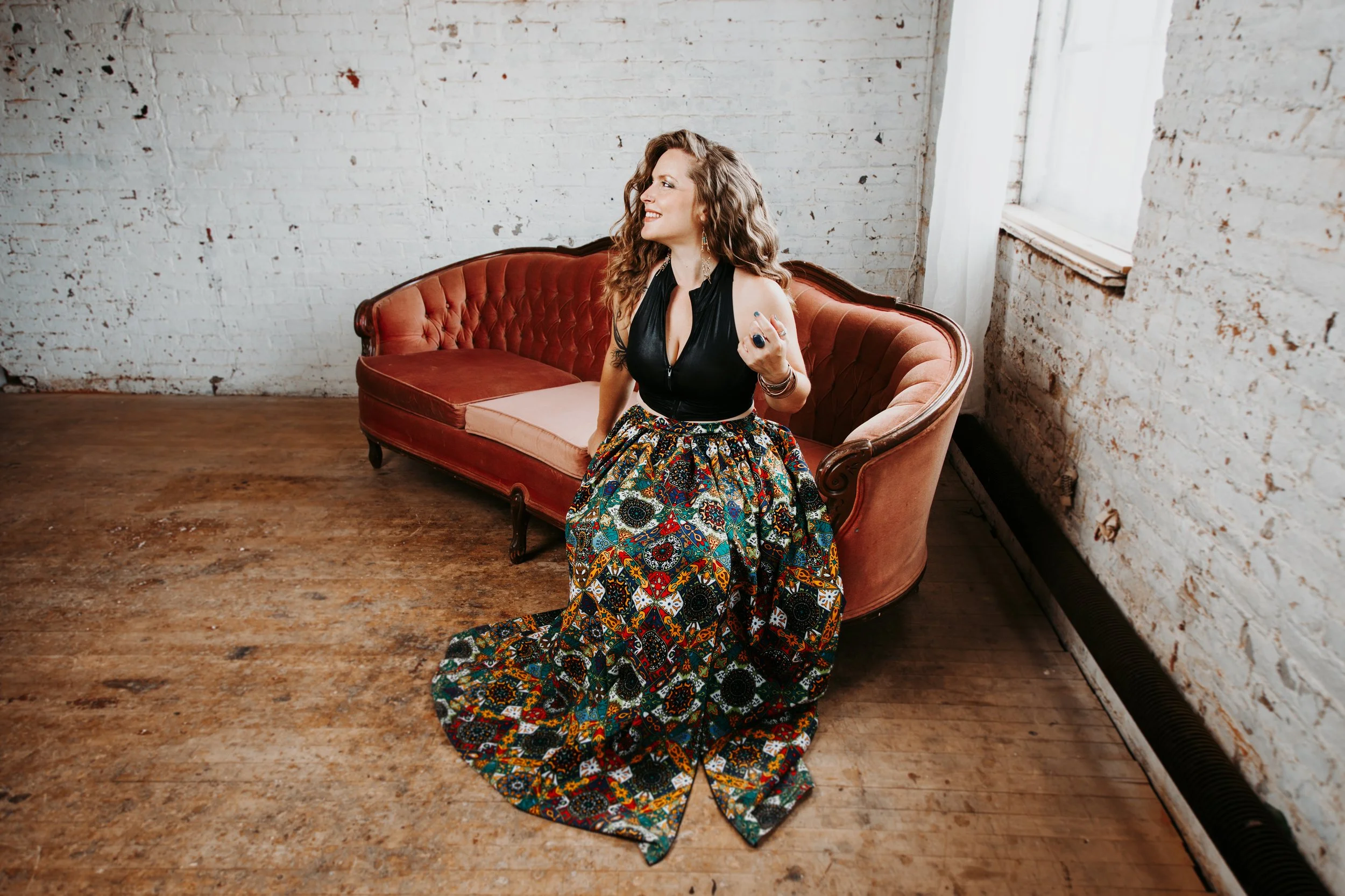
The music that sticks with you longest is born from absolute authenticity. Roots, blues, and soul singer-songwriter Sandra Bouza lays her vulnerabilities bare, creating songs that feel less like mere performance and more like a lifeline. Shaped by a nomadic childhood between Canada and Spain, years of relentless performing, and a personal journey of recovery, her powerful sound shines on her album A Sound in the Dark. We caught up with Sandra to discuss the roots, stagecraft, and honesty behind her craft.
Rob Aguiar: Your childhood was split between Canada and Spain, where you felt like an outsider in both places. How did that sense of being on the fringes shape your relationship with music, and does that perspective still guide your songwriting?
Sandra Bouza: I think growing up with that sort of feeling of not belonging to a place completely, encourages you to observe, and encourages thoughtfulness, which can only lend to the self observation that I believe comes with songwriting. I still feel like a bit of an outsider everywhere I go, which means I still find myself observing places and people and what “fitting in” really means, I suppose that would still inevitably guide my songwriting.
RA: What was supposed to be a short trip to Morocco turned into three years of non-stop, full-time gigging. How did that intense, trial-by-fire environment transform your stamina and confidence as a working musician?
SB: It was huge for me! I’d always felt like an outsider and an imposter without formal music training. But performing tirelessly in Morocco built lasting confidence. I may lack theory, but put me on stage and I can communicate pure emotion comfortably.
Singing six or seven nights a week was a vocal laboratory. Navigating different collaborators was a masterclass in protecting my emotional and spiritual space on stage.
RA: Much of A Sound in the Dark came together during an isolated writing residency on Halls Island. What did that physical space unlock creatively that allowed you to confront your fears and share your truest self?
SB: Halls Island is a magical place, but being alone with my guitar and expectations was enough to unlock creativity. Free from distractions, you face that glaring question: what do I have to offer? I started writing about that question and the connected fears—that I’m not good, skilled, or talented enough.
Once you start a dialogue with yourself about those questions and jump in, the conversation never stops. We’re always changing and growing. I might feel confident today and terrified tomorrow. Examining those shifts from a removed place always leads to creative ideas. The key is removing judgment—and if you can’t, write about that too!
RA: You have spoken openly about your sobriety and moving past the belief that substances were tied to creativity. Was stripping away that safety net intimidating, and how has writing from a place of strength changed your process?
SB: Stripping away the safety net of drugs and alcohol was frightening, especially facing every raw emotion without substances. I was terrified I couldn’t be creative sober—that the substance was creating, not me.
On Halls Island, completely alone, I faced a stark reality: whatever came out would sum up my identity as an artist. I was terrified nothing would come out. Fortunately, I was dead wrong. It was an incredibly fruitful, satisfying, and rewarding experience. It strengthened my process by proving that it’s actually me—my ability, experiences, and skill—creating the art.
RA: Tracks like "Good Vibrations" and "The Bottle" lean into raw human emotions. When writing about deep personal vulnerabilities, how do you balance protecting your peace with being completely open for the listener?
SB: That’s a good question, I remember reading about Kris Kristofferson telling Joni Mitchell to save something for herself after listening to the album ‘Blue’. I think there is a bit of a character that you create when you are performing. I don’t think I actually protect my peace enough sometimes. That has gotten easier as I get older, but sometimes I feel kind of a responsibility or obligation as an artist to be open about what I write, and I think I need to get better at not feeling the need to share all of me.
RA: You have a remarkable ability to completely command a room during live shows. When on stage sharing these soul-baring tracks, what is going through your mind to maintain that poise and connection?
SB: It varies, but when I’m at my best and commanding the room, I’m fully sinking into the song. I enjoy the visceral pleasure of singing, sound moving through my body, and connecting to the lyrics—I never write or cover songs that don't mean something to me.
When I focus on the music rather than obsessing over the audience size or if I’m good enough, the song resonates more deeply. That communicates a raw emotional connection. Stage performance is an energy exchange; receiving that focus back refuels you. That’s why playing to an empty room is so exhausting—there’s no energy coming back.
RA: Looking ahead at this next chapter, what are three personal or professional goals you are striving toward as an artist and as a human being?
SB: I’m working on a stripped-down acoustic album—a personal and professional goal. Connecting to music started with acoustic guitar, so this feels like returning to my roots. It’s intimidating; without a band, there's nothing to hide behind!
I’m pushing to co-write more. Historically, imposter syndrome made me chicken out. Tapes in my head tell me I’ll be the weak link with nothing to contribute, but I’m working through that fear.
I wish I could master time management. As an independent artist, unpaid labor hopefully yields future opportunities. Balancing roles as social media manager, agent, PR, and admin alongside creating art and refueling is tough. Finding that balance is a major goal.
Sandra Bouza’s willingness to display raw honesty makes independent music vital and healing. By confronting her own shadows, she creates room for listeners to do the same, proving that strength lies in vulnerability. As she brings her powerhouse vocals and uncompromising storytelling to live stages, her journey remains one to watch.