Our Life with Flowers in Mississauga
/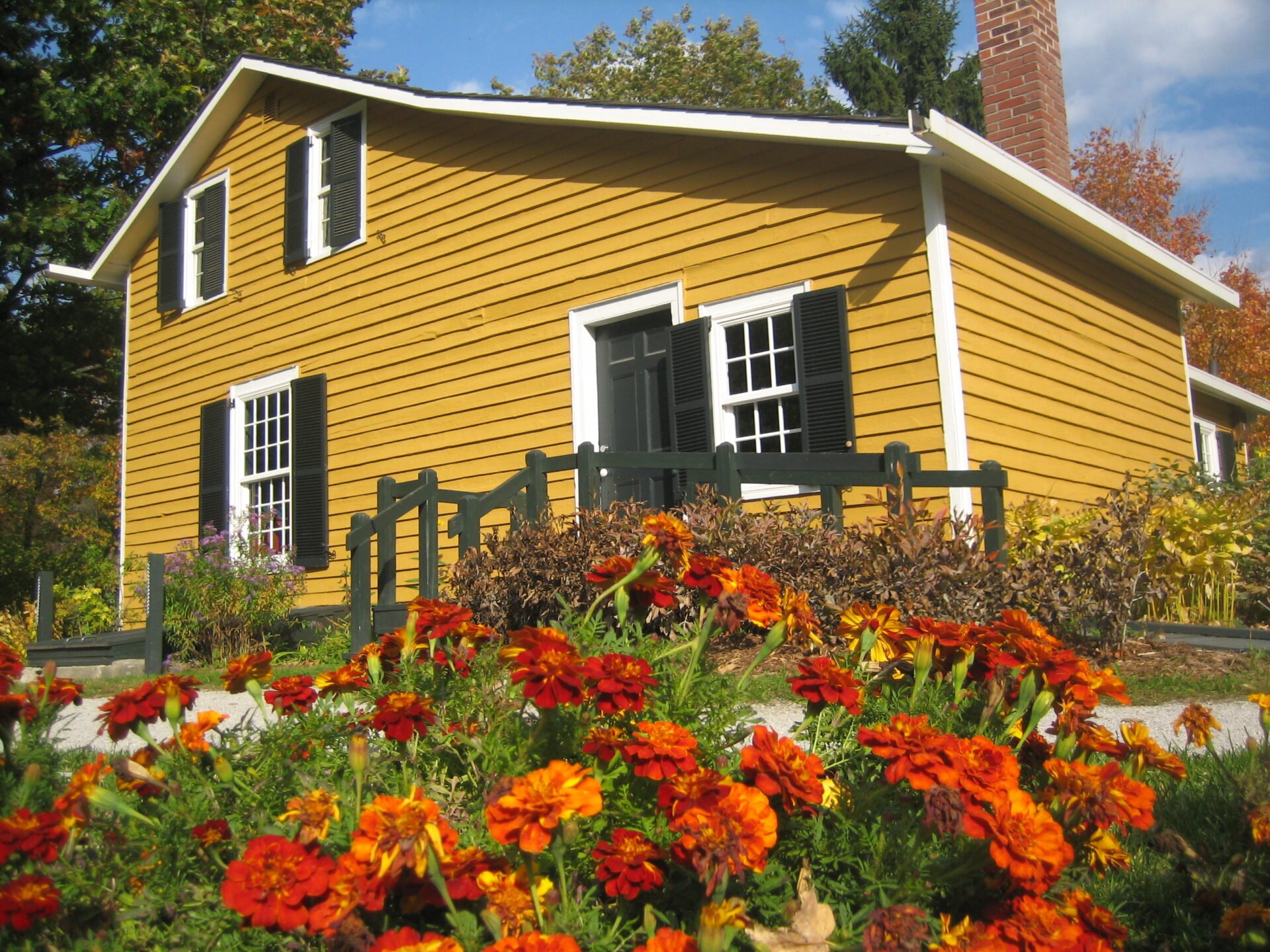
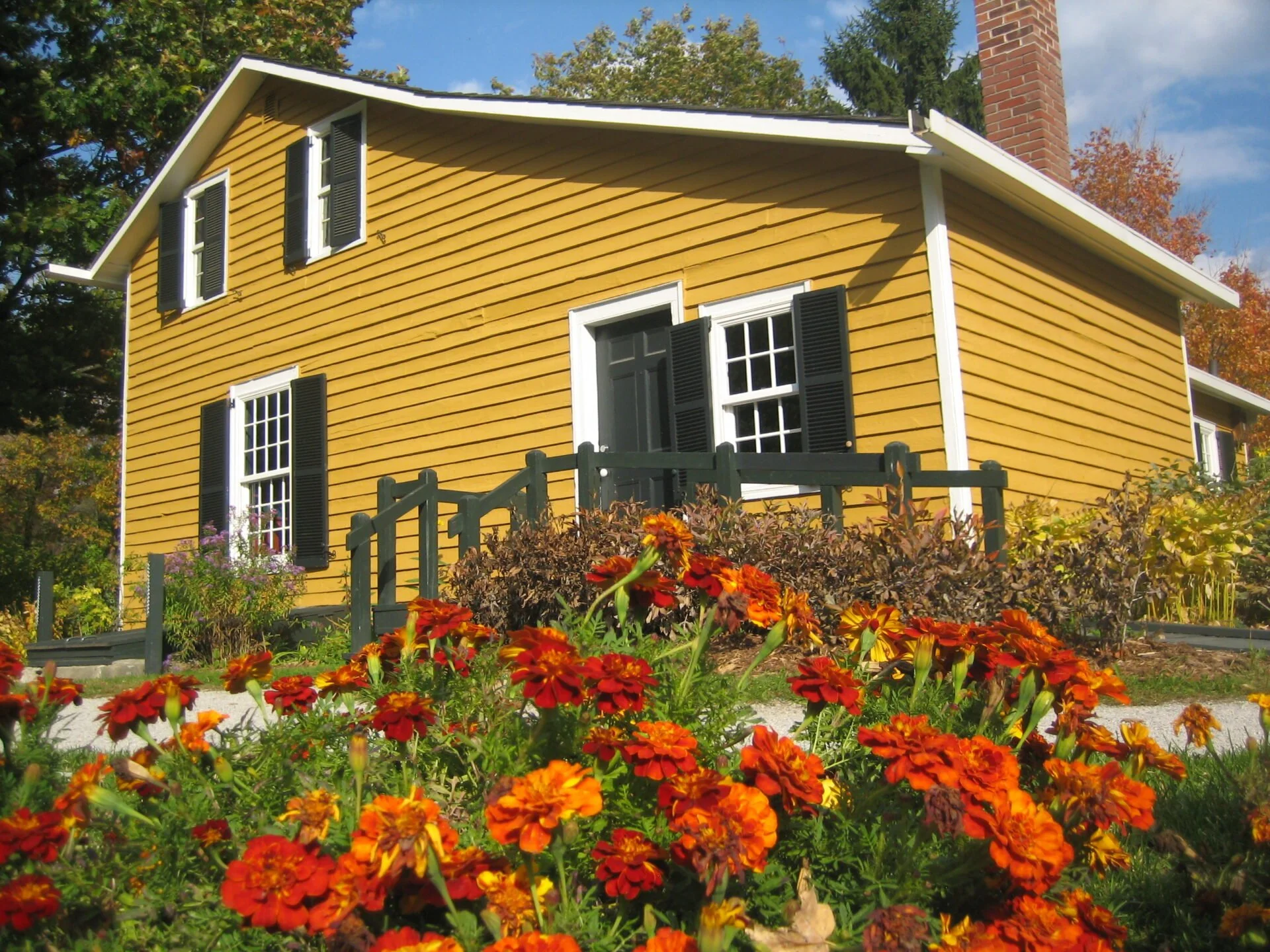
Bradley Museum and Garden.
It is hard to image our world without flowers. Their visual beauty and aesthetic perfection would be impossible to replace. Not to mention the role flowers play in sustaining life on earth. Flowers are responsible for attracting much needed insect pollinators, like bees and butterflies, using bright colors, scents, and electrical signals. These insects in turn deliver pollen, to receptive flowering crop plants, while they search for food. Crop plants such as fruit crops, nuts and vegetables to name a few, on which the world’s food supply chain relies.
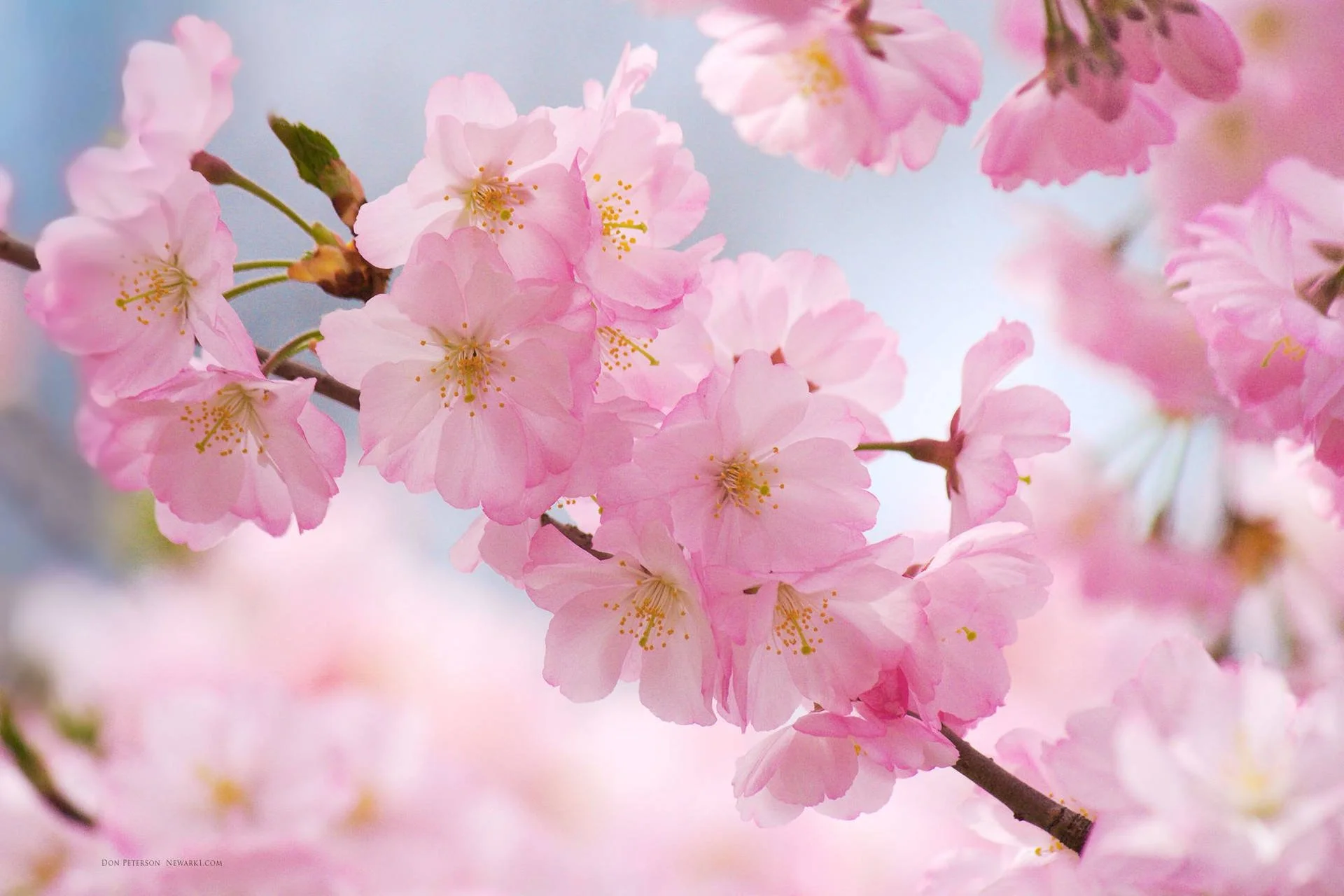
Cherry Blossom.
The connection between people and flowers goes back thousands of years. The ancient Egyptians used lotus flowers as a symbol of rebirth and spiritual growth, in their temples and at burials. This stunning flower takes root in thick muddy water yet remains spotless as it grows. Over time as societies changed the cultural significance of flowers grew. This led to the establishment of rich floral traditions, which in turn had an impact on religious beliefs, customs and art.
This impact can be seen today in people from all cultures who live in Canada. Flowers can help everyone share their emotions and keep their cultural traditions alive. For example, marigolds are used to celebrate Diwali, “The Festival of lights”, while cherry blossoms are celebrated in Japanese-Canadian communities. The peony, known as “the king of flowers”, is featured in Chinese New Year and wedding celebrations.
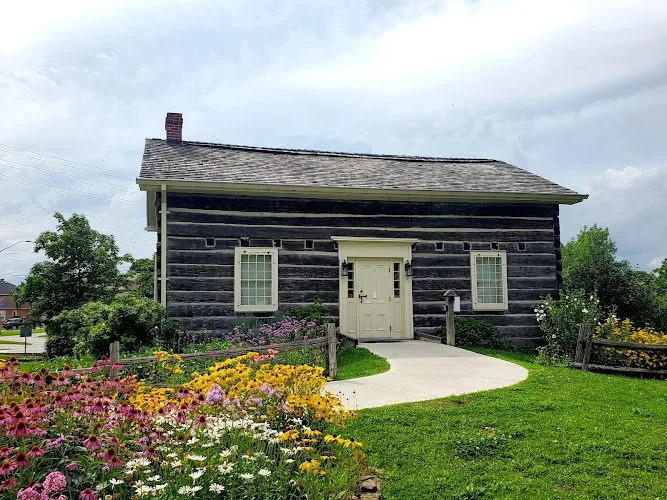
Leslie Log House and Gardens.
Indigenous Canadians incorporate flowers into celebrations of life’s spiritual ceremonies, and community feasts. Rather than viewing flowers merely as temporary decorations, Indigenous peoples recognized them as “plant beings” that offer medicine, wisdom, and a direct spiritual connection (sage) to the land. The “Flower Moon” celebrations take place in May, among Anishinaabe and other First Nations cultures. It focuses on the return of vibrant blooms and the healing energy of nature.
Remembrance Day is a day of observance nationwide and is rooted in Canada’s history. It began at the end of the First World War and marks the 11th hour on November 11. The red poppy is a well-known symbol on Remembrance Day, largely through the poem “In Flanders Fields” from Canadian physician Lieutenant-Colonel John McCrae. Though not the oldest cenotaph or war memorial built to honour and remember those who died in that war, the Port Credit War Memorial (Cenotaph) in Vimy Park on Stavebank Road celebrated its 100th Anniversary in 2025. During Remembrance Day, at the Port Credit Cenotaph and other cenotaphs in Mississauga and around the world, wreaths of poppies are laid in remembrance of the fallen. The poppy, as the flower of Remembrance, is also worn by people as a sign of reflection, remembrance and respect.

Marigold.
Following the devastation of the First World War, communities across Ontario looked to nature for emotional healing. Gardening and floriculture were widely promoted, to renew a sense of beauty and normality. As wartime restrictions eased, a brief period of economic recovery arrived in the 1920s, and with the support and encouragement of local leaders, community interest in flowers and memberships in horticultural groups rose rapidly. “Parlor Gardens” flourished in the expanding suburbs, as space at the front of homes became a “social status symbol”, through vibrant displays of tulips, daffodils and irises. The City of Mississauga, then known as Toronto Township, benefited greatly from its proximity to Brampton, which was known as the “Flower Town of Canada”, and was home to the famed Dale nursery, which became one of the Canada’s leading fresh flower producers and one of the largest employers in Brampton. Locally, the Streetsville Horticultural Society was originally founded in 1914 and operated until 1954. It was re-established in 1972 and continues today.
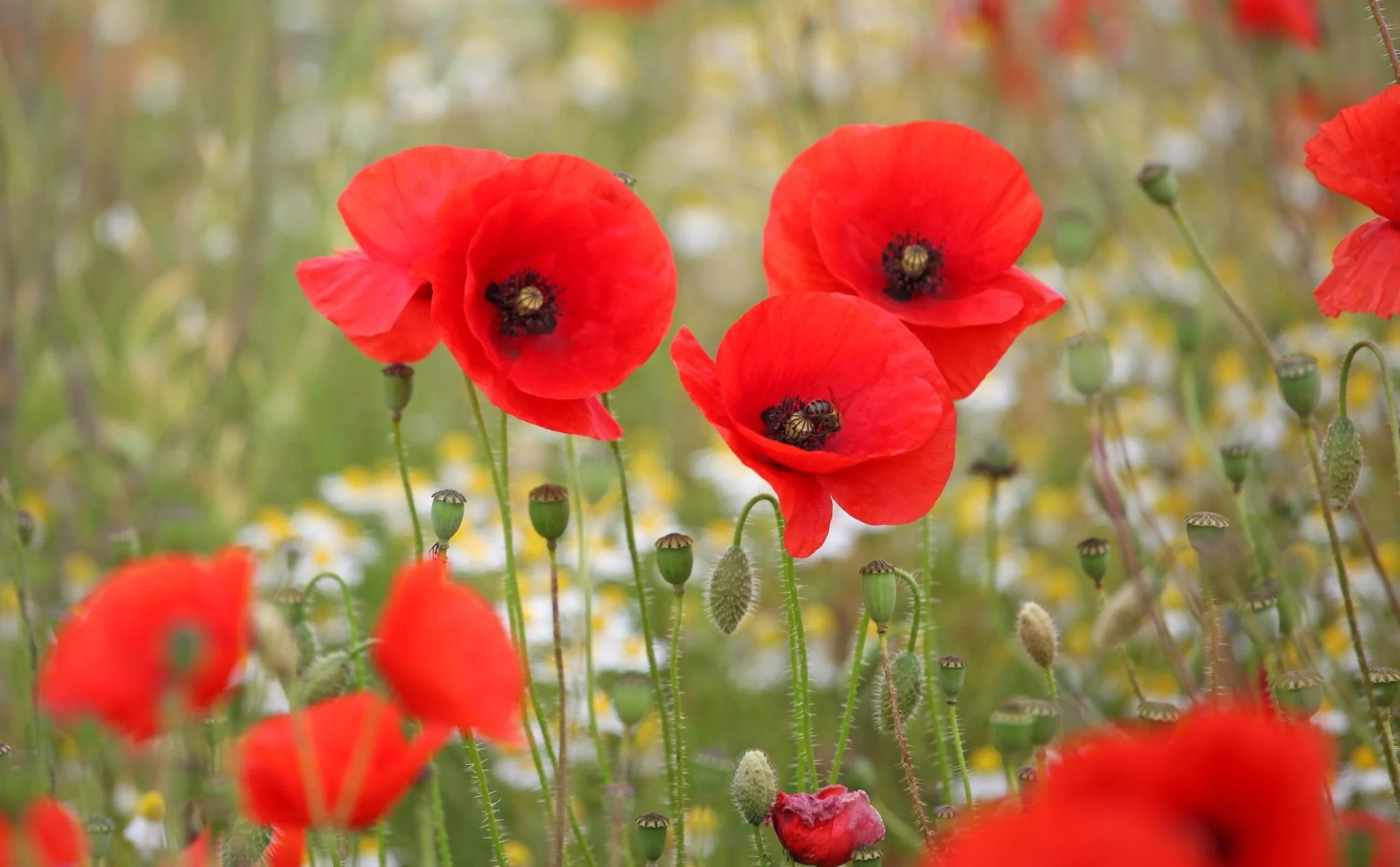
Poppy.
Clarkson, one of the oldest settled areas of historic Mississauga, and the vistas offered by the Credit River Valley, provided a scenic gateway for wealthy families from Toronto to establish their summer estates beginning largely in the 1920s. As grand summer estates were built, many hired professional landscape architects to design formal gardens, rockeries and sunken lawns suited to social events. Garden Parties were the height of summer socializing and included games like croquet and lawn bowling. As a carry over after the First World War, women’s fashion often featured longer dresses with delicate floral designs patterns. Four treasured heritage buildings in our city that you can visit today, the Bradley Museum, Benares Historic House, The Grange and the Leslie Log House, each offer a glimpse into the past and, by extension, how flowers and gardens are part of what makes these places beloved landmarks today.
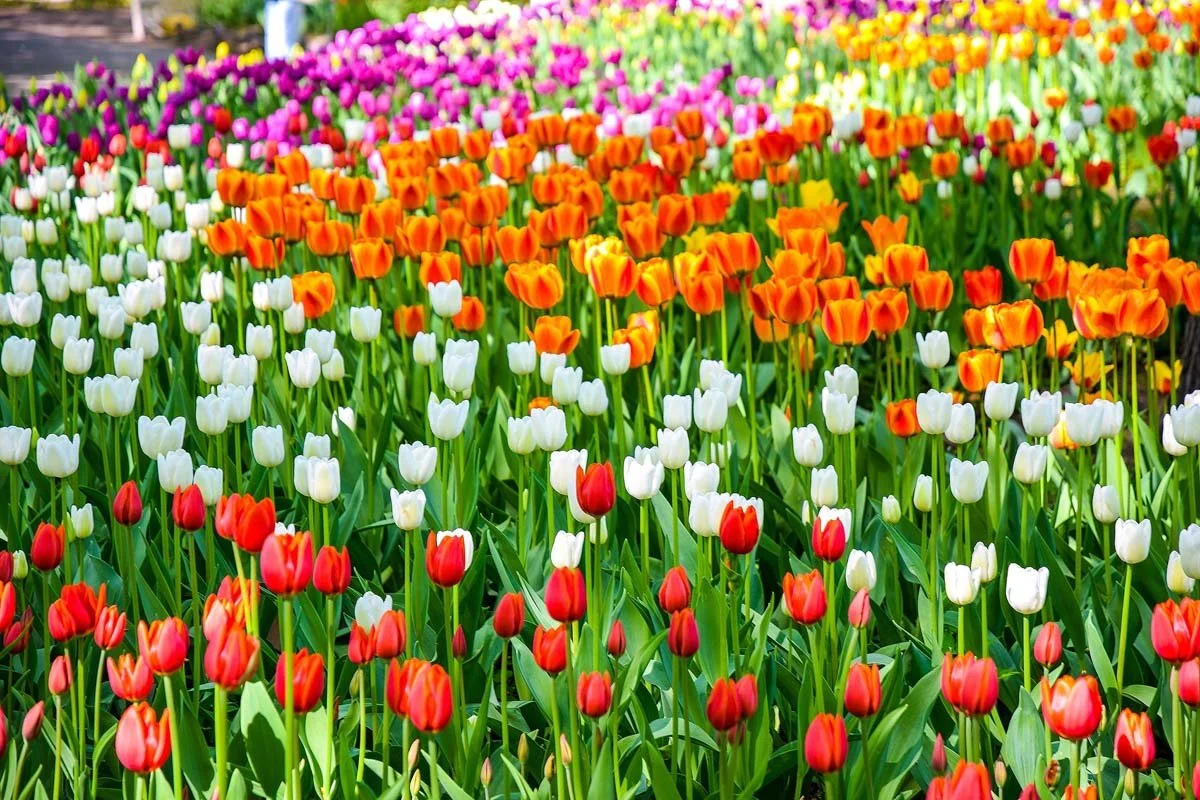
Tulips.