Artist Glimpse: Joelle Rose
/
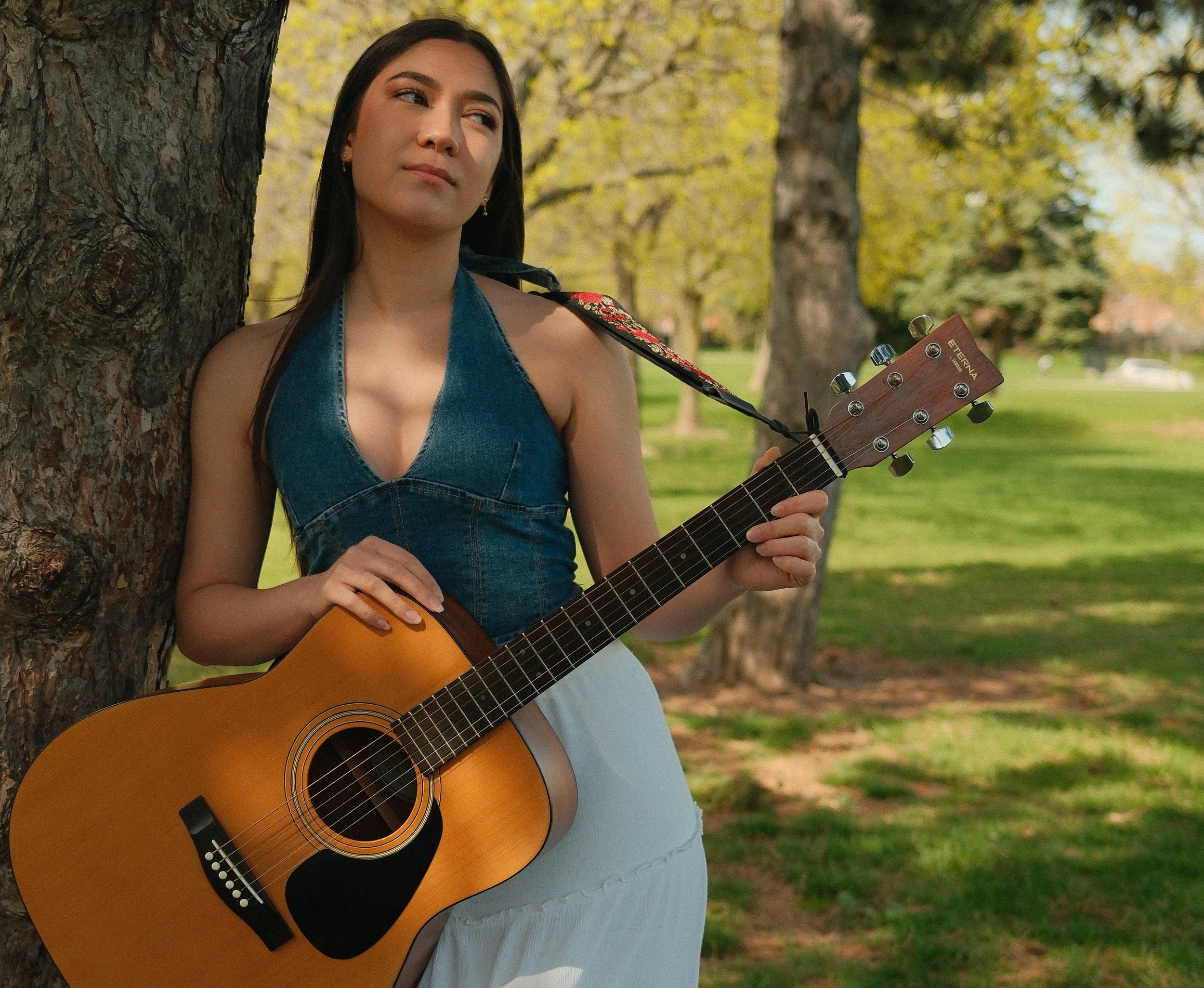
PC: Anton C
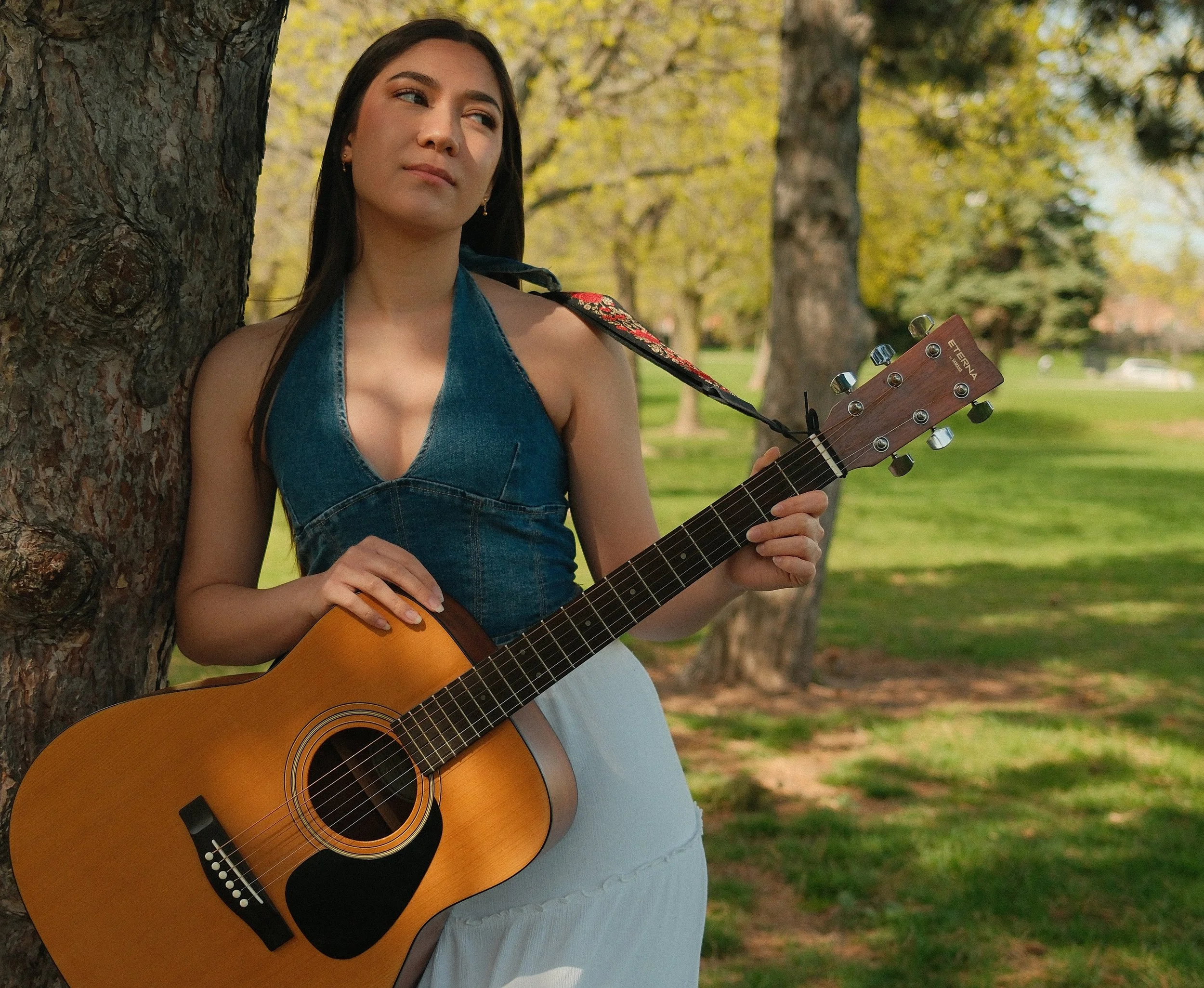
There is a full-circle poetry to Joelle Rose’s music career. Raised in Mississauga’s arts scene—from the Mississauga Children’s Choir to Cawthra Park’s Regional Arts Program—her musical roots run deep locally. When her tender ballad “Birdhouse” won 2025 Sauga’s Song of the Year, it felt like the city embracing its own. Built on delicate harmonies and an exploration of platonic love, her music captures the safety of chosen family. I sat down with Joelle to discuss her process, collaborations, and community through song.
Rob Aguiar: “If family’s a tree, you’re a birdhouse.” That line from your winning single captures the beauty of platonic love. When you and co-composer Miles Rawlin wrote the track, did you realize it would resonate so deeply with the community?
Joelle Rose: That’s a beautiful question! Writing the song was a really joyful experience, and it came together very quickly. It felt like the love I have for the platonic relationships in my life had manifested into lyrical and melodic ideas. When Miles added a beautiful guitar part that fit perfectly with what I had written, it became one of my favourite projects so far. But I definitely didn’t anticipate that the song would resonate on a community level until we started sharing it with people around us.
Once our friends and family heard it, people started requesting that we play it at birthdays, camping trips, and Christmas parties. People in our circle even started using the lyrics to express appreciation for their friendships, saying “you’re my birdhouse”. Those experiences made me realize that I could write music people see themselves in, leading me to enter “Birdhouse” for the Song of the Year contest.
The support of the city and reception of the song have been beyond anything I could have dreamed. It inspires me to keep writing things that resonate with people.
RA: At your Folk Music Ontario showcase, you performed with Brandon Ruch and Rafael Callejas. What is it like translating intimate stories into a collaborative live band setup?
JR: The contrast between writing a personal song alone—feeling like a confession—and watching it bring people together is what makes songwriting such a beautiful experience for me. It’s personal and introspective, but at the same time, it connects us in a really unique way.
The showcase you mentioned is a lovely example of that. I met Brandon and Raf the day before my performance during a jam at the conference. I showed them some of my music, and everything clicked, despite it being their first time hearing the songs. It was such a magical moment that I asked them to perform with me, and they joined me onstage the very next day. I’m still collaborating musically with both of them, which is really special to me. This year, I’m grateful to be returning to Folk Canada as one of eight Canadian artists selected for the Developing Artist Program. Brandon is actually joining me again as guitarist, making the experience feel even more full-circle!
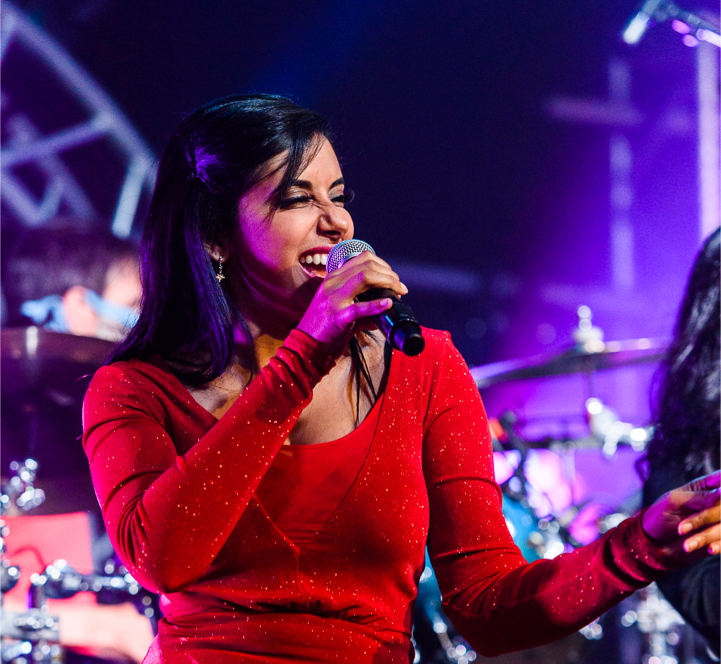
RA: You’ve also joined the rock fusion band AKILA & The Wonder Machine. How does that high-energy setting feed your creativity compared to solo storytelling?
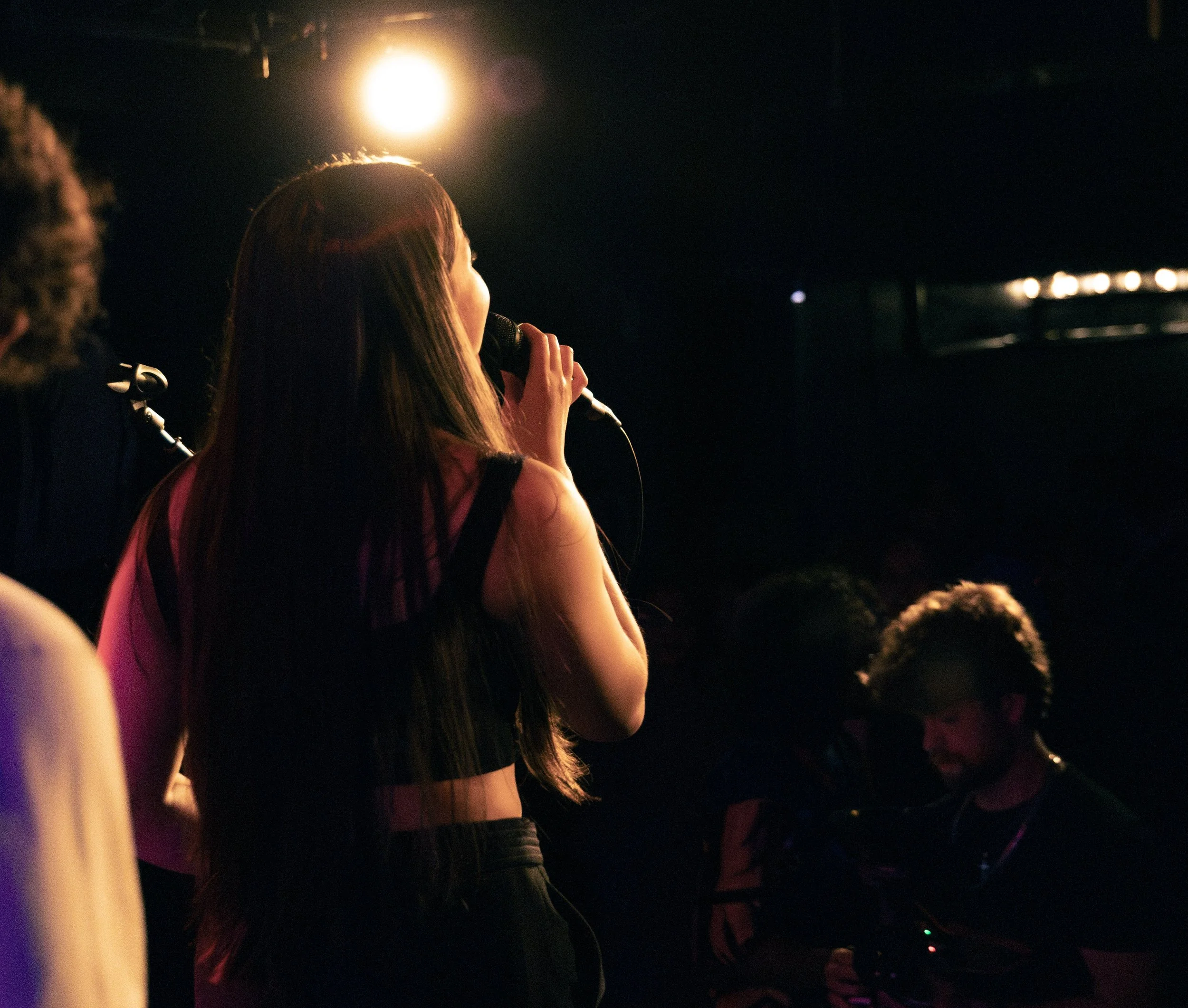
JR: Being a supporting vocalist for a rock-leaning band was not something I planned to do as a singer-songwriter, but it has been an incredible experience that makes me a stronger musician. I’ve never liked to say my original music fits into any one genre—I try to lean into what inspires me rather than focusing on sounding a specific way. Experimenting in a rock setting has encouraged me to be more adventurous in my own writing and arrangements. Being surrounded by musicians who approach music differently has also expanded my ideas and pushed me creatively in an exciting way.
Beyond how it shapes my sound as a solo artist, I love being part of the Wonder Machine team. I recently went on tour with the band, and Akila, our frontman, added my original song “Sweet Music” to our setlist. He is always uplifting us and creating opportunities for everyone to shine, and taking the lead on my own song while the band backs me up is really special. We had so much fun playing it on tour, and I can’t wait for people to hear what we do with the recorded version!
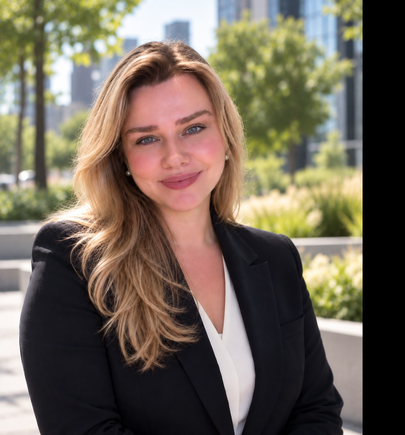
PC: Vashti Anne Sinton
RA: You’re balancing music with a Master’s in Speech-Language Pathology at U of T. Do your studies into speech and voice influence how you think about vocal performance?
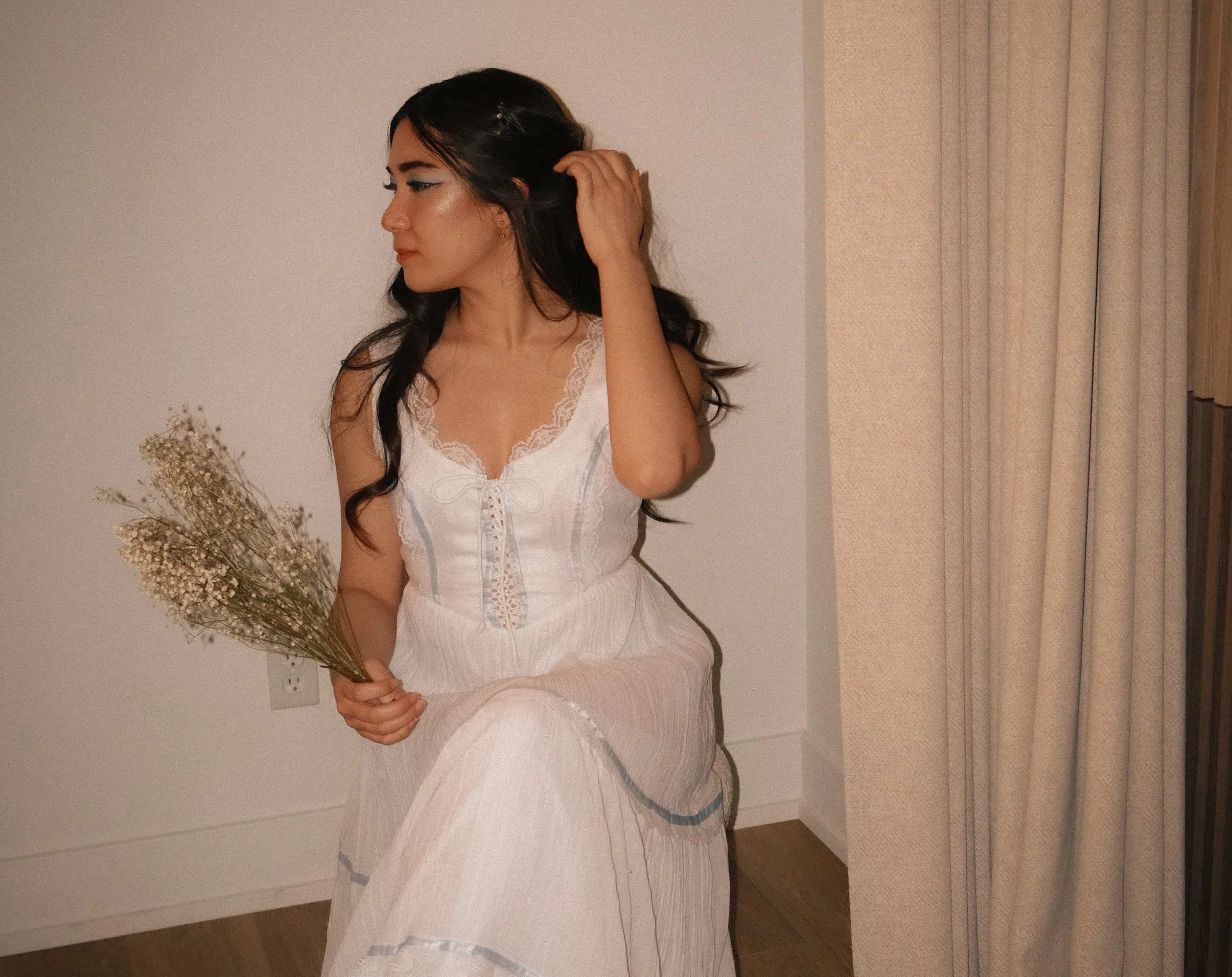
JR: Absolutely—I feel that my background in music has strengthened my skills in speech-language pathology, and vice versa. One of the most rewarding parts of SLP is helping others to communicate and find their voice. Everyone deserves to have their voice and story heard. In my eyes, music and speech pathology share fundamental values of self-expression and communication. It feels like a great privilege to be pursuing two careers that both support the sharing of stories and human connection.
Music and healthcare are both essential and both so healing, just in different ways.
PC: Vashti Anne Sinton
RA: Following your award-winning debut, what’s next for your discography?
JR: I have really taken my time after “Birdhouse”; winning that contest gave me the push I needed to start taking my art seriously, propelling me to immerse myself in my music and create something I was proud of. After more than a year, I am so happy to announce that I will be releasing my next single, “Paper Boats”, this November.
The chorus is actually borrowed from the first full song I ever wrote at age twelve, but I rewrote all of the verses, so in a way, I co-wrote it with my younger self. It feels very fitting, because the song is about connecting with all the versions of ourselves that we’ve been. It makes me think about how I am still carrying the four-year-old version of me who took her first piano lesson, or the eleven-year-old who sang her first solo onstage.
Younger me always hoped her music would be heard, so this next song is for her.
Whether fronting a rock outfit or holding a room still with an acoustic guitar, Joelle Rose proves music excels as a vessel for connection. As she balances science and art, she continues writing songs that make listeners feel seen—waiting for the moment an audience sings them back to her.