Heritage Mississauga's "The Credits" and the Regency Era in Mississauga
/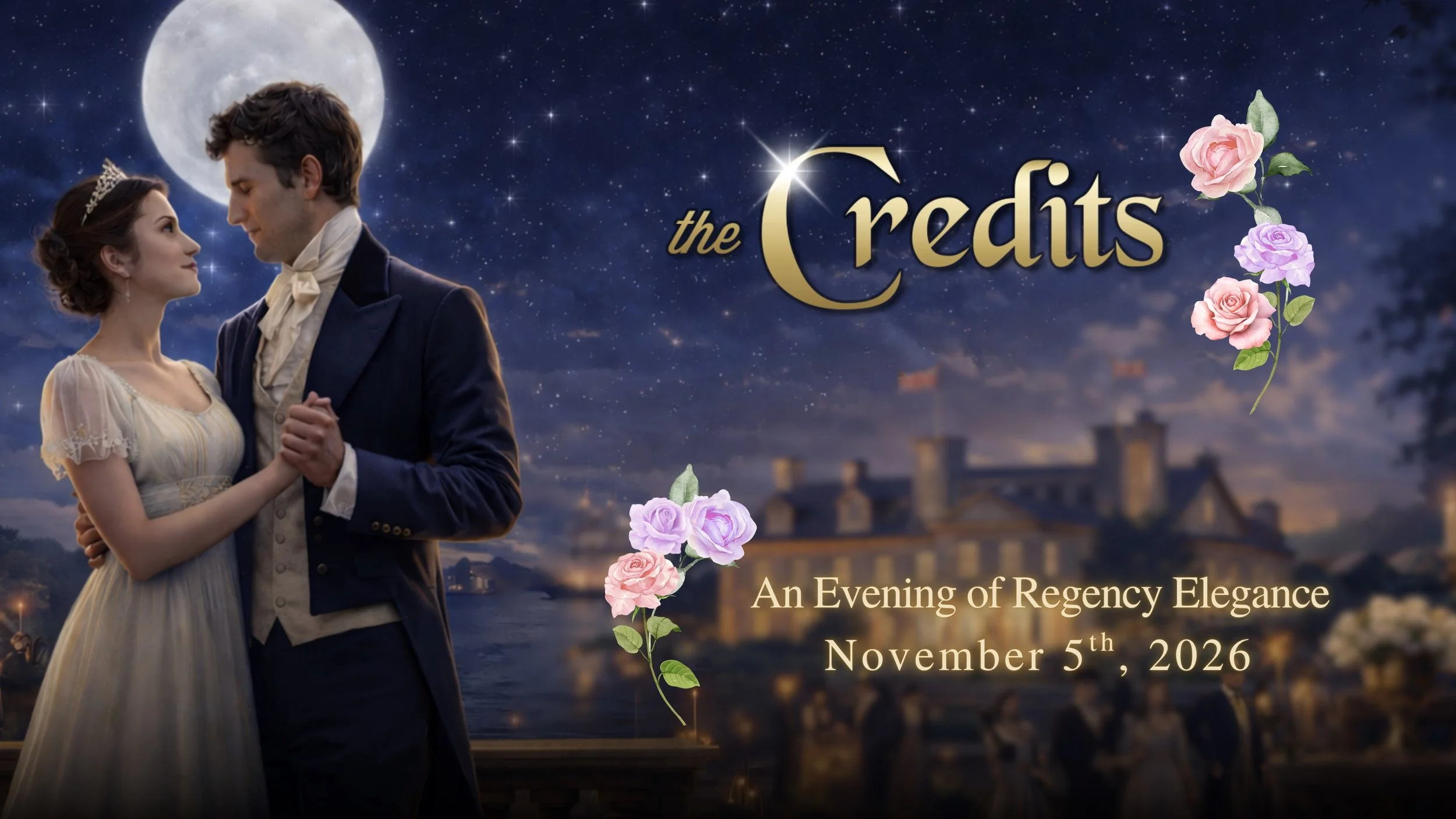
Heritage Mississauga’s annual awards gala, The Credits, takes place on Thursday, November 5. The theme for this year’s gala is the Regency Era. Think of Jane Austen, William Blake, Mary Shelley, Lord Byron and Bridgerton. The thought also conjures up images of grand balls, flowing dresses, excesses and indulgences, and nostalgic world of grand sweeping estates, candlelit ballrooms, handwritten invitations, whispered intrigue, and moonlit promenades, all inspired by the refinement, romance, and social spectacle of the Regency era. The Regency era, which roughly covers from 1795-1837, also included the War of 1812, Napoleon, Wellington and Waterloo.
The Regency Era takes its specific reference from George IV, who served as Prince Regent for his ailing father from 1811-1820. George IV was known for his lavish and indulgent lifestyle, his generous spending, and exuberant and colourful nature. During his lifetime, first as Prince Regent, and then as monarch from 1820-1830, he left Britain in massive debt, but also led a flourishing period in the arts, literature and architecture. George IV’s mother, Queen Charlotte, was also influential during the Regency period as a patron of new forms of leisure, style, fashion and taste.
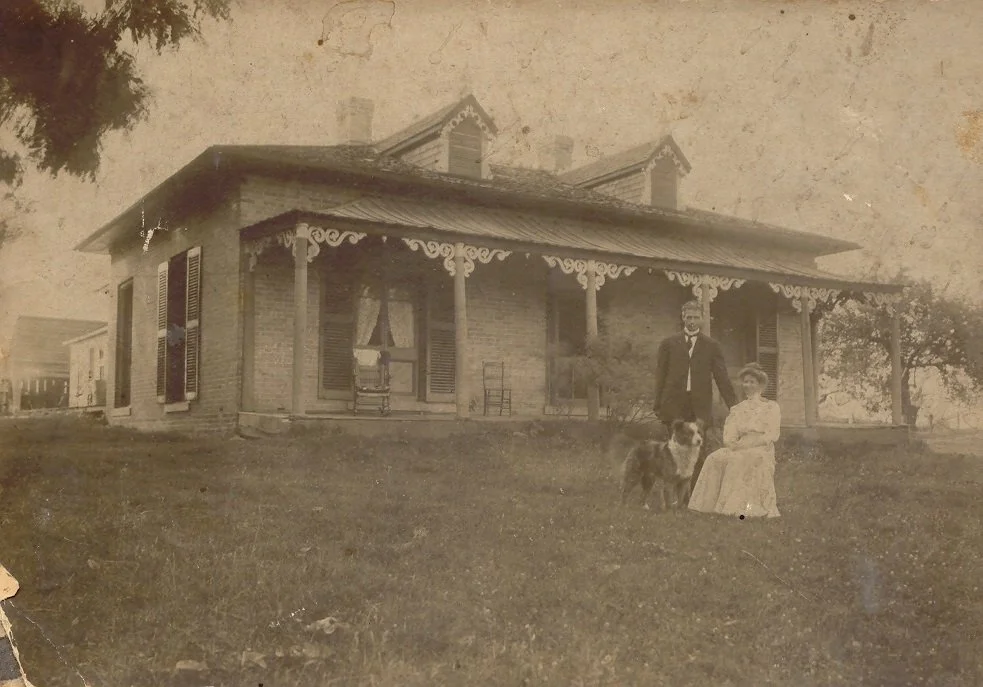
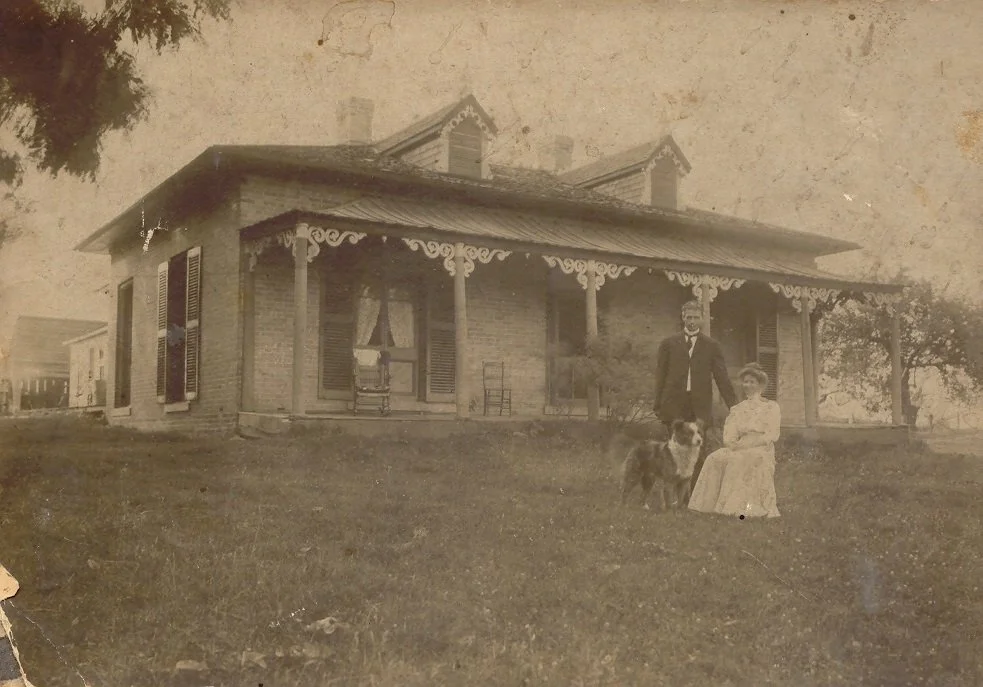
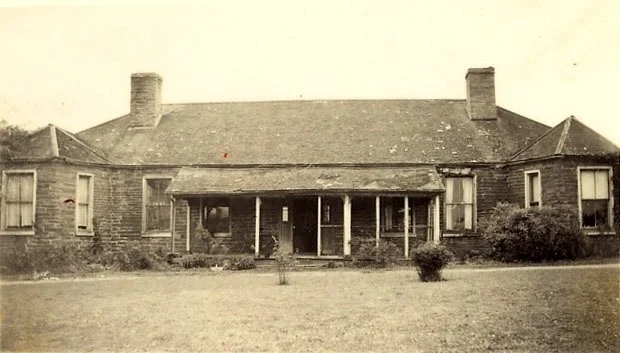
Oliphant-Dunn House, circa 1910.
The Regency period in Canada, particularly in Upper Canada (Ontario), was marked by the emergence of the Regency architectural style, the emergence of British-influenced fashion and the adaption of European cultural trends to fit within the Canadian landscape and climate. It also saw the rise of what was referred to as the “dandy” class, which placed high importance on personal aesthetics and hobbies, as an evolving upper middle class found more time for leisure and personal pursuits – albeit often without the financial resources to accommodate changing desires and interests. Many stories are told of established families, in trying to meet evolving social demands, going into extensive debt while trying to project an image of nobility and modern style.
In the 1820s it was somewhat common for established families, such as the Adamsons and Jarvises, to travel to England for education or business interests, and several stories recount the purchase of fashion items for their return to Canada. Undoubtedly on their travels, they were exposed to, and possibly partook in, elements of the Regency world overseas. Undoubtedly, they brought ideas influenced by Regency trends back to Canada with them. At the same time, a large array of Regency era literature was becoming popular and spreading through the British Empire. Early authors who were influenced by the Regency Era and whose writings about life in Canada played an important role in shaping and illustrating the emerging Canadian identity include Eliza Cushing, Susanna Moodie, Catharine Parr Traill, and John Richardson. A noted Regency Era author, poet and politician, Sir Richard Brinsley Sheridan, still finds his name remembered on the Mississauga landscape today.
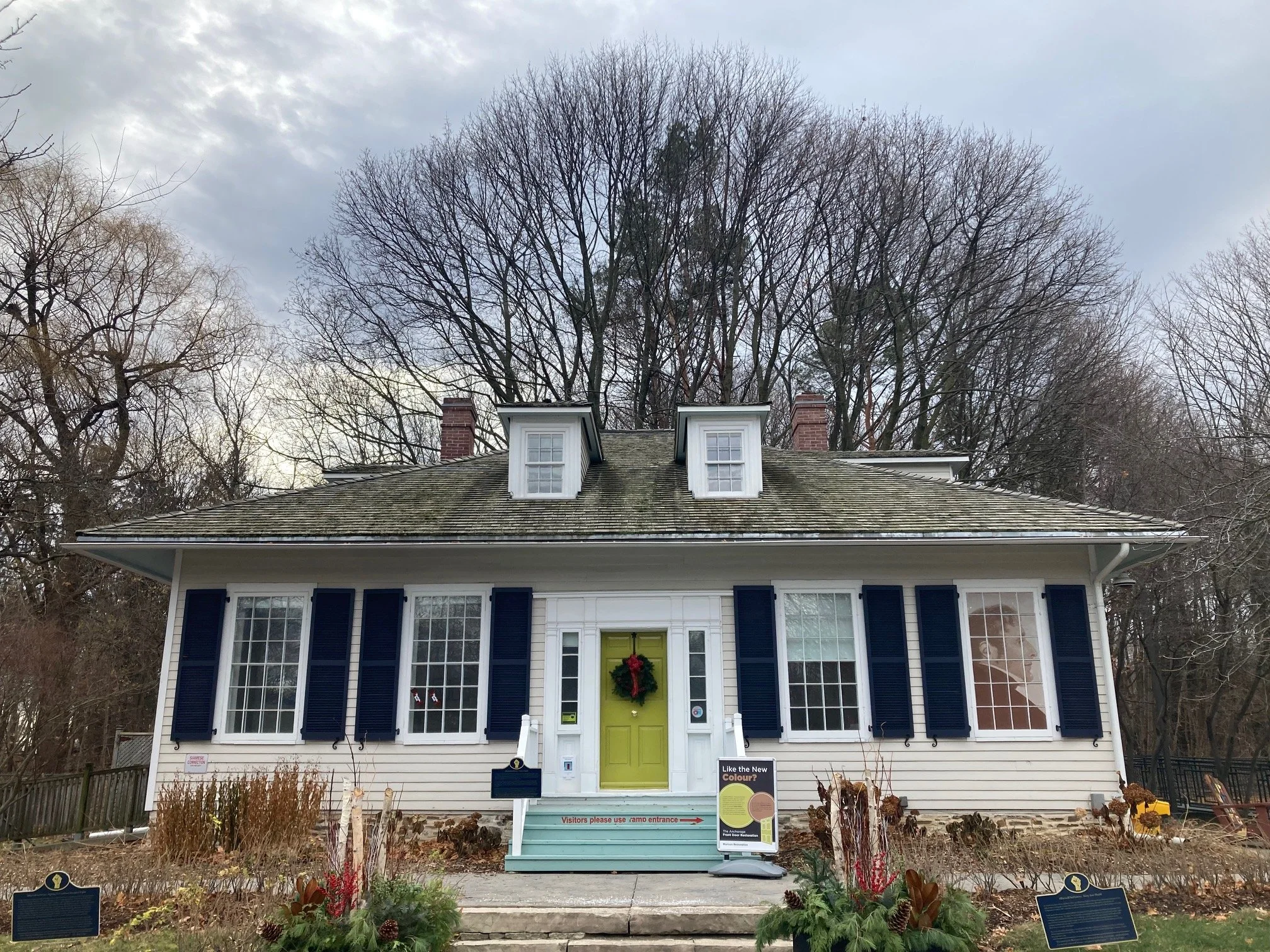
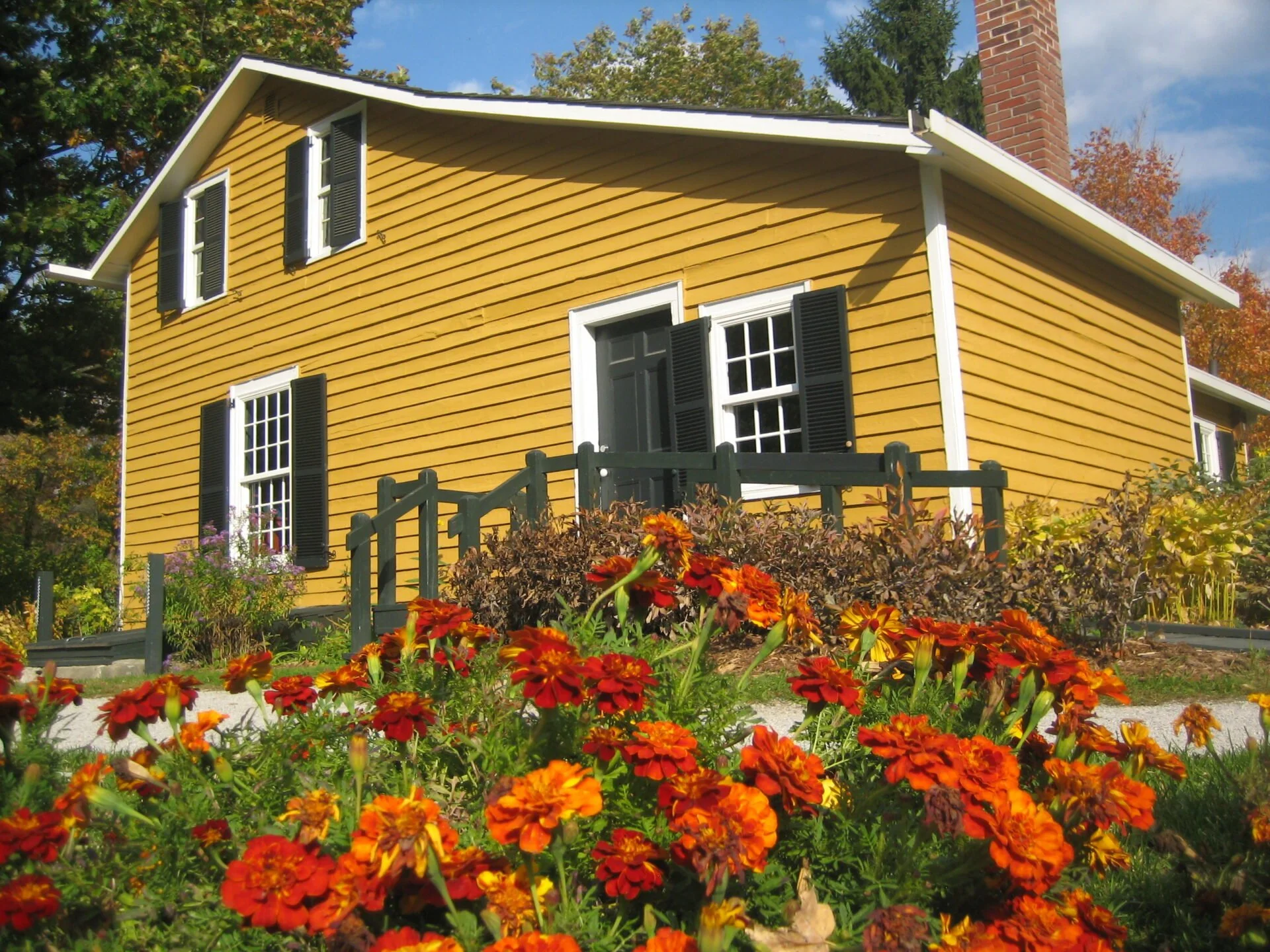
The Anchorage, Museums of Mississauga.
We can also reflect on a time that must have been a story of contrasts as the Regency Era was often at odds to fit within the Canadian context. Early British colonial administrators, such as Sir Peregrine Maitland, Sir John Colborne, and Sir Francis Bond Head, found themselves in challenging positions adapting to the social and political landscape that included Indigenous peoples, an influx of American-born settlers, and difficulty maintaining Regency Era social formalities and political protocols in the colonial world.

The Grange.
Here in Mississauga, some treasured heritage landmarks recall the Regency Era, including The Grange (circa 1828) and The Anchorage (circa 1830). Both surviving buildings are reflective of the Regency architectural style. There were several other Regency-style houses in historic Mississauga that no longer survive, including the Oliphant-Dunn House near Erindale. Many of the builders of Regency buildings here in Canada were retired military men, or families with political connections and wealth in Upper Canada. The architectural style reflected a privileged way of life. Regency buildings were often situated for the best possible view and visual effect – to see and to be seen.
Toronto House - Thorne Lodge, circa 1920.
Individuals such as Sir John Beverley Robinson, Sir Peter Adamson, Joseph Cawthra, Reverend James Magrath, Commander John Skynner, Frederick Starr Jarvis, the Thompson family, and many more, found their way to historic Mississauga, bringing with them strong ties to the social order, traditions and styles of the Regency Era. At the same they adopted and adapted Regency social decorum and architectural styles as they fit within the colonial landscape of Upper Canada at the time. Grand estates, such Devon House, Government House, Hazelburn Hall, Moss Park and Yeadon Hall in nearby York (Toronto), and Toronto House (Thorne Lodge) here in historic Mississauga, reflected the elegance and social status of their owners during the Regency Era in the Canadian context.
Please contact Heritage Mississauga for more information about our annual awards Gala, The Credits, which takes place on November 5. It promises to be an evening where the true “diamonds” of our community take centre stage.