Artist Glimpse: Natalie Muzos
/Natalie Muzos’ sound feels like smoky, sultry wine—rich, intimate, and unfiltered. While now a Toronto fixture, her journey is deeply rooted in the GTA, with early milestones including appearances on Mississauga daytime television. After years in bands and duos, Muzos has entered a fearless solo chapter. Drawing on the soulful grit of Amy Winehouse and the intensity of Jessie Murph, she inhabits the late-night spaces between heartbreak and healing, delivered with a raw, unapologetic honesty.
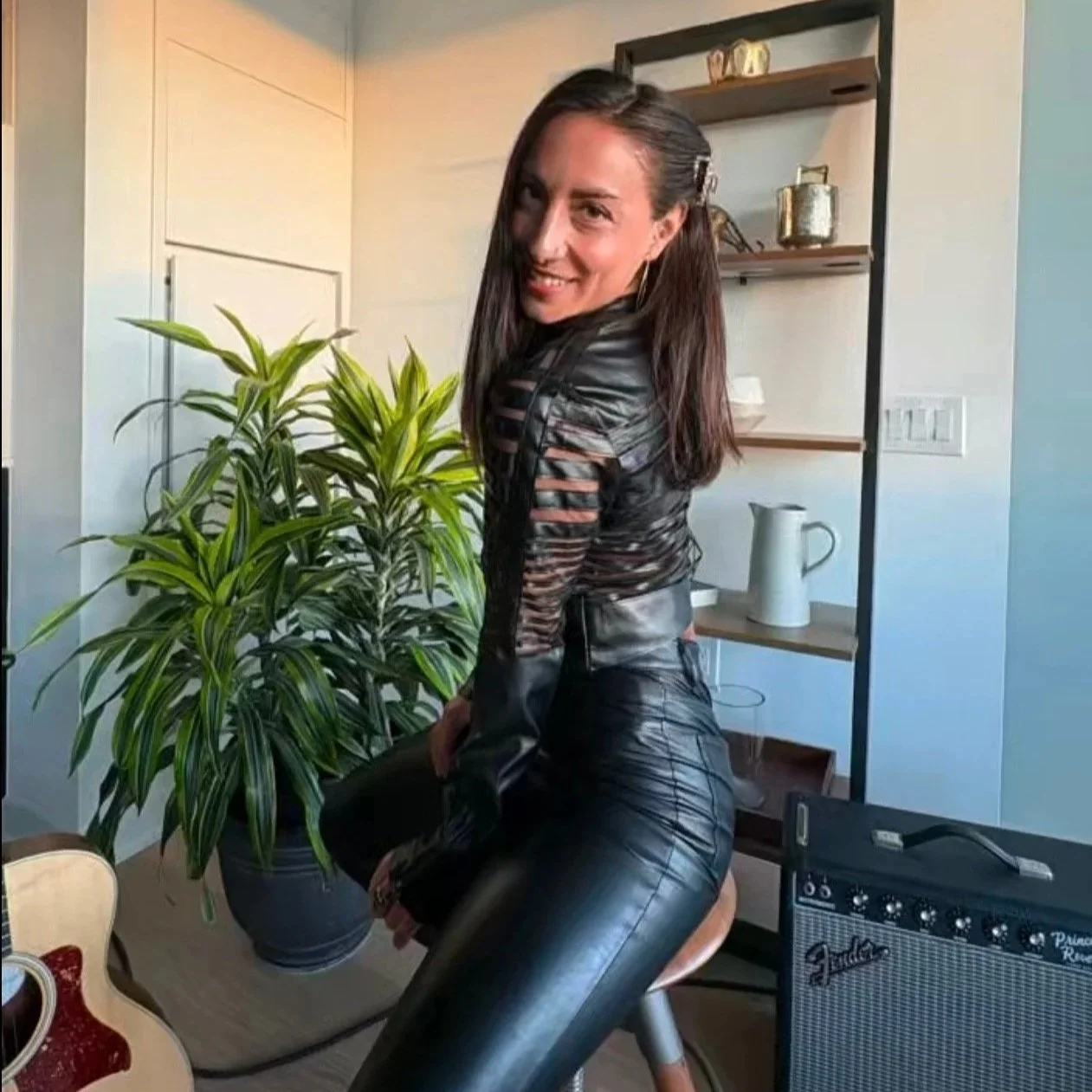
ROB AGUIAR: You’ve described this stage as a fearless creative chapter. After years in the collective energy of bands and duos, was there a specific moment or emotion that told you it was time to go solo to truly tell your story?
NATALIE MUZOS: Going solo came from a shift within. I reached a point where I needed to fully reclaim my voice and tell my story without filtering or shrinking myself.
For a long time, I played it safe and people-pleased. Even in bands and duo projects, there were moments where I compromised parts of myself to keep the peace or stay aligned. Over time, that disconnect added up.
I can see I have patterns of low self-esteem and self-sabotage that I’m still working through. My recent heartbreak pushed me to confront that, take accountability, and choose differently.
This is an extension of that - raw, honest, and creatively fearless.
This is my Badass Bitch Nat Era.
Authentically, unapologetically me.
RA: In the spirit of being emotionally unfiltered, is there one specific lyric from your own catalog that truly speaks to your vulnerability or feels like an open nerve when you perform it today?
NM: There’s a section in one of my songs that really captures my vulnerability. It starts with that awareness: “there I go again, letting a man define me…” And that line is hard to sit with, because it wasn’t just a lyric - it was a pattern I lived in for a long time.
Then it moves into the hurt: “you pushed me away like I was a flavour…” That feeling of being disposable, of questioning your worth - I knew that deeply. That song was written about someone who really broke me, but who also forced me to face myself and my self-sabotaging patterns.
In another song, I say: “the devil in you took the devil in me…” It was confronting, like I wrote in, “dear january” - it was a mirror reflecting parts of me I hadn’t healed yet.
It broke me open, but it also woke me up.
And then the shift happens: “but I’m not a flavour.” When I perform those lyrics now, it’s emotional, but also empowering. I’m witnessing who I was and choosing who I am now. It speaks to anyone who’s ever felt voiceless, or like they’ve given their power away.
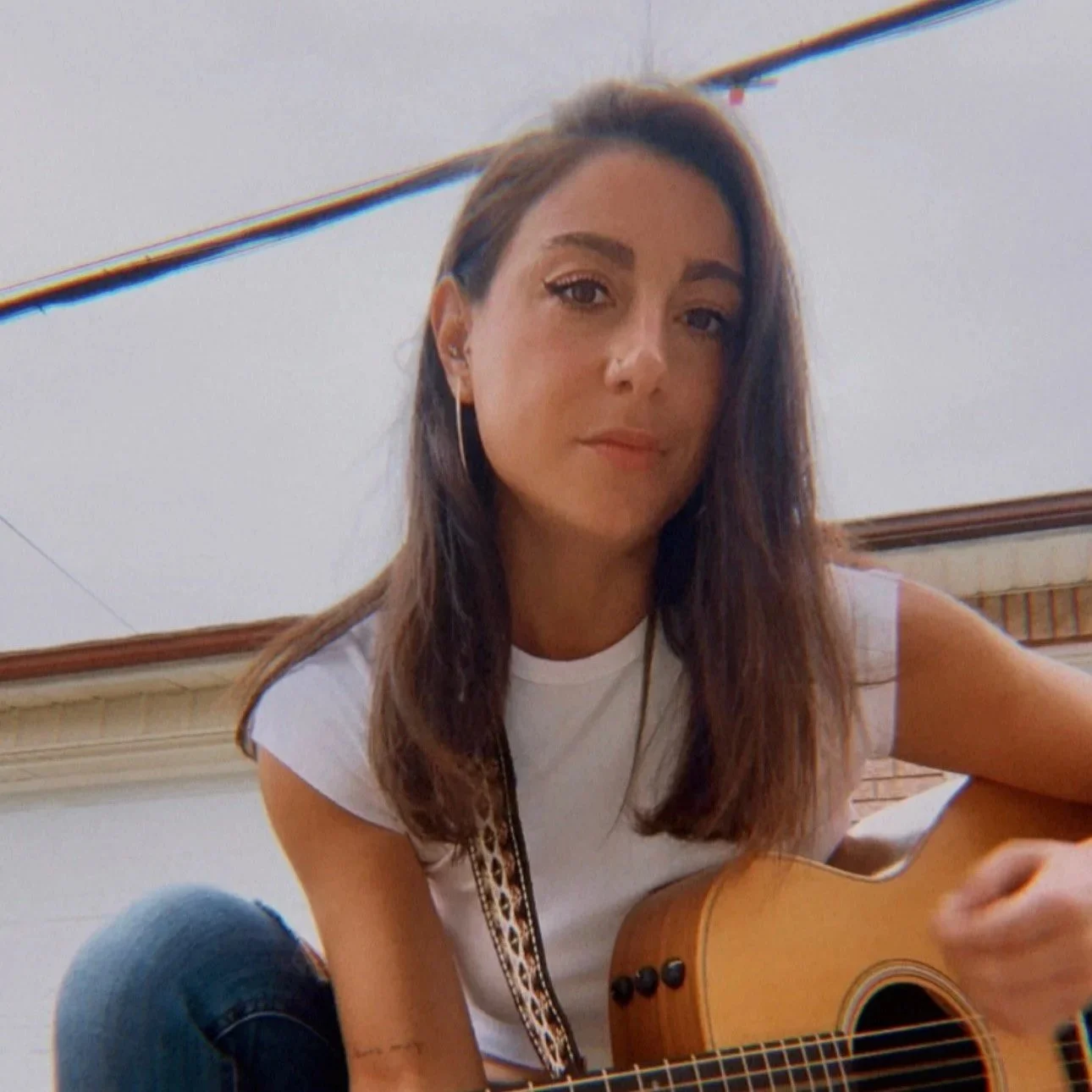
RA: People often describe your voice as smoky or sultry. Is that texture a natural byproduct of your influences, or is it a conscious way for you to frame your vulnerability?
NM: I’d say it’s rooted in my authentic voice. When I was younger, I tried to shape my sound around the artists who inspired me, wanting to prove I could fit that mold. But over time, I realized that felt disconnected from who I really am, and I had to come back to my own voice.
What you’re hearing now feels aligned with my experiences. It’s honest. It’s grounded. It’s mine. A big part of that came from something that really shook me. While studying voice at Mayfield S.S., I was diagnosed with nodules on both vocal cords in grade 12. I was told that if I chose to remove them, I’d have to relearn how to speak, and there was a real possibility I might not be able to sing again.
That wasn’t just an ego hit - it was a soul hit. Singing is where I feel most like my authentic self. Over time, I stopped fighting my voice, stopped resisting, and surrendered. I started working with it instead of against it.
The smoky, sultry texture people hear isn’t something I force - it came from what my voice has been through, and I wouldn’t trade that.
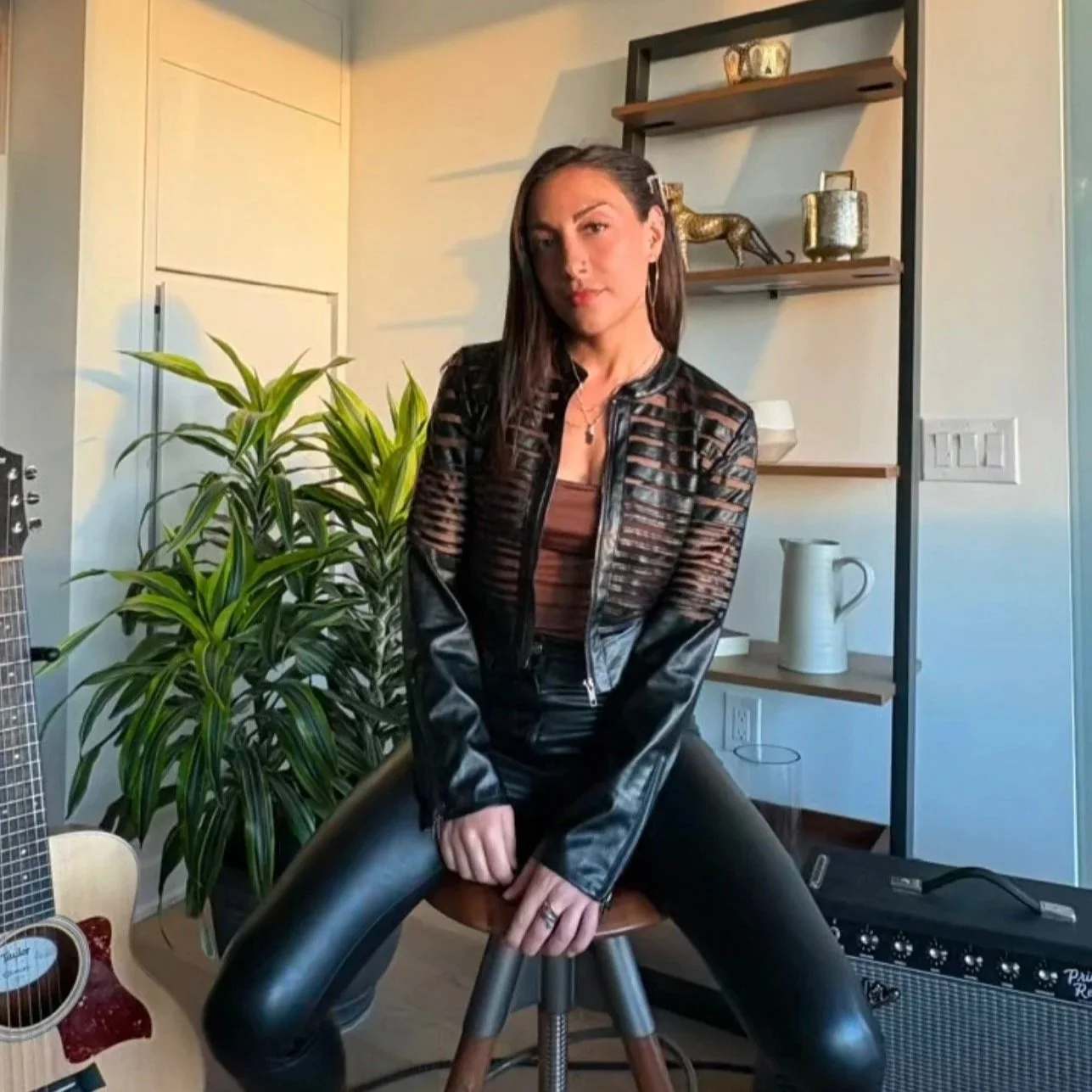
RA: Your music is rooted in unapologetic honesty. When you sit down to write, do you usually start with a melody to set a mood, or a specific secret you’re finally ready to share
NM: My process is intuitive - it’s a release of whatever is moving through me in that moment. Some days it flows effortlessly, and other days there’s resistance.
A lot of my songs begin with me ad-libbing while playing - whether it’s my guitar or sitting at the keys. I’ll sing freely over the chords, then go back and refine what naturally comes through.
Sometimes a melody comes first, or a truth I’m ready to face leads me to the chords.
For me, creating is deeply therapeutic - a moving meditation to process my story and come back into alignment.
Even in collaboration, it always comes back to feeling.
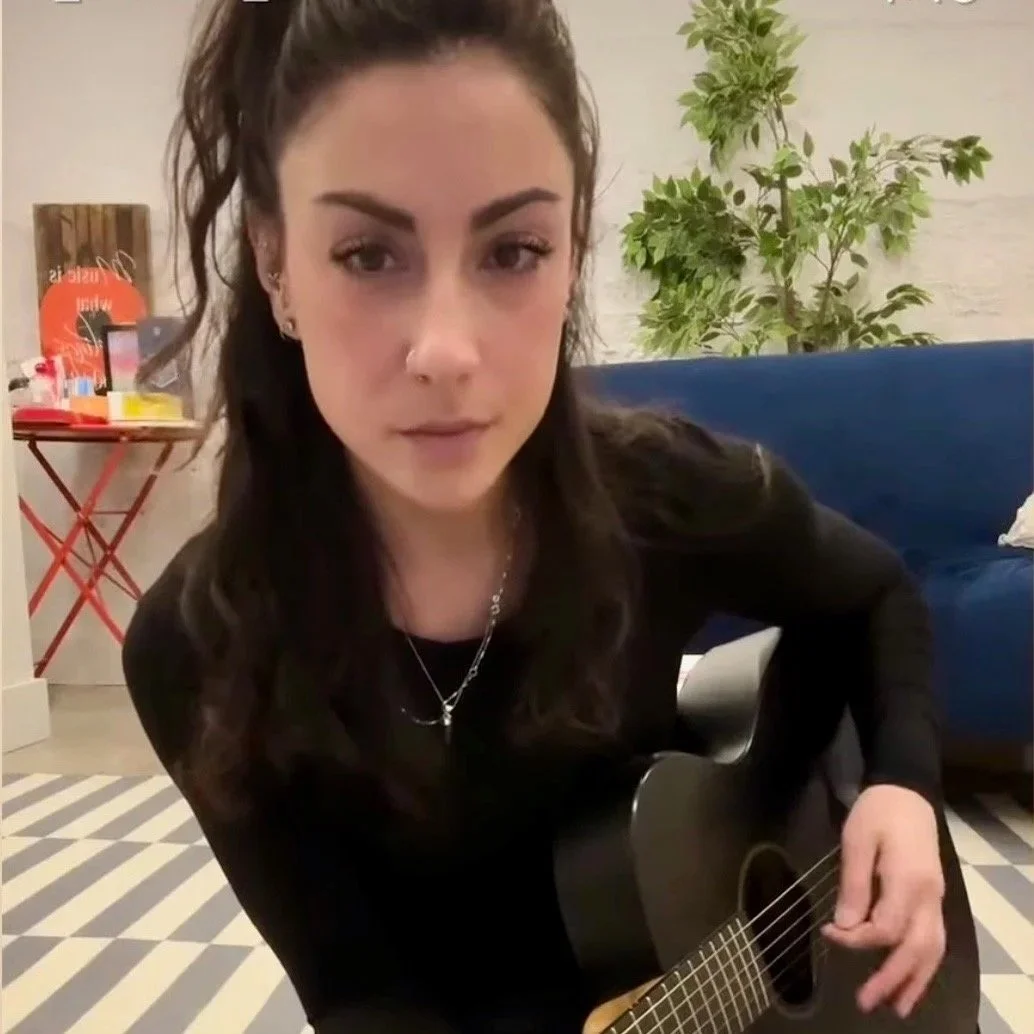
RA: Your journey has seen you navigate life as an educator, a yoga instructor at Power Yoga Canada, and a recording artist. How do these different roles—the discipline of the classroom and the mindfulness of the studio—feed into your music? Do you find that balancing it all actually gives you more to write about?
NM: At this stage in my life, I don’t see these roles as separate anymore. I used to compartmentalize - I had my teacher self, my yoga self, and my artist self - but now everything feels much more fluid.
It’s about bringing the same version of me onto my mat, into the classroom, and into my music, and allowing them to flow into one another.
Yoga has grounded me in mindfulness and presence. Teaching has taught me patience and how to hold space for others. And music is where I express and process everything I’m moving through.
I wouldn’t say it gives me more to write about, but it deepens what I write.
At the end of the day, it’s about asking who I am, authentically, in all of these moments.
And honestly - am I a disciplined teacher, or just a big kid myself? Probably both. Ha!
Driven by a commitment to unapologetic honesty, Natalie Muzos remains dedicated to an artistic path that is entirely unfiltered. Whether she is exploring her current soulful evolution or tapping into unique rock covers for an upcoming Glimpse Productions live music event, she proves that the most resonant music comes from being authentic and raw in the moment. For Muzos, the goal is simple: stay raw.