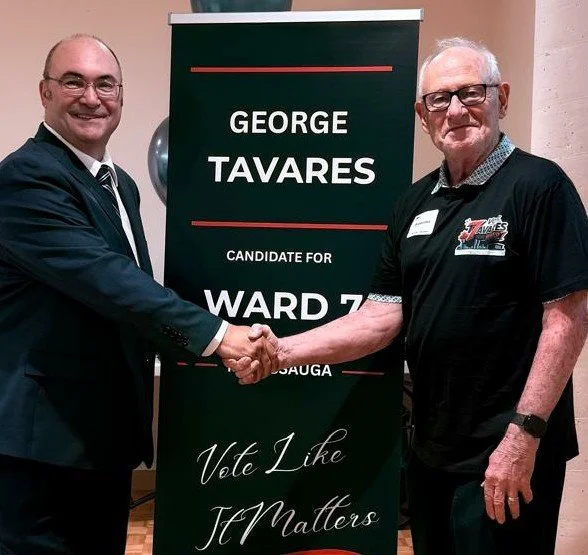
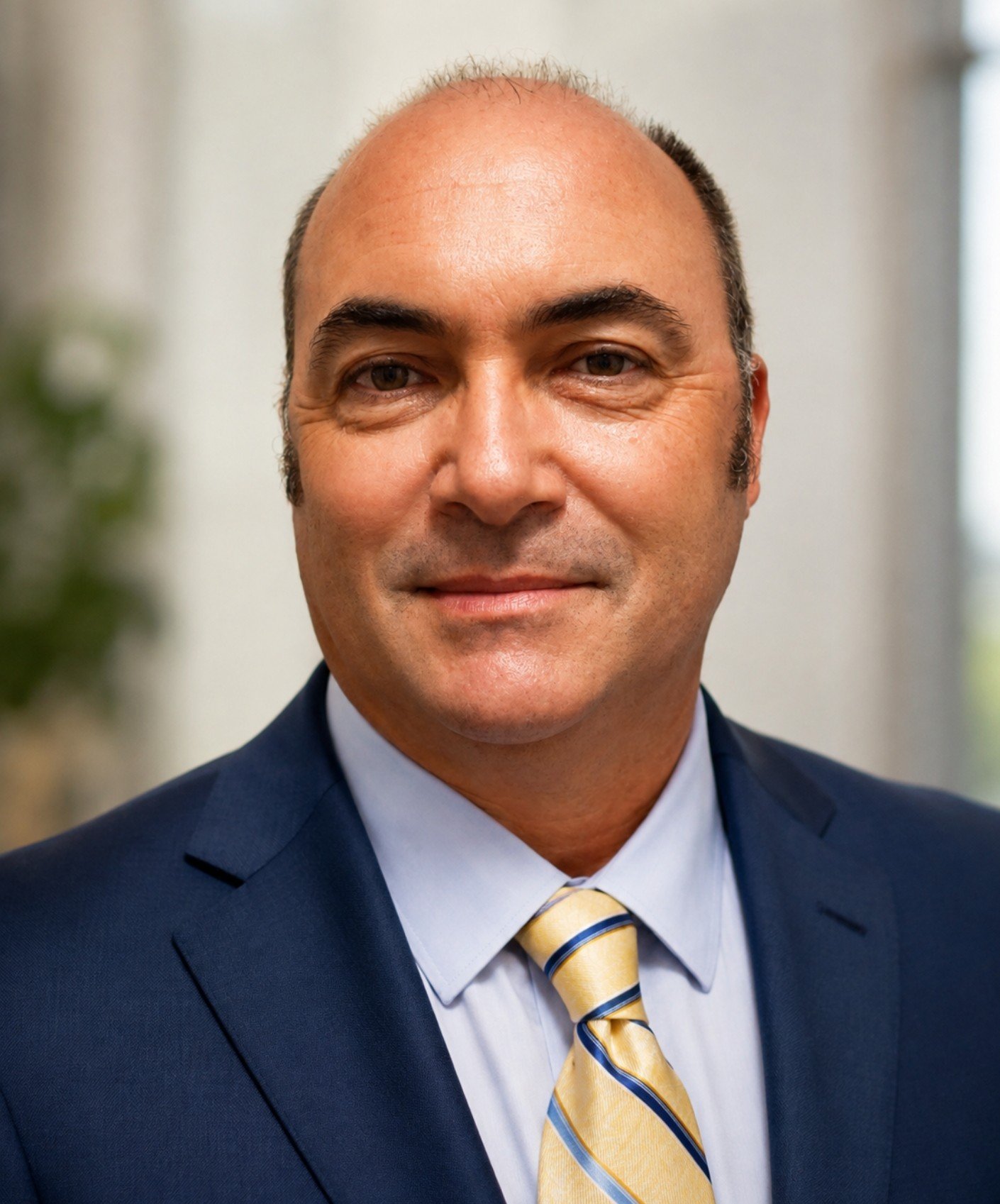
2026 Mississauga Election Candidate Profile: Ward 7 - George Tavares
/With the upcoming 2026 Municipal elections happening on Monday, October 26th, Modern Mississauga Media has reached out to all candidates inviting them to answer the same questions so voters can familiarize themselves with them.
With the 2022 Mississauga election having a paltry 21.84% voter turnout, this series is to educate the community and hopefully increase voter turnout for 2026.
Low voter turnout means that the voices of a few make decisions for all.
Candidate’s were also asked to provide at least four images and their answers are unedited.
Click here to read all candidate profiles and check back often as responses will be posted within 72 hours of receipt.
Click here to learn how to vote in the 2026 Mississauga Election.
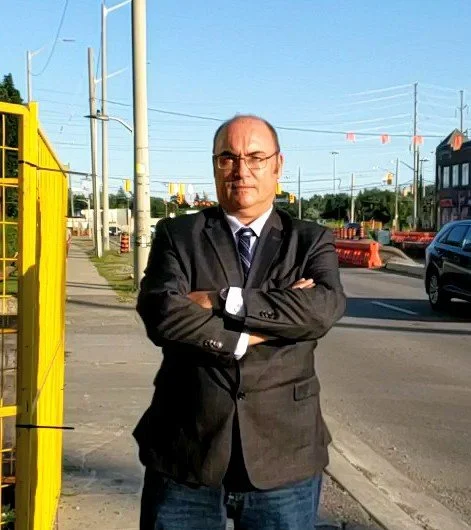
1. Why are you running for Ward 7 Councillor?
I am running because I believe my experience, education and years of work at City Hall can now be put to better use from inside the Council.
I ran for Mayor of Mississauga in 2022 and again in 2024. Those campaigns required me to study the entire city, including its budgets, infrastructure, transit, policing, development and long term challenges.
My education includes political science, international business, project management and smart city design. My professional career has included technology, engineering, infrastructure and major international projects.
But the most important part came after the elections. I kept showing up.
I have spent years reviewing City documents, budgets and major proposals and making deputations before Council and committees. I have spoken about taxes, transit, infrastructure, the Bloor Street project, short term rentals, public safety and major spending decisions.
More recently, I have made deputations concerning the proposed AI data center. I have raised questions about electricity and infrastructure demands, water use, noise, permanent employment and whether the economic return justifies the demands placed on the community.
There are candidates in this election with paid experience working inside governments, boards, committees and public organizations.
Working inside a system is experience. Sitting on a board is experience. Helping oversee a large public budget is experience. But experience is not the same as accomplishment. If we reward the attempt instead of examining the result, we remove accountability. Results are what turn experience into an accomplishment.
Running for Ward 7 is the practical next step for me.
I have spent years asking questions from one side of the podium. I am running because I believe it is time to move to the other side and help make the decisions.
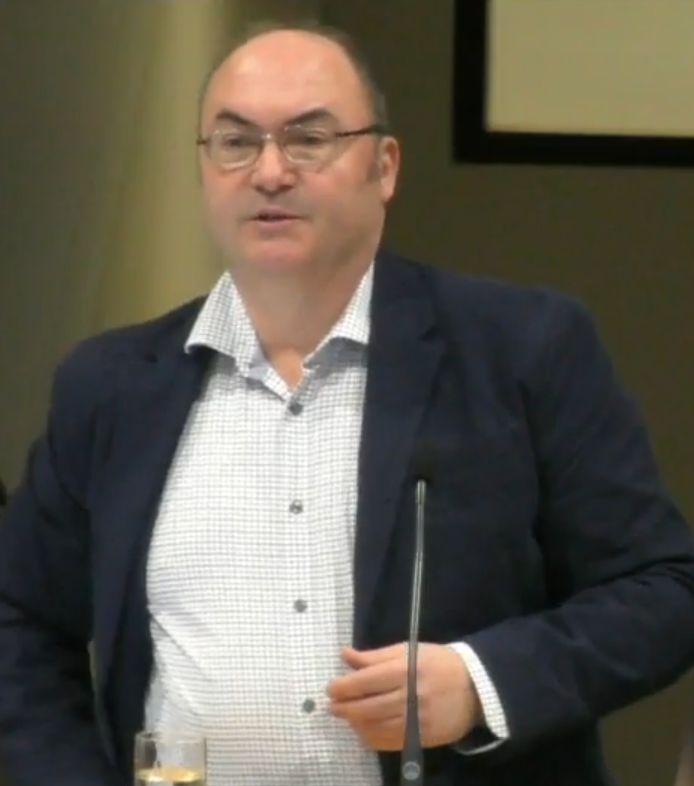
2. What makes you stand out over other candidates?
I think voters should distinguish between experience and results. Government experience can be valuable. So can serving on a board, committee or community organization. But simply being close to the government does not demonstrate that the government performed well.
The same standard should apply to every candidate, including me.
What responsibility did you have?
What happened while you had it?
What did you actually change?
My record is public.
I have spent years examining City decisions from the outside and publicly questioning taxes, infrastructure spending, transit, development, public safety and major capital projects.
I have supported decisions when the evidence justified them and challenged decisions when I believed the evidence did not.
That is the approach I would bring to Council.
Show the need. Show the cost. Show the measurable result. Then make the decision.
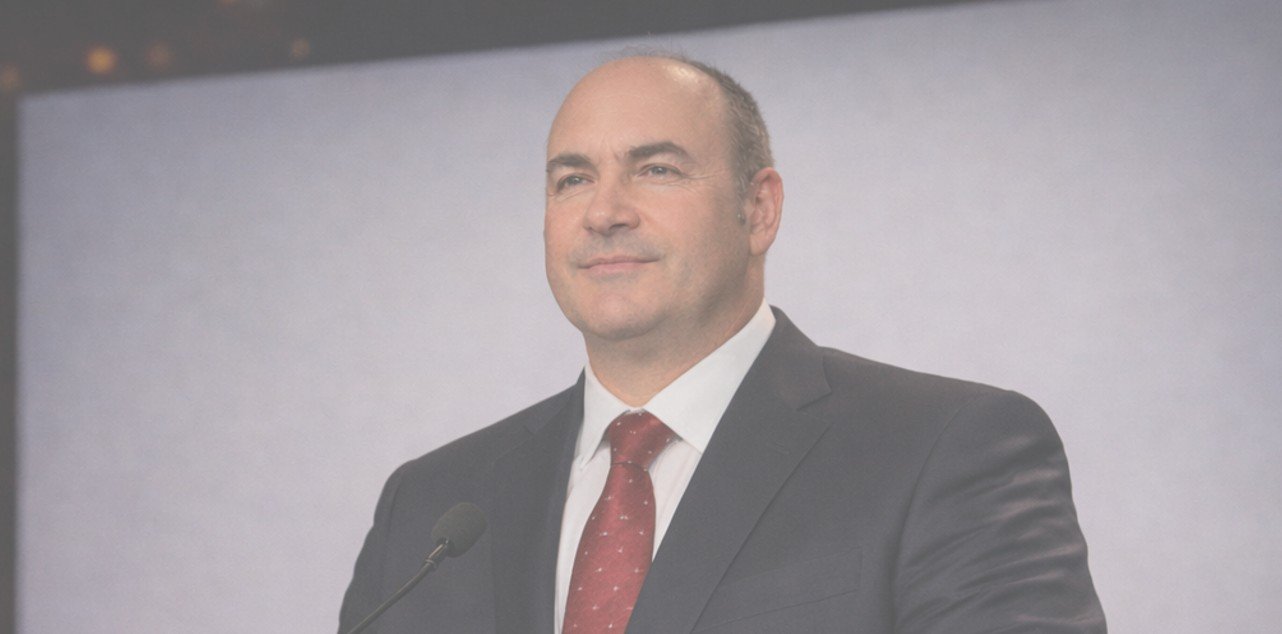
3. What are your key campaign priorities?
My first priorities are the things Ward 7 residents experience every day: traffic, transit, crime, taxes, infrastructure and development.
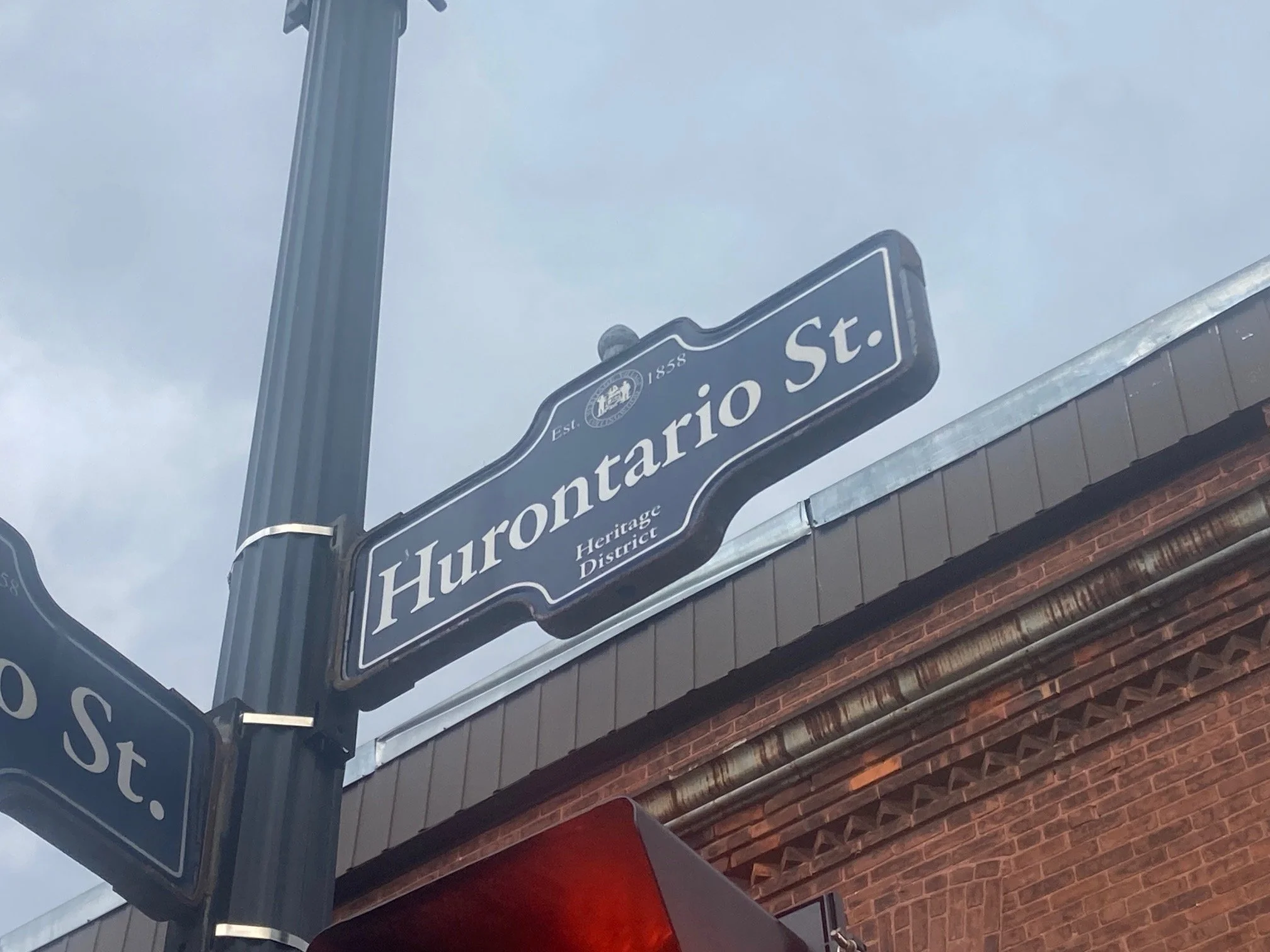
Hurontario construction and other major projects have changed how people move through our community. We need better traffic management, practical transit connections and much better coordination when construction affects residents and businesses.
Public safety is another priority. Residents should be able to see whether crime is improving or getting worse and what is being done about it. I want clearer reporting, stronger neighborhood enforcement and better coordination between the City, bylaw officers and Peel Regional Police.
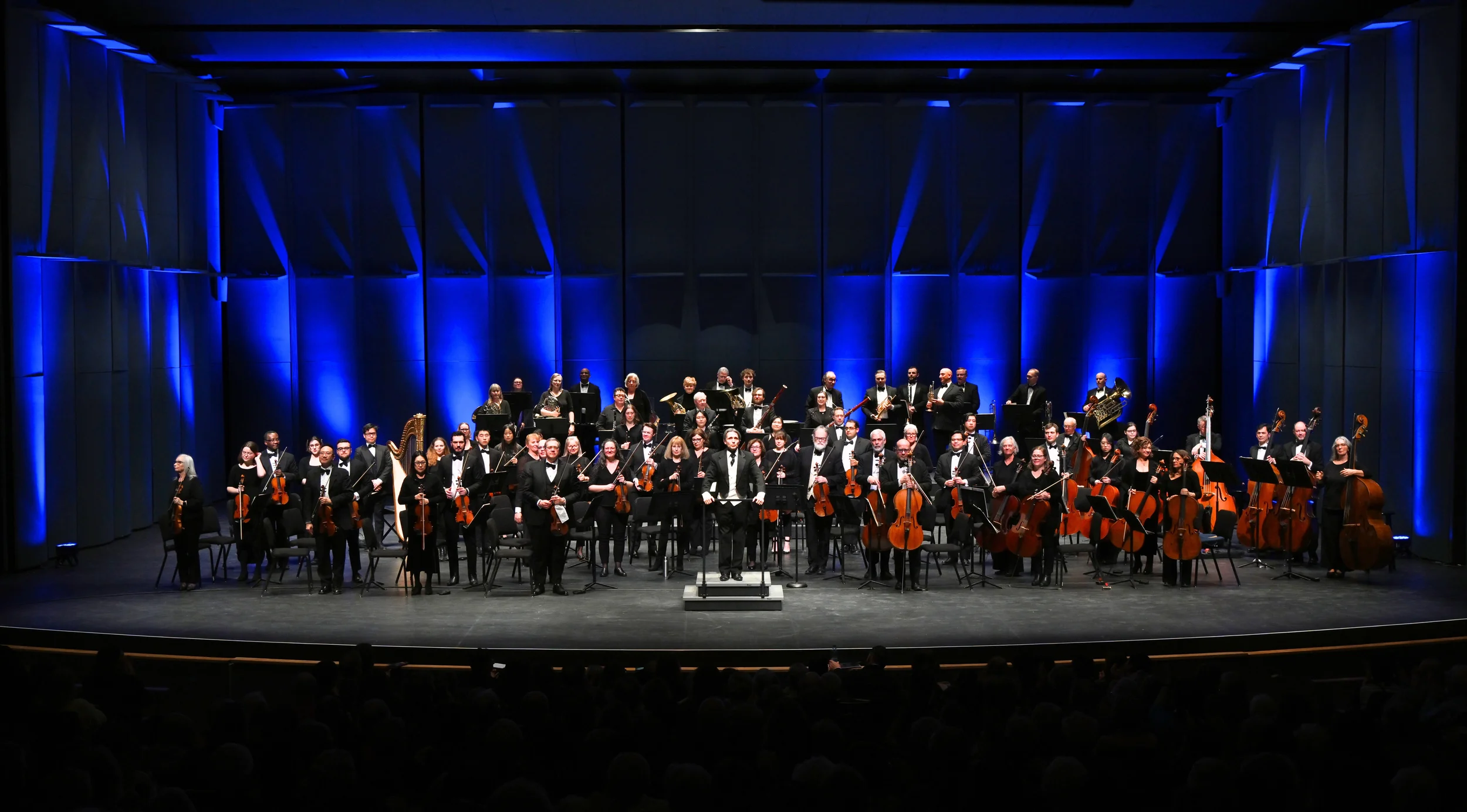
Then there is spending. I have serious concerns about committing hundreds of millions of dollars to a new music center without a very clear business case. The same scrutiny needs to apply to the broader redevelopment being discussed around the Living Arts Centre lands.
My position is not that Mississauga should never build anything new.
Show the need. Show the cost. Show how it will be paid for. Show the expected return. Then make the decision.
I am applying the same standard to the proposed AI data center. I have already made deputations on this issue because projects of this scale need clear answers about electricity demand, infrastructure, water use, noise, permanent jobs and economic return.
Development can be good for Mississauga. But development must also be good for the people who already live here.
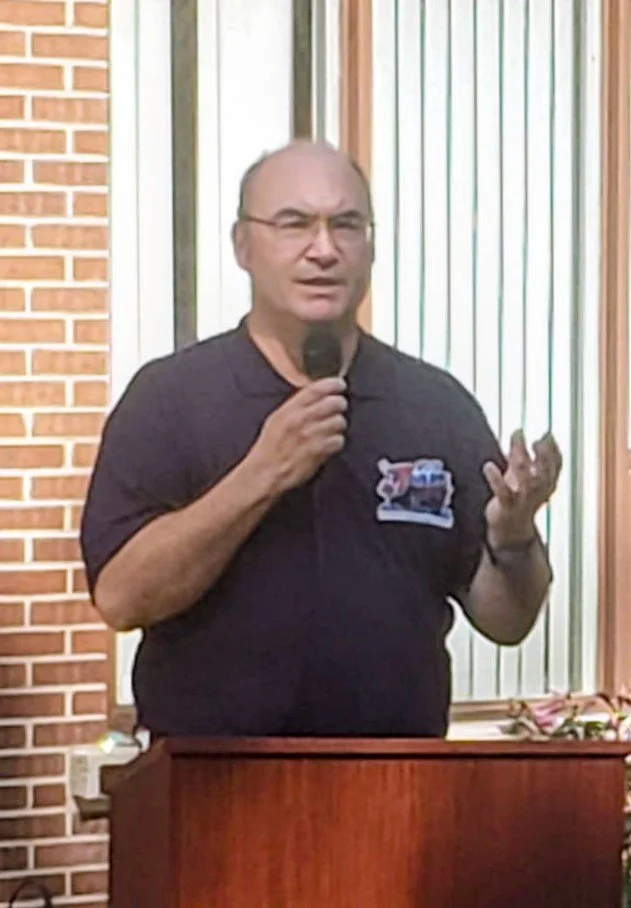
4. What budget item is the most important for Mississauga?
The most important budget issue is not one individual line item.
It is whether Council can demonstrate that residents are receiving value for the money already being spent.
A large budget is not evidence of good financial management. Years of government experience are not evidence of good financial management either.
The test is the result.
Were services improved?
Were projects delivered properly?
Were finances sustainable?
Were problems identified early enough to correct them?
Roads, transit, stormwater systems, community facilities, policing and basic City services affect residents every day. Those essential services must come first.
I also believe Council needs greater discipline when considering major new capital projects. You cannot continually tell residents that taxes must increase while treating hundreds of millions of dollars in discretionary projects as inevitable. Before asking taxpayers for the next dollar, Council should examine how the current dollar is being spent.
My approach would be to protect essential services, maintain the assets we already own, examine existing spending and require a strong business case before approving major new expenditures.
How we spend the next dollar matters just as much as how much tax we collect. That is why I support an independent Auditor General, to make sure those dollars are measured by results, not intentions.
5. What are your favorite aspects of Mississauga?
Ward 7 is one of the places where you can really see what Mississauga has become.
It includes established neighborhoods, condominium communities, apartment buildings, businesses, parks, transit, major roads and people who have come here from around the world.
I have travelled and worked internationally, and one thing that experience taught me is that successful cities are built around strong local communities.
Mississauga has grown into a major city, but people still experience it neighborhood by neighborhood.
That creates a very simple test for growth.
Is your daily life getting better?
Can you get around more easily? Are services keeping pace? Is your neighborhood safe? Is infrastructure working? Are your taxes producing results you can see?
Growth itself is not the objective. Improving people's quality of life is.
That is what I want Ward 7 residents to experience.
6. How will you be actively supporting our locally owned businesses if elected?
Local businesses are dealing with pressures that City Hall cannot control, including trade uncertainty between Canada and the United States.
Municipal government cannot negotiate international trade agreements. What it can control is how difficult and expensive it makes operating a business locally.
That means examining permitting times, municipal fees, construction access, parking, traffic movement and procurement opportunities. I also think we need to pay much more attention to businesses affected by major construction projects.
If government changes access to a business for months or years, we cannot simply tell that owner construction is necessary and walk away.
We need better construction coordination, clear timelines, access planning and direct communication with affected businesses.
Businesses create jobs, pay taxes and help neighborhoods work.
When outside economic conditions become more difficult, City Hall should be looking for reasonable ways to make doing business locally easier, not harder.
7. What does Mississauga currently excel at?
Mississauga excels at creating opportunity or it should. Ward 7 should be one of the places that benefits from it most.
We have something many cities would spend decades trying to create. We are beside Canada's largest airport, connected to one of the country's largest economies, and home to established businesses and communities from around the world.
Ward 7 brings many of those advantages together. Cooksville has GO rail, MiWay, the Hurontario corridor, established neighborhoods, local businesses and one of the most established populations in the city.
But having advantages is not the same as using them well.
For me, that is the next challenge. Ward 7 should not simply accommodate more growth. Growth should leave residents better off. That means safer streets, easier transportation, stronger local businesses and infrastructure that keeps pace with the people using it.
Mississauga has already proven it can attract people, investment and growth. Now we need to excel at turning those advantages into a better everyday life.
8. How would you communicate with residents and what communication standards will you be setting and following?
Residents should not have to follow every Council meeting to understand what their City is doing.
I would provide regular Ward 7 updates explaining important votes, construction, traffic changes, spending decisions and neighborhood issues in plain language.
But communication is more than sending newsletters. It has to happen before decisions are effectively finalized.
Too often residents learn about something after most of the important decisions have already been made. Consultation at that point becomes an explanation rather than meaningful participation.
My standard would be simple.
Tell residents early.
Explain the issue, cost and realistic options clearly.
Then report back after the decision and explain what happened, including what resident input changed and what it did not.
A Councillor represents residents at City Hall. Residents should never feel that they need someone else to translate City Hall back to them.
9. How do you plan to actively involve and include residents in decisions?
Consultation should give residents influence, not simply give government evidence that a meeting was held or a Checked box.
I want residents involved early enough that their input can still affect the outcome.
For significant Ward 7 issues, residents should know what is being proposed, why it is being proposed, what it will cost, what alternatives exist and when the decision will be made.
Afterward, City Hall should report back.
What did residents say?
What changed because of their input?
What did not change, and why?
People will not agree with every decision I make. I do believe they are entitled to understand how the decision was reached.
That is the difference between consultation and accountability.
10. Please provide your campaign website.
abetterward7.ca