Remembering Mississauga's Christmas Past - The Victorian Era
/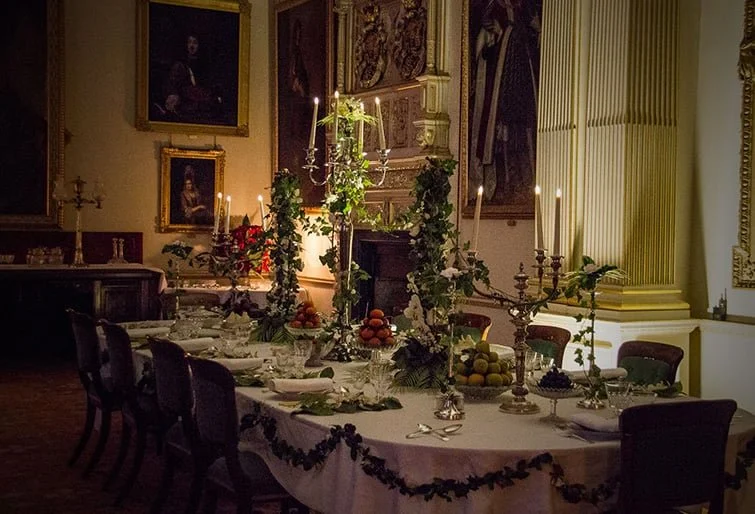
Victorian Christmas decorations.
The Christmas traditions many families cherish today were shaped during the Victorian era, which transformed the holiday from a modest religious observance into a richly layered season of warmth, family, and reflection. Before the mid-19th century, Christmas in England was a subdued affair, marked quietly through church services and simple gatherings.
This began to change in the 1840s, during the reign of Queen Victoria. Inspired by her German-born husband, Prince Albert, Victoria helped popularise the decorated Christmas tree, which quickly became a favourite among England’s upper-class families, especially at children’s parties. By the 1860s, Christmas had become a deeply domestic occasion, influenced by German customs. Parlours were filled with evergreen trees adorned with candles, ribbons, and handmade ornaments, while families gathered to exchange small gifts and share festive meals. Writers like Charles Dickens cemented this evolving vision, portraying Christmas as a time for generosity, moral reflection, and community care. By the 1870s, Christmas was no longer a novelty, but an eagerly anticipated celebration at the heart of family life.
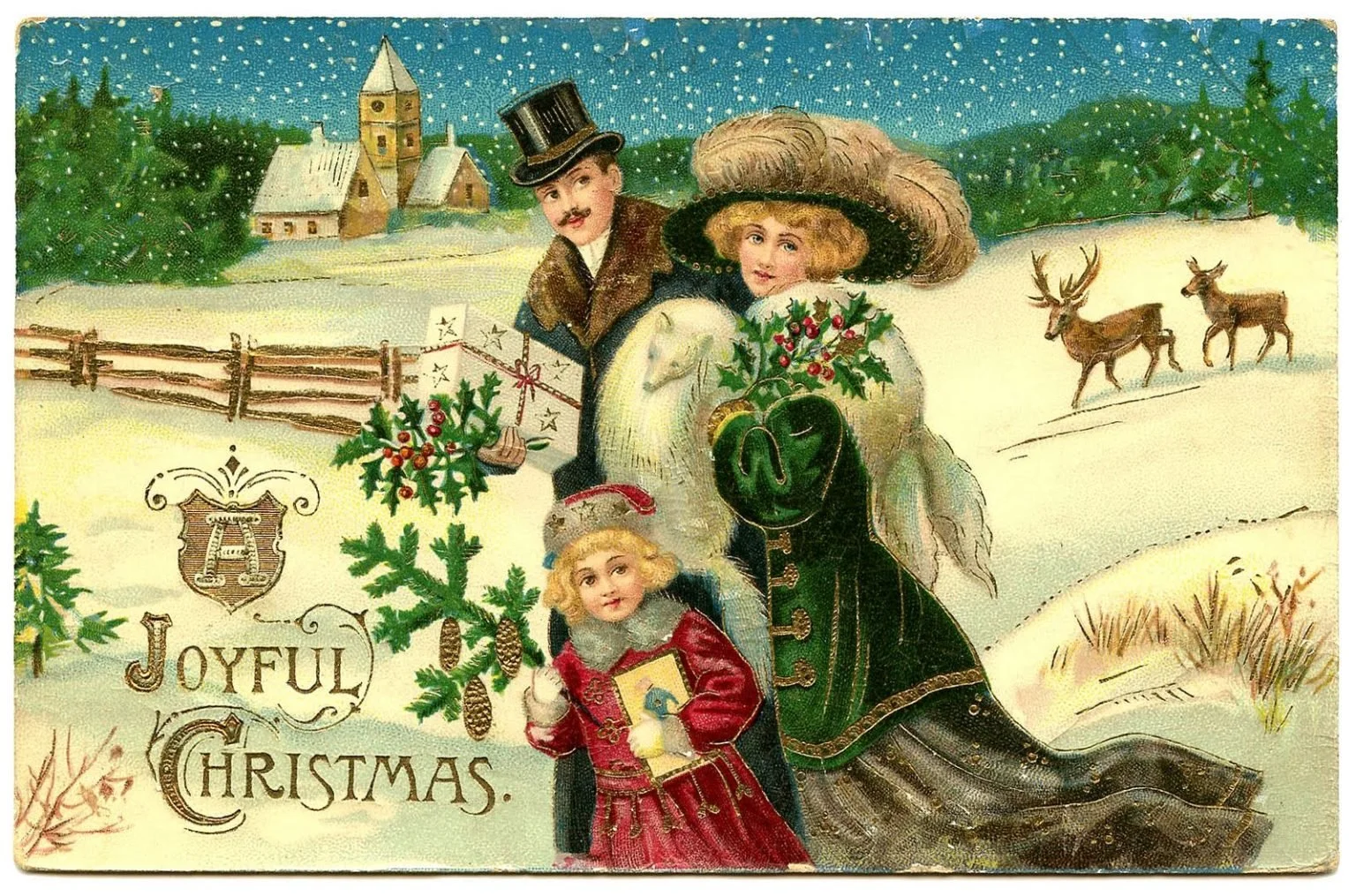
Victorian era Christmas Card.
As the century progressed, Christmas continued to evolve, blending nostalgia with new customs. By the late Victorian period and into the early 20th century, the holiday had become both sentimental and increasingly modern. Records of royal Christmas dinners from this era reveal that many traditions have remained unchanged: menus featured an array of roast meats, beef, mutton, turkey, and venison, often accompanied by chestnut or veal stuffing. Vegetables like potatoes, sprouts, cabbage, parsnips, and carrots were important staples, much as they are today. For many, Christmas became a time to celebrate and feast with loved ones, gathering for large parties and festive meals that mirrored the warmth and abundance at the heart of the season.
Another beloved tradition born in the Victorian era was the Christmas card. The invention and popularisation of Christmas cards offered a new and meaningful way to exchange seasonal greetings. Improved printing techniques allowed cards to be produced in large quantities, featuring richly coloured designs, winter scenes, religious imagery, and heartfelt messages. Cards were often displayed as part of home decorations and kept as treasured keepsakes. Their widespread popularity reflected the Victorian enthusiasm for nurturing and expanding Christmas traditions, while post offices of the era bustled with the exchange of festive correspondence.
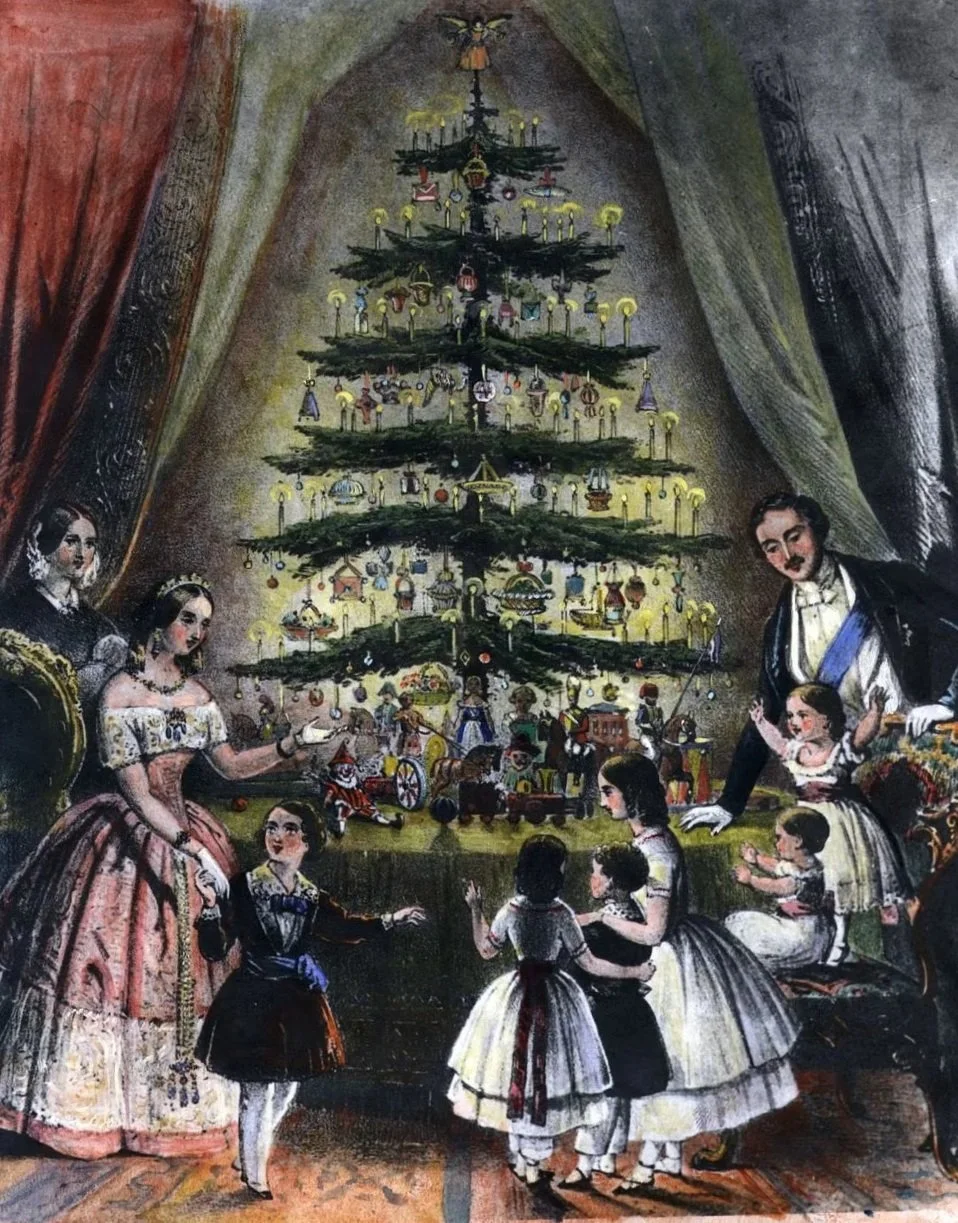
Christmas Tree with Queen Victoria, Prince Albert and family.jpg
These traditions did not remain confined to England. As families moved throughout the British Empire, they carried Victorian Christmas customs with them, adapting celebrations to new environments and communities. In places like historic Mississauga, which was developing and expanding during the late Victorian era, settlers brought their cherished practices with them, ensuring that the spirit of Christmas continued to flourish across the Victorian world.
By the dawn of the 20th century, the Victorian Christmas had firmly established the foundations of the holiday as it is celebrated today. While technologies, fashions, and decorations have changed over time, the core elements introduced during the Victorian period remain familiar. The decorated tree, the exchange of Christmas cards, and the focus on family, reflection, and celebration continue to link present-day festivities to their 19th-century origins.
In this way, the Victorian Christmas was not just a moment in time, but a lasting cultural legacy. Traditions that flourished during this period travelled across borders and generations, shaping celebrations in growing communities and enduring into the modern era. The warmth and sentiment of Christmas remain at the heart of the season, reminding us that its true meaning is found in connection, generosity, and the shared experience of coming together.