Mississauga’s Smart City Evolution: How Technology Defines Our 2026 Lifestyle
/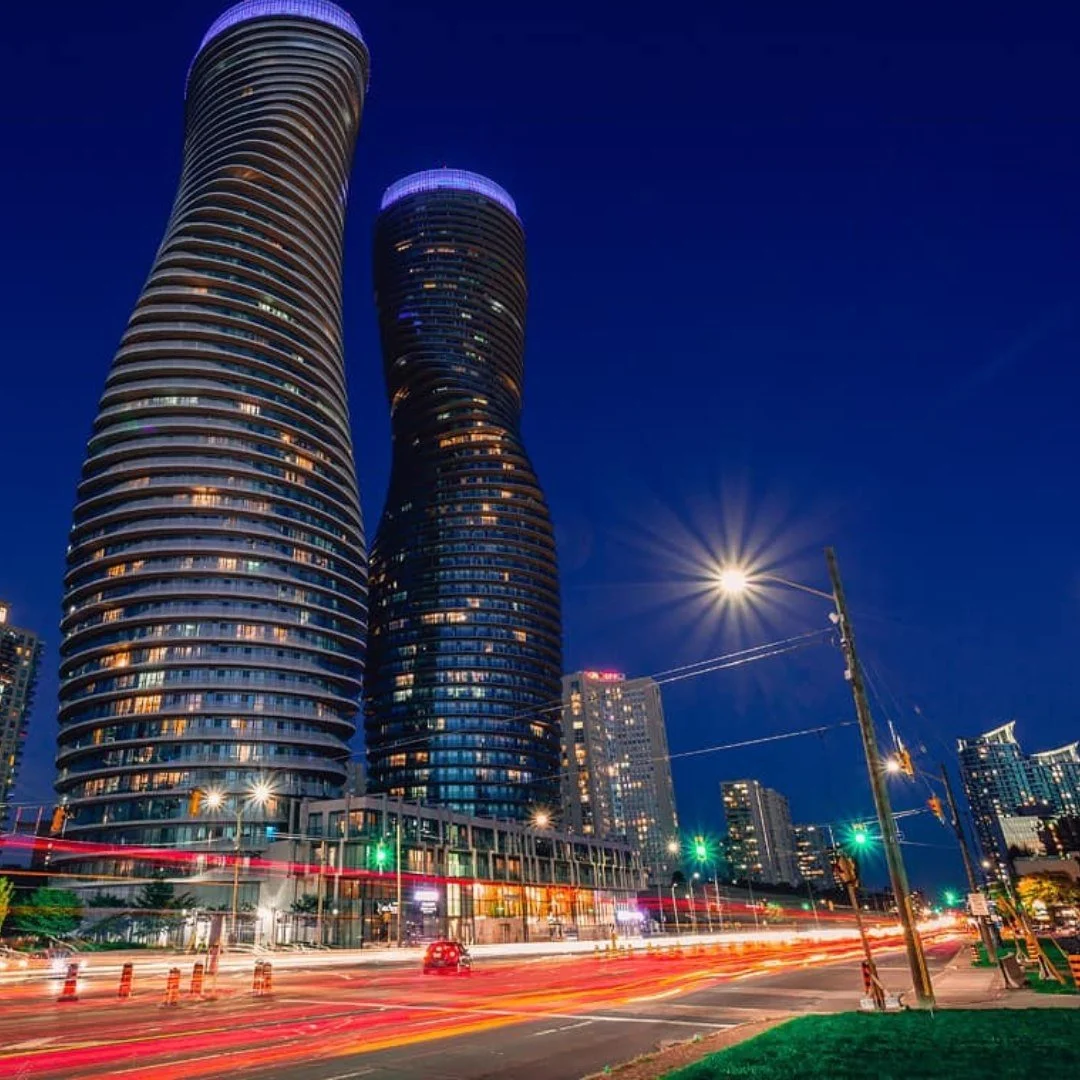
What does it mean to be a "modern" city in the year 2026? It's not only about the height of our skyline or how fast the LRT might go anymore for Mississauga. It's about a quiet, digital infrastructure that has become a part of our everyday lives. From the way we access local arts to how we unwind after a long commute on the 403, technology is acting as the new bridge between community and convenience. This digital renaissance is transforming Canada’s seventh-largest city into a model of 21st-century living, where high-tech meets high-touch.
A Smart City Built for Everyone
Mississauga’s "SMRTCTY" Master Plan has moved from a vision to a tangible reality. The city’s commitment to providing over 842 km of high-speed fiber and nearly 400 free Wi-Fi hotspots has leveled the playing field for all residents. Just this February, Mississauga City Council approved $4.2 million in grant funding to support 88 community and cultural groups.
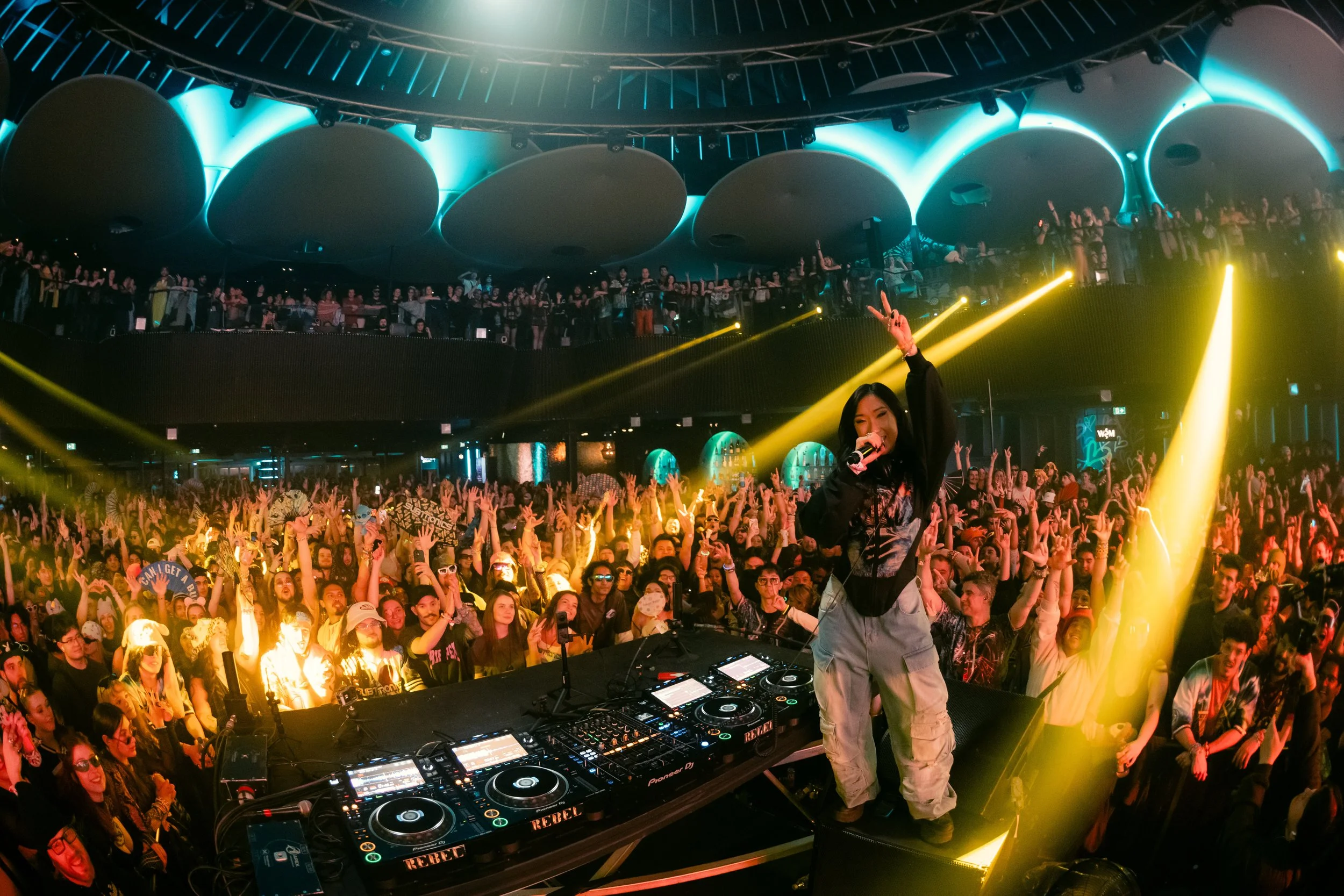
Much of this investment is being funneled into digital transformation—allowing local theatre troupes and arts collectives to use augmented reality and live-streaming to reach audiences who can’t always make it to a physical venue. This ensures that regardless of where you live in the city, culture is just a click away.
The Evolution of Digital Entertainment
As our real environments become smarter, so are the things we do for fun online. Canadians are shifting away from mindless scrolling and toward engaging experiences with high quality. The desire for quality is greater than ever, whether it's via cloud gaming, which lets you play console-level games on a basic smartphone, or interactive streaming platforms.
You can see this change in how we use different platforms. For instance, Jackpot City, a Canadian online casino, shows this current trend by having a highly regulated, high-definition interface that puts user safety and easy connection first. This is similar to how platforms like Disney+ and Spotify employ powerful AI to customize content, making the digital experience seem less like a tool and more like a personalized service.
Connectivity as a Key Part of Community
In 2026, technology is also helping to create a "nostalgic remix" in our culture. People who live in Mississauga are now leveraging digital archives to bring history to life. For example, the Small Arms Inspection Building is presently getting funding for digital storytelling initiatives. These projects show that technology isn't taking the place of our legacy; it's making it easier for the next generation to access it.
Enhanced Public Access: Parks and transportation hubs like the City Centre Transportation Terminal now have high-speed networks.
Cultural Inclusion: Digital funding for arts organizations from different backgrounds to reach more people online.
Secure Ecosystems: A city-wide effort to make sure that all public digital services are safe from hackers.
Looking Toward a Connected Future
The attention stays on balance as we move through this modern age. Task-specific AI is taking care of the "boring" parts of our lives, like arranging city services or controlling home energy, so we can spend more time doing what's important: getting to know our neighbors and enjoying our city's rich culture.
The digital rebirth in Mississauga isn't just a tech story; it's also a story about people. It is about a city that makes sure its people are entertained, educated, and most importantly, linked by using all the tools it has.