Artist Glimpse - Brett Carruthers
/
To Create is to Evolve: A Deep Dive with Brett Carruthers
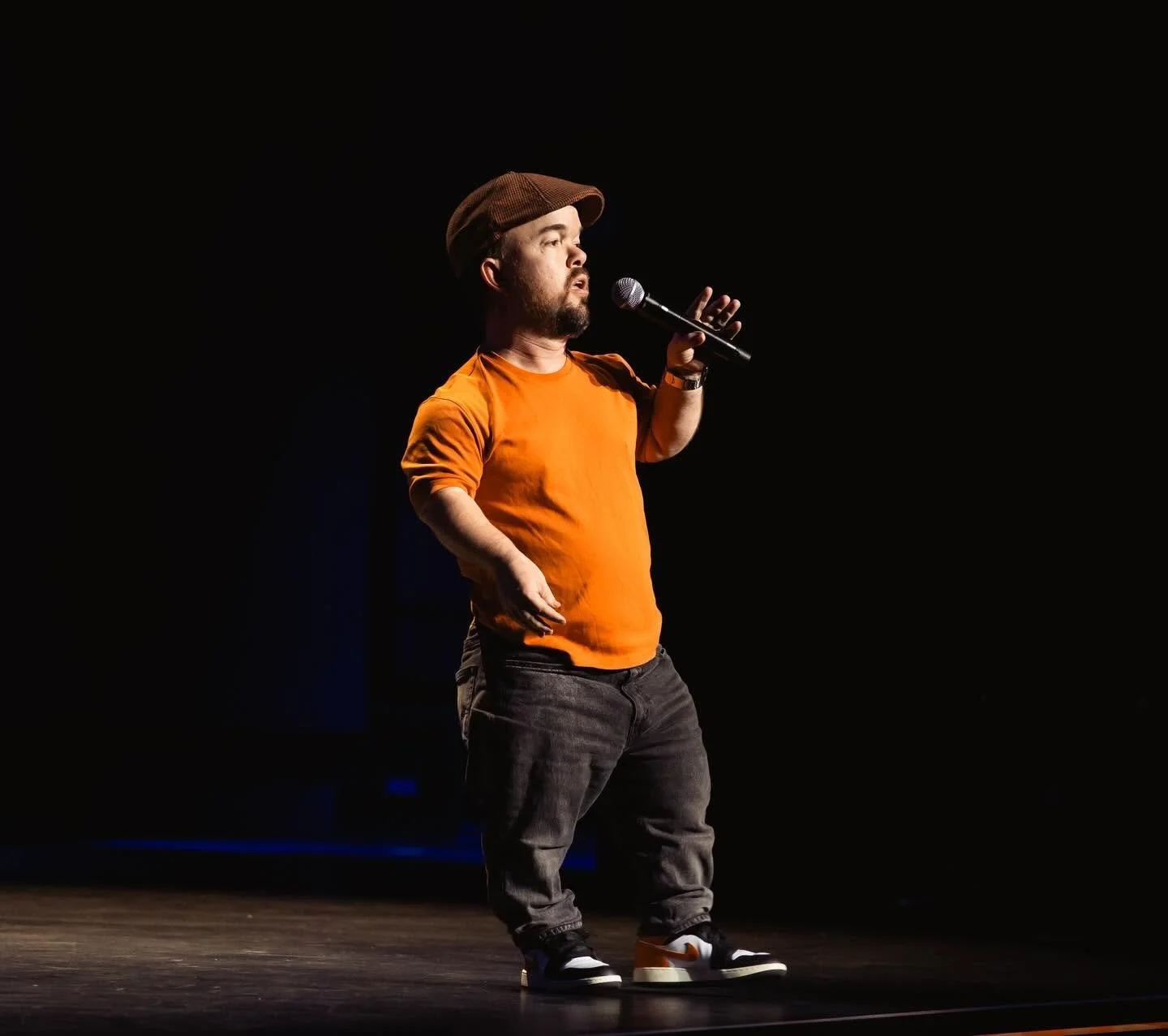
Emerging from Toronto's underground rock scene, Brett Carruthers has carved out a sound that's raw, cinematic, and ever-evolving. Whether he is balancing the "industrial armor" of his band A Primitive Evolution, shaping the lush landscapes of The Birthday Massacre, or acting as the "mad scientist" behind the board at Desolation Studios, Brett views art as an instinctive mutation.
In a recent conversation, Brett opened up about the struggle of the "producer brain," the addiction of gear, and why his songwriting process is a slow, primitive marination.
The Battle of the "Producer Brain"
One of the most significant challenges Brett faces is balancing his role as a producer for other artists with his own creative output. He admitted that his personal projects often take a backseat to professional obligations.
“Recently it’s been a bit of a battle... balancing the two,” Brett explained. “There’s a lot of work with clients that sort of take priority... where I can find my own music can slip away sometimes through the cracks where you kind of prioritize other people’s work over your own... I do have to really schedule time to make my own music.”
This prioritization is a primary reason for the long gaps between his band’s releases.
“It’s also why A Primitive Evolution’s... release schedule is... pretty far apart. You know, it’s usually only like an album every five years or so... a lot of it’s due to that nature of, you know, this is my work, but it’s also my passion. So, where do you draw those lines?”
Gear as a Source of Evolution: Stompbox Mania
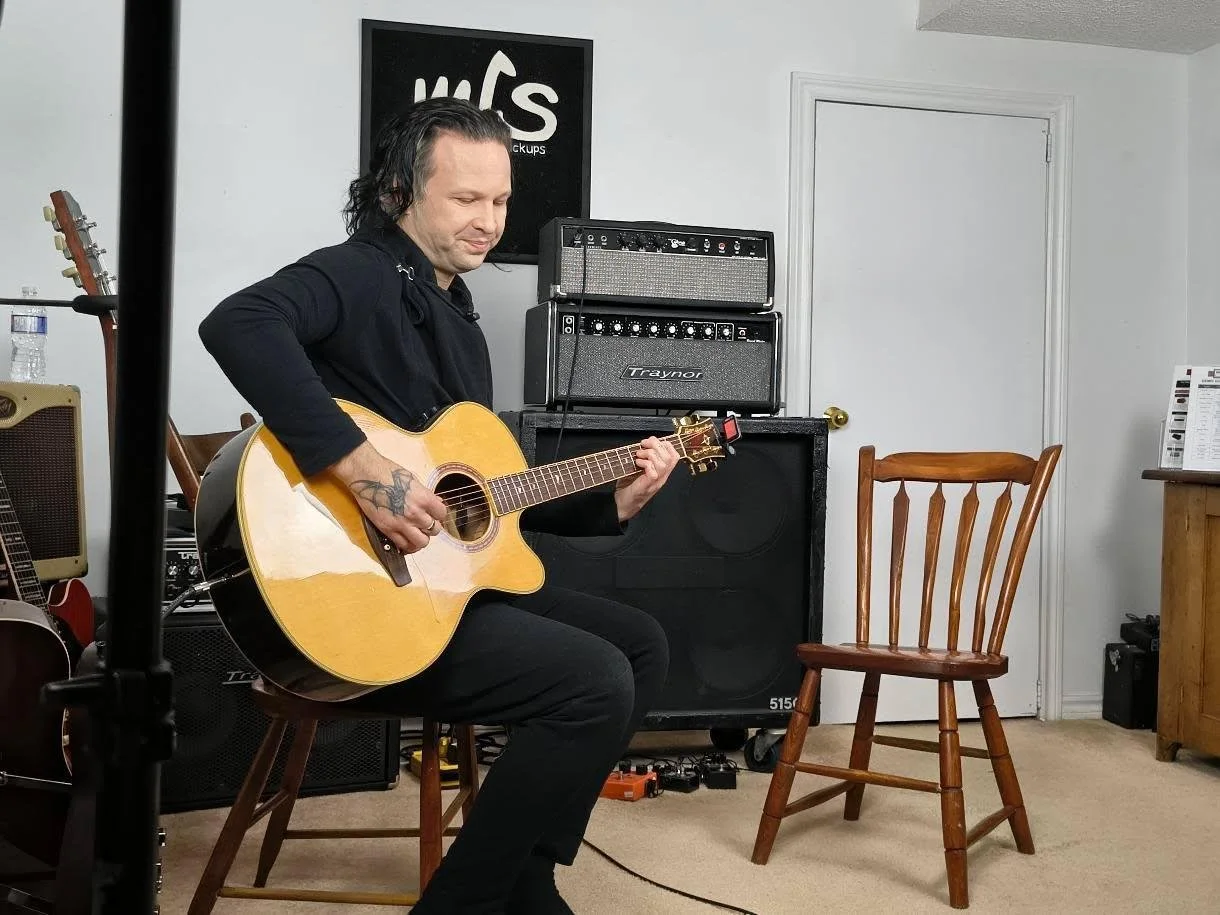
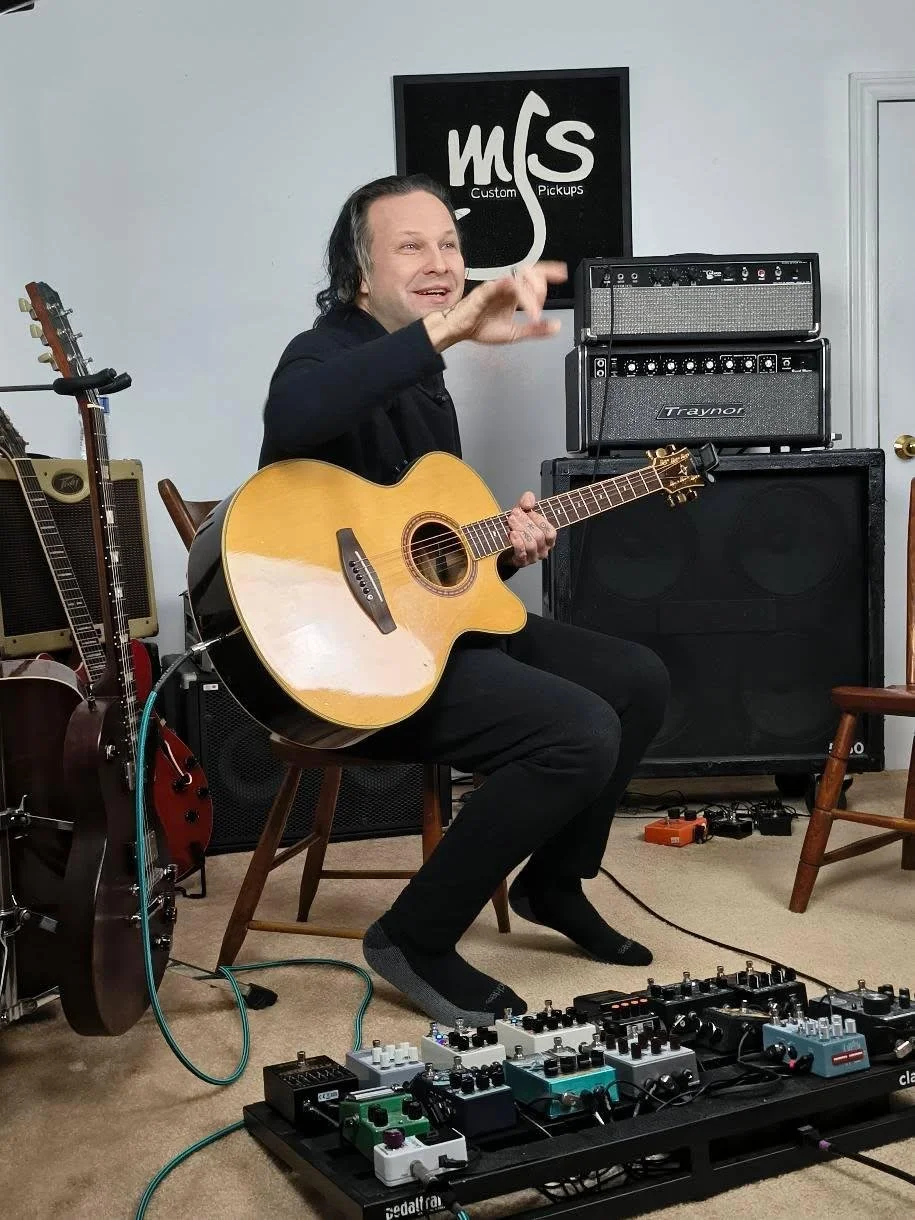
At Desolation Studios, Brett surrounds himself with an extensive and eclectic library of boutique pedals—a collection he calls "Stompbox Mania." For him, these tools are more than just effects; they are catalysts for new ideas. During the interview, he demonstrated how he stacks a wide variety of sounds—layering shimmer reverbs, reverse delays, and "dirty" modulation—to build his signature wall of sound. To illustrate the process, he showcased a selection of pedals, including the Walrus Audio Lore and Fathom, demonstrating how he uses reverse soundscapes and shimmer engines to create lush, textural vibes.
“I think a lot of the reason why I fell in love with pedals was that every pedal will sort of be a song,” he said. “Every time I get a new pedal, I’ll sit down with it and spend time learning it. And I always write a song every time I buy one. So, I think that’s part of the addiction... if you’ve got writer’s block or you need a dopamine fix, then that’s kind of what I’m leaning on these days.”
Prophetic Themes in "Dead Skies"
Art often reveals its true meaning long after it is created. Brett noted this while discussing the 2018 track "Dead Skies," which recently received a new visual for 2025.
“I think the song Dead Skies was written sort of as a bit of a protest song and the time it was written maybe we weren’t as pissed off as we are now even,” Brett observed. “It did feel appropriate to do the video and bring back these themes of... corporate greed and just the state of our culture... It really is more prevalent now than when I wrote it for sure.”
The Vulnerability of the Acoustic Heart
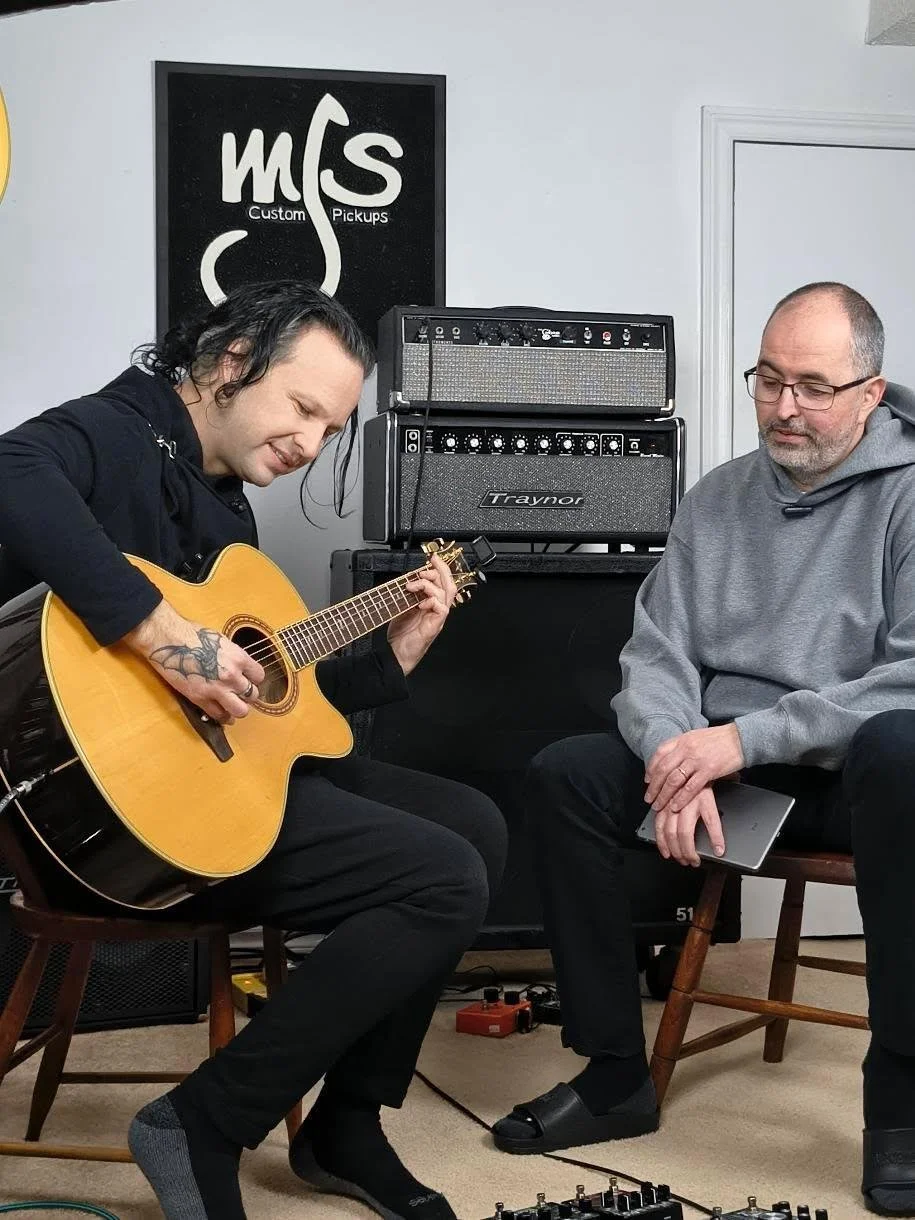
Though he is comfortable behind a "wall of sound" on stage, Brett finds the simplicity of an acoustic performance much more daunting.
“Doing stripped down versions of things I’ve always been way more nervous about doing than getting up on stage and playing with a band. That... feels like breathing,” he confessed. “Playing like an acoustic guitar alone and bare in front of people always feels like... vulnerable… open.”
Instinctive Mutation
Ultimately, every story Brett tells circles back to the band’s namesake. For him, the studio isn't just a workplace; it's a lab for "instinctive mutation." He views his growth as a collaborator with artists like Matt McJunkins and Ryan McCambridge as a way to keep the project from stagnating.
“I think that’s part of the obsession of it all... why we named the band that,” he reflected. “... whether you’re trying to improve yourself or it makes you worse, it... doesn’t really matter as long as you’re working towards something and creating and changing and evolving to these new circumstances.”
Looking Toward 2026
While his schedule is often derailed by his passion for helping others find their sound, Brett is setting a firm deadline for the next A Primitive Evolution record. After touring in early 2025, he plans to dedicate himself entirely to the studio.
“March, I’m gonna lock myself in the studio and begin recording the next A.P.E. record,” he said. “I might even have to convince my friends to not let me leave... just lock the door, throw away the key. You can’t talk to Brett for the next four weeks.”
With about 17 songs written, Carruthers is aiming for a release in the fall of 2026
To Create is to Evolve
It’s clear that for Brett Carruthers, the music is never truly "finished", it is simply captured in a moment of transition. Whether he is stripping a song down to its acoustic bones or building a wall of sound through layers of effects and industrial grit, the goal remains the same: to keep moving, keep building, and keep changing. For a man who views art as a living, breathing mutation, the next phase of evolution is already well underway.