
How to Start and Maintain a Gas Hedge Trimmer
/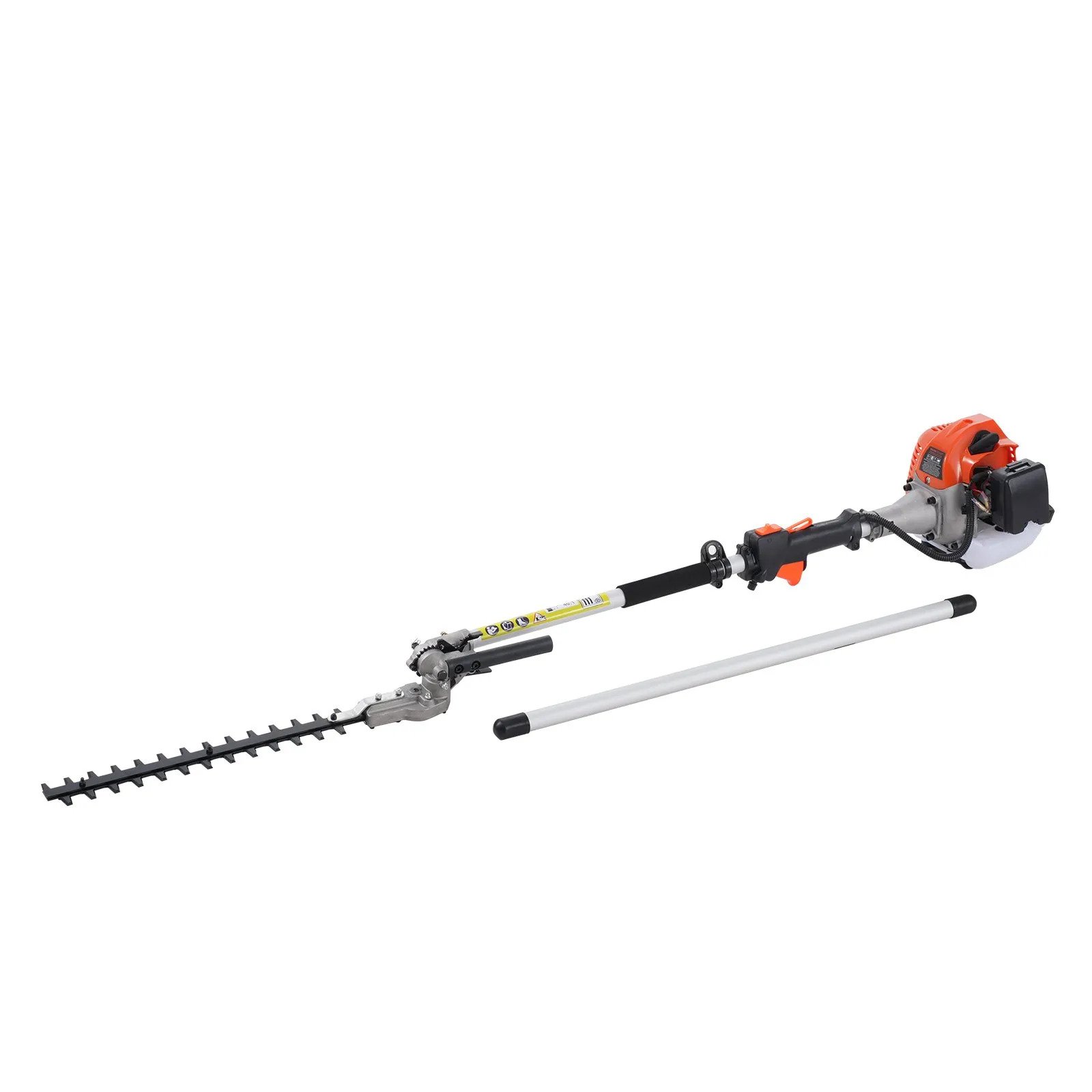
A gas hedge trimmer helps keep lawns and hedges tidy with less effort and more power than most electric tools. It gives flexibility, longer run time, and steady performance for shaping thick or tall hedges. However, the tool only works well if it starts smoothly and stays in good condition after each use. To start and maintain a gas hedge trimmer properly, follow a few clear steps that keep the engine strong and extend the tool’s life.
Many people face trouble getting a trimmer to start or notice it runs unevenly after a few uses. Simple habits such as using fresh fuel, checking the choke setting, and keeping blades clean make a big difference. These steps build confidence, reduce downtime, and help the trimmer perform better over time.
This guide explains how to start a gas hedge trimmer safely, keep it maintained, and handle common issues before they become bigger problems. With the right approach, anyone can keep hedges neat and equipment dependable all season.
How to Start a Gas Hedge Trimmer
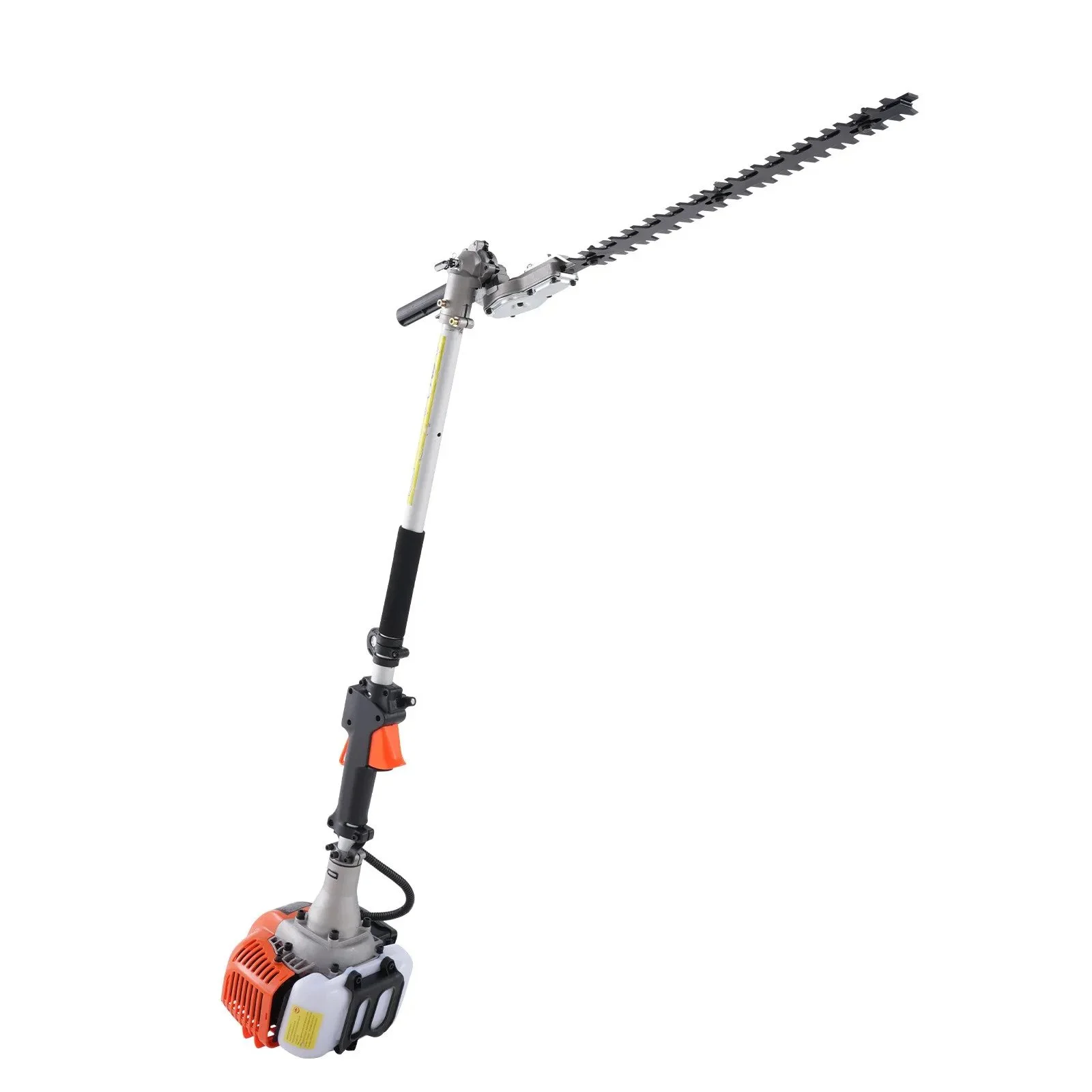
Starting a gas hedge trimmer involves safety checks, proper fuel preparation, and correct choke and starter use. A consistent routine helps reduce effort and prevents engine problems. Understanding each step also reduces wear on internal parts and supports smoother trimming performance.
Important Safety Precautions
Safety comes first before powering any gas hedge trimmer. The operator should wear safety goggles, ear protection, and cut-resistant gloves to prevent debris injuries or burns. Long sleeves and pants protect arms and legs from flying branches. Closed-toe shoes with good traction also help maintain balance on uneven ground.
Clear the work area of rocks, cords, hoses, or loose branches before starting. A stable surface helps prevent slips or tip-overs. Keep bystanders, especially children, at least 15 feet away.
Inspect the handle, trigger, and safety guard for cracks or wear. A faulty trigger might cause accidental blade movement, while a damaged guard cannot block debris. For extra control, users can compare features on tools such as the VEVOR gas hedge trimmers that include ergonomic grips and balanced weight designs. Always power the tool outdoors or in a well-ventilated area to avoid fume buildup that can lead to dizziness or breathing issues.
Pre-Start Inspection and Setup
A careful inspection helps detect issues early. Begin by checking the fuel level and oil mix for proper ratio, usually 50:1 gasoline to two-stroke oil. Old fuel causes poor ignition, so fresh fuel should replace any mix older than 30 days.
Check the spark plug for dirt or corrosion. A clean plug with the correct gap improves ignition. Examine the air filter and replace it if clogged since limited airflow can choke the engine. Tighten any loose screws or bolts to prevent vibration damage during use.
Review the blades for dullness, rust, or looseness. A sharp, well-lubricated blade cuts cleanly and avoids strain on the engine. For added performance, lightly oil the blades before starting. Adjust the handle angle to a comfortable position for better control in tight areas or tall hedges.
Fueling and Priming the Engine
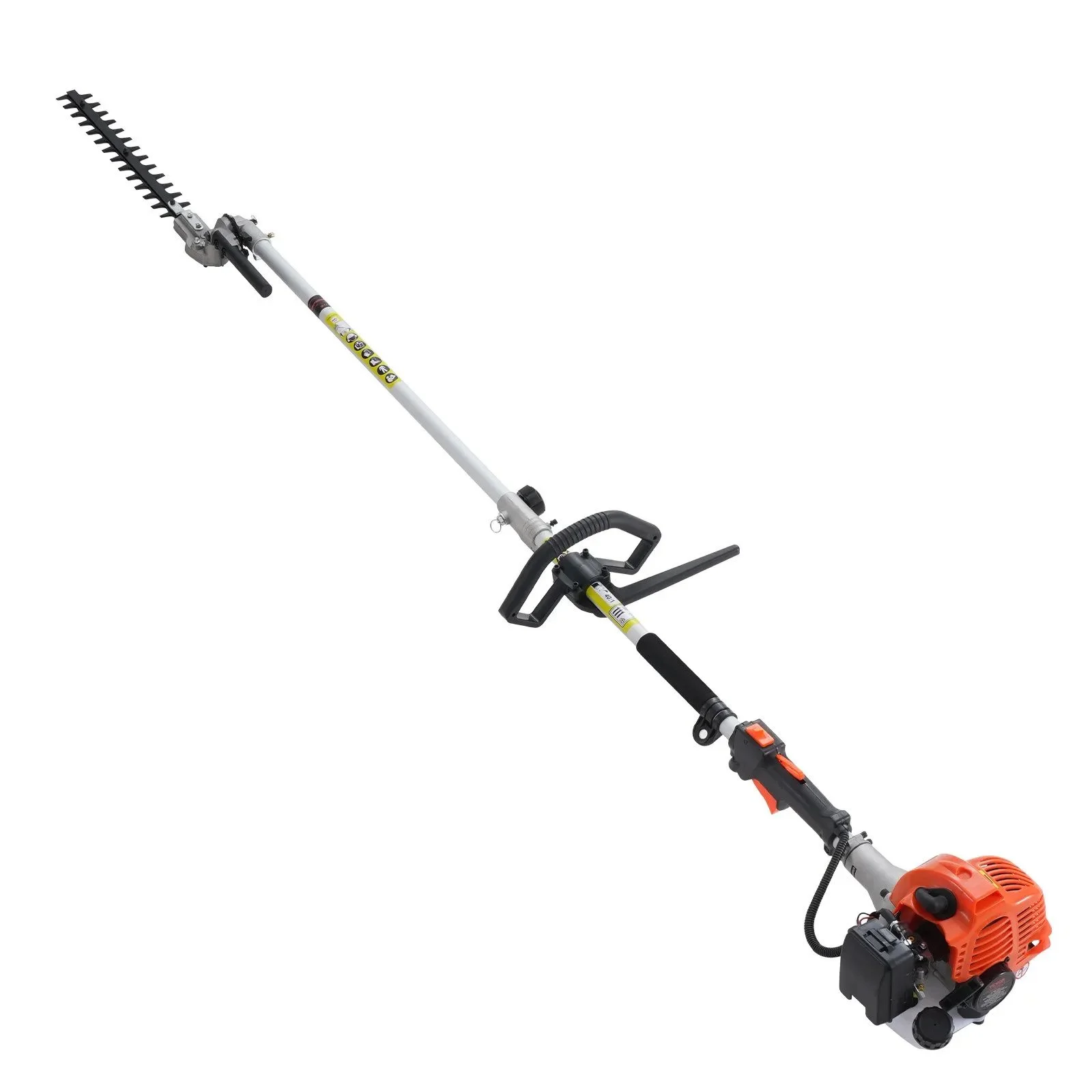
Most gas trimmers run on a gasoline and two-stroke oil mix. Always use fresh, clean gasoline combined with high-quality oil marked for air-cooled engines. Pour the mix carefully into the tank with a small funnel to reduce spills. Avoid overfilling, and wipe any fuel drips before starting.
Locate the primer bulb, usually near the carburetor. Press it three to five times until fuel flows smoothly through the clear fuel line. This primes the system and reduces the number of pulls needed later. A properly primed engine ignites faster and runs more evenly once warm.
Check that the choke lever moves freely between open and closed positions. The choke controls airflow during startup. Close it for a cold engine but open gradually once the motor runs. Keep the fuel cap tight, as a loose cap can let air in and cause performance issues during operation.
Step-by-Step Starting Procedure
For a steady start, place the trimmer on flat ground with the blades clear of obstacles. Hold the handle firmly and make sure the throttle trigger is free. Close the choke for a cold start and guarantee the on/off switch is in the “on” position.
Pull the starter cord slowly until resistance occurs, then give a sharp pull. Repeat until the engine briefly fires or “pops.” Move the choke halfway open and pull again until it starts fully. Let the trimmer idle for 20–30 seconds to stabilize the fuel mixture.
Once warm, open the choke completely and lightly squeeze the throttle to steady the engine speed. If the trimmer stalls, return the choke halfway and restart with fewer pulls. Do not rush this process, as a gentle rhythm helps prevent engine flooding and reduces arm fatigue during repeated starts.
Troubleshooting Starting Issues
If the engine refuses to start, check common causes methodically. Begin with fuel quality—stale gas is a frequent reason for poor ignition. Replace it and try again. Inspect the spark plug for damage or soot buildup, and clean or replace it if necessary.
An engine that starts then stalls may indicate a clogged air filter or incorrect choke position. Cleaning the filter or adjusting the choke usually fixes this issue. If the engine still sputters, inspect the carburetor for blocked jets or loose fuel lines.
For trimmers that pull easily but never fire, look at the ignition coil or kill switch wiring, as corrosion or loose connections can stop the spark. Regular cleaning, correct fuel mix, and proper choke use prevent most of these problems. Consistent attention to these checks keeps the trimmer reliable and ready for work anytime.
Maintaining and Using Your Gas Hedge Trimmer
Proper maintenance and careful use keep a gas-powered hedge trimmer safe, clean, and efficient. Regular care helps prevent damage to parts, extends blade life, and provides accurate trimming for hedges and shrubs of different sizes.
Routine Maintenance for Optimal Performance
A gas hedge trimmer works best with consistent upkeep. The engine, air filter, spark plug, and fuel system need regular checks to stay in good shape. Dirt or grime buildup can slow performance and cause hard starts, so cleaning after each use reduces these problems.
Owners should replace the air filter if it looks dark or clogged and keep the spark plug gap at the recommended setting. Old or stale fuel mixes lead to poor ignition, so fresh fuel should always be used.
Before storage, it helps to empty the tank, clean off debris, and inspect all nuts and bolts for tightness. Light lubrication of the engine and moving parts prevents rust. A few minutes of inspection before each job saves time later.
Blade Care and Cleaning
Sharp, clean blades cut evenly and reduce strain on the motor. After trimming, any leaves or sap stuck to the blades should be wiped off with a dry cloth. Resin buildup can dull edges and make cuts uneven.
Applying a small amount of light oil helps protect the metal and prevents corrosion. If the blades dull or leave ragged cuts, they should be sharpened with a fine file or replaced. Using a blade guard during storage prevents damage and keeps edges safe from accidental contact.
Blades should be inspected often for cracks, chips, or loose screws. Tight connections keep the blades aligned and help maintain smooth cuts through dense hedge or shrub growth.
Safe Trimming Techniques for Hedges and Shrubs
Safe operation reduces injury risk and improves trimming results. Using safety goggles shields eyes from flying branches, and ear protection reduces exposure to engine noise. Gloves provide grip and protect hands from vibration.
The user should keep both feet firmly on the ground and cut with slow, steady motions rather than quick swings. Cutting from the bottom upward avoids overloading the blades with heavy branches.
It is helpful to step back often to check the hedge shape and avoid taking off too much material. Turning off the gas powered hedge trimmer before removing debris or checking the blades prevents accidents and keeps the work area secure.
Conclusion
A gas hedge trimmer works best with the right starting steps and basic care. Proper fuel use, correct choke adjustment, and clean blades keep the tool ready for the next job. Regular inspection also helps identify small issues before they cause bigger problems.
By staying consistent with cleaning and blade lubrication, the engine runs smoother and lasts longer. Fresh fuel and a clean air filter make each start-up easier and more reliable.
Safety gear, steady handling, and routine checks allow the user to trim efficiently without unnecessary strain. These habits save time, protect the tool, and lead to better yard results.