What is Ice Damming and How to Fix it
/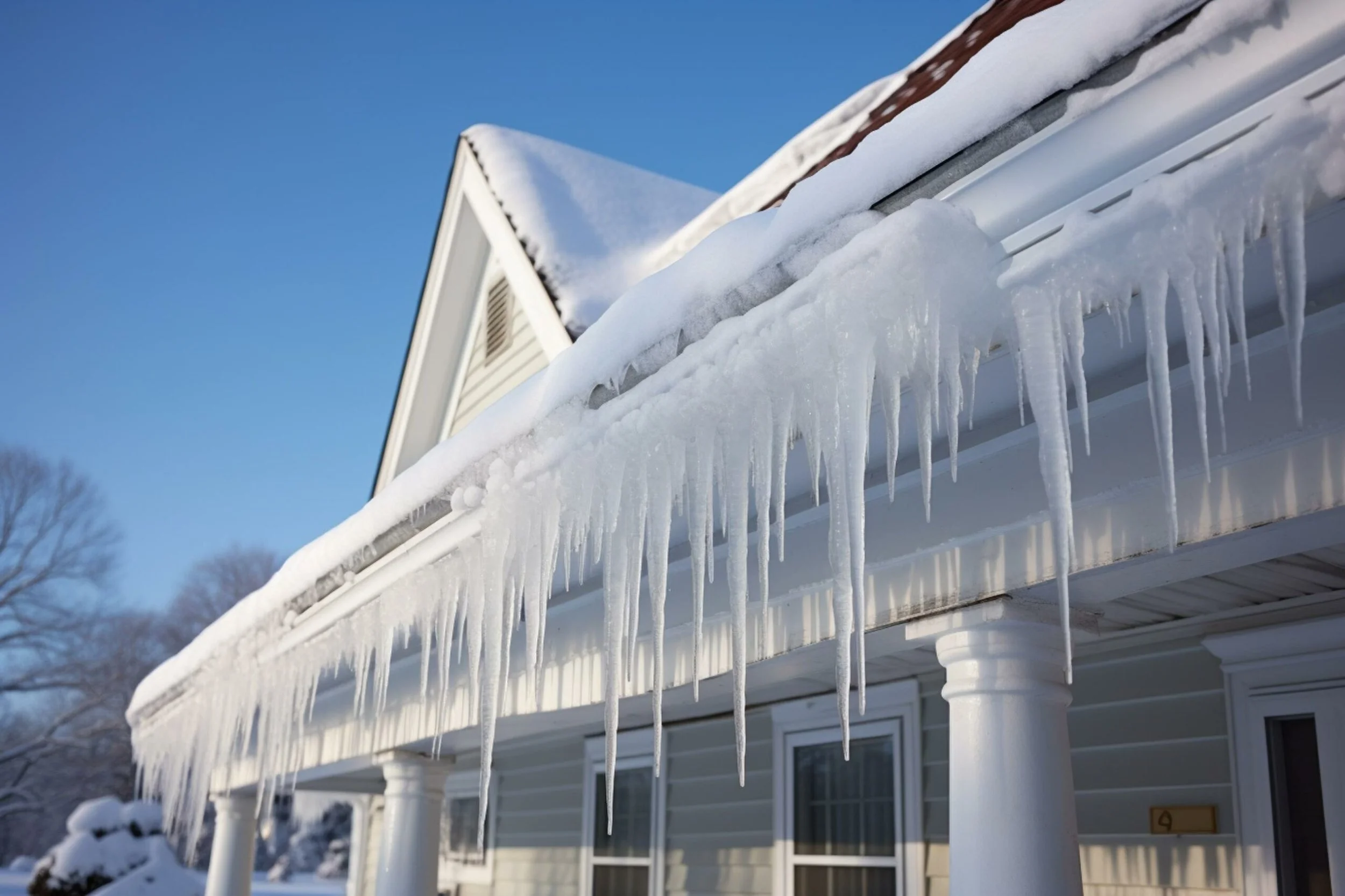
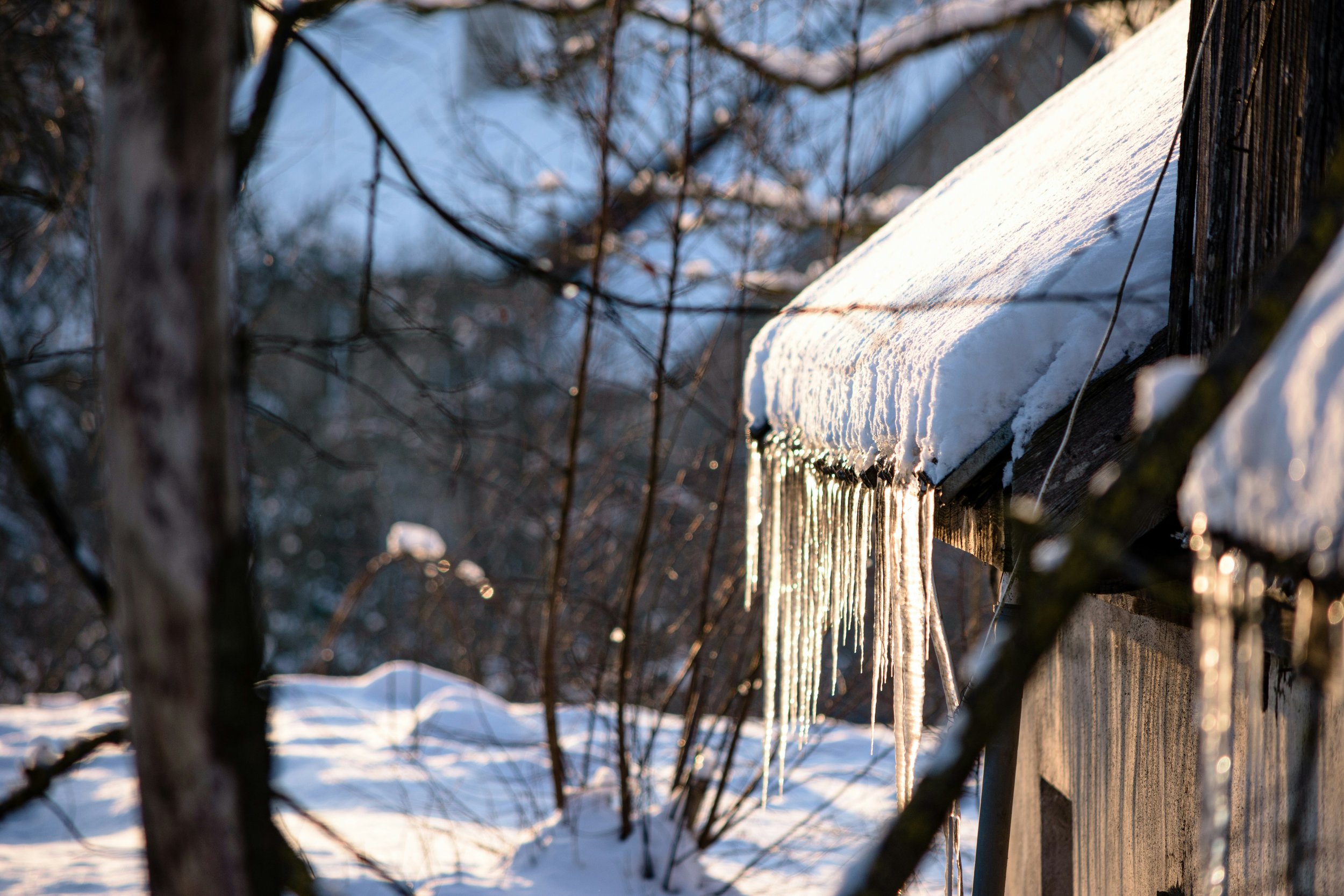
Over the past few weeks, have you noticed huge icicles hanging from a lot of houses in your neighbourhood? Have you noticed the ice damming – those thick ridges of ice hanging from the eaves? Have you wondered why some houses have those icicles and some don’t?
Those icicles might look picturesque, but that heavy chunk of ice is a dangerous and expensive roof repair waiting to happen.
It’s also a sign of a house that is wasting hundreds, if not thousands of dollars a year on air conditioning and heating.
Let me explain what I mean.
Ice damming, if left unchecked, can tear off gutters, loosen shingles and back up water into your home, causing massive interior leaks and mould growth. These repairs can be very costly – and insurance doesn’t typically cover this kind of damage.
What causes these ice dams? In most cases, the ice dam is a direct result of inadequate attic insulation and an attic ventilation system that just isn’t up to the job.
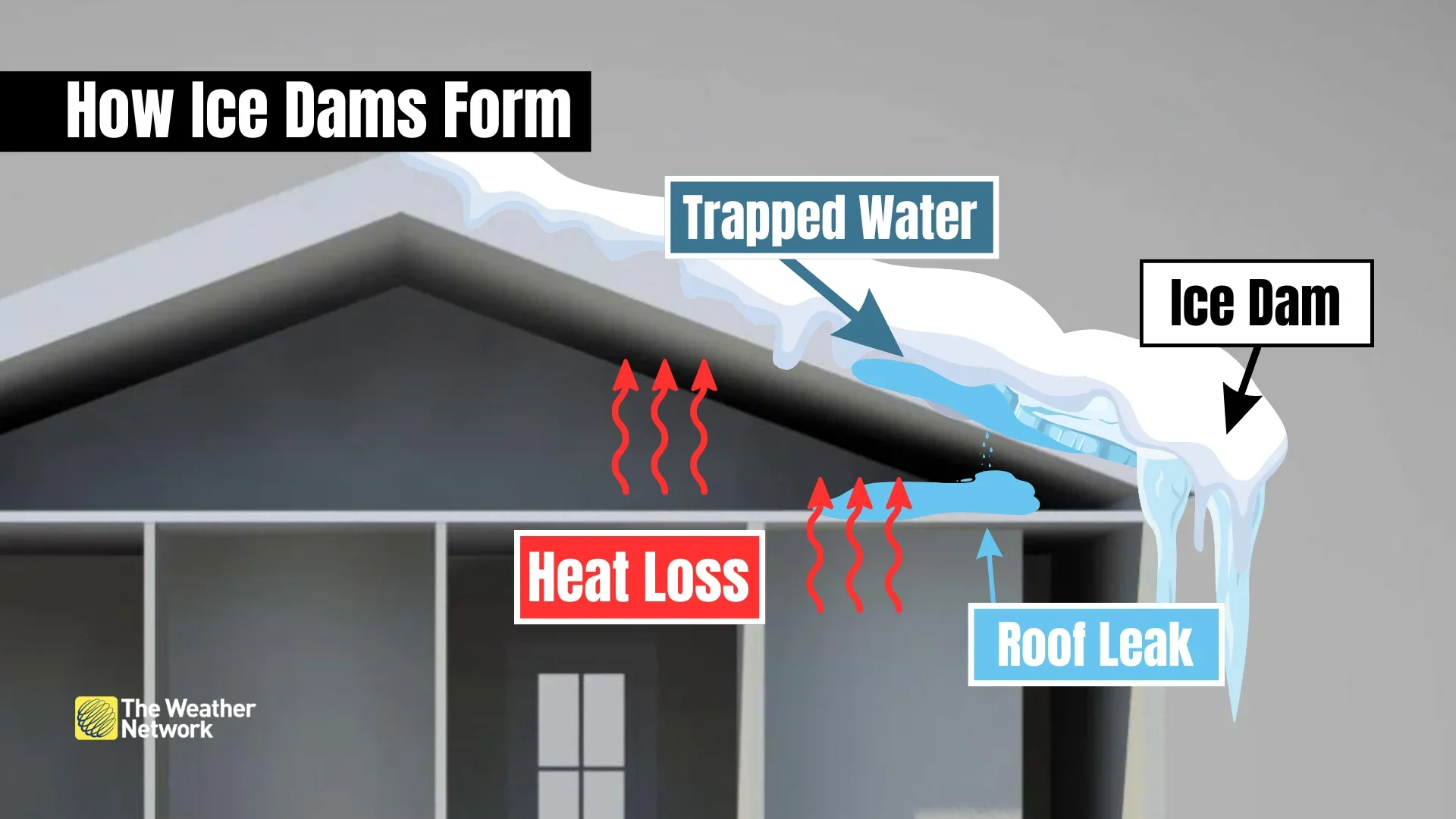
Ice dams form when the heat escaping from your house through your attic melts the snow on your roof from the underside. The water flows down your roof shingles, but re-freezes at your gutter or eaves forming a dam. The melt water continues to flow but is blocked by the ice. It has no place to go, so it backs up and seeps into your walls, causing interior leaks, mould and other damage. And that’s an expensive fix.
Heat escapes; melts the snow; water freezes; the dam grows. You pay.
How do you fix ice damming?
The fix is actually pretty simple and economical. If you have ice damming, chances are you need more insulation and you need to improve the air circulation in your attic. 80% of homes built before 2009 – and too many homes built since then! – have roughly half or less of the insulation that the modern building code requires.
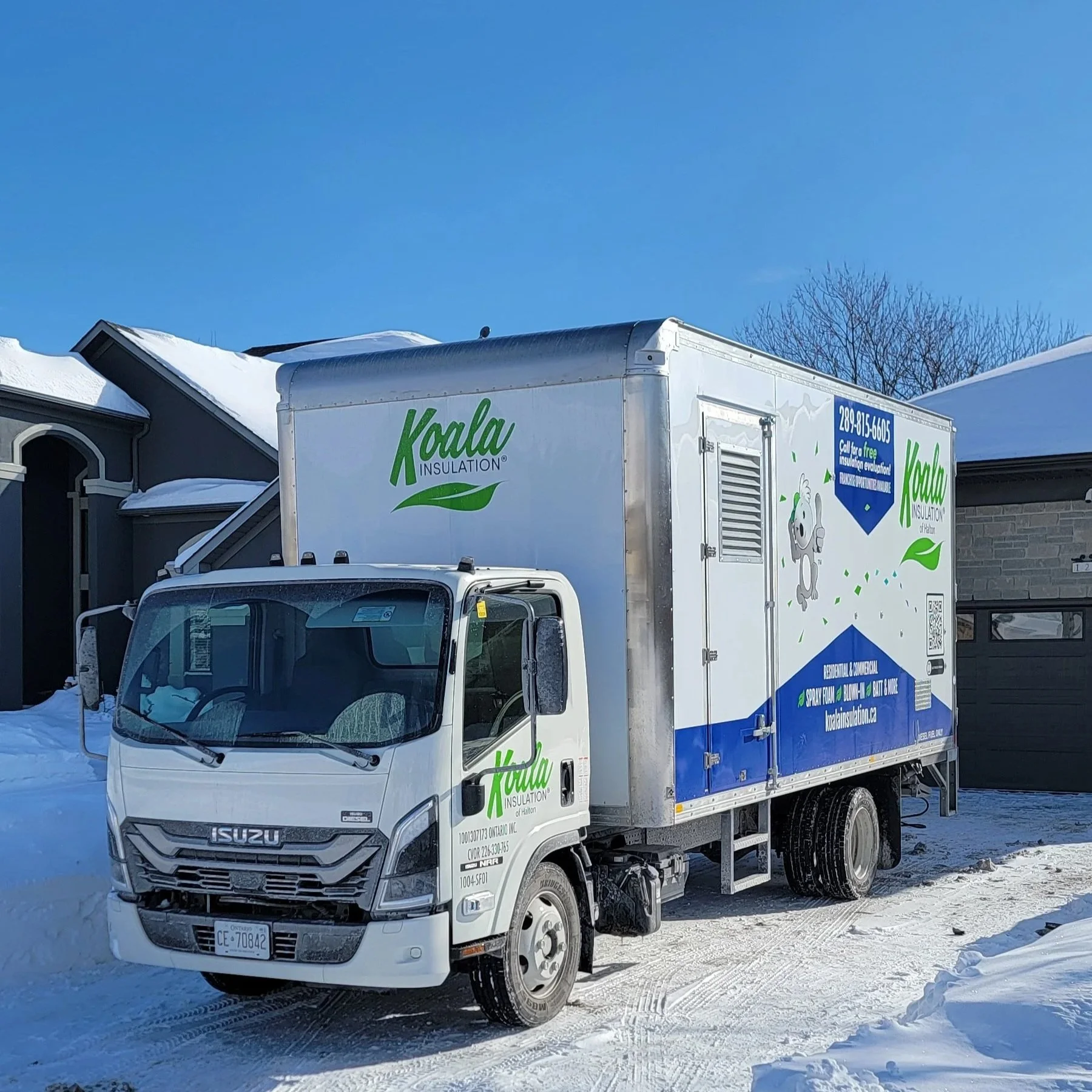
To fix ice damming, trust the experts at Koala Insulation.We are Halton’s trusted insulation contractor and we’re all about making your space more comfortable and efficient.
Upgrade your attic insulation.
If your attic floor isn’t properly air sealed and insulated, you are paying to heat the outdoors. The modern building code requires approximately 20 to 22 inches of attic insulation to act as a thermal barrier to keep the heat in your living space and out of your attic. Most attics – even relatively new homes - have less than half that amount.
“Topping up” your attic insulation - or removing and replacing the old insulation - is a great way to dramatically increase the energy efficiency of your home.
Upgrade your attic ventilation
The ventilation system of your attic works hand-in-hand with the insulation. Intake vents, at the soffits (that’s the overhang next to your gutters), and exhaust vents near the roof ridge are designed to create a continuous flow of cold outside air through the attic. This air flow flushes out any heat, keeping the underside of your roof deck cool enough to prevent snow from melting and ice dams from forming.
This passive venting system is how most houses were built over the last hundred years. But during the coldest days of winter and the hottest days of summer, this passive system needs a mechanical boost.
This is why more and more houses are installing a solar-powered attic fan to boost the air flow in attics to push warm moist air out of your attic. Added bonus: in summer, venting the hot air of your attic outside will reduce the stress on your AC, saving you hundreds on your electricity bill.
How much lower could your utility bill be if you could run your furnace in winter and your AC in summer 20 – 30% less? How much money will you save on costly roof repairs? It all starts in your attic.
To learn more and to keep your home in tip-top shape in winter and year round, connect with me.
Let’s find and implement solutions together.
Michael Ras
Owner/President, Koala Insulation of Halton
289.815.6605
koalainsulation.com/ca/halton