Meandering in Mississauga’s Old Malton
/
Malton Town Site Plan, 1877 Historical Atlas of Peel County.
Malton is a fascinating part of Mississauga – it truly has some stories that make it unique amongst the founding villages of Mississauga. While Malton has certainly had numerous published and unpublished histories, including A Study of Malton by Donald Paterson (1957), Malton Memories: Pioneers to Airport by Angus Scully, et al (1981), and Malton: Farms to Flying by Kathleen Hicks (2006), for me they all hint at the same underlying theme: there is a lot we do not know, a lot that remains unrecorded or relatively uncelebrated about Malton’s history.
That Malton was home to several newspapers over time is another chapter of Malton’s unique identity: The Malton Times (c1944), The Malton Pilot (1969-1977), The Malton Courier (c1973), The Malton Mercury (1977-c1978), and The Malton Messenger (1979-c1980) all contributed to and helped to document the unique Malton story.
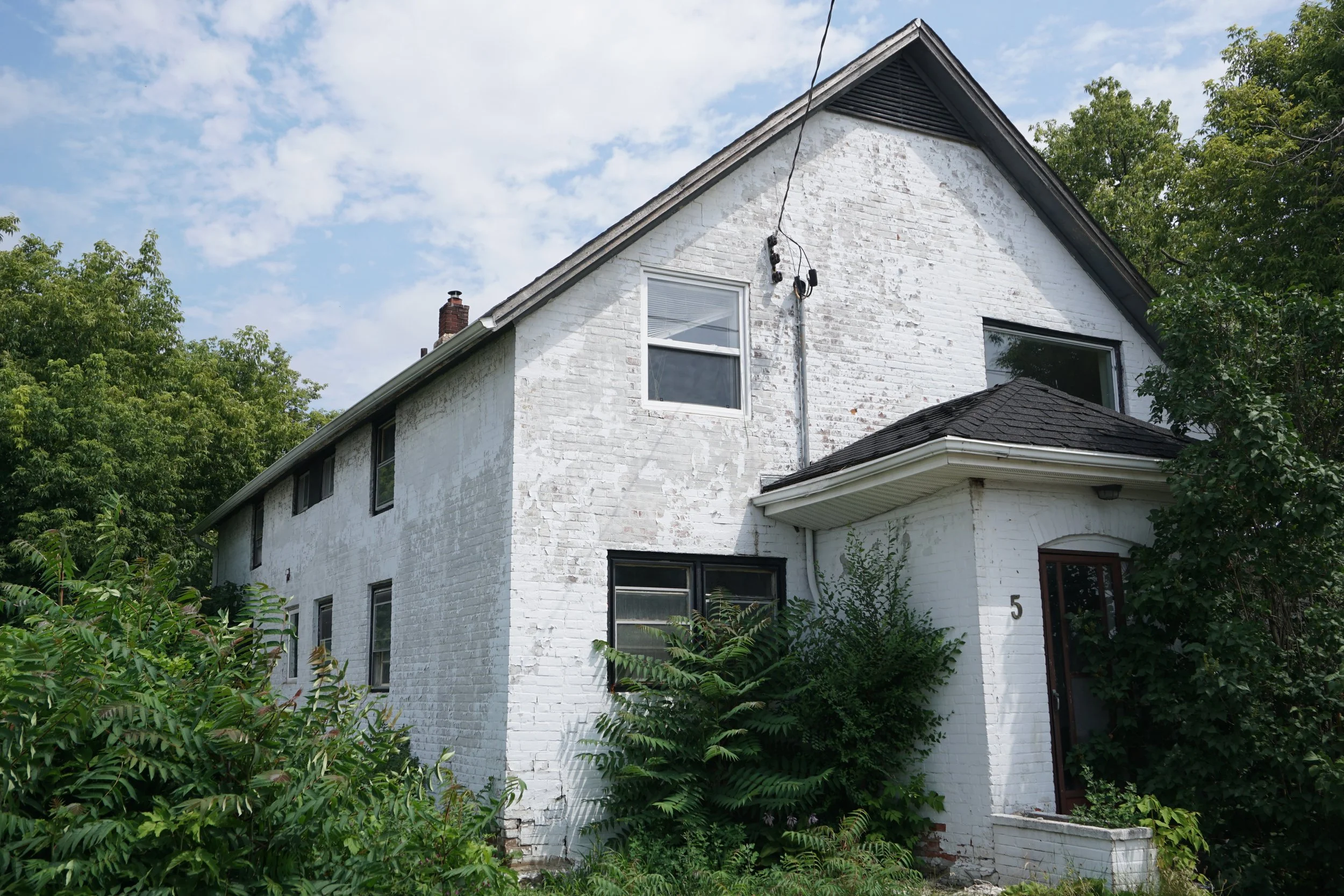
Former Trinity Methodist Church.
Settlement began in the Malton area shortly after the 1819 “New Survey” of Toronto Township (historic Mississauga). One of the earliest recorded settlers, Samuel Moore, arrived in 1823. The community developed around what is now the “four corners” of Derry and Airport roads, and by 1850 the village consisted of a general store, a cobbler shop, several hotels and churches, and a blacksmith shop. The arrival of the Grand Trunk Railway in 1854 provided impetus for growth. In 1855, the Malton town site, now referred to as “Old Malton”, was laid out by surveyor John Stoughton Dennis.
The Malton area began to see its first settlers in the early 1820s, it is unclear when the name of “Malton” became associated the area. A local “legend” has indicated that Richard Halliday named the area informally around 1820 after his birthplace (Malton, England), but there is little proof to support this naming story for the village.
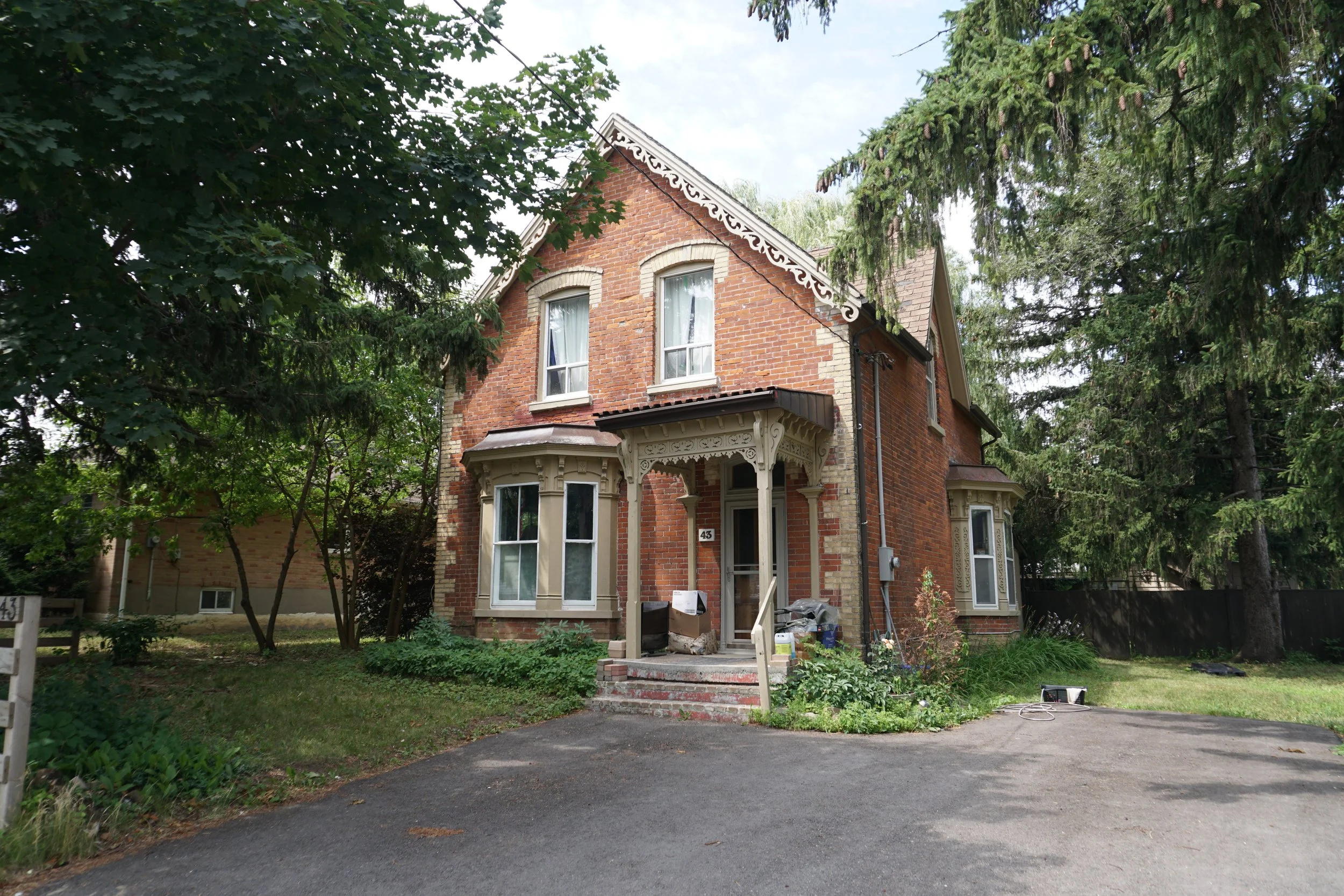
Hutchinson-Stubbs House.
The name of Malton came into formal existence with the registration of the town site survey by John Stoughton Dennis on October 5, 1855, and with the opening of the first post office under Postmaster Isaac Sanderson in 1856. The town site, at the northwest corner of what is now Derry Road and Airport Road, was laid out as a railway town in conjunction with the Grand Trunk Railway developments. The road network from this 1854 survey of “old Malton” is largely intact today and is a unique if relatively unknown part of Mississauga’s history.
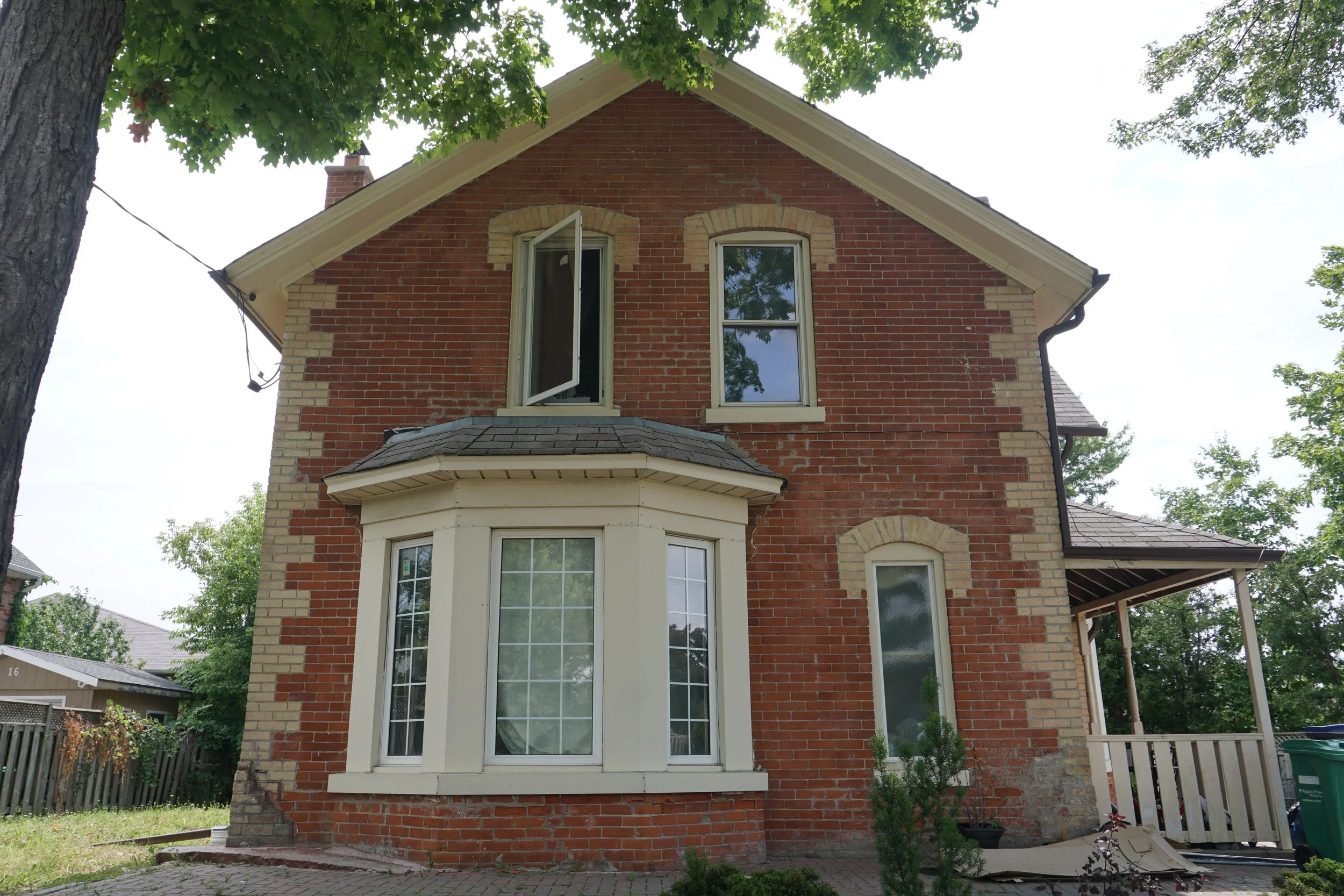
Tomlinson House.
The street names of the old Malton town site all derive from place names in Yorkshire England, much like the name of Malton itself. North Alarton (a misspelling of Northallerton in Yorkshire), Knaseboro (after Knaresborough in Yorkshire), Beverley (a 13th century town and famous racecourse in Yorkshire), Harrow (after Harrogate in Yorkshire), Scarboro (named for Scarborough in Yorkshire), Studley ( named for Studley Royal Park in Yorkshire), Hull (likely a reference to Kingston-upon-Hull in Yorkshire), Ripon (after the Cathedral city of the same name in Yorkshire) and Cattrick (named after Catterick in Yorkshire) all seem to confirm that the name Malton and the streets that formed the old town site were inspired by the countryside in Yorkshire, England.
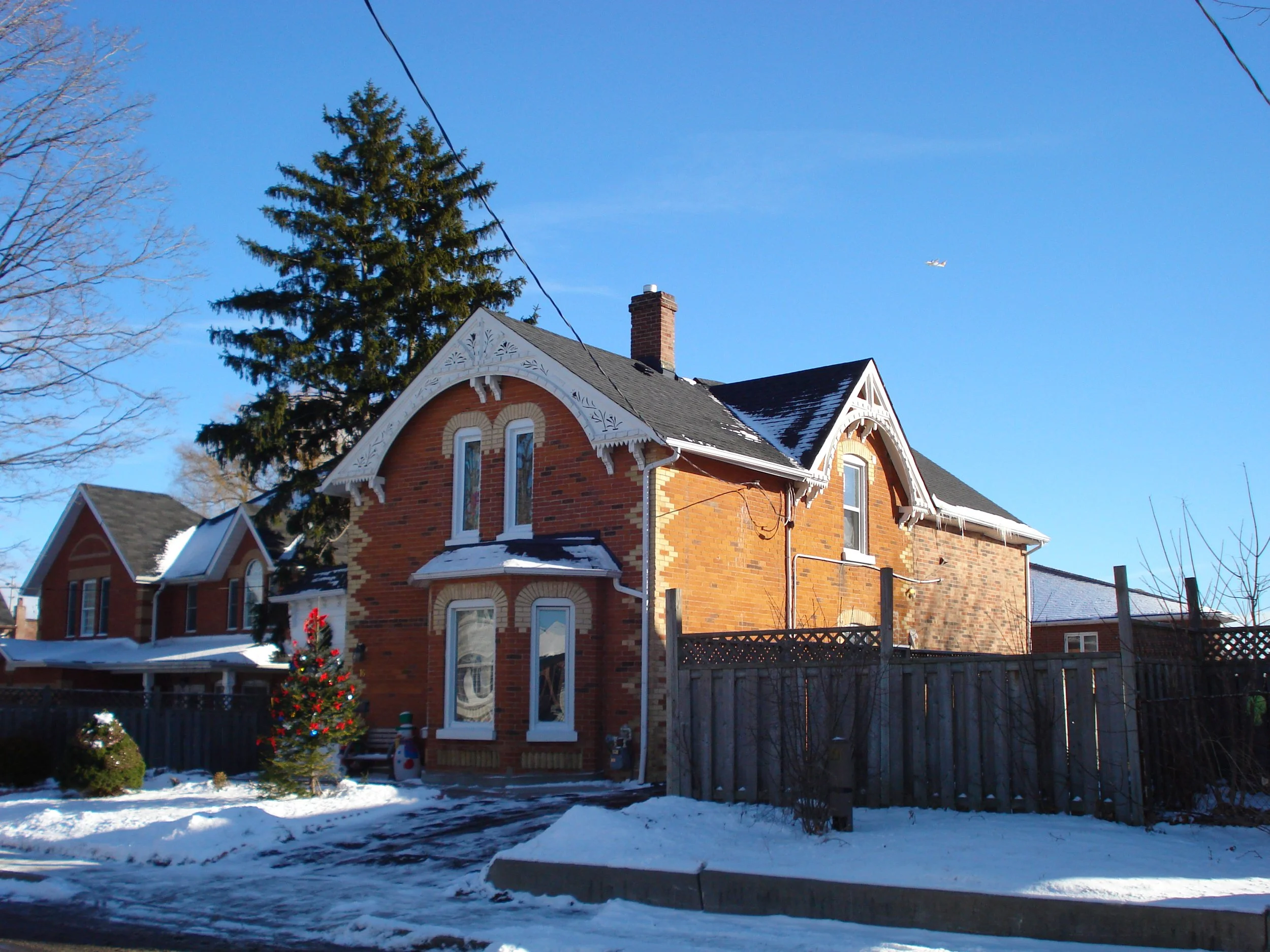
Tomlinson-Johnston House.
In our effort to uncover more of the story of old Malton, we uncover names we know precious little about: James Sanderson and George Blain are two such names. Who were they, why did they come to own many of the early village lots, and did they leave anything behind to tell of their Malton story? The two former Tomlinson houses, built circa 1884, survive as significant heritage landmarks along Scarboro Street. Another beautiful heritage home on Sledman Street hints at a construction date of circa 1870, but who built it? The style of construction would suggest some level of prosperity, but it remains a bit of a mystery. The former Trinity Methodist Church building and adjacent parsonage, now both privately owned, survive on Burlington Street – albeit the old church is in need of some significant help. The old common laneways that allowed for carriage access to the rear of village lots, as surveyed by John Stoughton Dennis in 1855, remain on the landscape, as does what was formerly laid out as the market square.
Old Malton truly is a fascinating place to wander and wonder about.