Exploring Mississauga’s Sherwood Forrest
/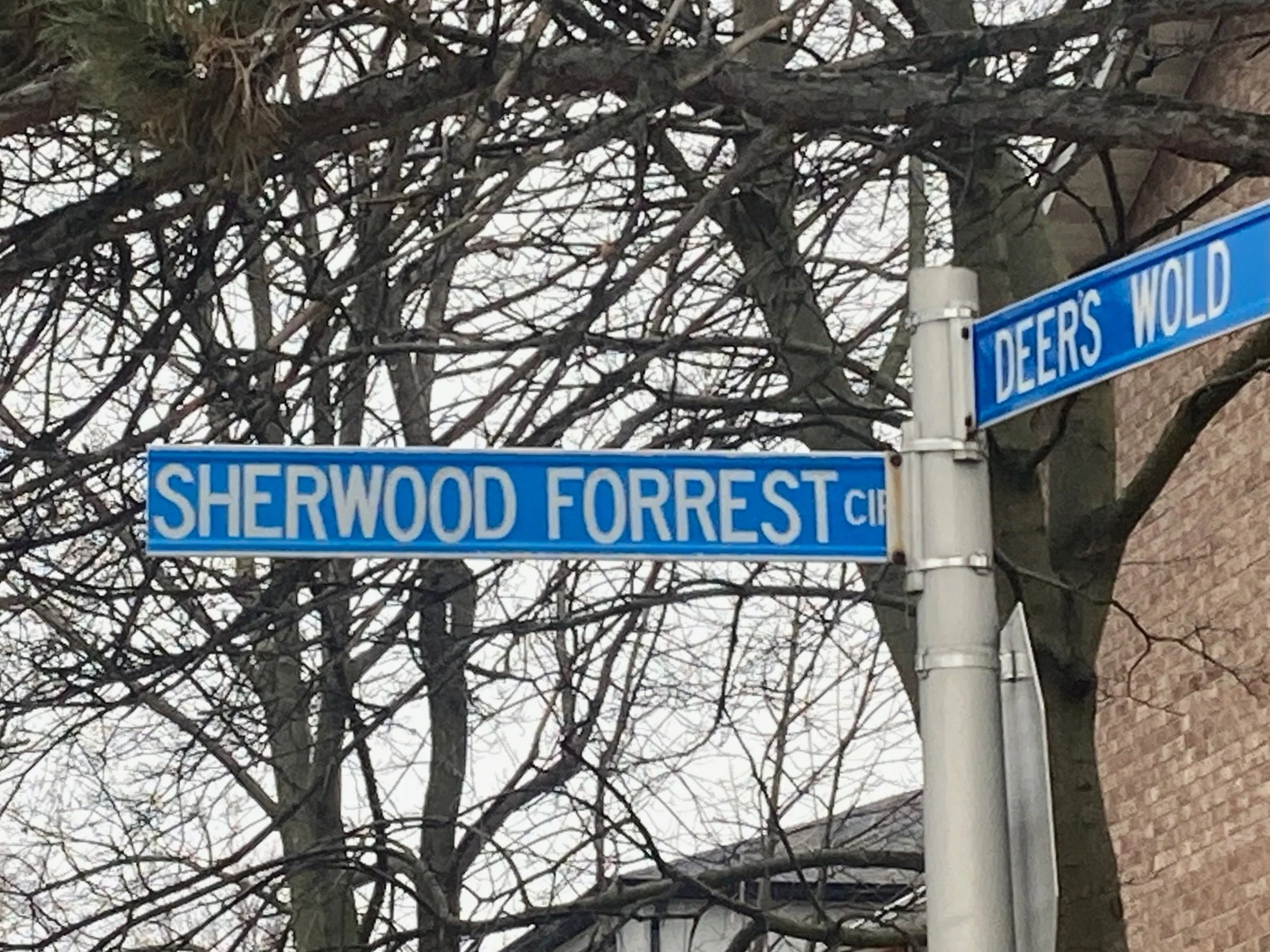
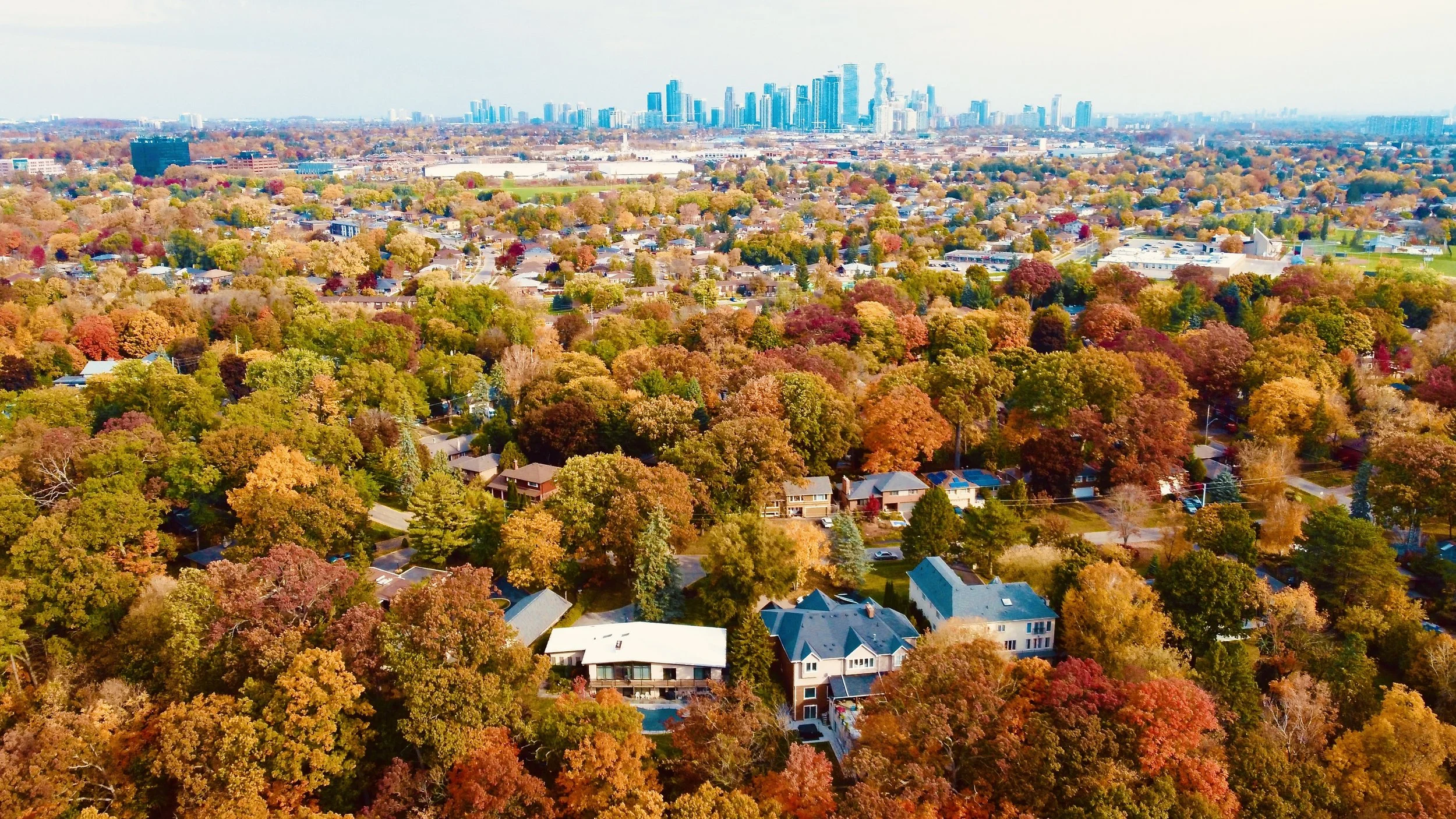
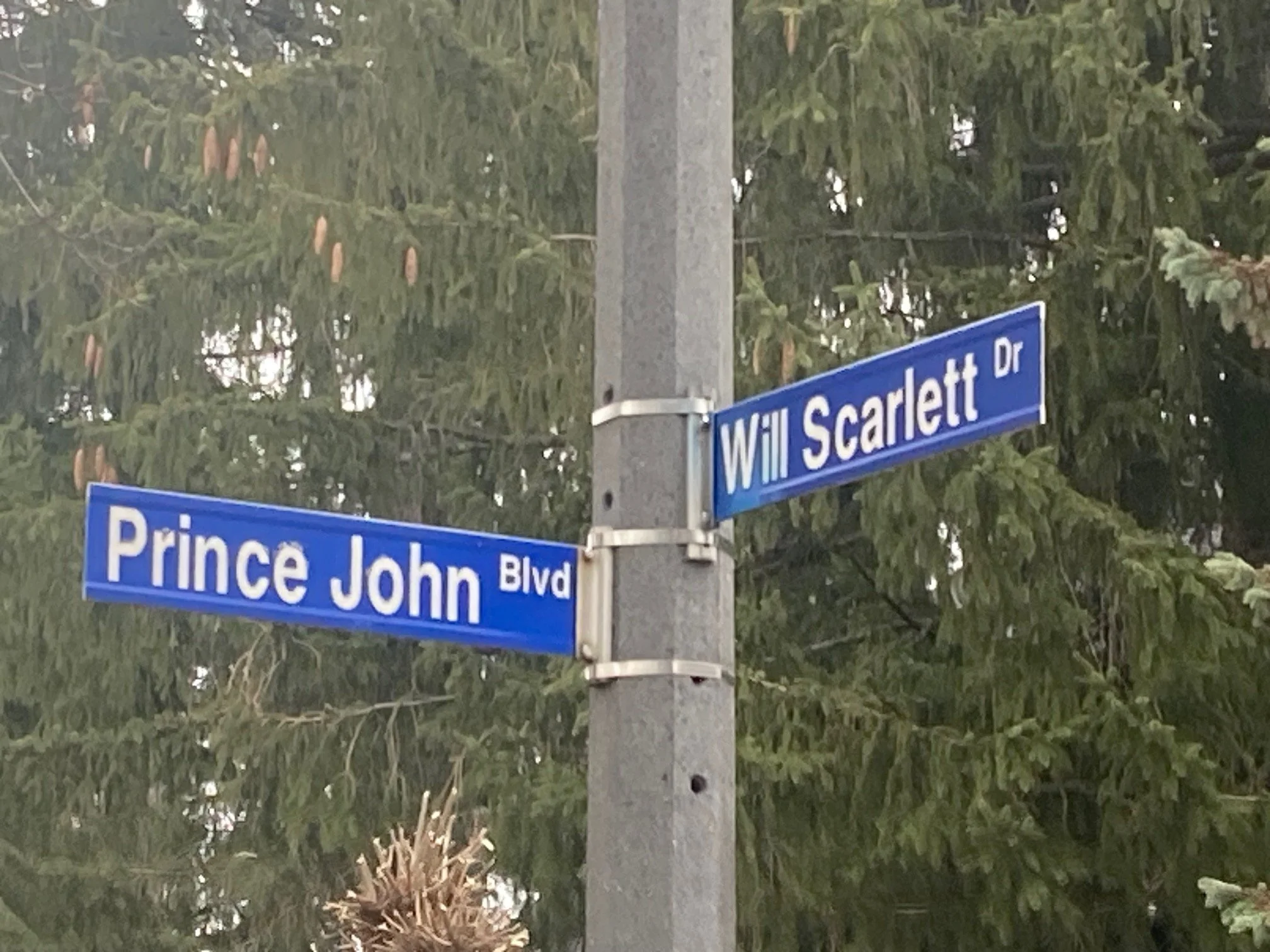
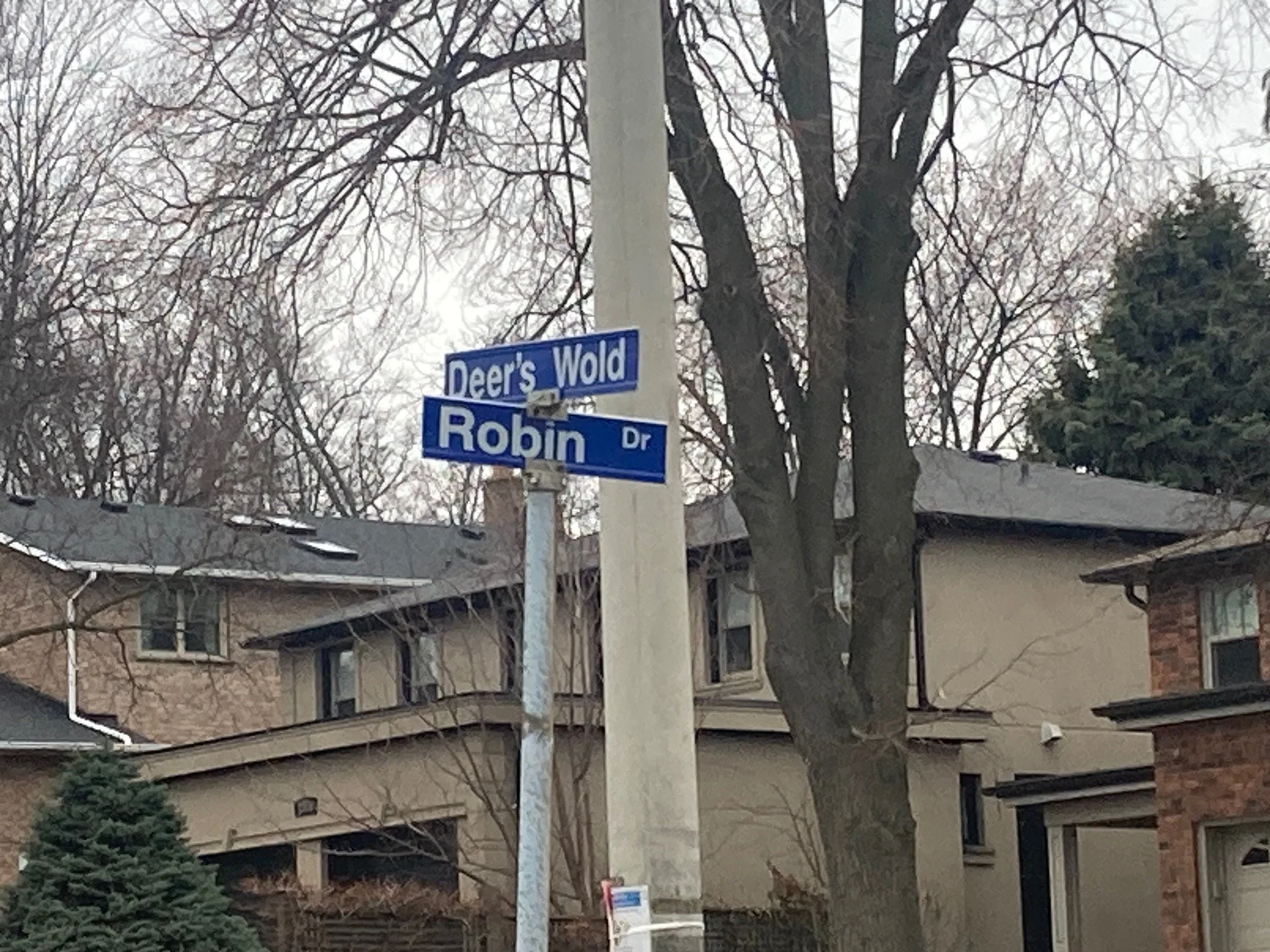
The names are straight out of English literature and the fabled stories of Robin Hood: Sherwood Forrest, Maid Marian, Prince John and Will Scarlett amongst others. Hard to imagine Robin Hood in the wilds of historic Mississauga, so what on earth are those name references doing here?
The Sherwood Forrest subdivision was developed by Oughtred Brothers (Arthur, Wallace and Gordon Oughtred) under the name of Idlewyde Developments of Ontario Ltd. Much of the land that makes up the Sherwood Forrest subdivision today was acquired by the Oughtreds in 1956, and they briefly operated a market garden store at the corner of Mississauga Road and Dundas Street West known as the Springbank Fruit Market.
But let us step back a bit first.

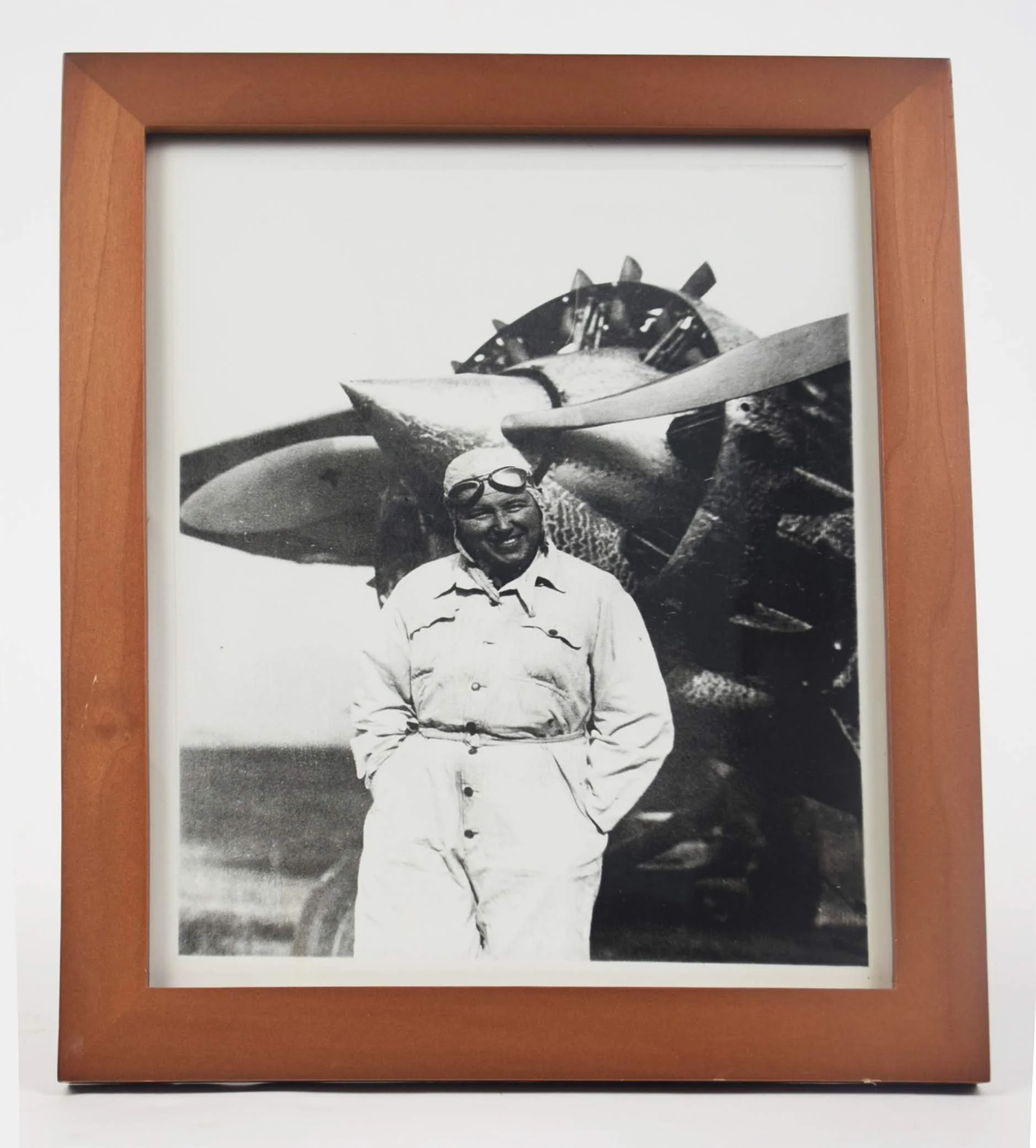
Part of the Sherwood Village area in the foreground, c1910.
Sherwood Forrest is located within a tract of land historically known as the Racey Tract, which was ceded to The Crown by the Indigenous Mississauga with Treaty 23 in 1820. The area was part of a larger 100-acre parcel, which was first granted to Thomas McEwan in 1828. In 1829 McEwan sold the property to miller John McGill, whose primary interest lay in the watercourses of the Credit River and Sawmill Creek. In 1835 the property passed to his son, Henry McGill, who in turn sold the property to John Wilson in 1870. In 1876 the property was purchased by William Devlin, who may have been the first to build a house here. The Devlin family operated a nursery and market garden farm on the property. William Devlin’s son, Percy Devlin, who was listed as a “nursery man” by profession, enlisted with the Canadian Expeditionary Force during the First World War. He was severely wounded at Courcelette on September 22, 1916 and died 3 weeks later.
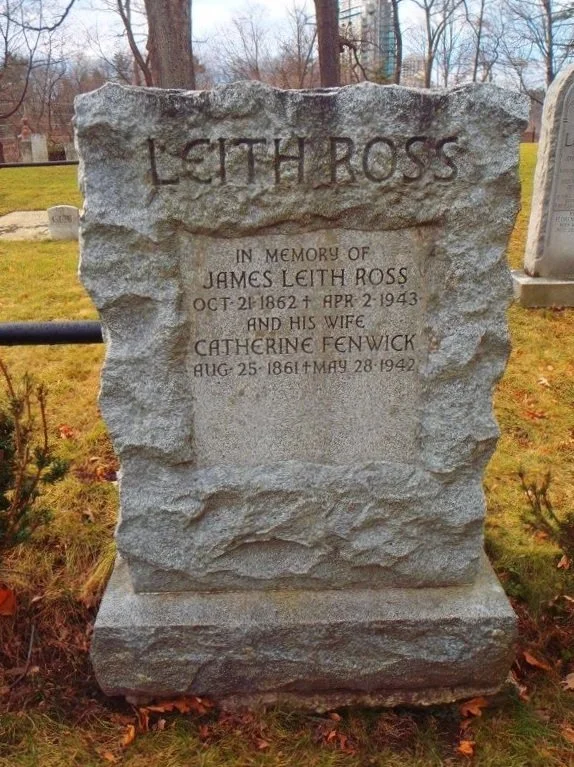
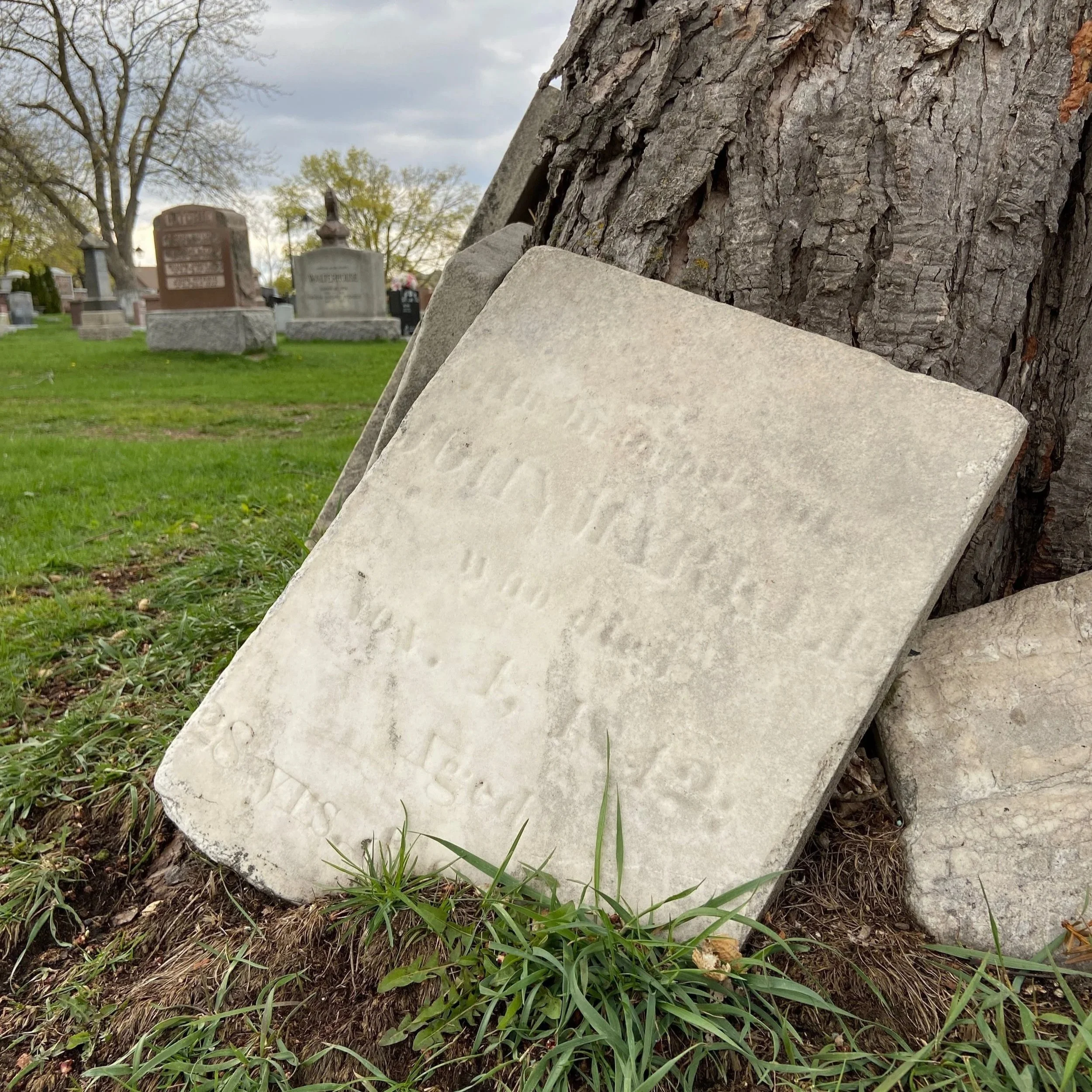
James Leith Ross gravestone, St. Peter's Anglican Cemetery.
60 acres of the property were acquired by James Leith Ross in 1909, and the property became known locally as Ross’ Hill. James Leith Ross, who was a barrister from Toronto, built a large summer house on the property shortly after 1909. The Ross family also closed the original “wagon road” access to the property and opened a new driveway access from Dundas Street (which remains today, although closed). They also built a gatehouse. The home (and property) was dubbed “Brookside”. However, another note refers to the property as the “Hedge Farm”.
James Leith Ross held several public offices, was a notary, barrister and justice-of-the-peace. He also served as a warden and delegate for St. Peter’s Anglican Church in Erindale. In 1926 he donated several hundred dollars towards church repairs. Of Scottish ancestry, James and Catherine had six children: Barbara, Catherine, Helen, Mary Elizabeth, Douglas and James Leith Jr. Both James Sr. and Catherine are buried at St. Peter’s Anglican Cemetery in Erindale, across from their former property.
Part of “Ross’ Hill” was cut back in 1965 for the widening and leveling of Dundas Street. The gatehouse, which stood on the south side of Dundas Street at the foot of the second driveway (now closed), was removed at this time.
The property was inherited by James Leith Ross Jr. in 1943, and on April 10, 1946 the property was severed, with a portion being sold to Arthur, William and Gordon Oughtred. The Oughtred brothers registered the property as “Oughtred Fruit Farms”. Another part of the Ross property, including the Ross’s former “Brookside” estate, would come to be home to the Carmelite Sisters in 1952 (this is the property currently undergoing redevelop under the name Abacot Hill).
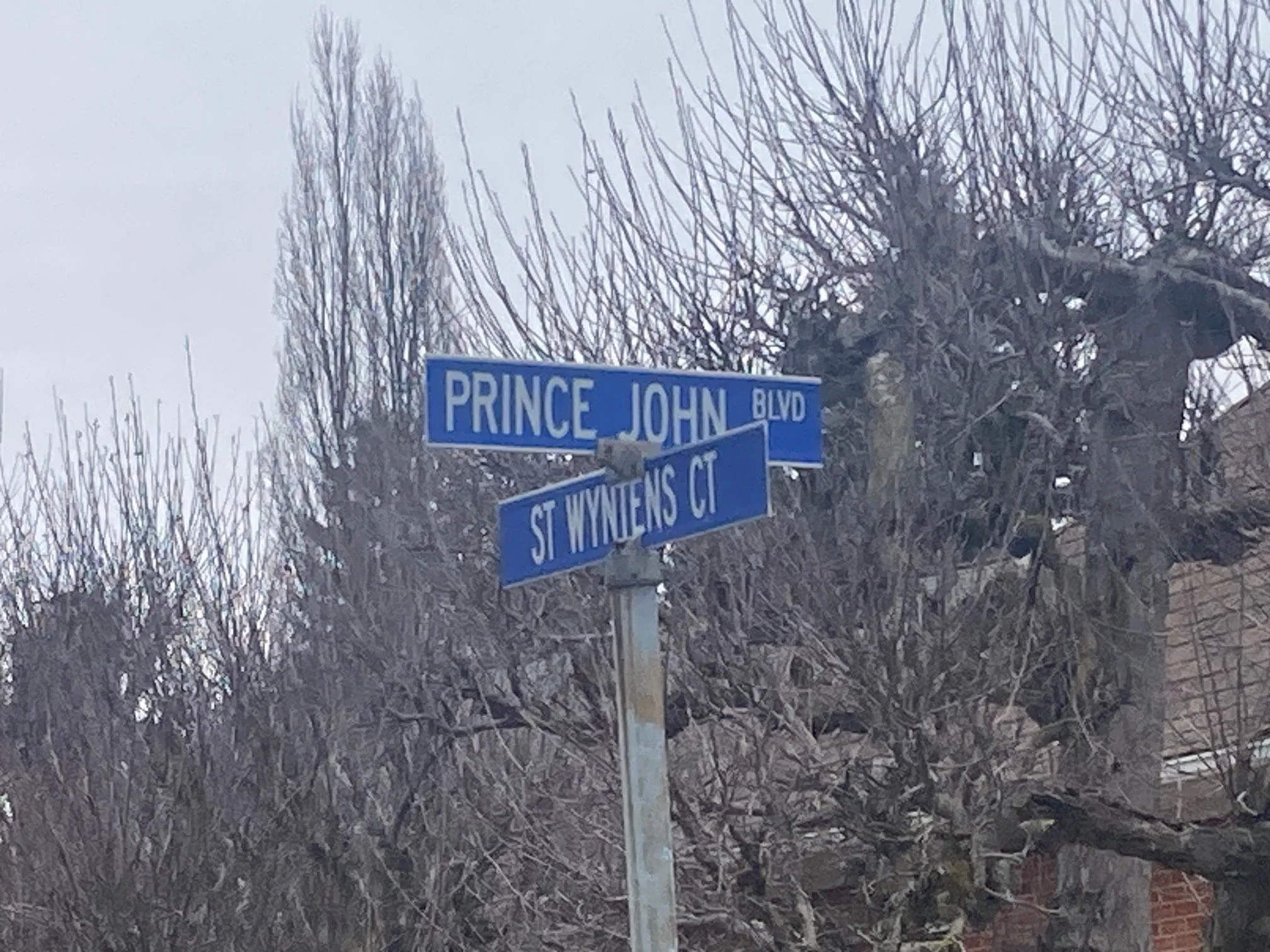
In 1950 the Oughtred brothers submitted a subdivision plan, with building beginning in 1960-61. The first streets to be opened in the development were Robin Drive (north of what is now Lincoln Green Way) and Will Scarlet Drive, followed by Lionheart Crescent and Prince John Boulevard. The streets names for the subdivision were selected by the Oughtred family from characters and places referenced in the Robin Hood saga from English literature. They were inspired by part of their property they referenced at first as a “Masting Lot” – or a King’s Forrest. Part of the development includes Dean Henderson Park, which is named in honour of Mississauga first Town Manager from 1969 to 1973.