2026 Mississauga Election Candidate Profile: Ward 3 - Mendi Kabashi
/With the upcoming 2026 Municipal elections happening on Monday, October 26th, Modern Mississauga Media has reached out to all candidates inviting them to answer the same questions so voters can familiarize themselves with them.
With the 2022 Mississauga election having a paltry 21.84% voter turnout, this series is to educate the community and hopefully increase voter turnout for 2026.
Low voter turnout means that the voices of a few make decisions for all.
Candidate’s were also asked to provide at least four images and their answers are unedited.
Click here to read all candidate profiles and check back often as responses will be posted within 72 hours of receipt.
Click here to learn how to vote in the 2026 Mississauga Election.

1. Why are you running for Ward 3 councillor?
I am running because Ward 3 deserves leadership that is present, accessible and focused on results.
As I speak with residents at their doors, I repeatedly hear the same concerns: unfinished infrastructure, rising costs, public safety, traffic, neglected public spaces and a feeling that people are not being heard. Residents should not have to repeatedly chase their elected representative for answers or wonder whether an issue will ever be resolved.
Leadership and service are not new to me. At 17, I left home to begin five years of military officer education and training in Italy. My career has since taken me through law, government service, board leadership and more than a decade of managing large condominium communities.
I am also a Ward 3 resident and a mother of two. I understand the pressures facing families because I live them. I am running to bring practical leadership, responsible decision-making and real follow-through to City Hall.
I listen. I follow through. I get results.
2. What makes you stand out over other candidates?
What sets me apart is the combination of leadership experience, professional expertise and direct accountability to the people I serve.
As a Senior Condominium Manager, I manage complex budgets, major contracts, building infrastructure, emergencies and the daily concerns of hundreds of residents. In my profession, problems cannot simply be acknowledged—they must be investigated, assigned, followed through and resolved.
My background also includes military leadership, five years of military officer training in Italy and a Master’s degree in Law, along with service as a government legal advisor and experience as a condominium board president. These roles taught me discipline, sound judgment and the importance of being accountable for every decision.
I am not a career politician. I am a community manager and a problem solver. I will evaluate each issue based on evidence, affordability and its effect on residents—not political labels or established interests.
Experience matters, but results matter more.
3. What are your key campaign priorities?
My campaign priorities are:
Improving public safety through stronger cooperation among police, schools, businesses, community organizations and residents, while balancing prevention with effective enforcement.
Protecting taxpayers through disciplined, transparent and accountable municipal spending.
Addressing unfinished and delayed roads, infrastructure and neighbourhood projects with clear timelines residents can track.
Improving transportation by considering the needs of drivers, transit users, pedestrians and cyclists without supporting designs that unnecessarily make daily life more difficult.
Creating better parks, public spaces and community amenities for children, families, seniors and people with disabilities.
Ensuring new housing and development are supported by infrastructure, services and walkable destinations such as independent cafés, restaurants, bakeries and shops.
Housing alone does not create a community. Residents also need safe streets, reliable infrastructure and welcoming places where they can meet, spend time and build relationships.
4. What budget item is the most important for Mississauga?
The most important budget priority for Mississauga is investing in infrastructure and keeping existing assets in a state of good repair.
Residents depend every day on safe roads, reliable transit, stormwater systems, parks, community facilities and other essential infrastructure. Delaying necessary maintenance does not eliminate the cost, it often makes the eventual repair more expensive.
However, approving funding is only the beginning. Council must also monitor whether projects are delivered on time, within budget and according to the promised scope. When a project is delayed or its cost increases, residents deserve to know why, who is accountable and what will happen next.
Every major expenditure should be examined by asking: What does it cost? Who benefits? When will it be completed? What caused any delay or increase?
Residents are not an ATM. Every tax dollar must produce measurable value for the people who contributed it.
5. What are your three favourite aspects of Mississauga?
First, our people. Mississauga’s diversity is one of its greatest strengths. People have arrived here from every part of the world and contributed their skills, traditions, businesses and aspirations to our shared city.
Second, our neighbourhoods and green spaces. Mississauga has established communities with their own character, beautiful parks and residents who genuinely care about where they live.
Third, our potential. Mississauga has the population, location, talent and economic strength of a major city. With thoughtful planning and accountable leadership, it can become an even more connected, vibrant and people-centred place to live.
6. How will you be actively supporting our locally owned businesses if elected?
Locally owned businesses create jobs, animate our neighbourhoods and provide the places where residents meet and build community. Supporting them must be incorporated into planning and economic-development decisions, not limited to promotional statements.
I would work directly with local business owners to understand the barriers they face, help them navigate municipal processes and ensure they are consulted before decisions affecting access, parking, construction or neighbourhood traffic are finalized.
I would also support community events and campaigns that introduce residents to local businesses and examine responsible opportunities for smaller businesses to participate in municipal procurement.
As Ward 3 grows, we must create conditions in which independent cafés, restaurants, bakeries, shops and service providers can succeed within walking distance of residents. Development should create complete, vibrant communities, not neighbourhoods that feel like dormitories where people must leave the ward for every service or experience.
7. What does Mississauga currently excel at?
Mississauga excels at attracting people, talent and investment from around the world. It has become one of Canada’s most diverse cities and a place where people from different backgrounds can live, work, build businesses and contribute to their communities.
The city also benefits from strong neighbourhood identities, valuable parks and recreation facilities, and residents who are deeply invested in improving their communities.
Our next challenge is ensuring that our infrastructure, public spaces, transportation and services keep pace with our growth. Mississauga has accomplished a great deal, but a successful city must continue improving rather than becoming comfortable with past achievements.
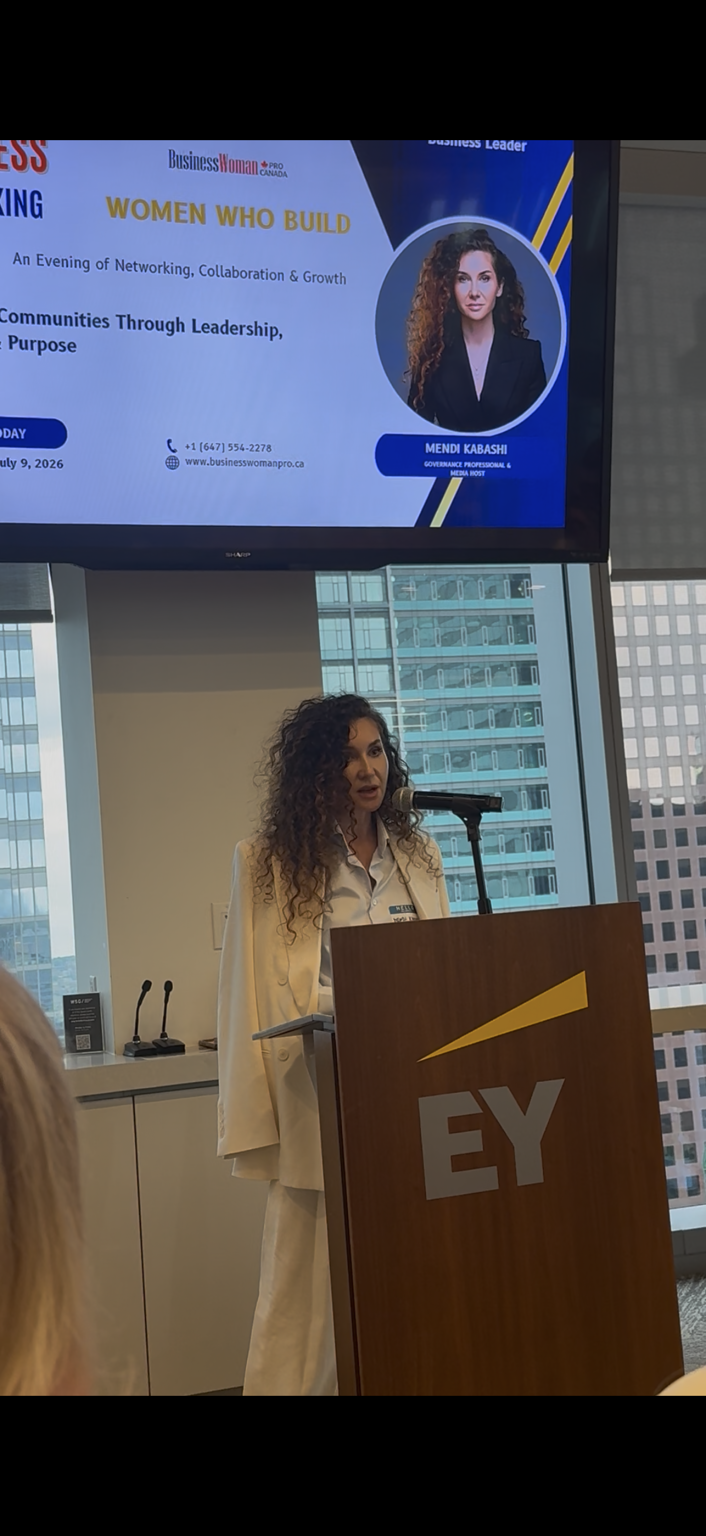
8. How would you communicate with residents, and what communication standards will you be setting and following?
My office would operate according to clear and measurable communication standards.
Resident inquiries would be acknowledged promptly, assigned to a responsible person and followed until there is either a resolution or a clear explanation of the next step. Residents should not have to continually repeat their concerns or wonder whether anyone is working on them.
I would provide communication through regular newsletters, social media, community meetings and scheduled town halls. I would also maintain a public list of significant unfinished Ward 3 projects, including their status, expected timelines and reasons for material delays.
Most importantly, communication must work both ways. A councillor should not only speak when there is an announcement or a photo opportunity. Residents deserve honest updates when work is progressing, when challenges arise and when something does not go according to plan.
9. How do you plan to actively involve and include residents in decisions?
Residents should be involved before major decisions are effectively finalized, not invited to comment after the direction has already been chosen.
I would hold regular town halls on a published calendar, with residents helping determine the agenda. I would also use neighbourhood meetings, surveys, online consultations and community visits to reach people who may not attend traditional public meetings.
Consultation must also be inclusive. Seniors, renters, condominium residents, parents, young people, people with disabilities, business owners and residents from different cultural communities must all have meaningful opportunities to participate.
Following major consultations, my office would publish a clear summary explaining what residents said, what changed because of their input and why the final decision was made. Engagement is meaningful only when people can see how their participation influenced the outcome.
10. Please provide your campaign website.
mendikabashi.ca