Modern Travel: Quebec's La Route des Belles-Histoires
/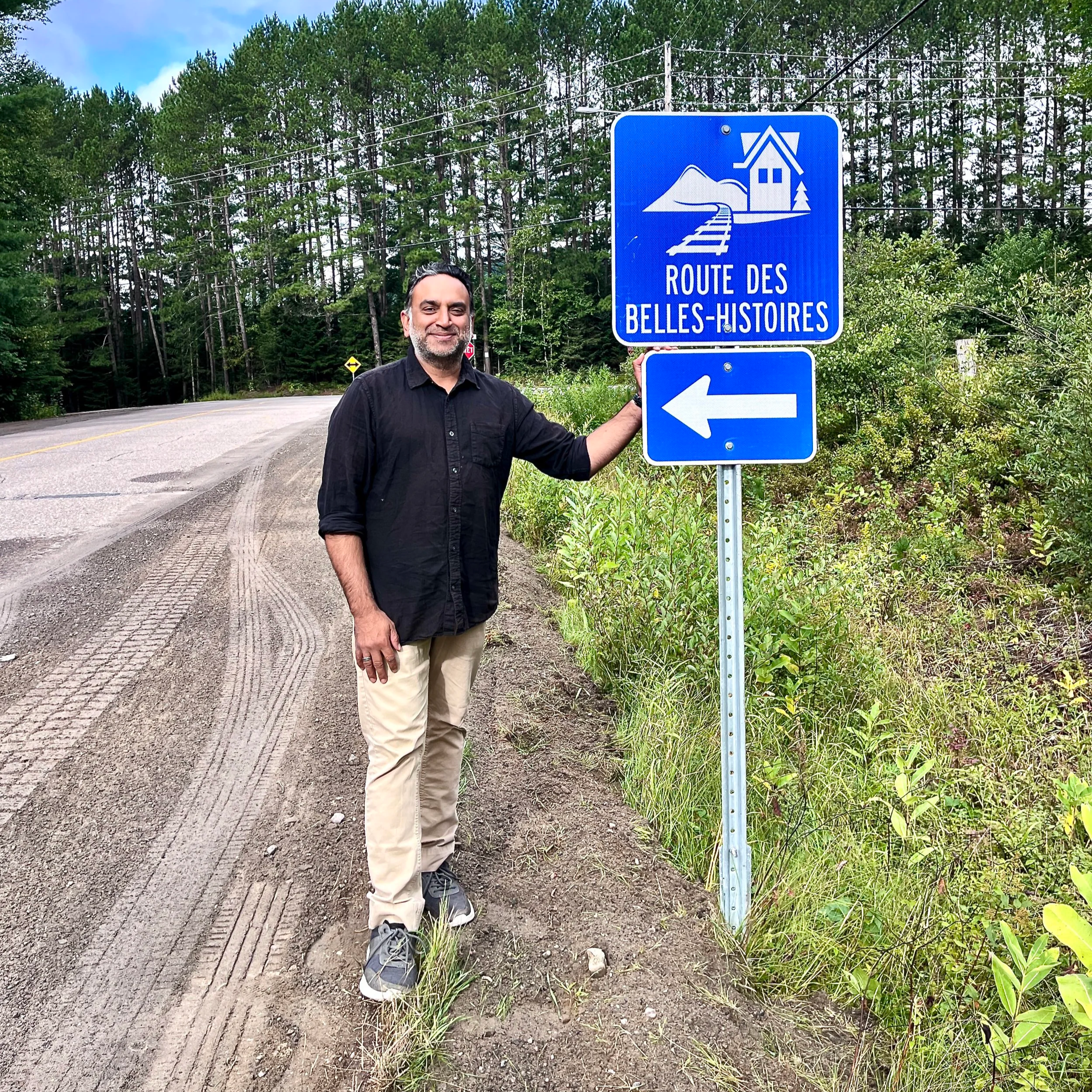
For the dozens of times I’ve experienced Quebec, I had yet to experience La Route des Belles-Histoires. It’s a fairly new attraction at just over a decade old and focusses on the areas rich rail history with other bits of beautiful history.
It’s a 284-kilometre adventure featuring over 60 sweet stops to learn about the history of the Laurentians Region Plus, there’s a handy app and website that provide an audio component to enhance your experience.
To help you plan, I’ve created a four-day itinerary to discover this beautiful historical route.
Day 1 - Saint-Jérôme
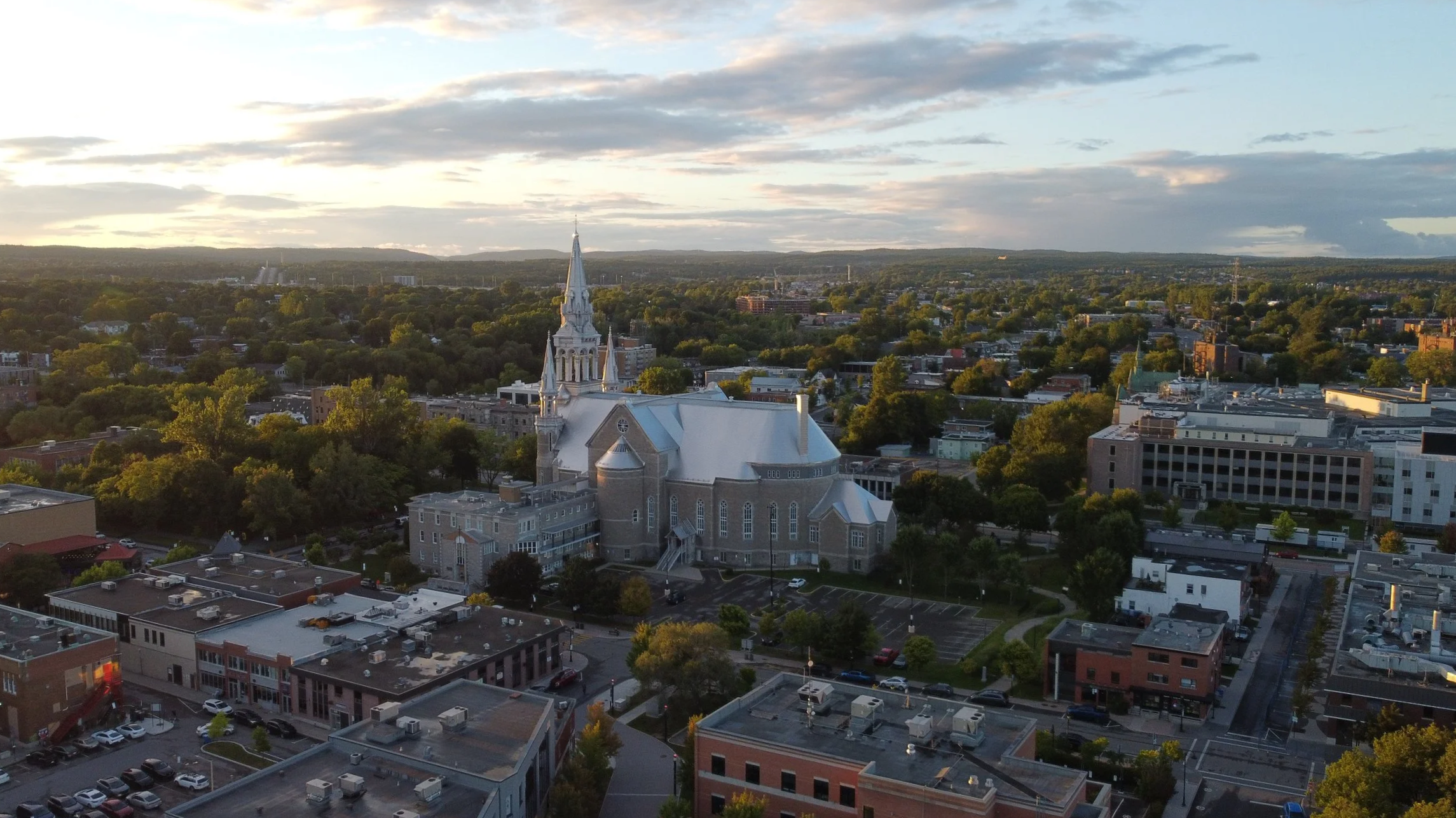
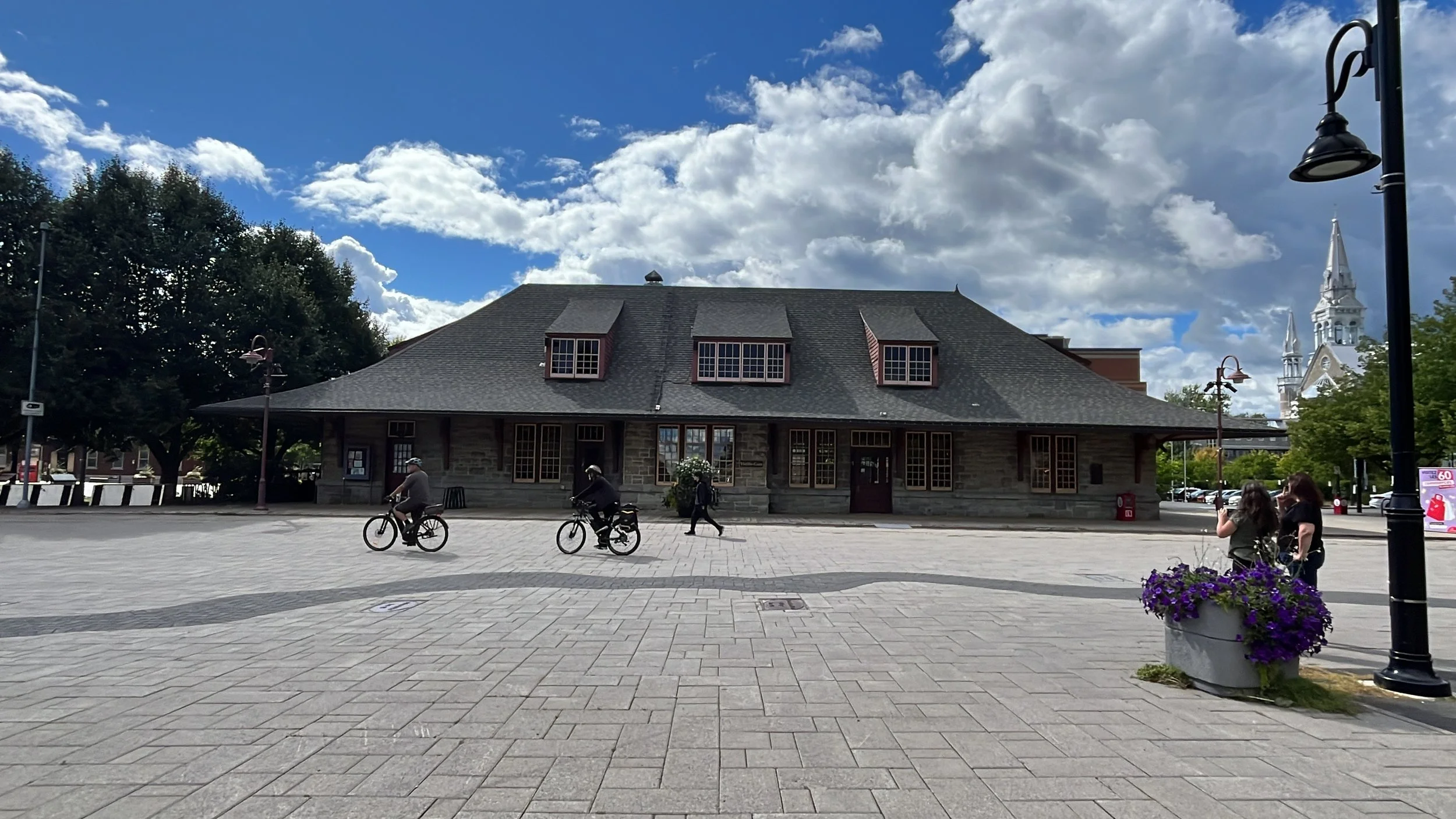
Deep in history and the starting point for this adventure, the old Saint-Jérôme train station was created in 1897 and the first to be built in the Laurentians and was a key cog for future rail travel.
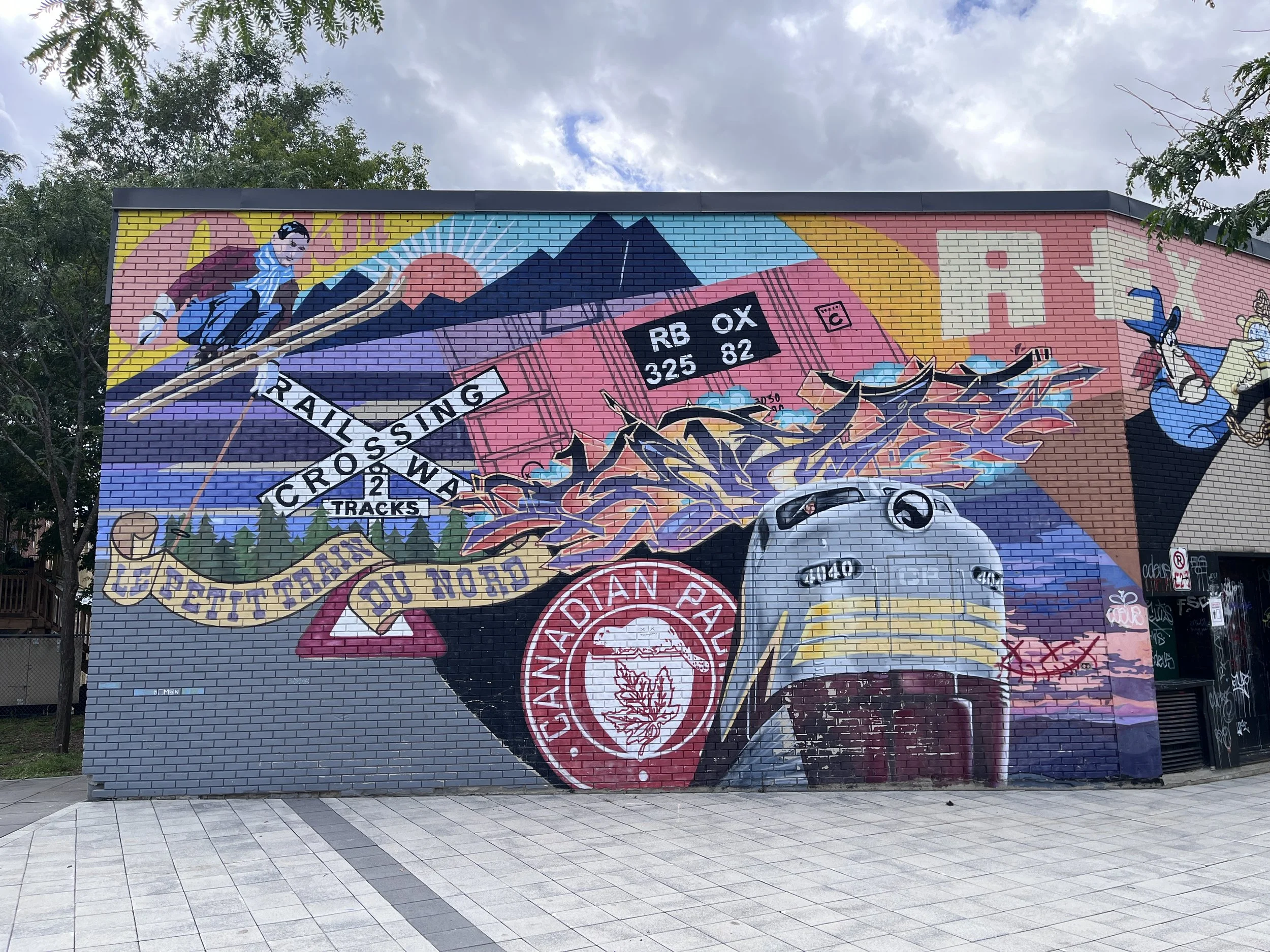
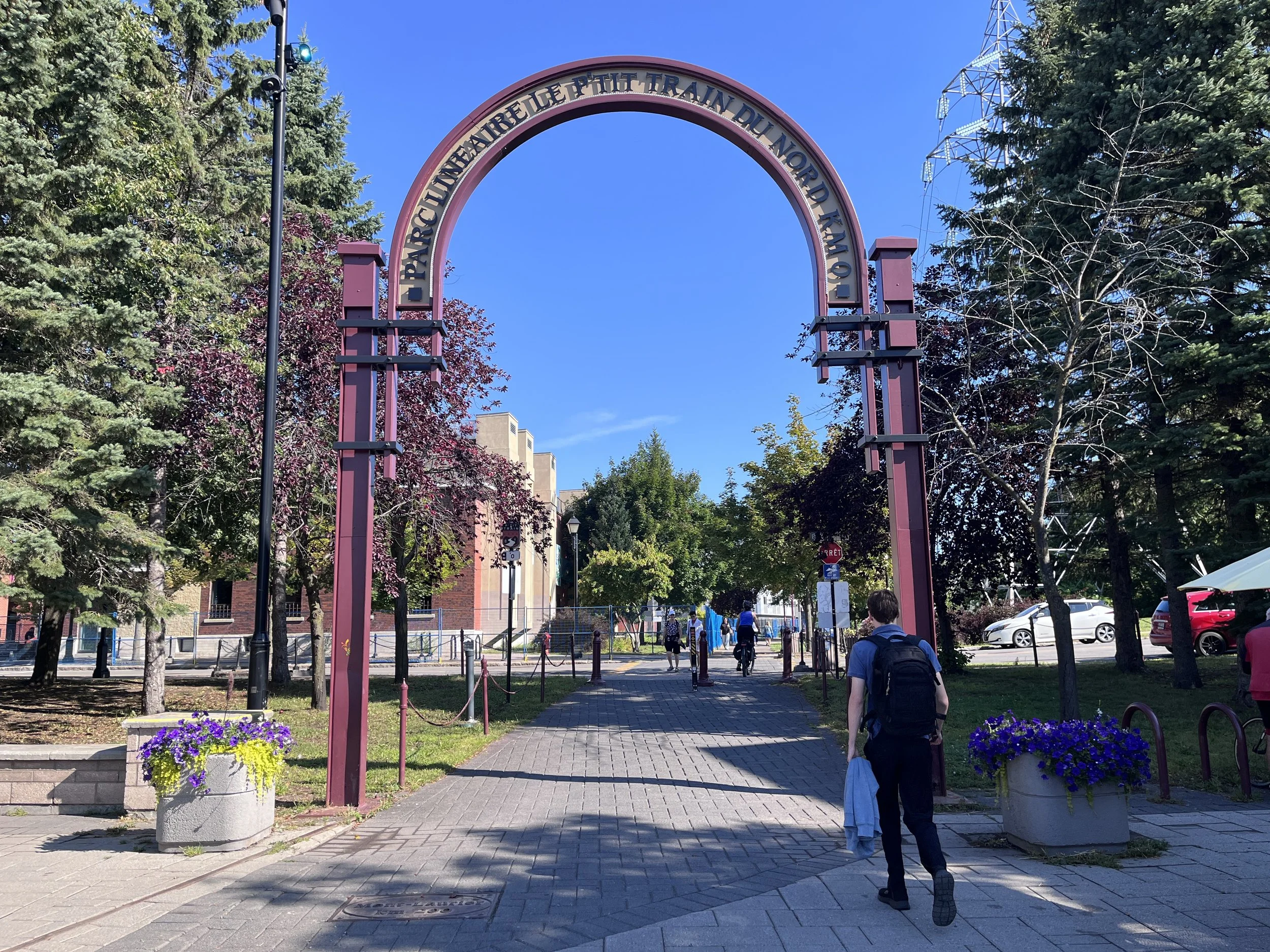
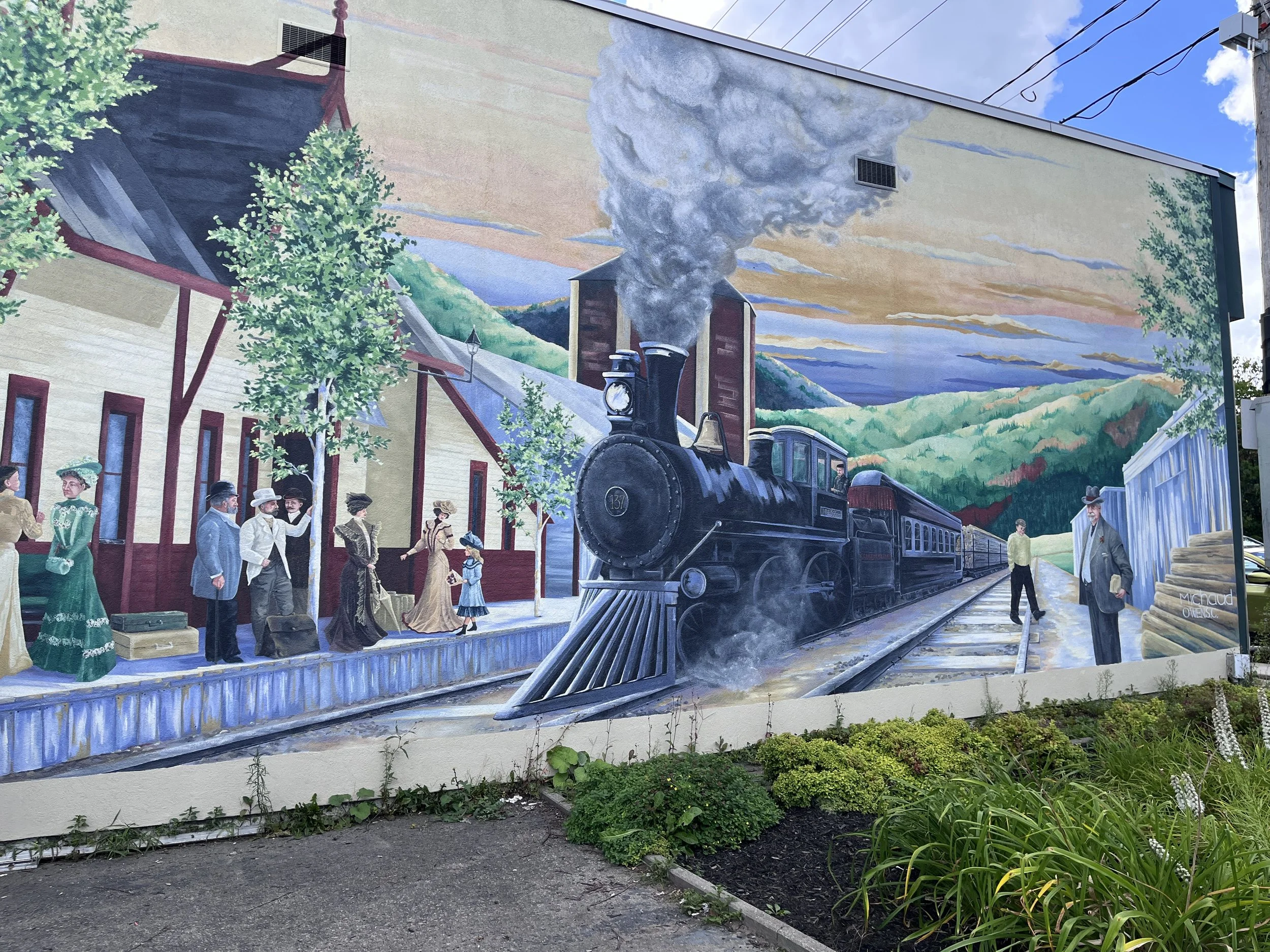
It’s also “kilometre zero” for Le P’tit Train du Nord linear park Check out the cool mural that’s nearby.
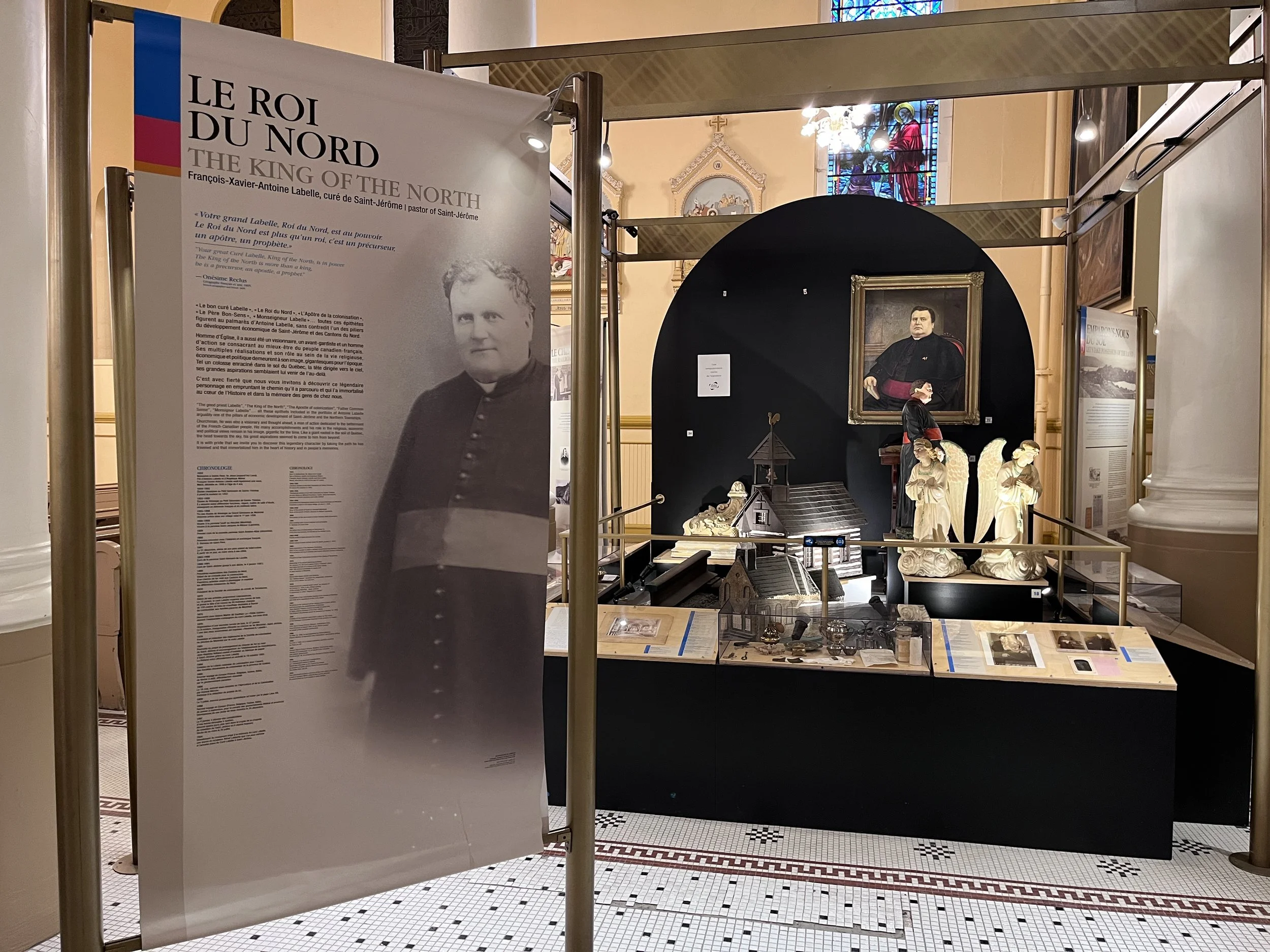
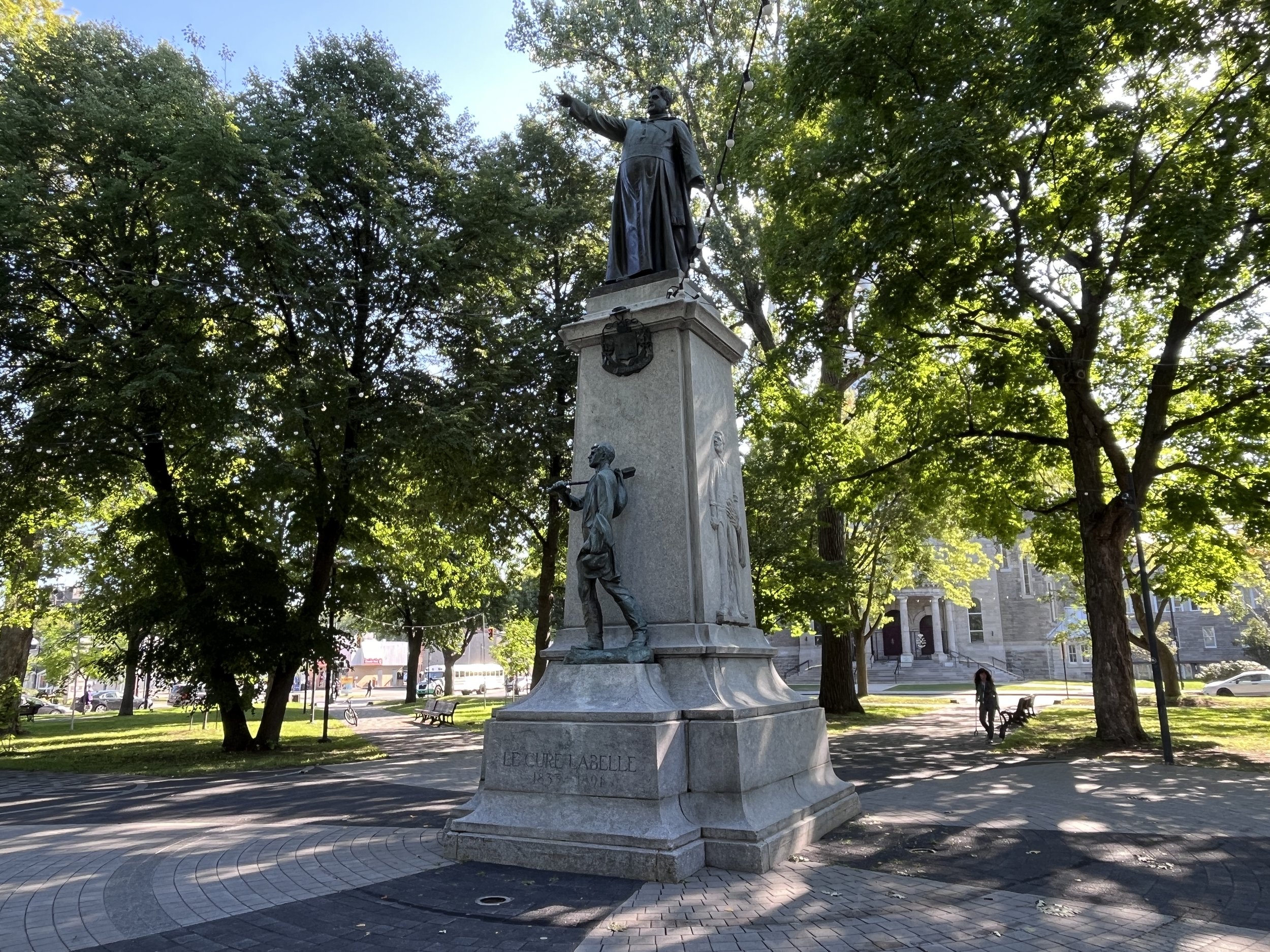
Father François-Xavier Antoine Labelle, nicknamed "the King of the North,” better known as Curé Labelle, was the champion for creating the train station and there’s a museum space featuring him at the Saint-Jérôme Cathedral. The architecture is magnificent and he was designated as a historical figure of Quebec in 2016.
Across the church is a park, created in 1905, centered by a statue of Curé Labelle, which also happens to be the site of the original church.
Nearby is the Maison de la culture Claude-Henri-Grignon, featuring a dedicated space honouring this impactful writer, screenwriter, journalist and politician. His creativity helped shine a bright light on the Laurentians.
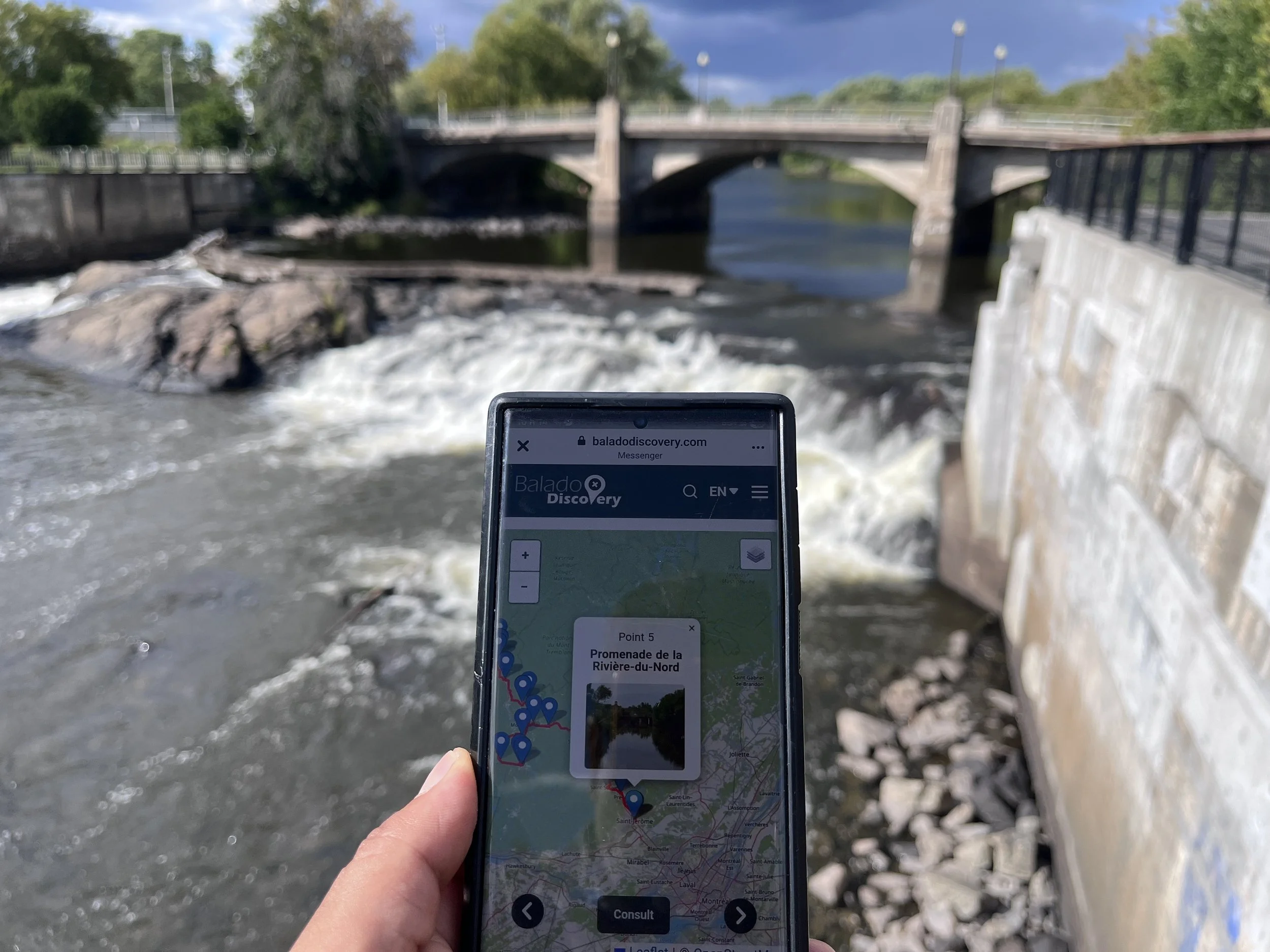
An under-10-minute walk from the church lands you at a viewing platform to enjoy the Rivière du Nord, that’s part of a larger 600-metre trail.
Dine at Dieu du Ciel! microbrewery, which serves classic pub fare in a modern environment and relax at the Comfort Inn & Suites Saint-Jérôme.
Day 2 - Prévost, Saint-Sauveur and Val-David
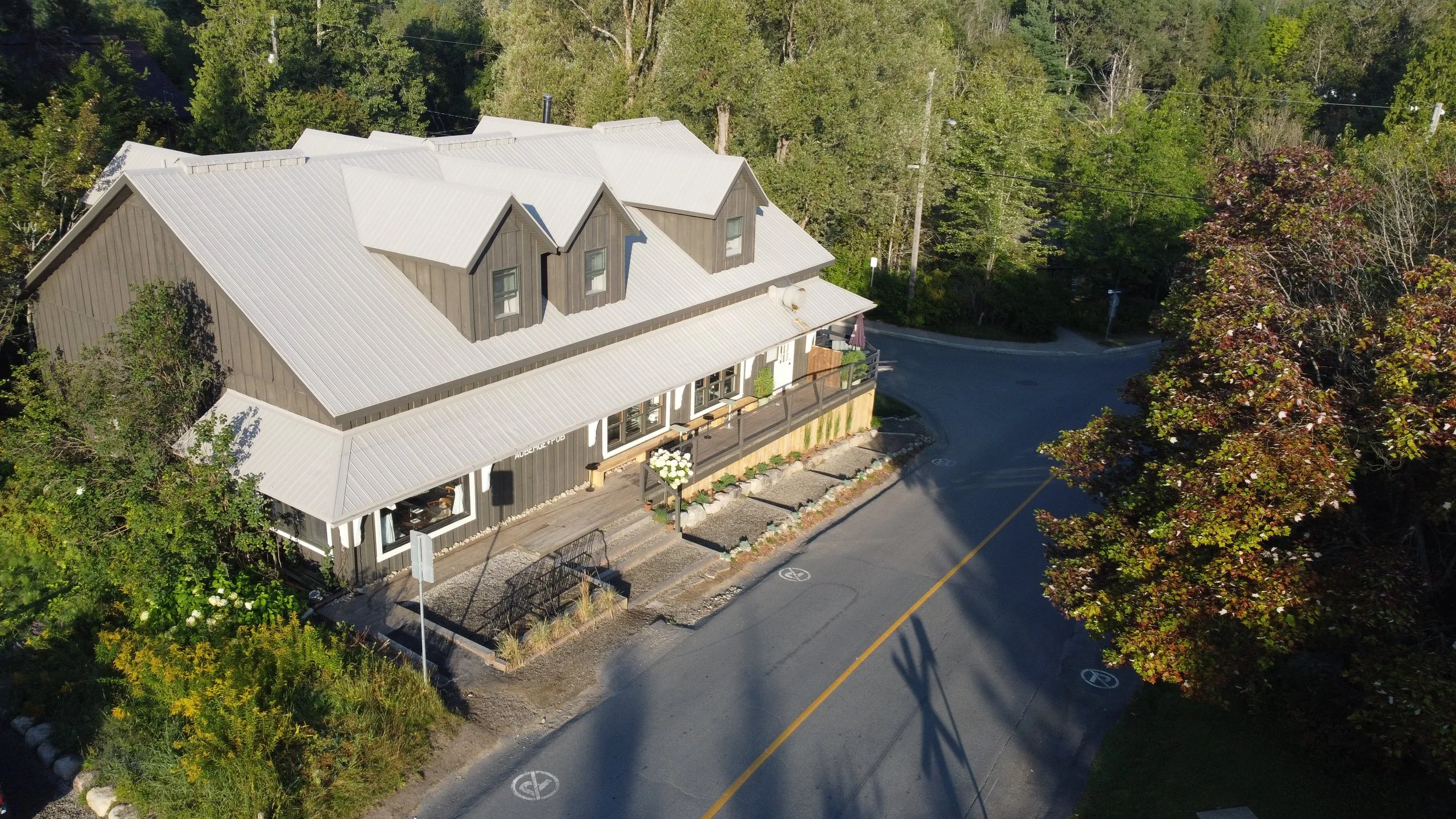
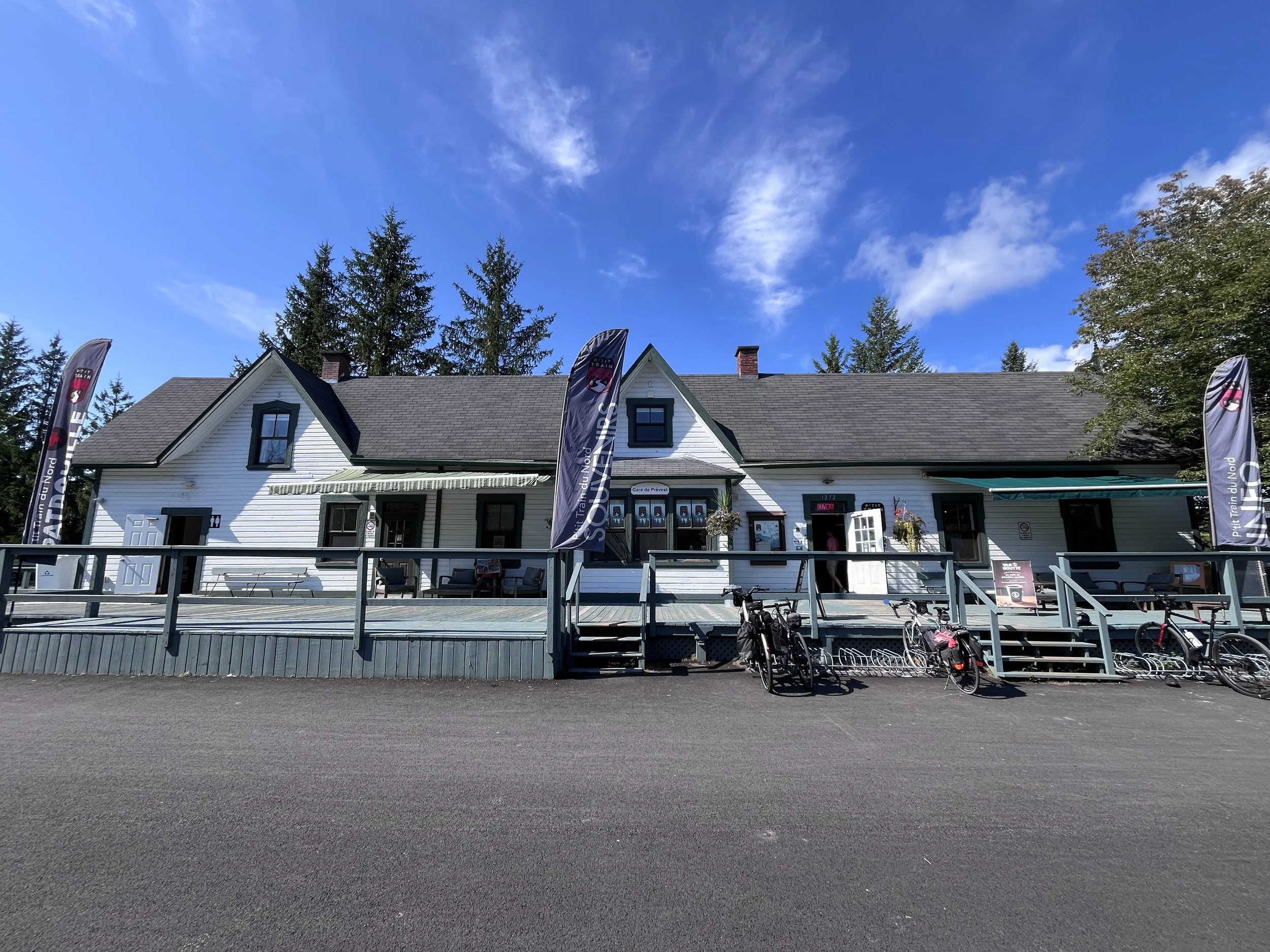
Head north and you’ll reach the Shawbridge old train station in Prévost, built in 1898 and now doubles as the office of the Le P'tit Train du Nord linear park. The stationmasters lived in the upper floor apartment until the early 1980’s.
Renamed to Prévost almost 50 years ago as a result of amalgamation and after nearly 50 years of being unused, the community came together to begin restoration in 1985.
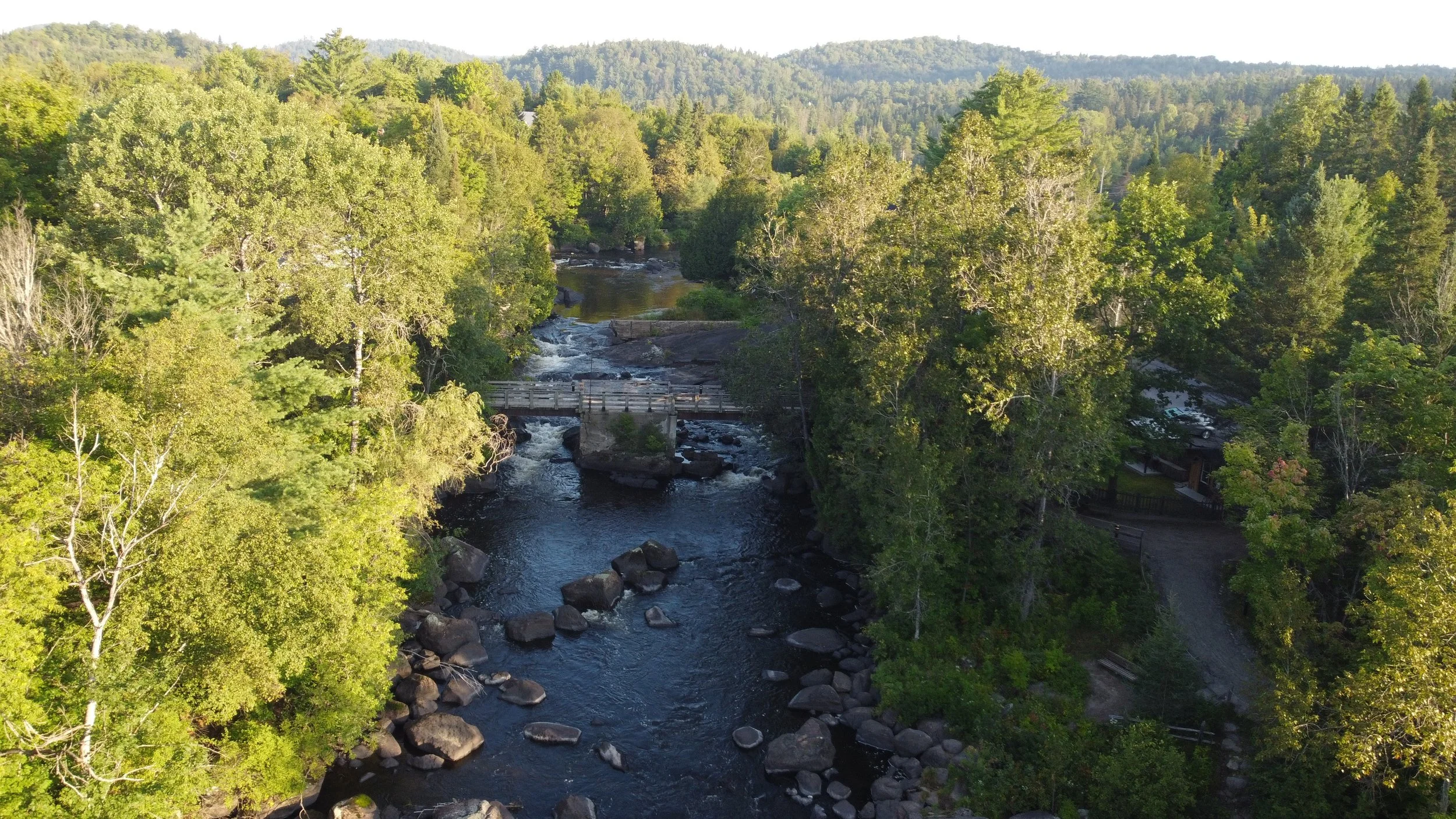
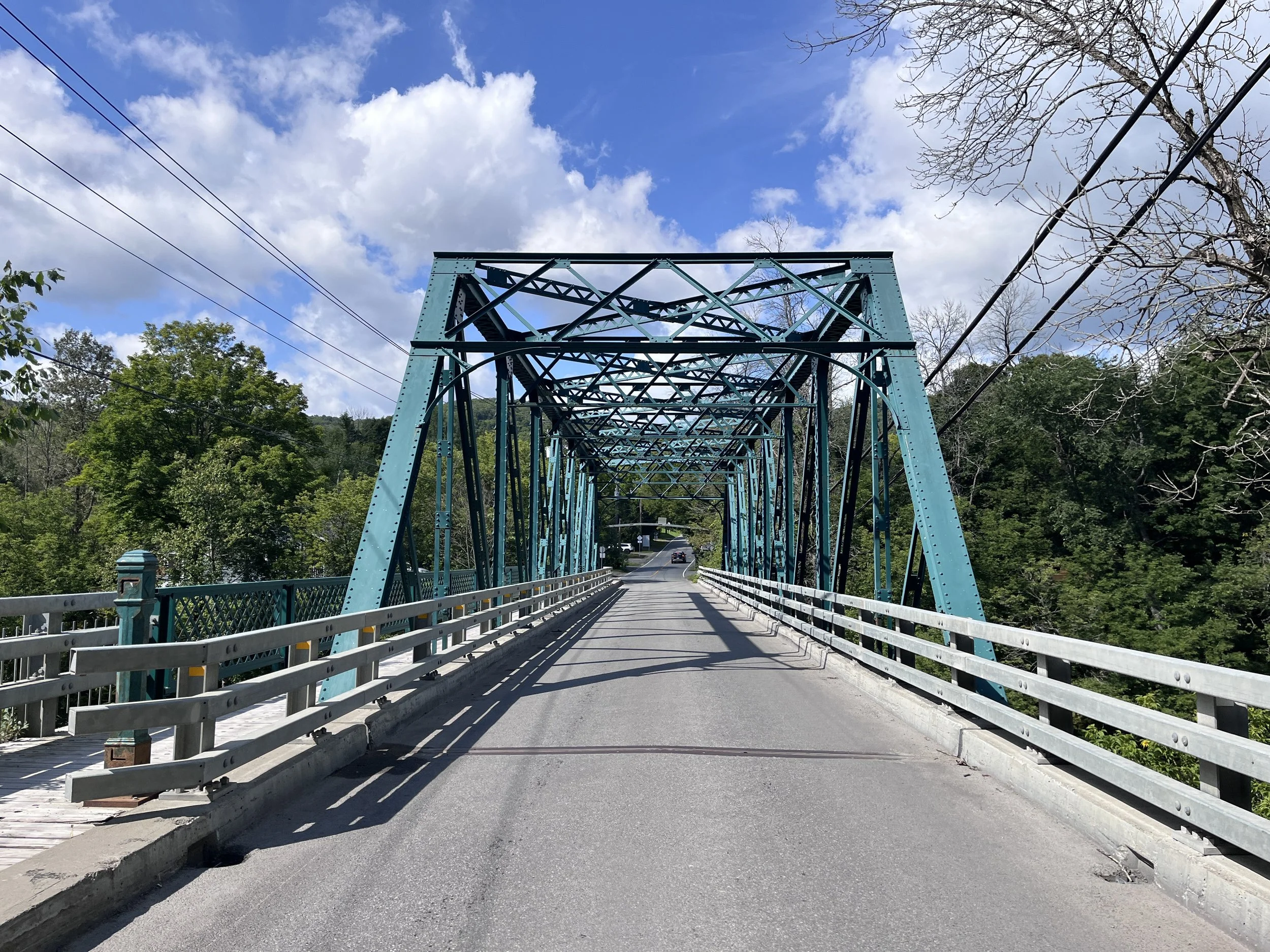
A short drive away is the Shaw bridge, initially made of wood and purchased in 1863 by William Shaw. Iron replaced the wood in 1983. It’s approximately 300 feet long and crosses the Rivière du Nord and has a pedestrian portion that’s separated from vehicle traffic.
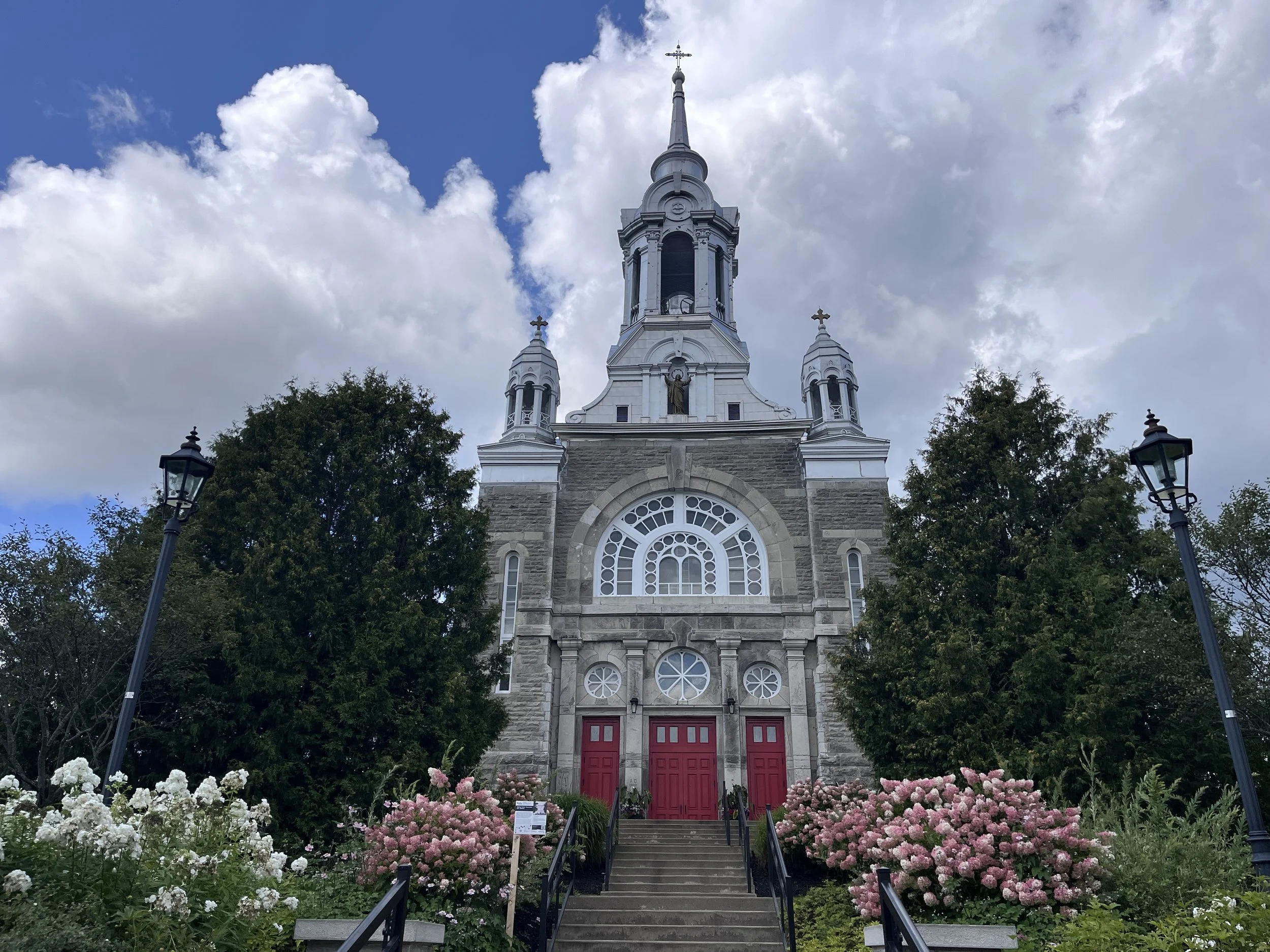
15 minutes north is Saint-Sauveur, complete with the famous church with the striking red doors. Initially made of wood, it was heavily damaged by lightning in 1895. Coincidentally, architect Casimir Saint-Jean, who built the Saint-Jérôme cathedral, was assigned to revitalize it in 1897. The stones came from Montréal and its three bells came from Normandy.
There are ample dining options, including Restaurant Le Saint-Sau Pub Gourmand and Pascal Le Boulanger for Canada’s 2025 best croissant.
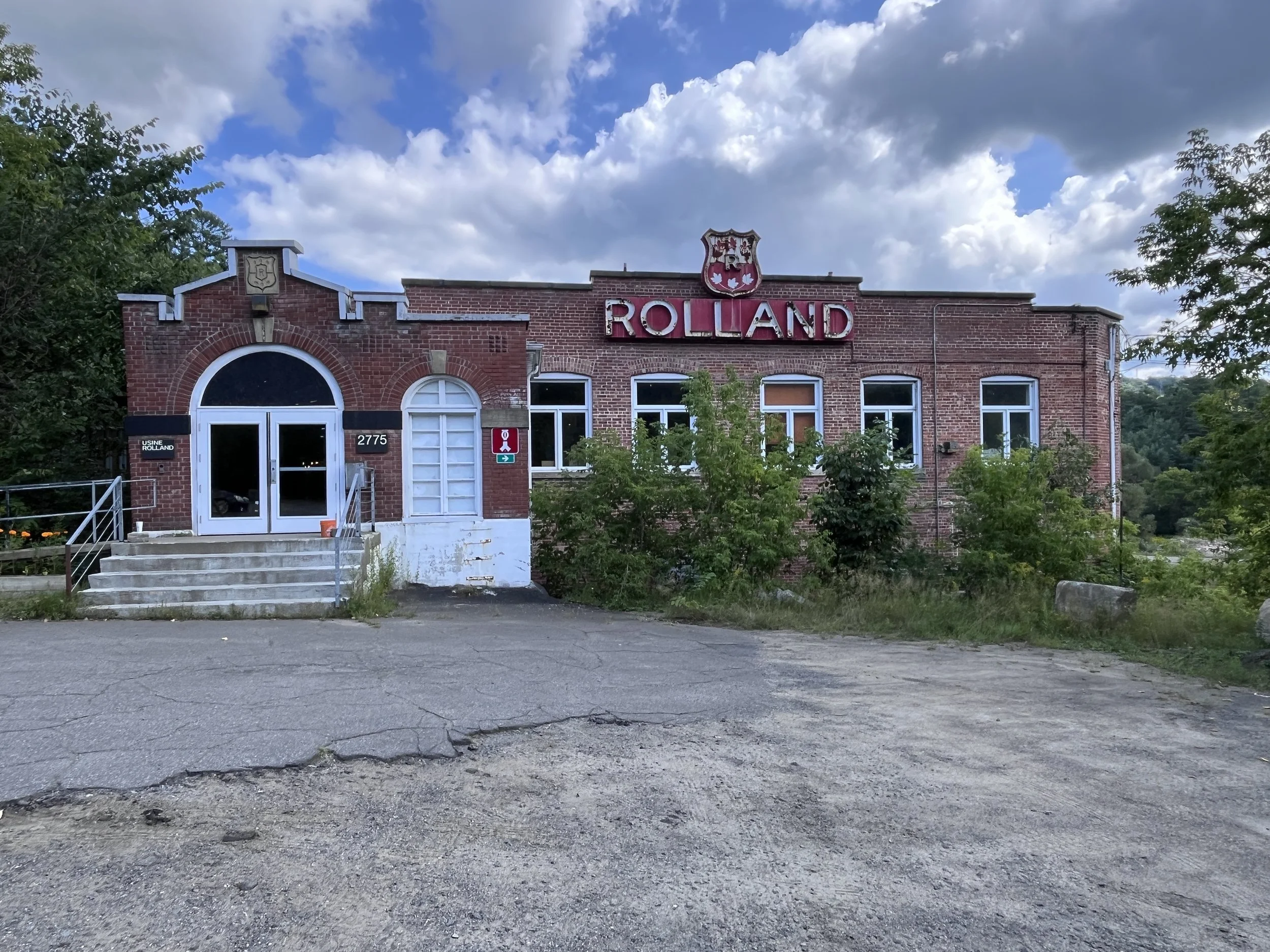
Sainte-Adèle is 10 minutes north and home to La Rolland Paper Company, operational from 1904 to 1990, beside the Rivière du Nord.
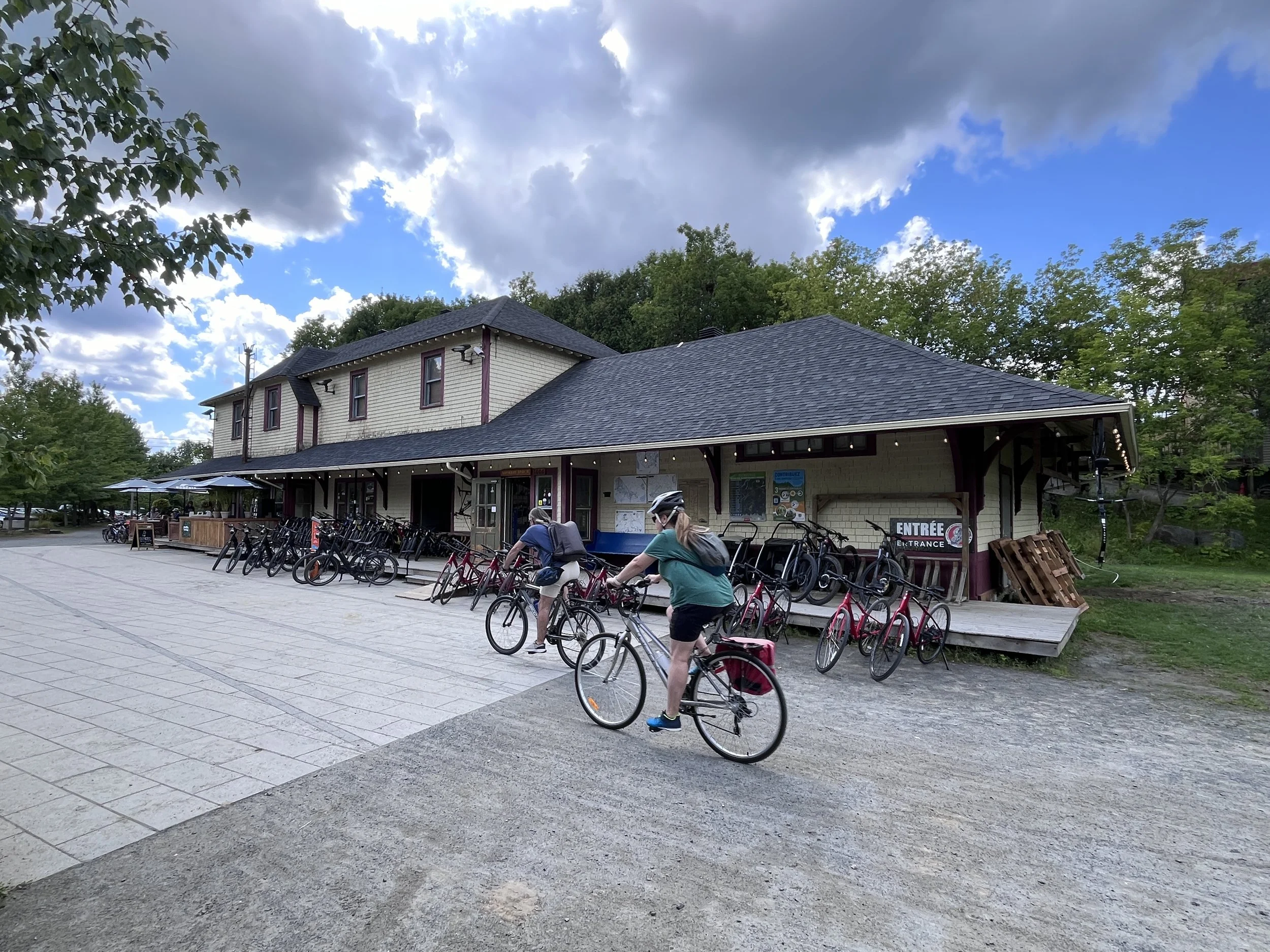
Built in 1928, the Mont-Rolland train station has been revitalized and is now part of the Le P’tit Train du Nord and features a bike/e-bike rentals and a café.
Stay awhile and discover 10 murals, all within walking distance from each other. The cinema mural is steps away from a retro theatre, named Cinema Pine.
Nearby is Val-David, home to an interesting train station history.
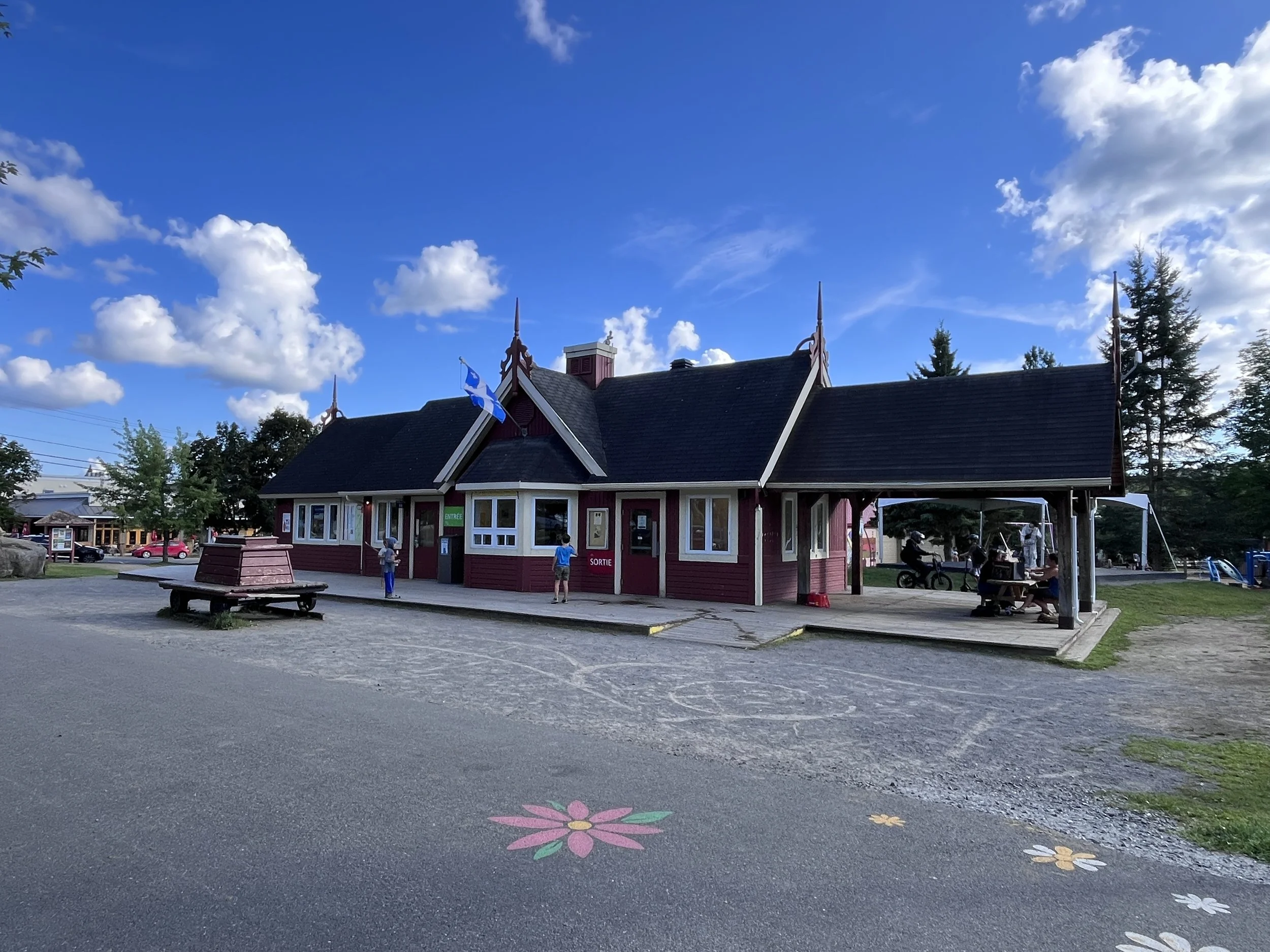
Built in 1892, it was called and called Bélisle's Mill Station, expanded in 1921 and demolished in 1985 due to the end of the railway in this area. In 1997, a new station was built, called Val-David, giving it a fresher look compared to many other stations.
A two-minute walk away is MacTaverne Pub and Inn, with seven special rooms that artfully blend comfort and personality. The intentionally small menu emphasizes making each offering exceptional. Their wings are wonderful and this family-owned business is a must-visit spot.
Make time to soak in the scenery of Rivière du Nord to embrace its serenity from either the bridge or the shores.
And be sure to discover the great public art close to the train station.
Day 3 - Sainte-Agathe-des-Monts and the Mont-Tremblant region
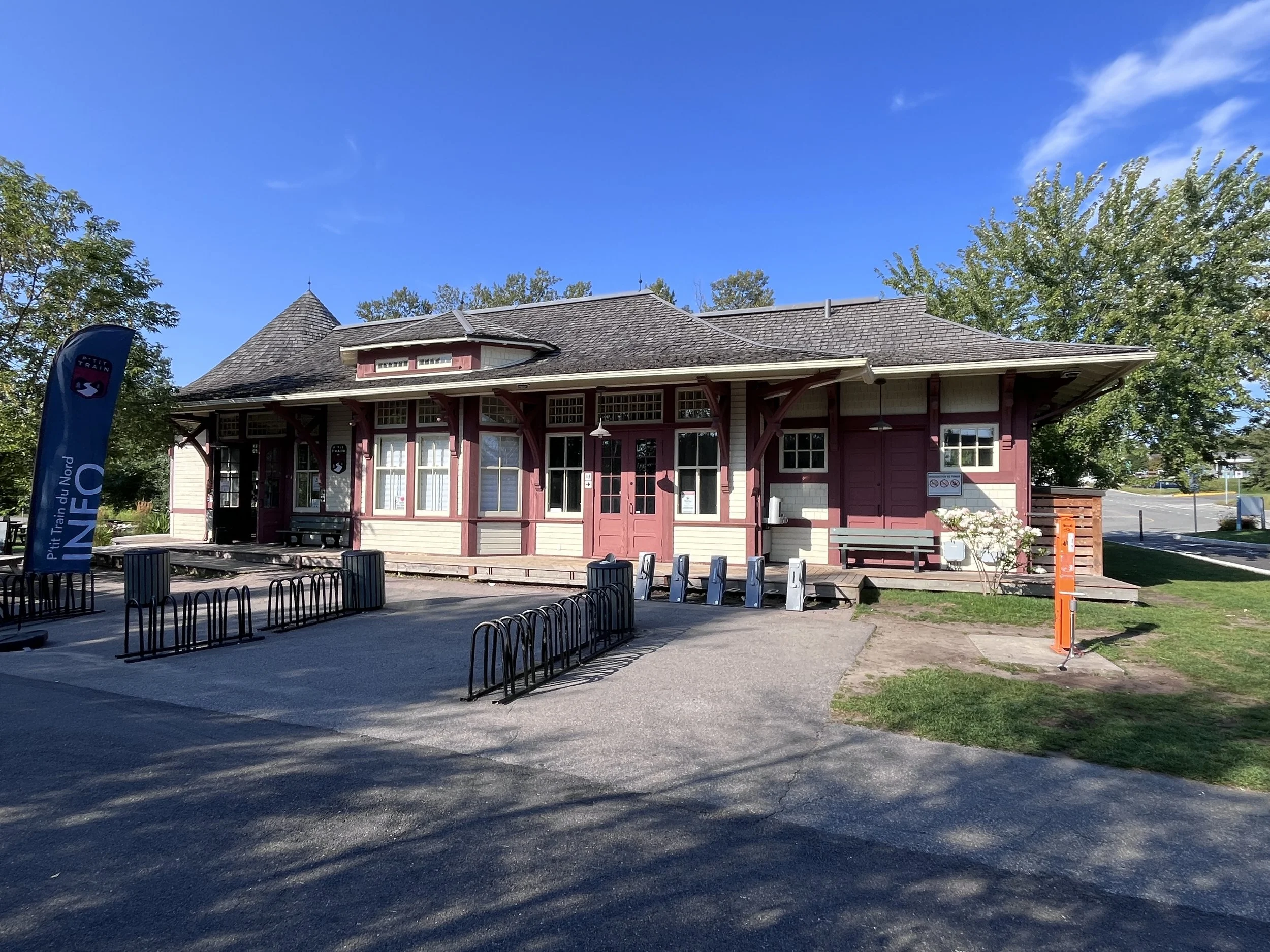
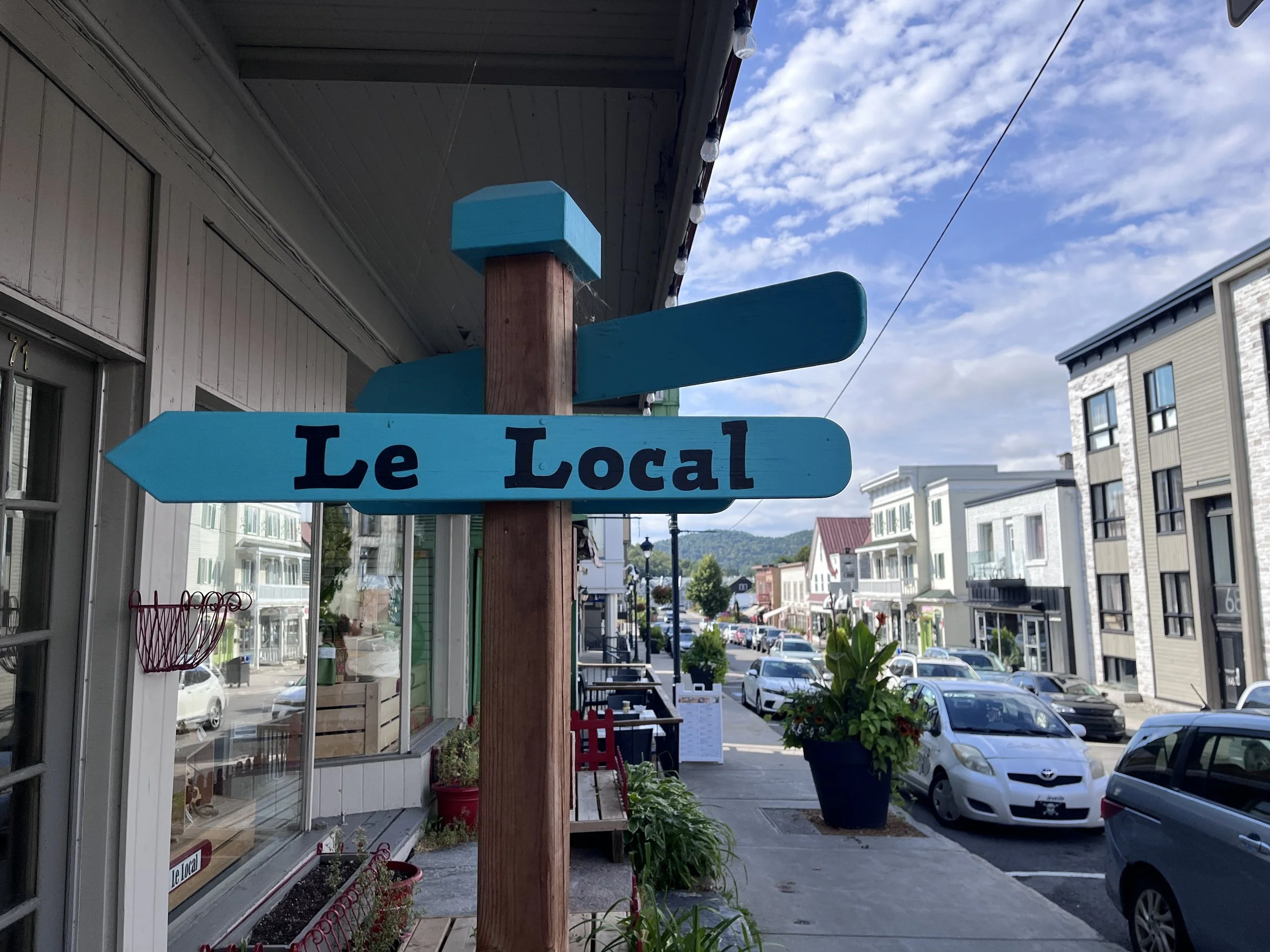
The Sainte-Agathe-des-Monts train station was built in 1902, then relocated to its current location and then expanded in 1913, and service stopped in 1960 thanks to a better network of roads. It started again in 1978 for three years until passenger services halted and freight services finished in 1989.
This station is also a visitor centre for Le P'tit Train du Nord.
Lac des Sables is a charming town first known as Lac-des-Sables in the 1850’s, then Sainte-Agathe in 1862 and finally Sainte-Agathe-des-Monts in 1915.
There are many cute shops to check out and the streetscape is oh-so cool.
It’s made for winter activities, especially skiing with many ski resorts in the area.
The famous Bonhomme Carnaval was created here in the 1950s, as an added cultural bonus.
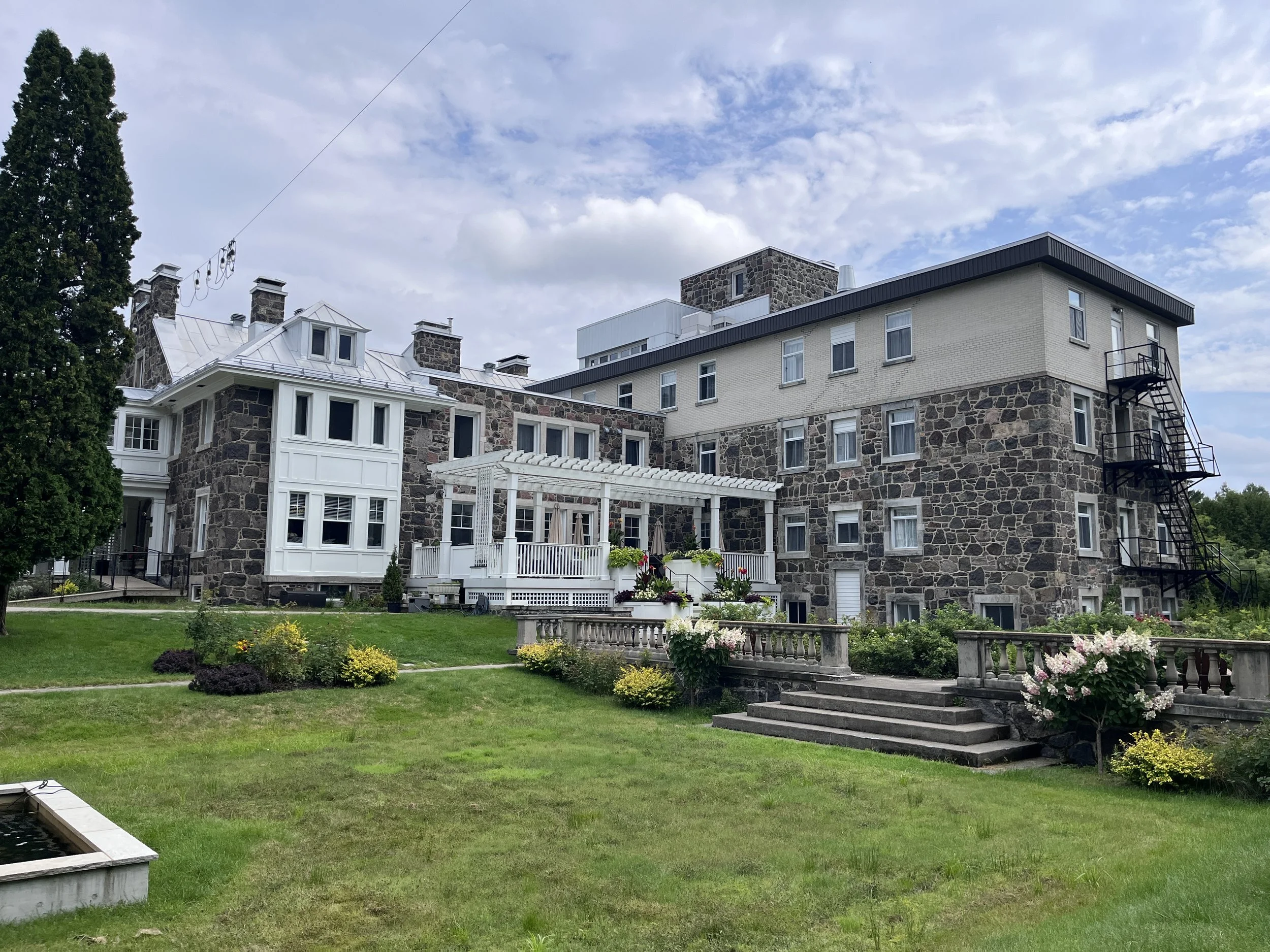
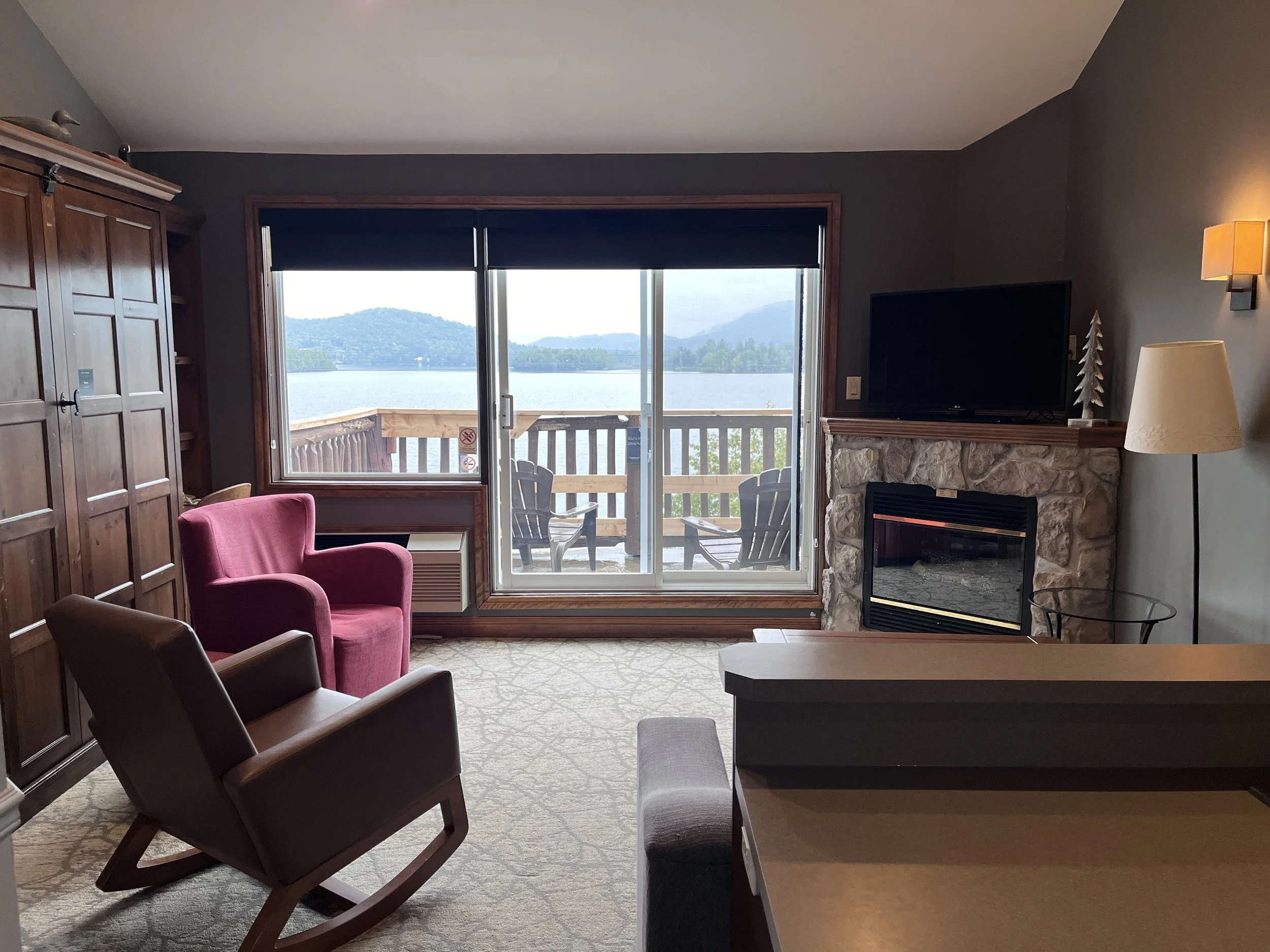
Overlooking the water is the famous StoneHaven Le Manoir, built in 1908 and now a member of Relais & Châteaux. During a 30-minute guided tour (held daily,) you’ll be given a history of the massive building, its owners, shown the intricate attention to detail both in large and small instances, and likely gain an appreciation for all the time and thought that went into it. The Italian gardens are gorgeous and the hotel features 51 elegant rooms.
This was the private residence of Montreal native Douglas Lorne McGibbon, who when diagnosed with tuberculosis, decided to live in Sainte-Agathe-des-Monts, as it was renowned for its fresh air.
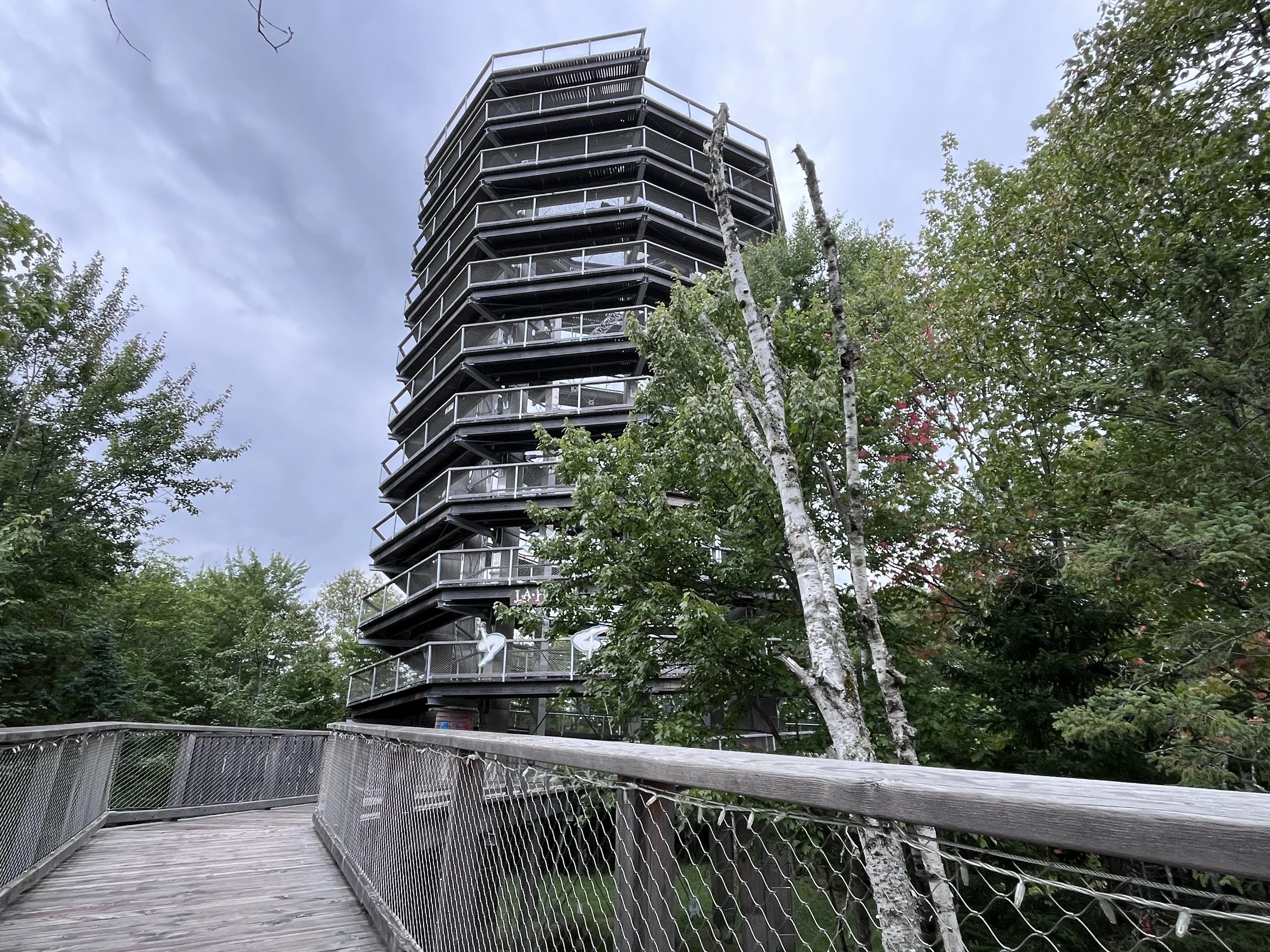
Sentier des cimes Laurentides in Mont-Blanc isn’t on the route but worth visiting. You’ll walk up the equivalent 40 metres in this observation tower for panoramic views of the area. The gradual ramp makes it accessible and the elevated boardwalk that brings you there has some cool information en route.
Enjoy lunch at on-site restaurant Chez Émile, which serves sandwiches, soups and more.
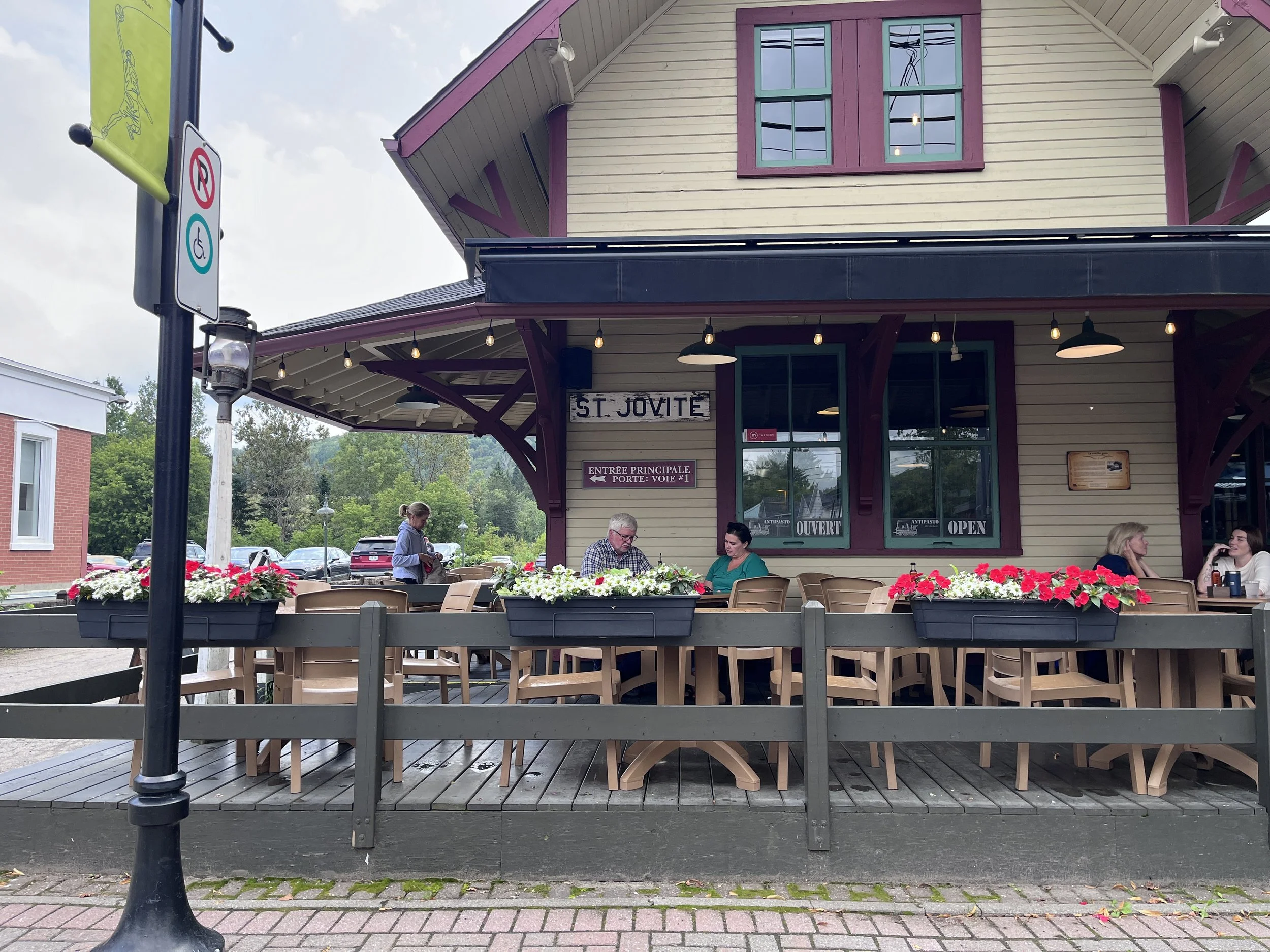
Keep going into Mont-Tremblant’s Saint-Jovite area and stop at the old train station, built in 1904, demolished in 1981 due to the popularity of the car and then rebuilt in 1998, smartly using the same blueprints from the original. Now, artists use the space to show their creativity in various months of the year.
Visit the nearby St-Bernard chapel at Tremblant resort, a replica of the first church, established on Île d'Orléans in 1695.
Unwind at Le Grand Lodge Mont-Tremblant on Lake Ouimet in their very comfortable beds.
Grab dinner at the on-site le Whisky Bar, either inside or on the patio overlooking the water.
Day 4 - Upper Laurentians and Mont-Laurier
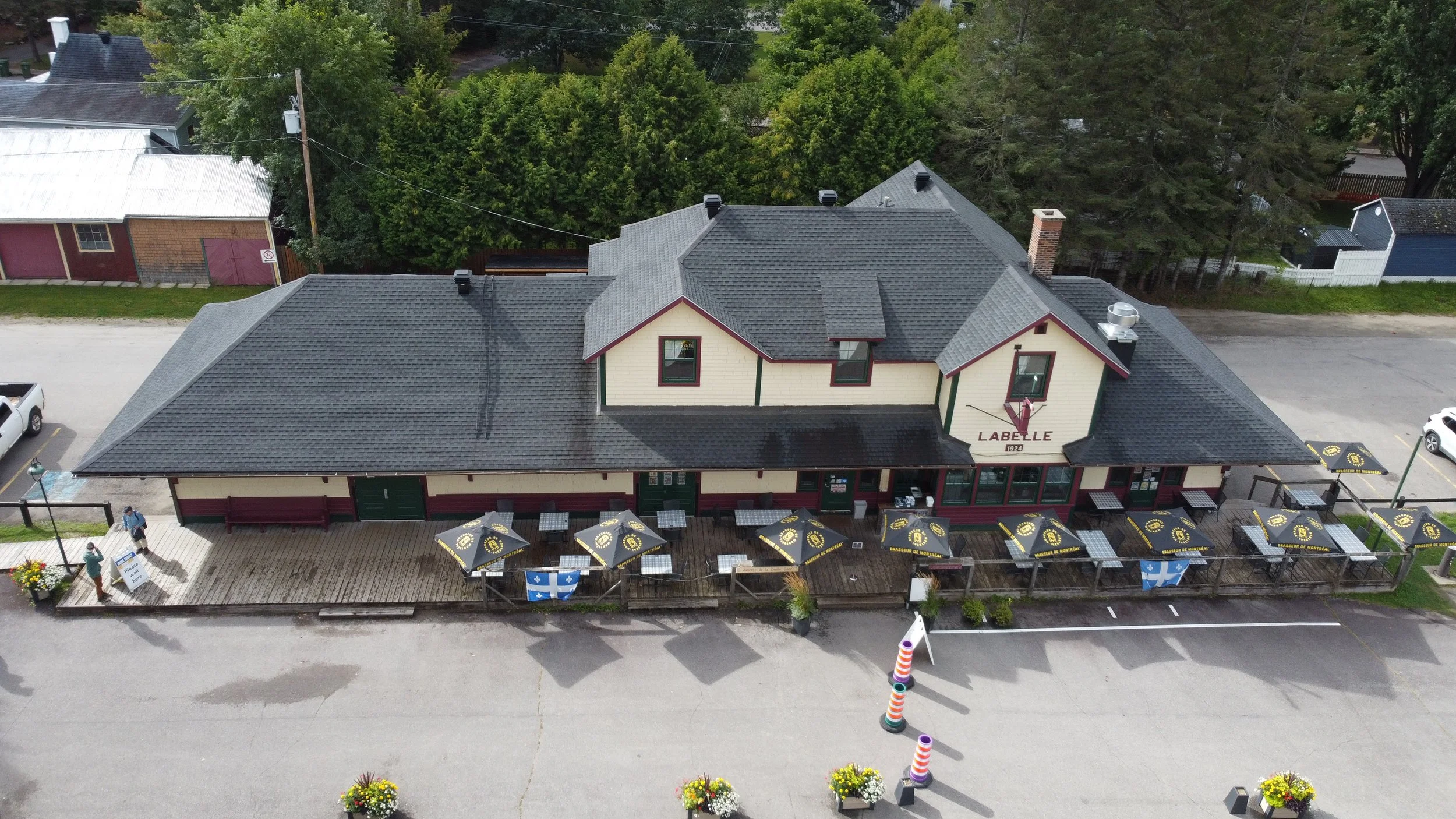
Start the day visiting the Labelle Railway Museum and Station.
The people of the village of Chute-aux-Iroquois agreed to change the name of the area to the Village of Labelle to pay homage to Father Labelle, who’d done so much to connect this part of the province.
There’s also a museum to explore and some fun outdoor attractions, including a train car.
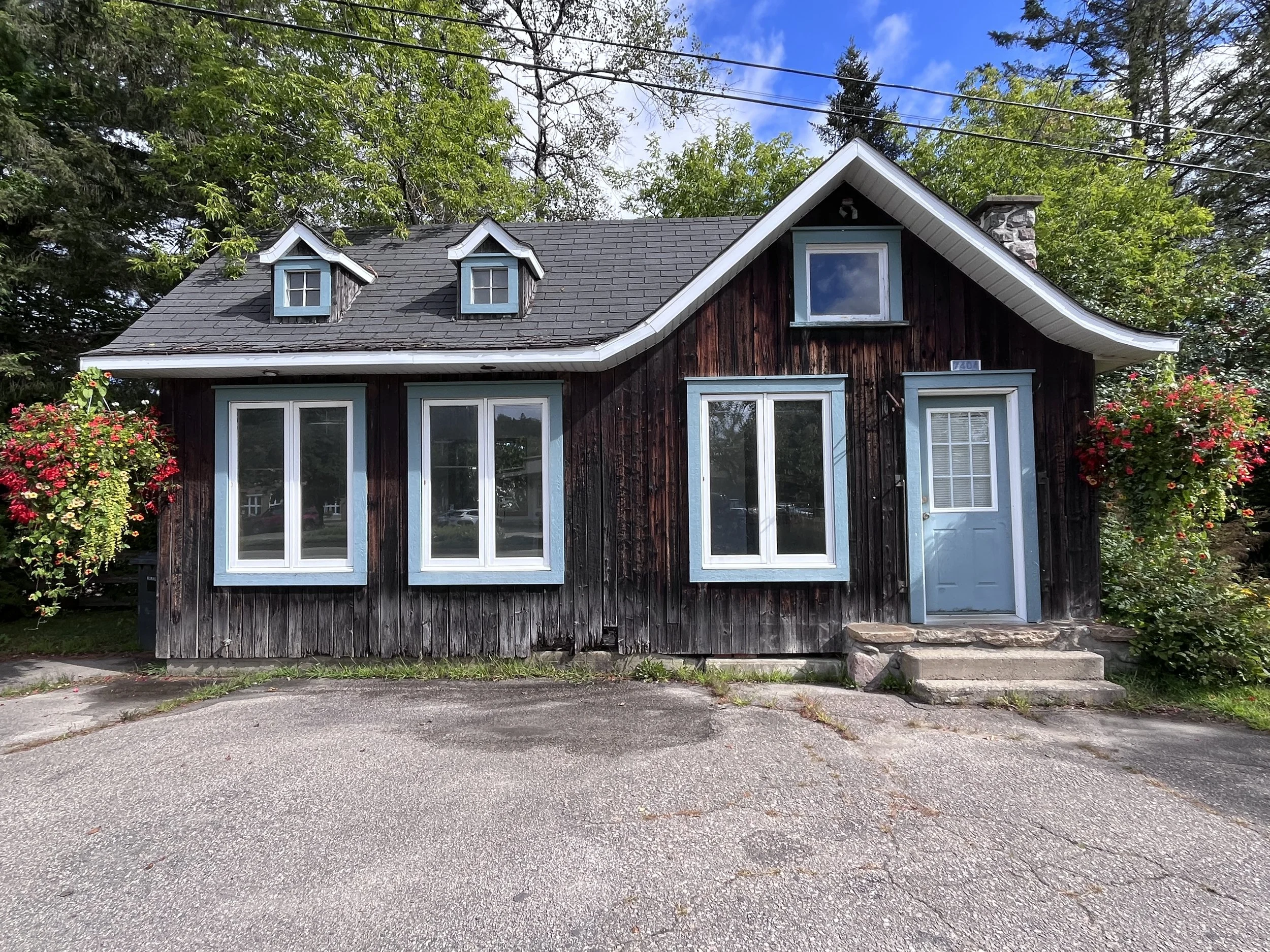
A short walk away is Zothique-David House, built in 1880 and one of the oldest and best-preserved log houses in the region.
It’s one of 17 points on the Labelle Heritage and Artistic Tour, so definitely explore this area further.
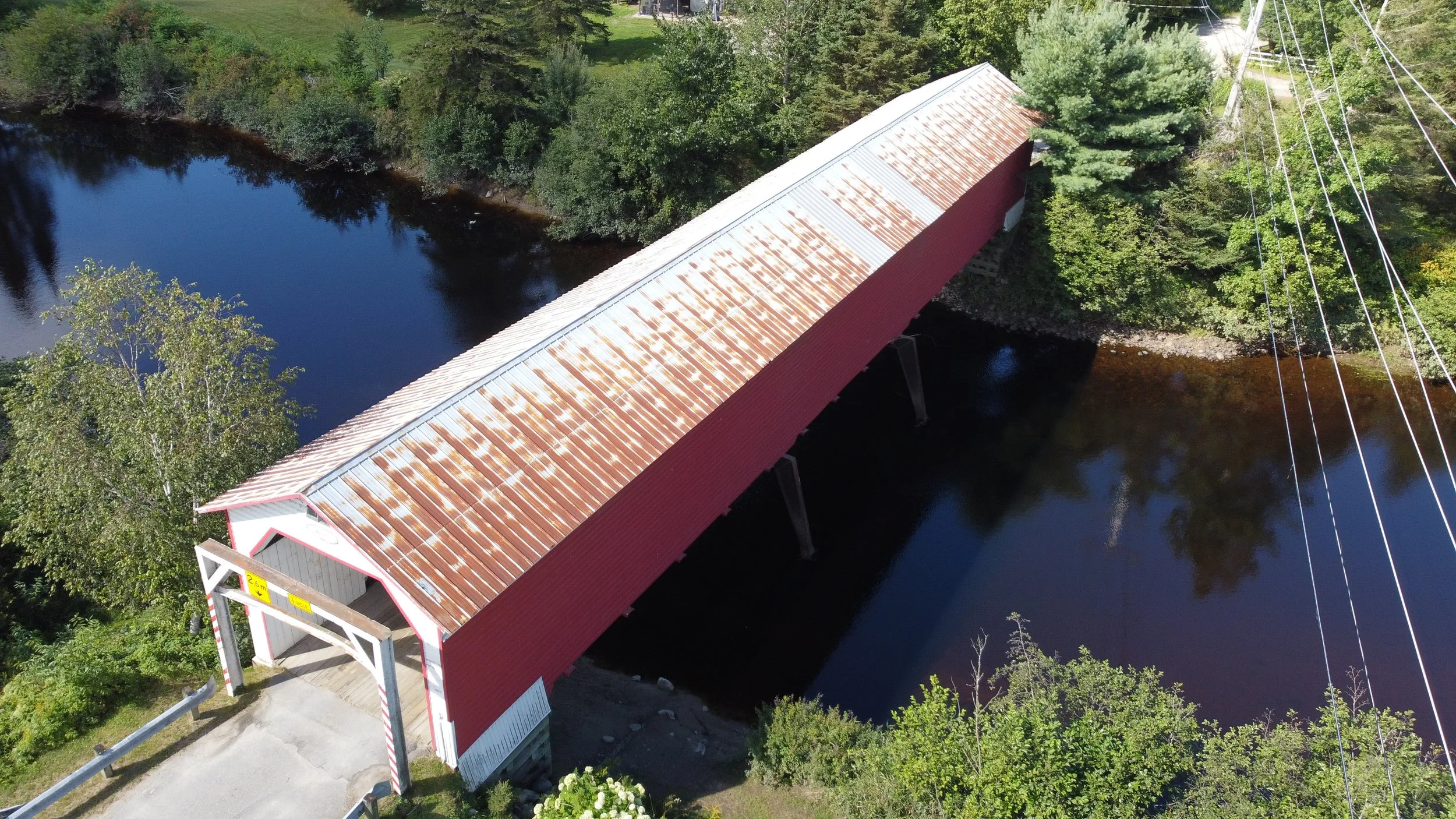
The Macaza Covered Bridge is part of this route and built in 1904. It still accepts vehicular crossings and is oh-so photo worthy.
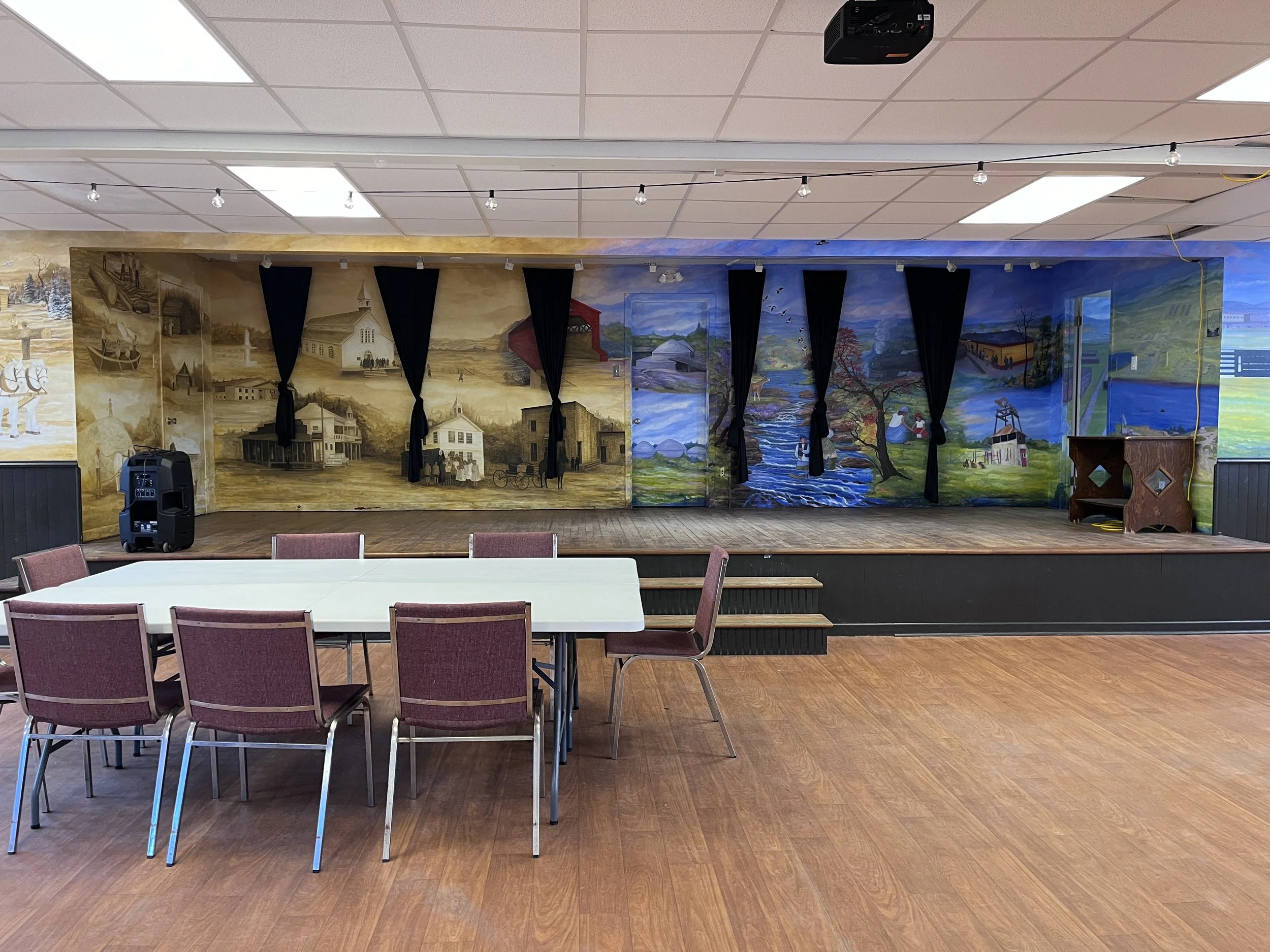
The famous La Macaza Town Hall Historical Mural isinside the town hall’s basement. Check opening hours before you visit.
The created-in-2012 mural itself is delightful and shows a timeline of the area’s history. From horses to planes and everything in between, this is a must-see.
Also check out the first school in the village, Maison de la culture de La Macaza, along with the cemetery.
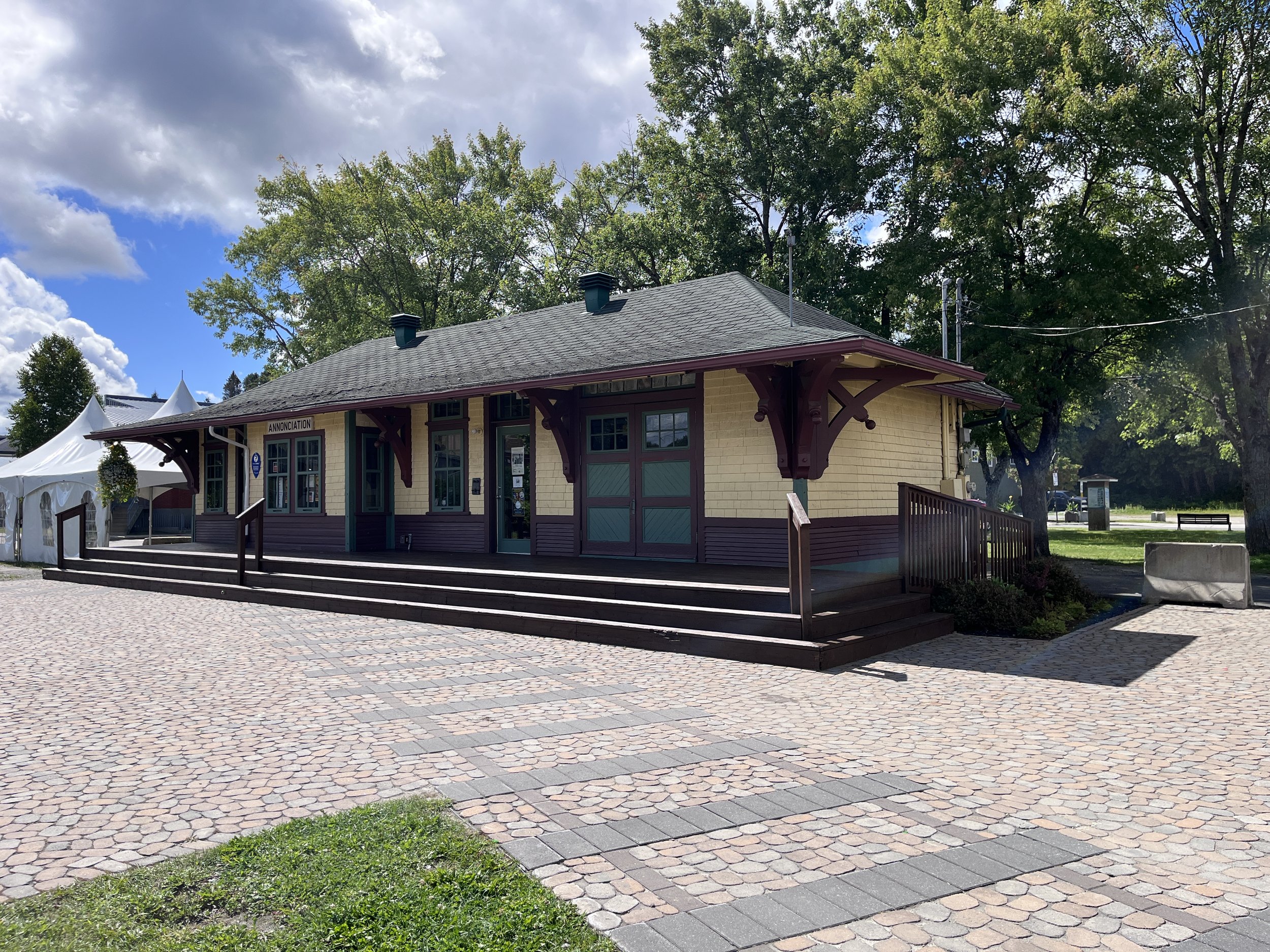
A 10-minute drive north brings you to the L’Annonciation Station in Rivière-Rouge.
Admire the stone patterns in the design of railway tracks. It was built in 1902 and has been a visitor centre since 1988 and now, you can rent e-bikes to adventure the surrounding areas.
Have lunch at Patate de la Rouge, a quaint road side food stand that makes delicious burgers and poutine and has picnic table seating.
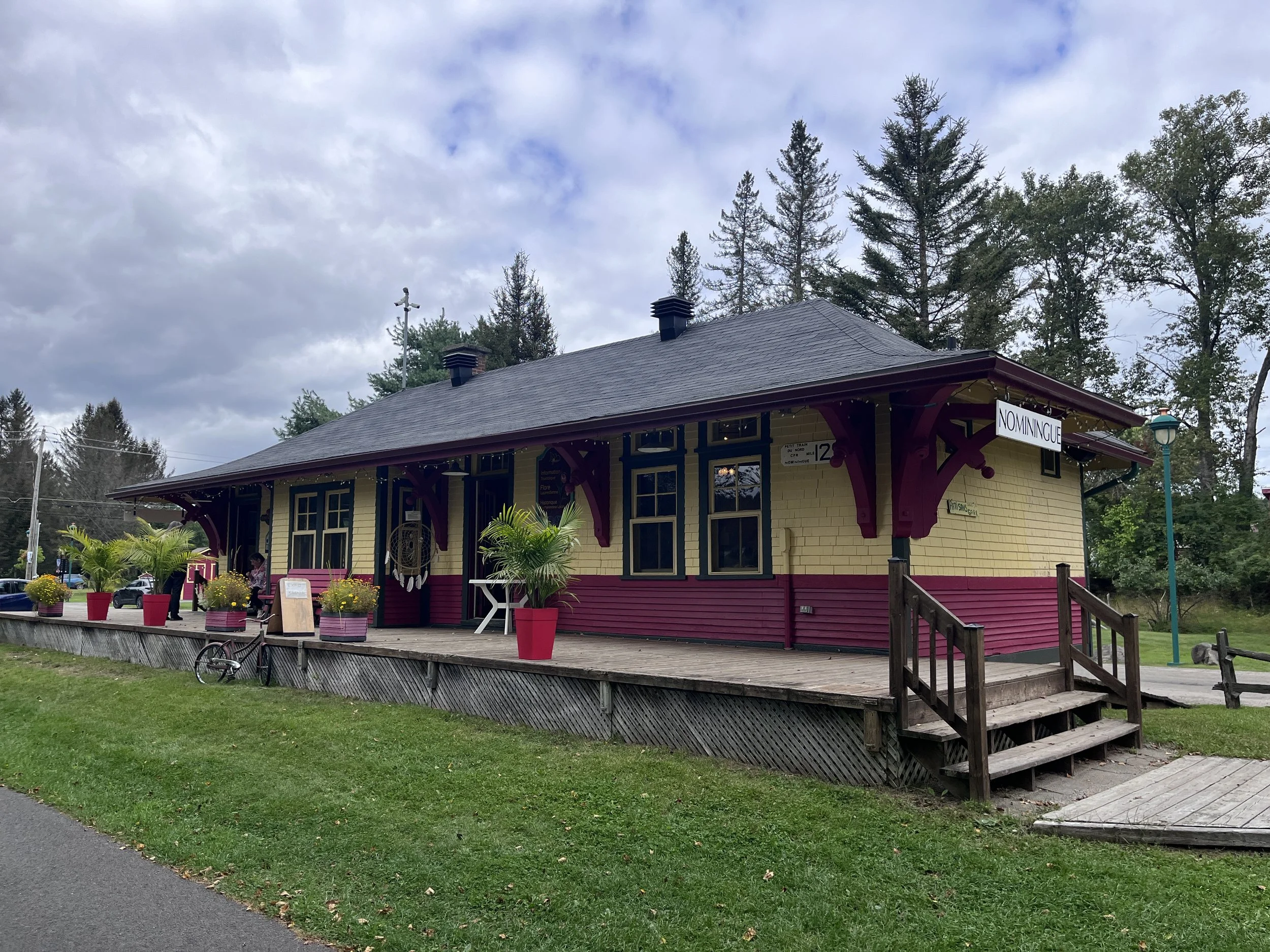
The old Nominingue Station is an artists haven, with their wares on display and for sale. There was also a farmers market on site during my Friday visit.
The station was built in 1904, abandoned in 1981, spent around 15 years at a different location to save it from being destroyed, and then moved back to the original location in 1997.
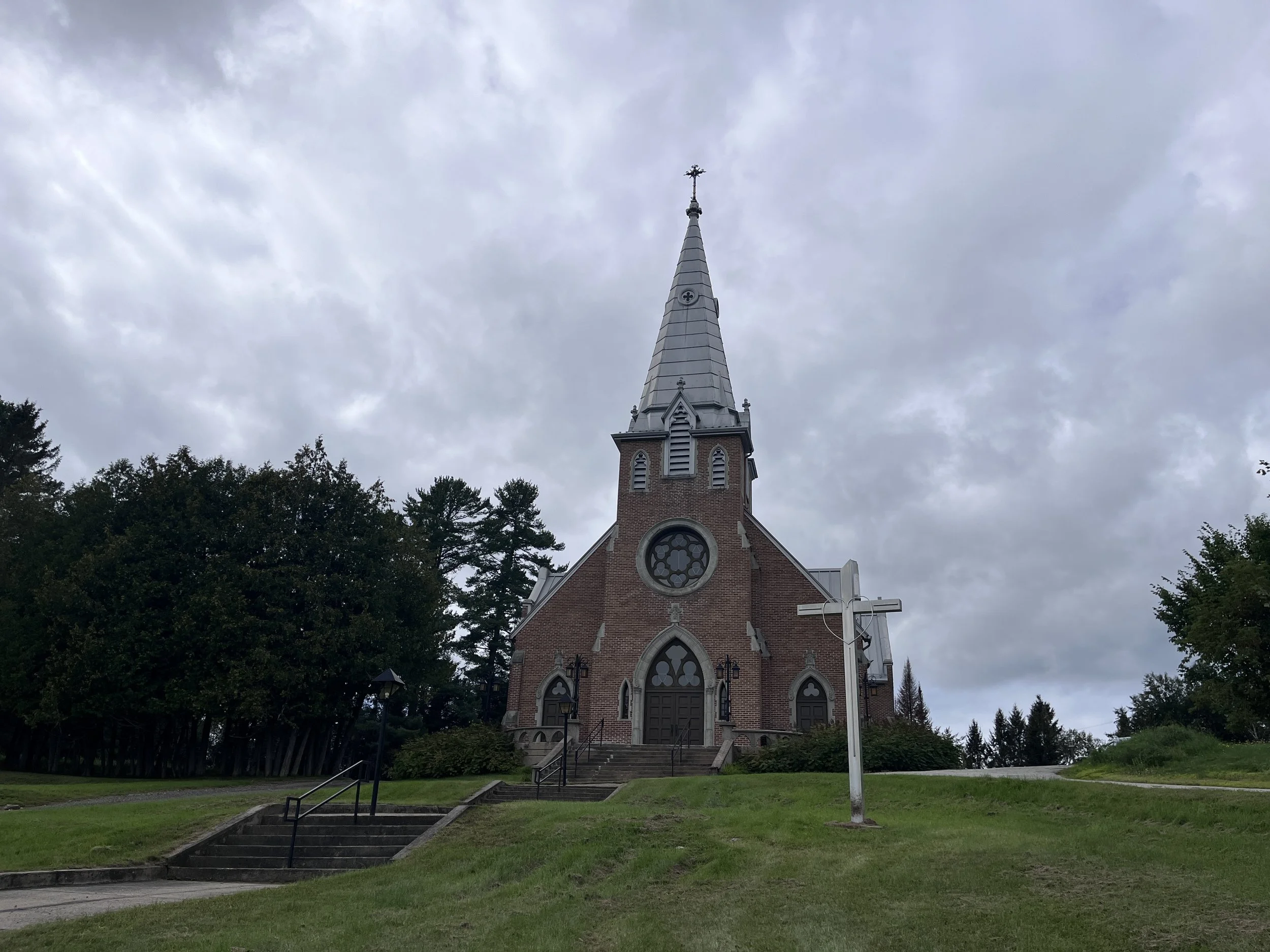
Close by is the Saint-Ignace-de-Loyola church and it’s more than a place of worship; the acoustics are so astounding and coupled with a Casavant organ, has made it a popular concert venue.
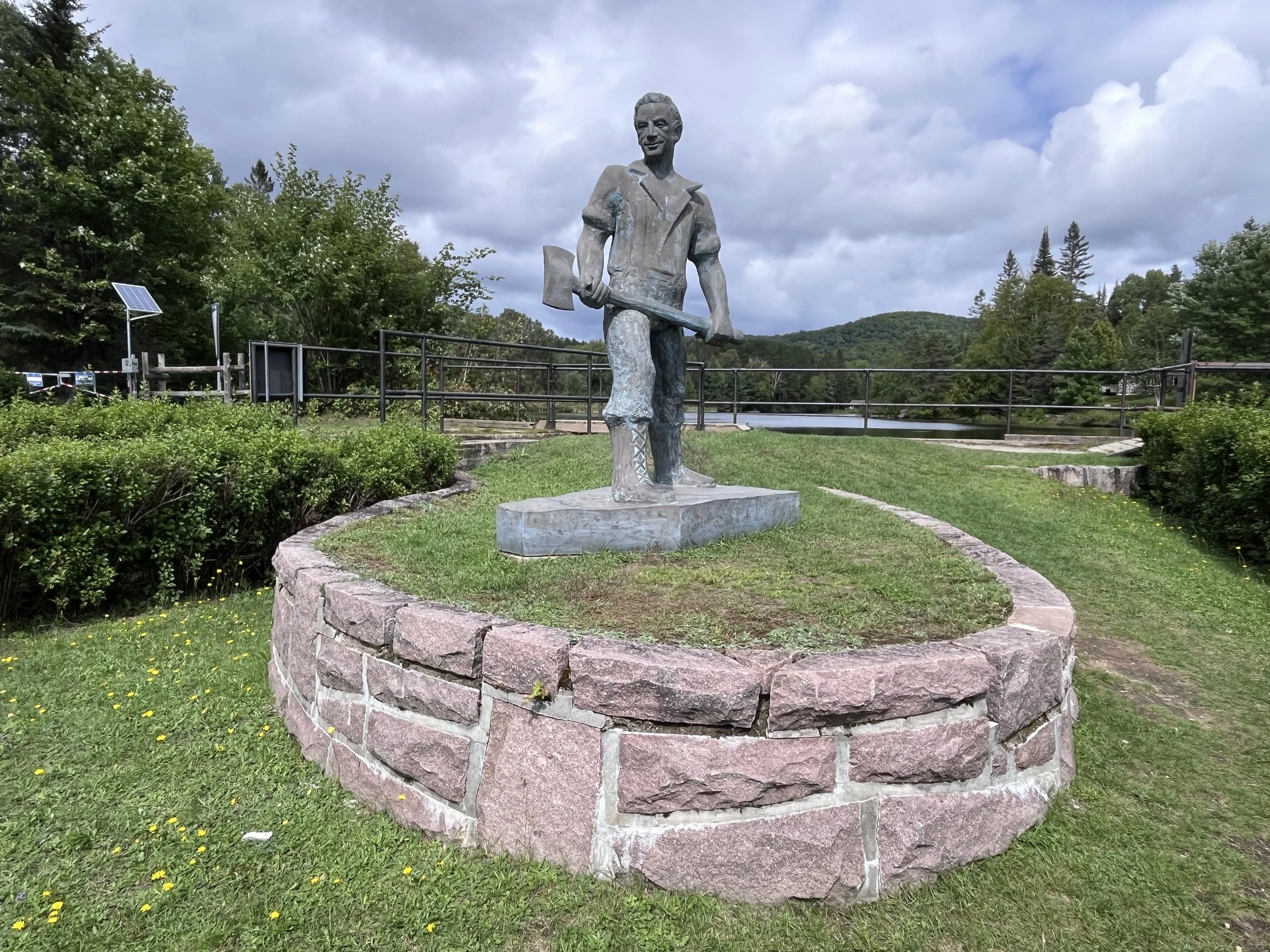
Lumber into Lac-Saguay to see Le grand six pieds (The six-foot giant) sculpture, based on a character imagined in 1960 by Quebec singer-songwriter Claude Gauthier.
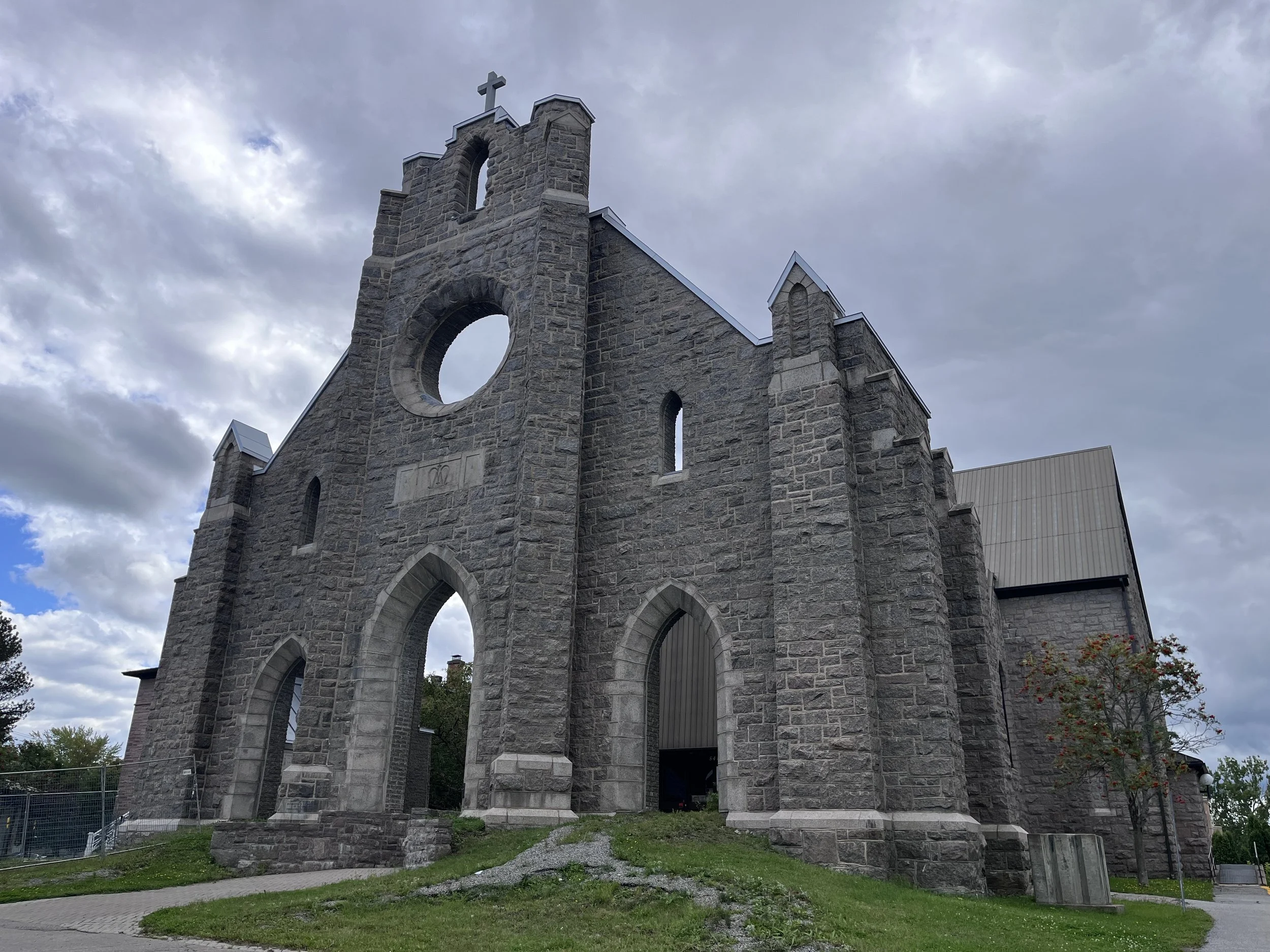
The remaining stops are in Mont-Laurier, and first is the Facade of Mont-Laurier Cathedral. Built in 1919, nearly all of it burned down in 1982, with the facade being able to be restored, and what you see today.
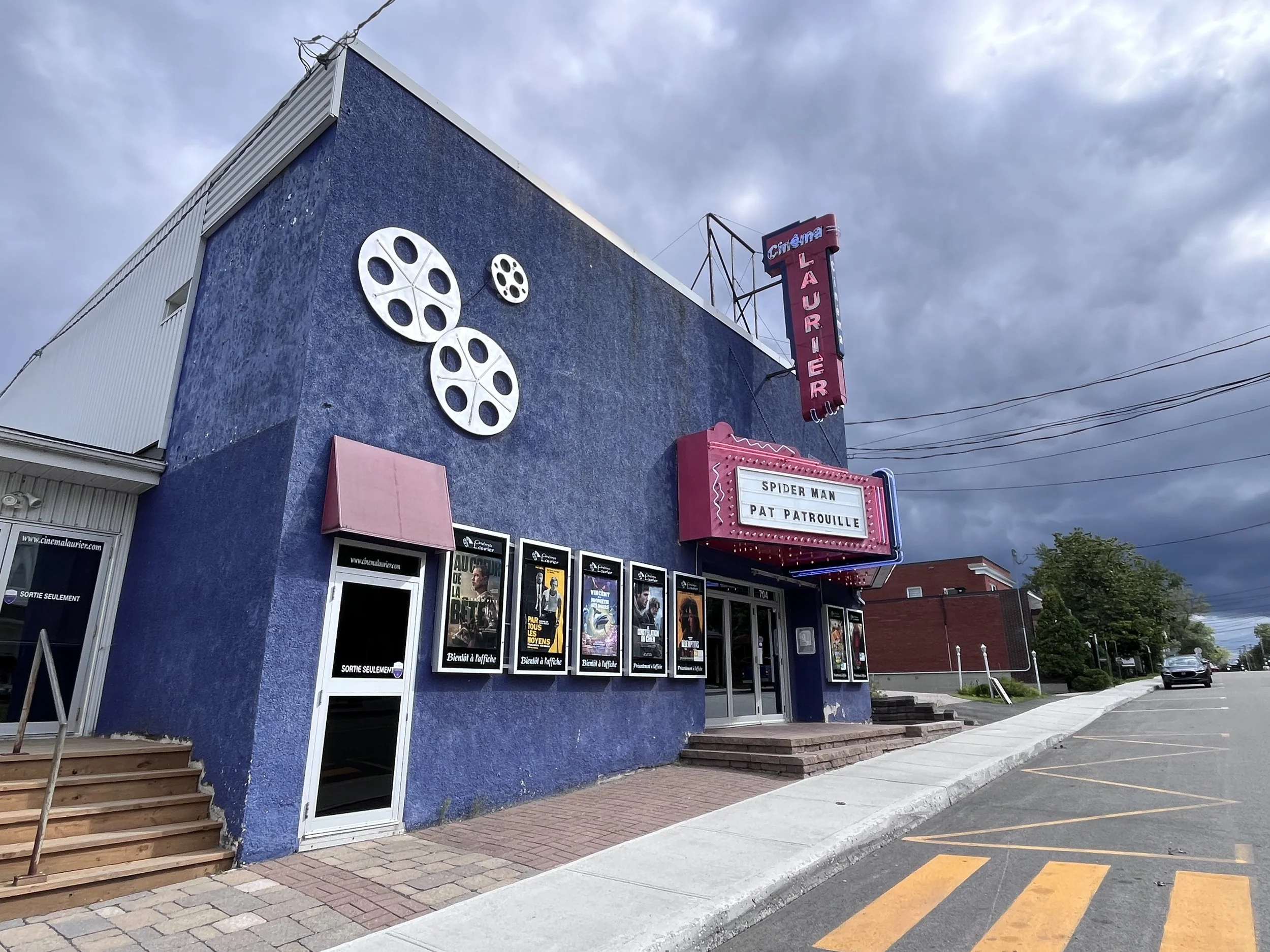
The Théâtre Laurier opened in 1935 and featured silent films. It evolved to include live entertainment and even a bowling alley.
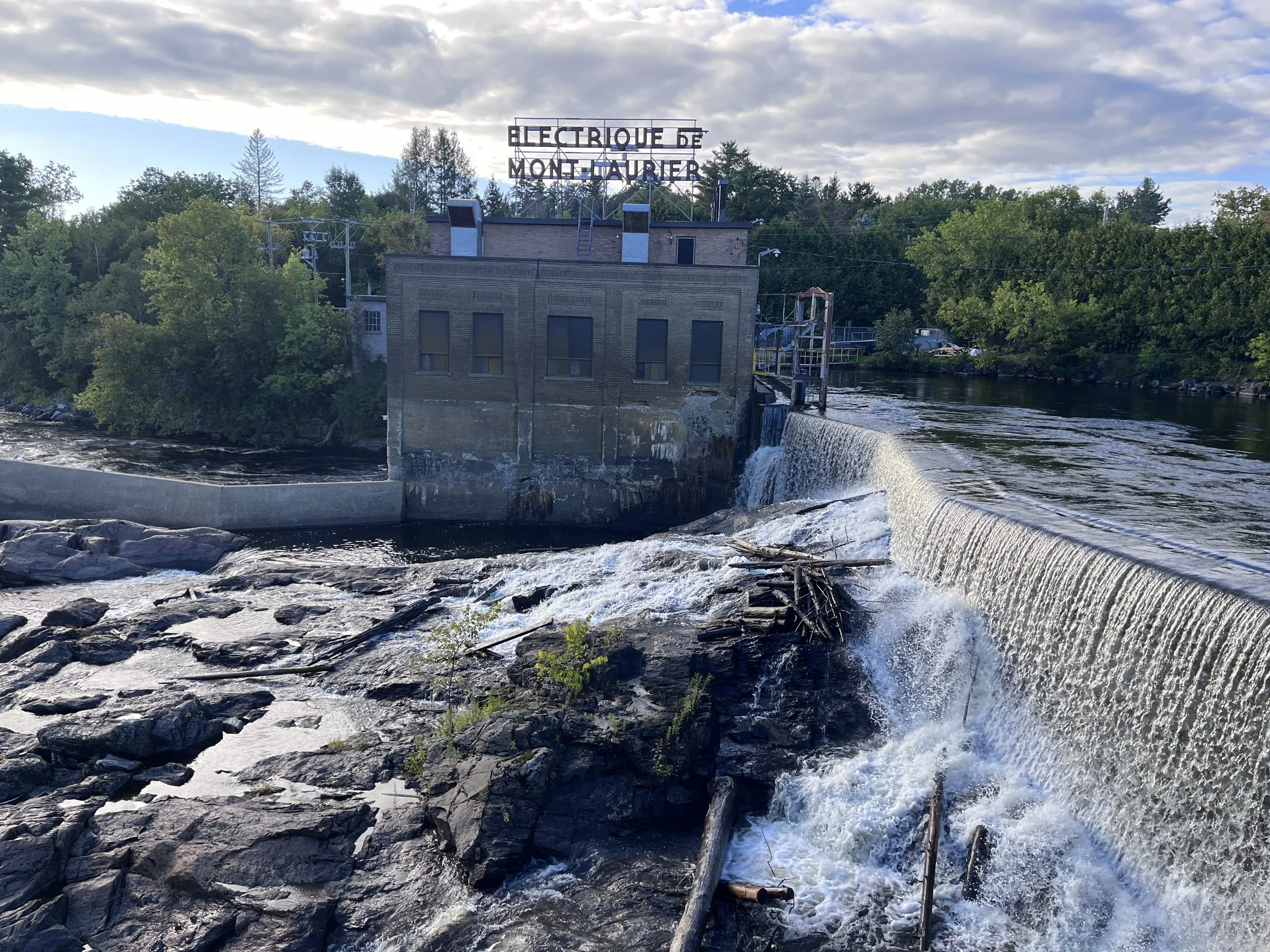
The Power Plant has such a retro vibe and being surrounded by rushing water adds to it. It was first operational in 1912, ran for decades, then abandoned and since the late 1980’s, it has been recently active and supplying power to Hydro-Québec.
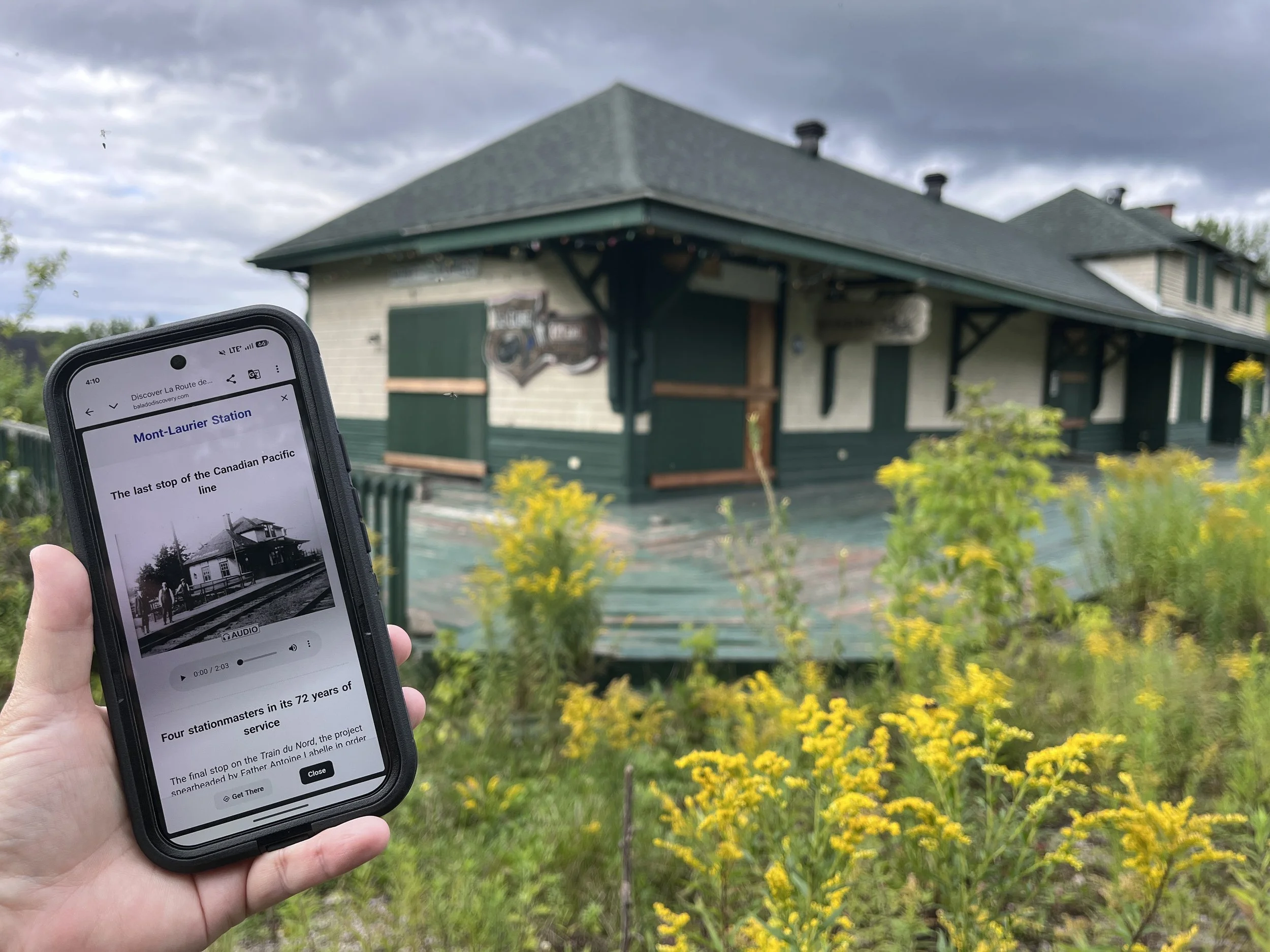
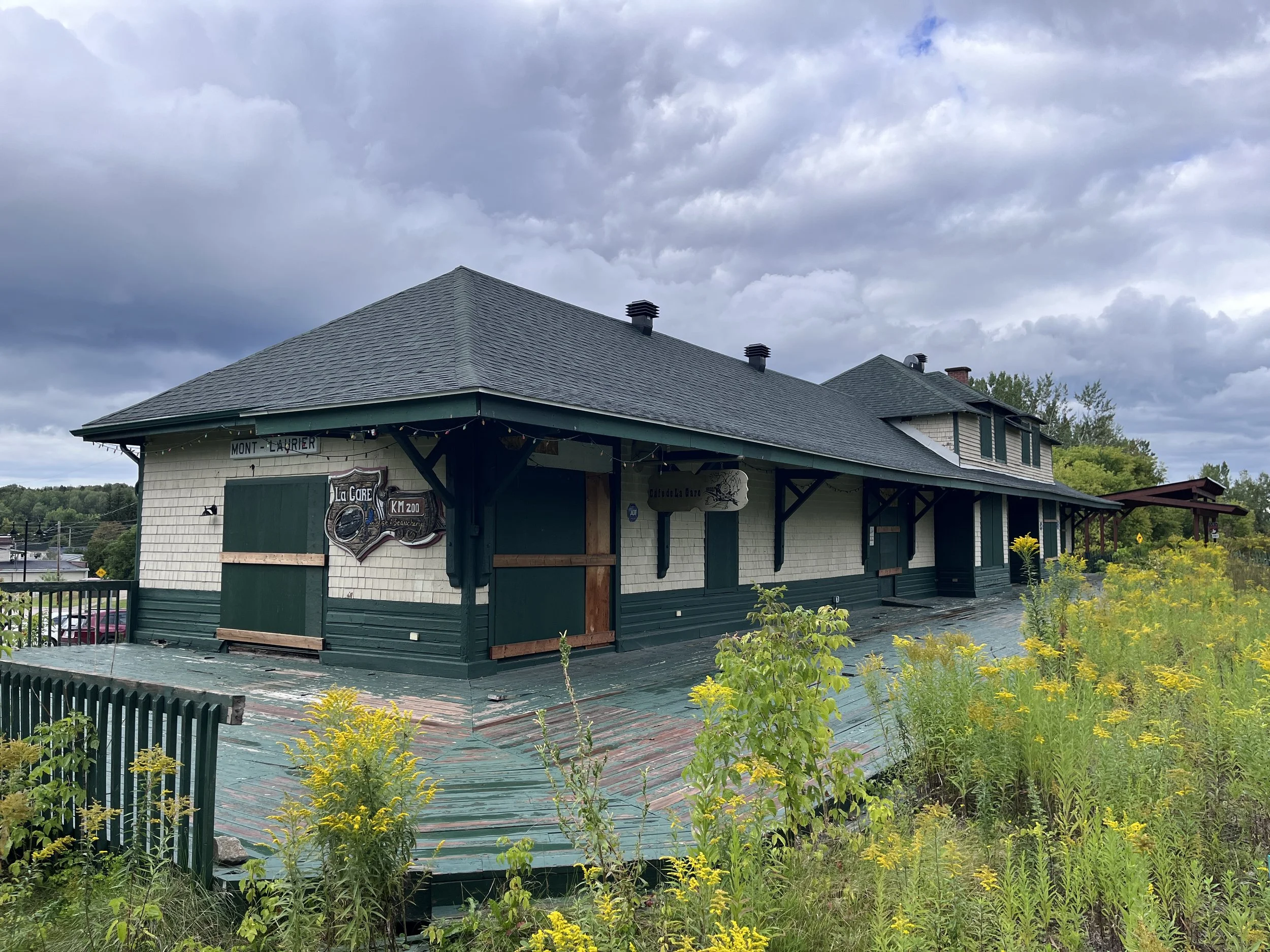
The route concludes with Mont-Laurier Station, the final stop of the Canadian Pacific line when in operation. It’s also kilometre 201 of the P’tit Train du Nord.
It opened in in 1909, 32 years after Saint-Jérôme station, it ceased use in 1986 and designated as a Heritage Railway Station of Canada in 1991.
There’s a stunning wooden train as a piece of public art on site.
Since 2021, it’s boarded up and fenced off without public access due to structural issues.
The municipality was going to demolish it until June of 2026, when the Quebec government intervened and classified it as a historic site.
Ideally for the community and visitors, it will be reopened sooner than later.