How to Choose a Reliable Laser Hair Removal Clinic in Mississauga & Toronto
/
Mississauga and Toronto have no shortage of clinics advertising laser hair removal, and that abundance can actually make the decision harder. Prices swing wildly, equipment ranges from outdated to genuinely modern, and the qualifications of whoever is holding the handpiece aren't always posted anywhere you can find them. Choosing poorly doesn't just mean disappointing results; it can mean burns, post-inflammatory hyperpigmentation, or scarring that takes months to fade. So if you're researching how to choose a laser hair removal clinic in Toronto, the criteria matter far more than the promotional photos on a homepage. This guide walks you through the questions to ask, the credentials worth verifying, and the warning signs that should send you straight to a different provider. A little due diligence upfront saves real money and a lot of frustration later.
What Qualifications and Technology Should a Clinic Have
The starting point for anyone assessing laser clinics is credentials, not marketing claims, but verifiable proof. When you look at clinics providing professional laser hair removal in Toronto, the distinction between a medically supervised clinic and an unregulated beauty studio becomes clear pretty fast. A reputable clinic operates under the oversight of a licensed physician or nurse practitioner, even when a certified laser technician is the one running the treatments. That medical layer matters because laser devices in Ontario are classified as controlled acts; someone with no medical training shouldn't be making clinical decisions about your skin type, your Fitzpatrick scale score, or how to handle adverse reactions. Ask who's on the medical team and whether a physician reviews your intake form before your first session.
Certified Laser Technicians and Medical Supervision
The technician performing your treatment should hold a recognized laser certification - look for credentials from a provincially or nationally accredited program, not a single-weekend course. Ask how long they've been practising and how many treatments they do each week. Experience across a broad range of skin tones is particularly worth asking about, because darker Fitzpatrick types require different laser parameters and carry a higher risk of pigmentation changes when a technician isn't specifically trained for them. A trustworthy clinic answers these questions directly. But if staff seem evasive or pivot toward discounts rather than qualifications, that's a meaningful signal. Medical supervision also means there's a real process in place if something goes wrong - a physician available to assess and treat complications, not just a front-desk apology and a refund offer.

Laser Equipment and Technology Standards
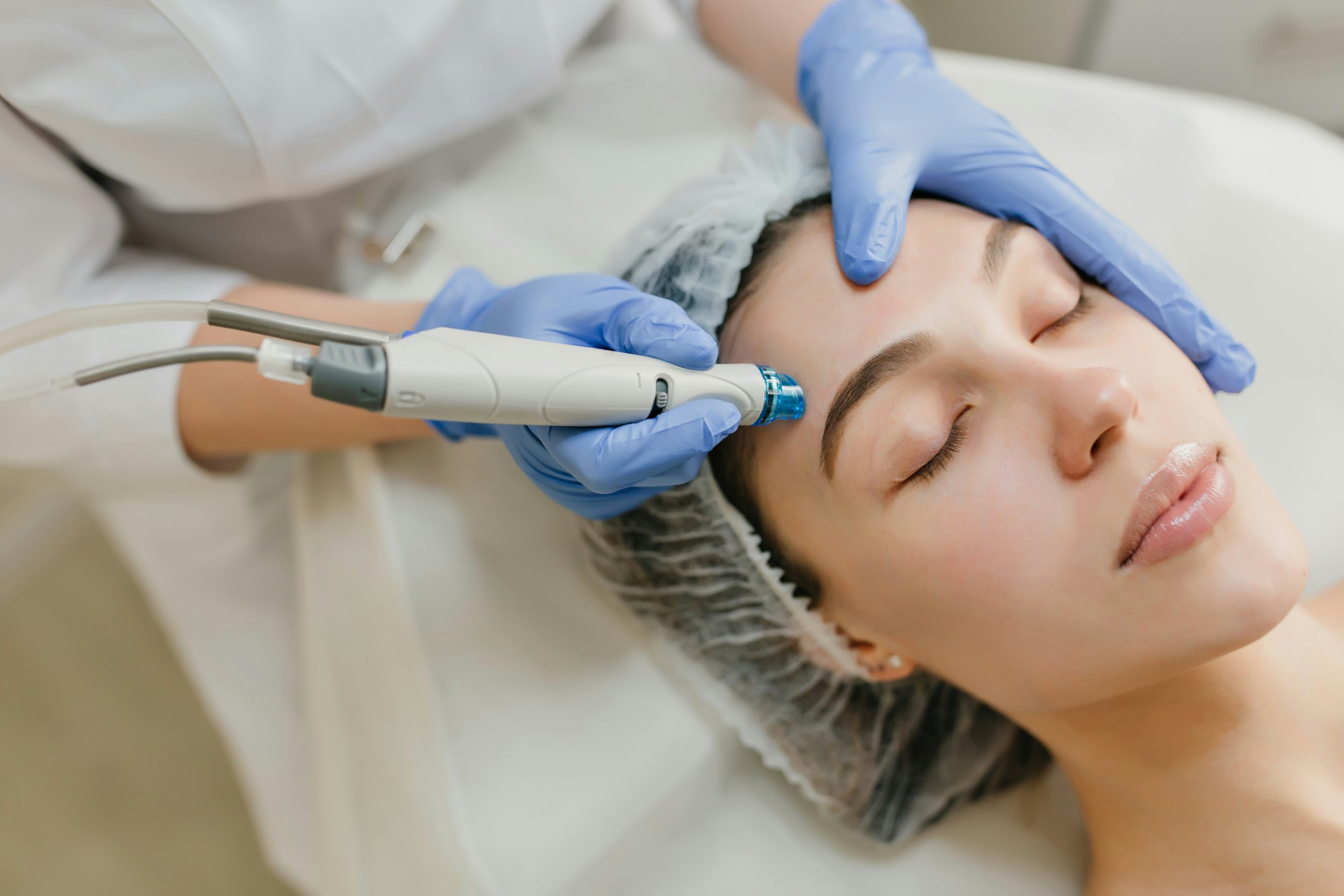
Not all laser devices perform equally. The two most widely used technologies for hair removal are Nd:YAG and Diode lasers, each with specific strengths depending on skin tone and hair colour. IPL - intense pulsed light - is sometimes marketed as laser hair removal, but it's a different technology with a broader, less targeted wavelength, which generally makes it less precise. Ask the clinic which device they use, what wavelength it operates at, and when the machine was last serviced or calibrated. A clinic invested in patient outcomes will also have cooling systems built into the handpiece or use a contact cooling method to protect the skin during treatment. And if a clinic can't explain their equipment in plain terms, or gets defensive about the question, assume the devices are older or lower-grade than they'd like you to know.
The Questions Worth Asking Before You Book
A good clinic welcomes questions before you commit to a package. Honestly, this is one of the most useful filters available to you, the quality of the answers reveals far more than a polished website does. Any clinic worth considering will schedule a consultation before your first session, use it to assess your skin and hair type, and build a treatment plan around your specific situation rather than quoting a flat-rate package before they've even seen your skin. The consultation should cover your medical history, any medications that increase photosensitivity, and recent sun exposure; all of these affect both safety and results. If a clinic skips this step and pushes you straight to a booking form, walk away. Patch tests, while not universally required, are worth requesting if you have sensitive skin or haven't had laser on a particular area before.
Pricing Transparency and Package Terms
Laser hair removal is a multi-session commitment. Most people need six to eight sessions for lasting reduction, and some body areas require more. A clinic that quotes a per-session price without explaining the bigger picture is being strategically vague, the catch is that number tells you nothing about your actual long-term cost. Ask for the total estimated cost across the recommended number of sessions, what happens if you need maintenance treatments down the line, and whether the package price is locked in or subject to change. Some clinics charge differently based on the laser used or the technician's experience level. Read the cancellation and refund terms before signing anything; a clinic confident in its outcomes will have clear, written terms rather than a verbal assurance that "we'll work something out."
Patch Tests and Aftercare Protocols
A patch test applies the laser to a small skin area and lets you and the technician observe the reaction over 24 to 48 hours before a full session. Not every clinic requires one, but a clinic that offers it without being asked is signalling a cautious, patient-first approach. Aftercare matters just as much as the treatment itself. Sun avoidance, moisturizer use, and knowing what skin reactions are normal versus what warrant a call back to the clinic, these are all things the clinic should walk you through before you leave. If they hand you a generic printed sheet without explaining it, the level of post-treatment care will likely be just as thin.
Red Flags That Should Change Your Decision
Some warning signs are easy to spot once you know what to look for.
A clinic that advertises guaranteed permanent hair removal is misrepresenting what the technology actually does - laser treatments produce long-term hair reduction, not permanent elimination of every follicle. Any clinic making that claim is either uninformed or deliberately misleading. Extremely low pricing is another signal worth examining closely. Laser equipment is expensive to buy and maintain, technicians need to be paid fairly, and a session priced far below the Toronto market average usually reflects cuts in one of those two areas. So that's not a bargain; it's a tradeoff you'll feel in the results or the experience. Look at independent review platforms rather than testimonials posted on the clinic's own site, and pay attention to how they respond to negative feedback publicly. A clinic that handles criticism professionally - without getting defensive, is one that takes its reputation seriously for the right reasons. These filters, taken together, give you a clear picture of whether a clinic operates with real integrity.
Conclusion
Choosing a laser hair removal clinic in Toronto really comes down to three things: who's overseeing the treatments, what equipment is being used, and how the clinic handles your questions before you pay anything. Credentials, medical oversight, and transparent pricing aren't extras, they're the baseline. A clinic that checks those boxes, explains your treatment plan clearly, and gives honest aftercare guidance is worth both your trust and your money. Take the time to compare a few options before committing, and don't let a promotional discount push you past your own better judgment.