Mississauga Remembers Decoration Day
/
Battle of Ridgeway National Historic Site Cairn and Service, 2016, from Peter Vronsky.
June 2 marked the 160th anniversary of the Battle of Ridgeway (also known as the Battle of Lime Ridge), which took place near the town of Fort Erie, Ontario. June 2 also marked the 136th anniversary of Decoration Day.
On June 2, 1966, Irish-American invaders, known as the Fenians, many of whom were veterans of the American Civil War, faced a largely inexperienced group of Canadian troops. It was the first industrial-era battle fought on Canadian soil, by Canadian militia, and led by Canadian officers. But they were overmatched, and the Fenians lured the Canadian advancing Canadian troops into a trap near the town of Ridgeway.

Battle of Ridgeway - Ontario Heritage Trust Marker.
At first, the Canadians appeared to be advancing well, as the advance pickets of the Fenian forces gave way and withdrew, but it was a feint. And then disaster befell the Canadians – a combination of poor command, inexperience, and perhaps a mistaken belief that Fenian cavalry had been spotted (there was no cavalry) – led the Canadian militia into forming a square to repel a cavalry attack, and although officers quickly tried to alter tactics, it led to chaos as the advancing Fenian army tore into the disorganized Canadian troops. A withdrawal was ordered, but it quickly turned into a panicked retreat.
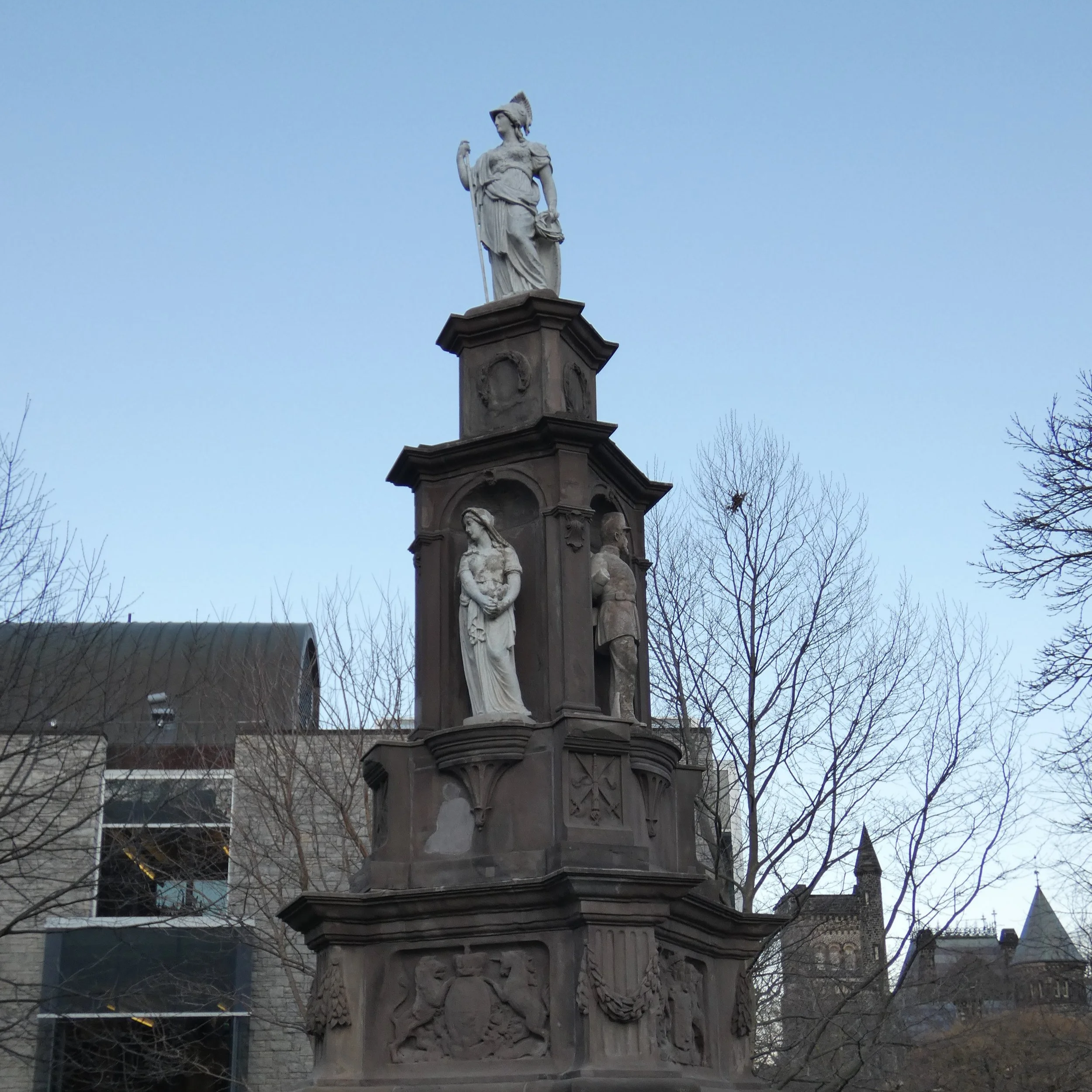
Canadian Volunteer Memorial.
The Canadian losses resonated beyond the battle, and in the aftermath of the defeat, public and political dialogue leant more urgency to the discussions that led to Canadian Confederation in 1867. But the casualties were real: 7 killed on the field of battle, and 2 dying of injuries in the days that followed – they became known as “The Ridgeway Nine”: Ensign Malcolm McEachren, Sergeant Hugh Matheson, Corporal Frank Lackey, Private Christopher Alderson, Private Mark Defries, Private Macoln MacKenzie, Private John Mewburn, Private William Smith and Private William Tempest. All were members of The Queen’s Own Rifles of Canada and were residents of Toronto and/or students at University College. An additional 33 Canadians were wounded, some severely enough to require amputation of their limbs. Four more Canadian militiamen died in the months following the battle, either of wounds sustained or of disease. In 1921 the National Historic Sites Board of Canada designated the battlefield at Ridgeway a National Historic Site.
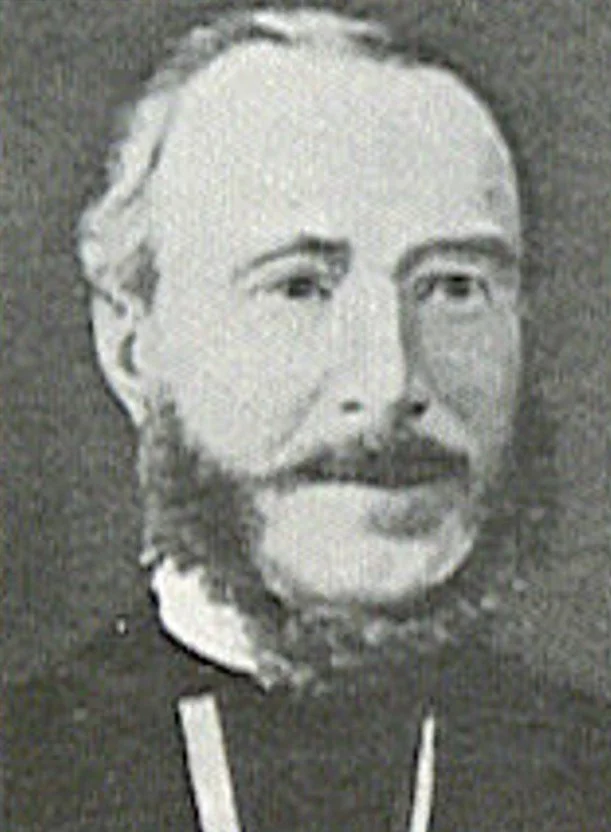
Robert Cotton.
One of the fallen, Christopher Alderson (1826-1866), had ties to historic Mississauga. His younger cousin, who served alongside him at Ridgeway, was William Murray Alderson (1844-1916). William was the son of James Alderson and Caroline Silverthorn of Summerville, here in historic Mississauga.
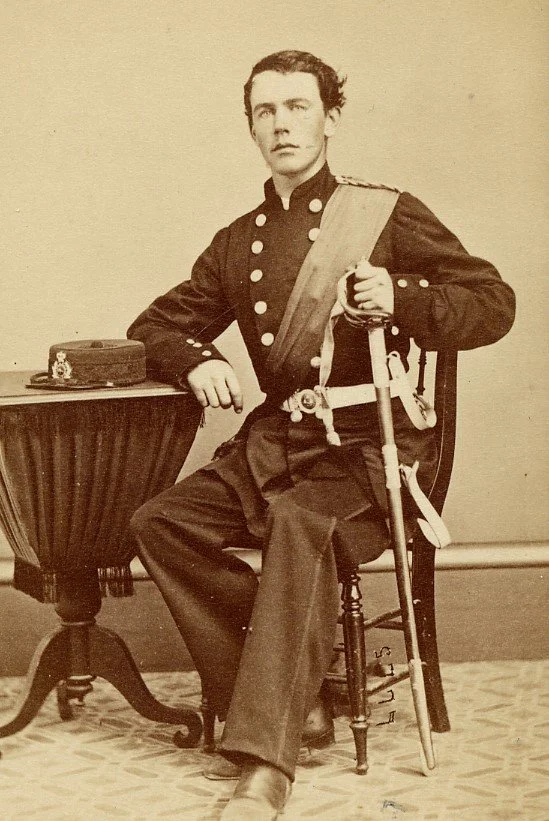
Robert Graydon.
The story of the Battle of Ridgeway is wonderfully covered in Ridgeway: The American Fenian Invasion And The 1866 Battle That Made Canada by Peter Vronsky (2011), and I highly recommend the read as it is a somewhat forgotten, yet significant, chapter of Canadian history.
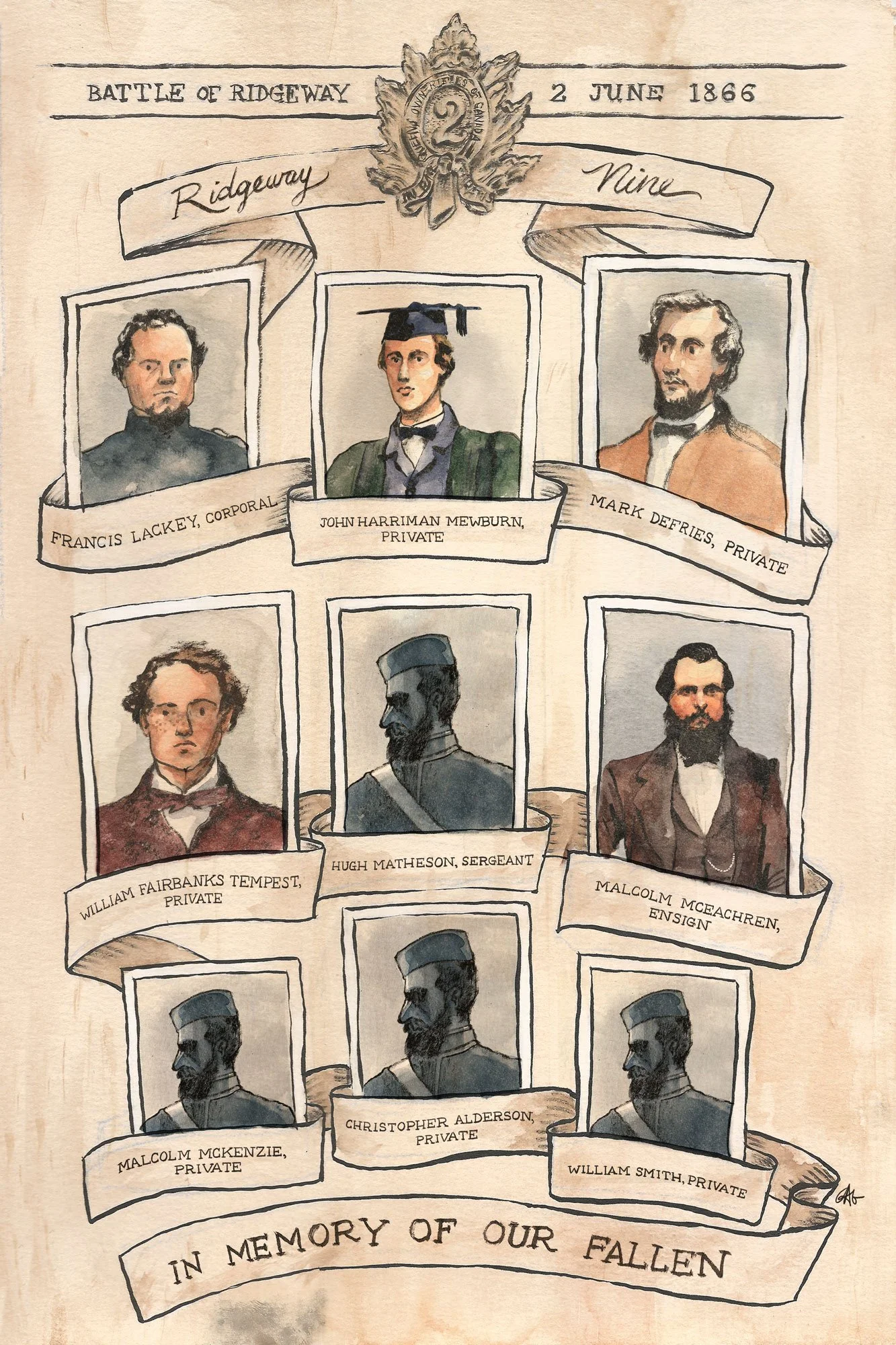
The Ridgeway Nine.
In the immediate aftermath of the Battle of Ridgeway with a Toronto society coming to grips with the loss of nine young men, the Canadian Volunteer Monument (also known as the Canadian Volunteers Memorial) was christened on July 1, 1870 at Queen’s Park in Toronto. Designed by Robert Reid, it is amongst the oldest military memorials in Canada. The epitaph reads:
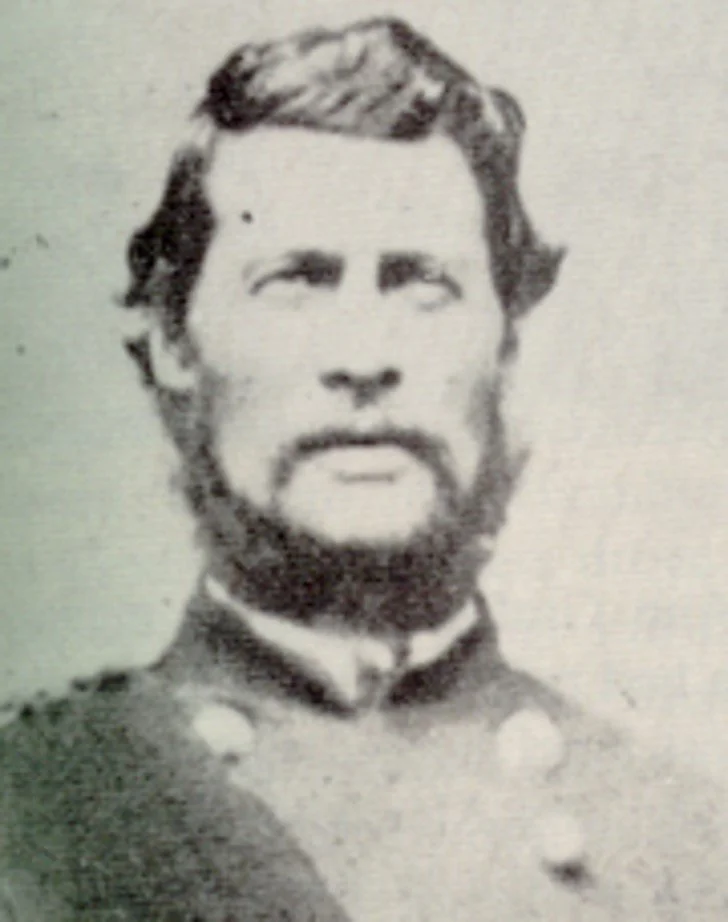
Thomas Grafton.
Canadian Volunteer Monument, Campaign of June 1866. Honour the Brave who died for their Country. Canada erected this monument as a memorial of her brave sons who fell at Limeridge or died of wounds received in action or from disease contracted in service while defending her frontier in June 1866.
Decoration Day was first observed on June 2, 1890, as a way for veterans of the Battle of Ridgeway to protest the lack of government recognition for their service during the Fenian Raids of 1866. Veterans and the public gathered at the Canadian Volunteer Monument in Toronto, placing flowers and other decorations on the monument to honor fallen soldiers, which is how the holiday got its name. The 25th Anniversary of the Battle of Ridgeway in 1891 drew 30,000 participants and up to 50,000 spectators.
Decoration Day evolved into an annual event, typically held on the weekend nearest June 2, and included veterans from later conflicts such as the North-West Rebellions, the Second Boer War, and the First World War. The prominence of Decoration Day declined after Remembrance Day was established on November 11, 1931, to commemorate the Armistice ending the First World War. Today, Decoration Day continues in certain areas of Canada, but is largely a forgotten observance at large.
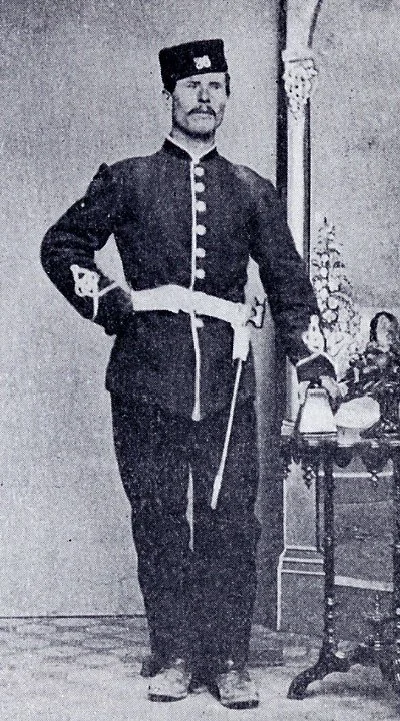
William Armstrong in Canadian Militia Uniform.
Many volunteers from historic Mississauga served during the Fenian Raids, both leading up to, and in the aftermath of, battles at Ridgeway and Fort Erie in June of 1866. Local militia infantry companies consisting of some 50 men each were formed at Derry West and Grahamsville; Brampton was home to one infantry company and one rifle company; Streetsville formed a half-company of 21 men, and also provided men for a mounted company; volunteers from Port Credit joined with the militia in Oakville and were on service in the Niagara area.
Here is a list of known veterans of the Fenian Raids who have connections to historic Mississauga: George Armstrong, William Calvert Armstrong, Henry Baldock, Charles Bamford, William Bamford, Henry Bleakley, William Brown, William Thomas Brown, Alfred Burrows, John Carr, Robert Cotton, John Crawford, Thomas Crombie, James Currie, Robert Currie, John Delaney, Robert Delaney, William Denison, William Duggan, George Elliot, Robert Elliot, William Elliot, Stephen Garbutt, Royal Grafton, Thomas Grafton, Thomas Graham, Robert Graydon, James Hamilton, Hugh Hanna, William Jarvis, John Lennon, George Leslie, John Lougheed, Robert. Lougheed , Hugh McCaugherty, Josiah Oliver, William Oliver, John Orr, Joshua Pollard Jr., Richard Pollard, John Christopher Rutledge, Joseph Jabez Rutledge, Robert Rutledge, James Shaw, William Shaw, Richard Sparling, William Sparling, Samuel Switzer, George Taylor, Henry Taylor, William Taylor, Joseph Tilt, William Todd, David Wedgewood, John Wedgewood, James Wolfe and George Wright. There would have been more.
While we no longer, generally, observe Decoration Day, as veterans of the Fenian Raids of 1866 we remember their brave service.
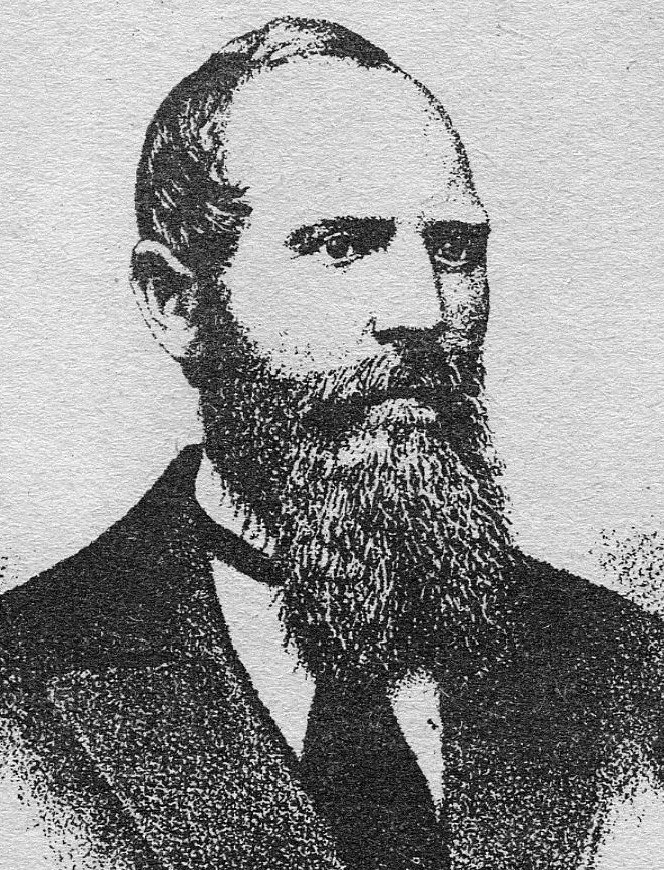
William Elliot.