Mississauga Fundraiser ’Twas the Bite Before Christmas Returns for 2026
/
Mississauga Fundraiser ’Twas the Bite Before Christmas Returns for 2026.
Read MoreMississauga Fundraiser ’Twas the Bite Before Christmas Returns for 2026.
Read MoreIn conversation with Mississauga’s CPARK, who won DJ of the Year at the 2026 Mississauga Music Awards.
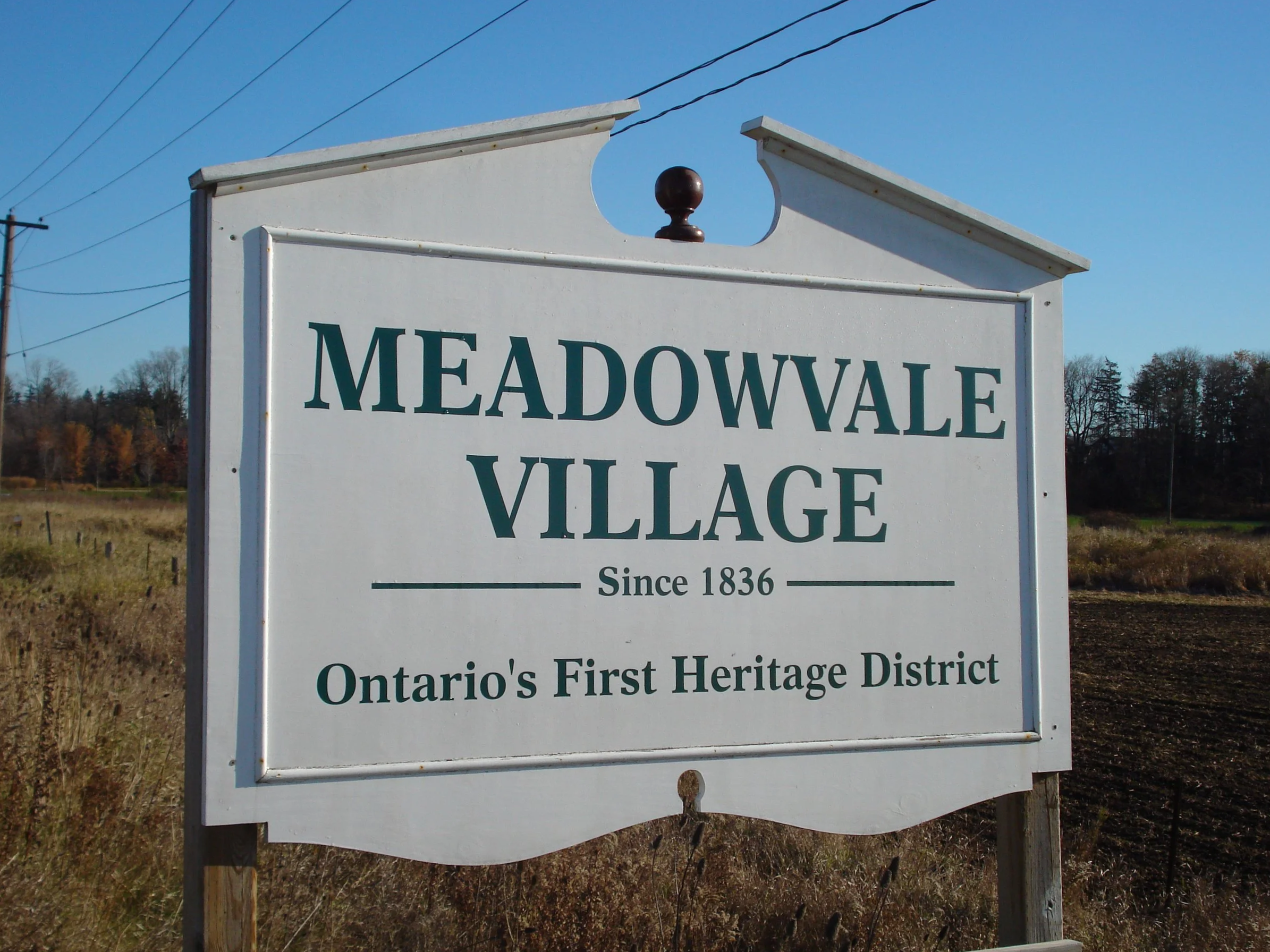
Read MoreThe story of Meadowvale Village begins earlier, shortly following the signing of Treaty 19 between the Indigenous Mississauga and the Crown in 1818.
Read MoreHer distinct blend of cultural roots, instrumental curiosity, and authentic self-expression ensures an exciting road ahead.
Read MoreFinding pieces of Mississauga in Collingwood.
Read MoreWith the 2022 Mississauga election having a paltry 21.84% voter turnout, this series is to educate the community and hopefully increase voter turnout for 2026.
Read More2026 Toyota RAV4 Plug-In Hybrid: Worth The Premium.
Read MoreKnown for its cozy atmosphere, honest chats, and deep appreciation for local music, her platform has carved out a wonderfully authentic space.
Read More
A slot’s artwork may look sharp on a phone yet slightly blurred on an external monitor. Turning the phone sideways can produce a different change: more background becomes visible, controls shift position and the reels occupy a different share of the screen.
These observations concern different parts of the graphics system. When comparing online slots ontario across devices, image clarity depends on the source artwork and drawing resolution; composition depends on the available browser space. Animation introduces questions about timing and performance. The screen's advertised pixel count cannot explain all three. ToonieBet, operated in Ontario by Canadix Limited under an iGaming Ontario agreement, offers more than 3,000 casino games in the browser and through native iOS and Android apps.
Display Resolution Is Not the Game’s Drawing Resolution
A specification such as 1920 × 1080 describes the display’s pixel dimensions. Browsers arrange page content in CSS pixels, which are layout units rather than individual physical display pixels.
Device pixel ratio expresses the relationship between them. At a ratio of two, one CSS pixel corresponds to two device pixels in each direction. MDN’s documentation describes how software can use this ratio to render content appropriately on high-density screens.
A game occupying 800 × 450 CSS pixels would need a 1600 × 900 drawing buffer to match twice that density. The buffer contains 1,440,000 pixels, compared with 360,000 at the original dimensions.
This fourfold increase does not imply four times the total processing time. Other rendering work still matters. It does explain why a physically small phone screen can require a detailed image while retaining a compact interface.
Source Artwork Sets a Limit on Sharpness
The browser canvas has an underlying pixel buffer and a displayed size. If those dimensions are poorly matched, an otherwise detailed scene can appear soft because the browser enlarges the completed image.
Individual assets have their own limits. A bitmap symbol consists of a fixed pixel grid; drawing it into a larger buffer cannot recover detail absent from the original file.
The two problems can look similar. An undersized canvas may soften the whole scene, while an undersized symbol image may blur only that element. Text can remain sharp when it uses a different rendering method or resolution.
Image smoothing affects the result of enlargement. It blends pixel boundaries, reducing their visibility. Without smoothing, enlarged artwork retains harder edges but can look blocky.
Vector artwork describes shapes rather than a fixed pixel grid and can scale without the same loss of source detail. Its final appearance still depends on how the game renders it.
Aspect Ratio Changes What Fits on Screen
A narrow portrait window cannot accommodate the same composition as a widescreen monitor without some adjustment. Developers can preserve the scene’s proportions and leave margins, fill the area by cropping, or reposition interface elements.
These approaches produce different results. A fitted scene may look smaller because it leaves unused space. A cropped scene can lose decorative background details. A rearranged interface can place controls below the reels instead of shrinking them alongside everything else.
A missing background character therefore does not necessarily indicate lower-resolution artwork. It may simply sit outside the visible crop.
Desktop page zoom can also change device pixel ratio. Pinch zoom behaves differently, magnifying the page without changing that ratio. Moving a browser window between displays with different pixel densities can alter it again.
Comparisons are more informative when browser zoom and the game’s displayed dimensions remain consistent.
Rendering Quality and Animation Follow Different Constraints
Drawing more pixels increases the image data the renderer handles. Developers have several ways to manage the workload: smaller textures, a lower-resolution drawing buffer or changes to anti-aliasing, which smooths edges.
A lower-resolution buffer can be enlarged to maintain the game’s displayed size. The interface occupies the same area, but its image may be softer. Filters and other effects can add processing costs.
These are documented development techniques, not evidence that every slot automatically changes quality when a device heats up, battery charge falls or a connection slows.
Animation depends on frame delivery and timing. Refresh rate describes how often the display updates, while resolution describes spatial detail. Sharp artwork can move unevenly if frames are inconsistent; softer artwork can move smoothly.
Appearance Does Not Verify the Game’s Configuration
Graphics offer limited evidence about outcome determination. Ontario's internet-gaming standards require critical functions, including outcome generation, to operate independently of the player's device. This requirement separates device-side presentation from the underlying outcome process.
It does not establish that every website follows that architecture or that separately configured versions share identical rules.
Online gambling is for adults and carries financial risks unaffected by visual quality. Participants should follow local requirements, set time and spending limits, and seek support if gambling becomes difficult to control.
Readable graphics help users interpret a screen. They do not verify odds or reduce gambling’s risks.
Learn About Mississauga's 2nd Annual Winter Wonderland in Support of the Mississauga Humane Society.
Read MoreThe Mississauga Symphony Orchestra opens its 2026/27 Season With Beethoven, Bartók, and Brilliance.
Read MoreWith the 2022 Mississauga election having a paltry 21.84% voter turnout, this series is to educate the community and hopefully increase voter turnout for 2026.
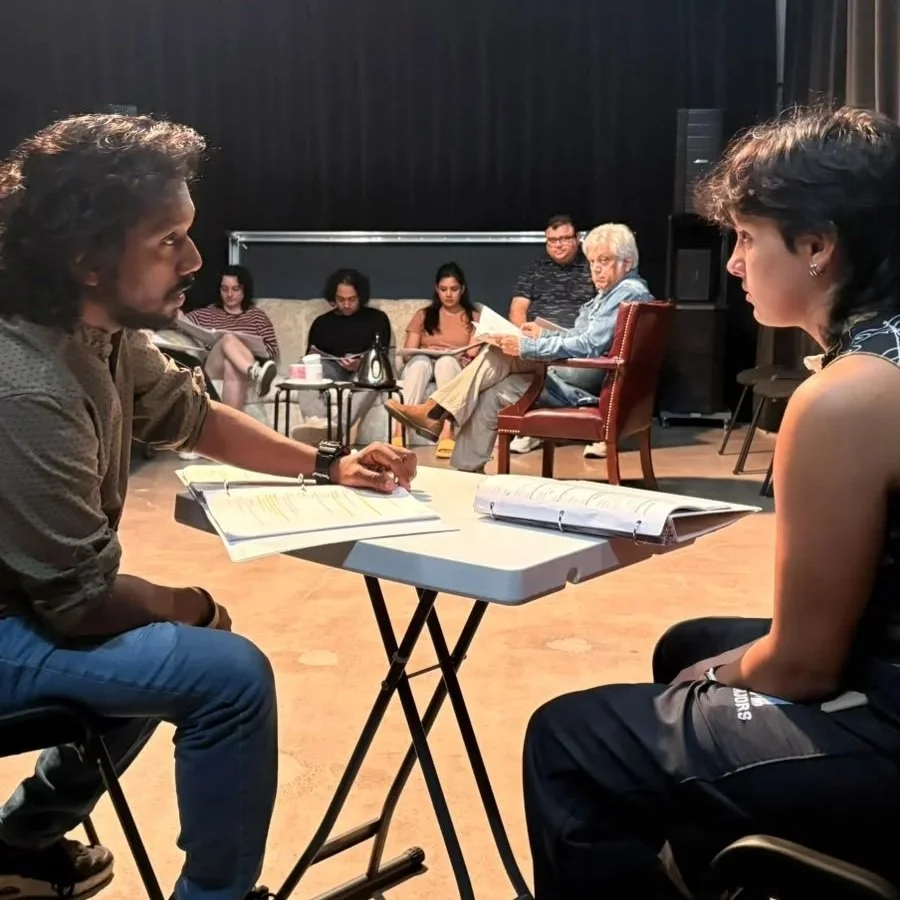
Read MoreThis contemporary Canadian play written by Max Kingsbury and directed by Devansh Shah and Raina Desai runs from October 22nd–30th at AN1 Studios in Mississauga.
Read MoreBy confronting her own shadows, she creates room for listeners to do the same, proving that strength lies in vulnerability.
Read MoreWith the 2022 Mississauga election having a paltry 21.84% voter turnout, this series is to educate the community and hopefully increase voter turnout for 2026.
Read MoreWith the 2022 Mississauga election having a paltry 21.84% voter turnout, this series is to educate the community and hopefully increase voter turnout for 2026.
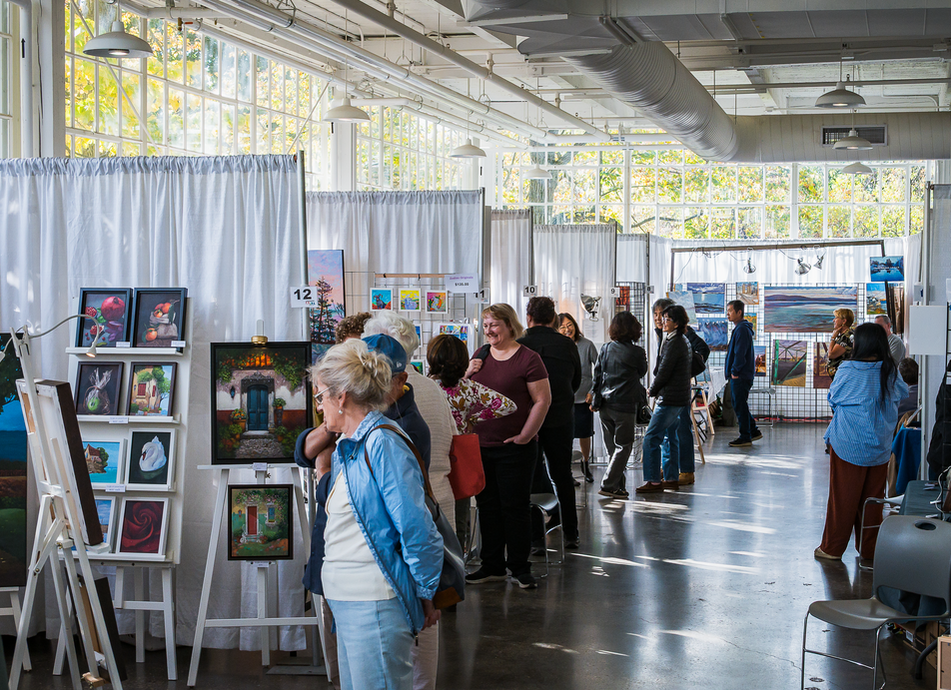
Read MoreThe Lakeshore Art Trail has strengthened the local arts scene, supported artists at all stages of their careers, and created meaningful opportunities.
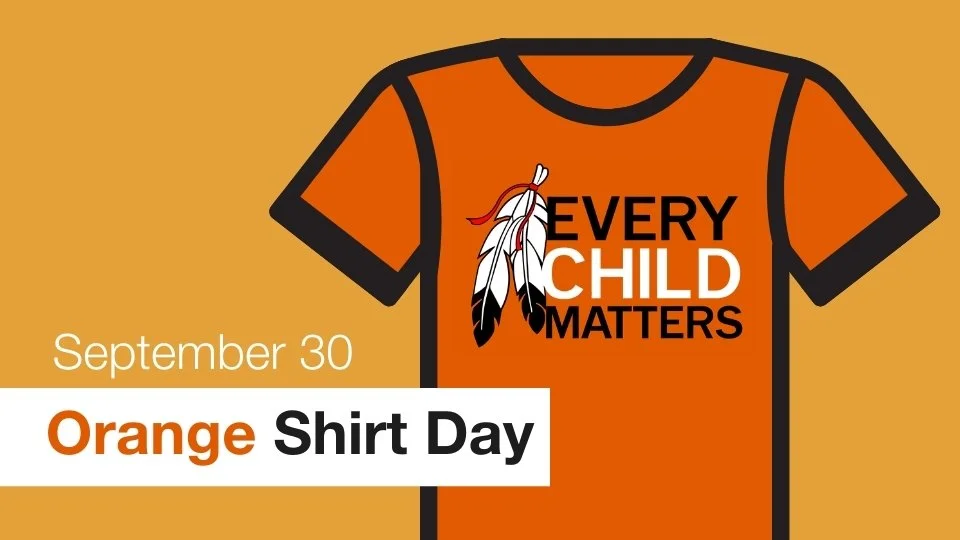
Read MoreThe 2026 observance continues Canada’s commitment to acknowledging the harms of residential schools and advancing reconciliation through education, remembrance, and community participation.
Read MoreWith the 2022 Mississauga election having a paltry 21.84% voter turnout, this series is to educate the community and hopefully increase voter turnout for 2026.
Read MoreModern Mississauga is about exploring Mississauga through the lens of the 21st century. We cover everything from a uniquely Canadian perspective - culture, style, living, technology, arts, entertainment, and community - and aim to represent the diverse blend of interests and experiences of Canada's sixth-largest city.
Hope 4 the Holidays was created with one simple mission: to bring our community together and make the holiday season brighter for families in need.
Whether attending with friends, family, colleagues, or on your own, there's a wide variety of experiences to explore.
Looking back on the Santa Claus Parade in Mississauga.
Canadian country singer-songwriter Haley McNeil blends classic rock grit with deeply honest storytelling.
Breakfast with Santa Returns to Streetsville for Christmas in the Village partnered with Hope for the Holidays Toy and Food Drive.
2027 Kia EV3 - EV of the Year?
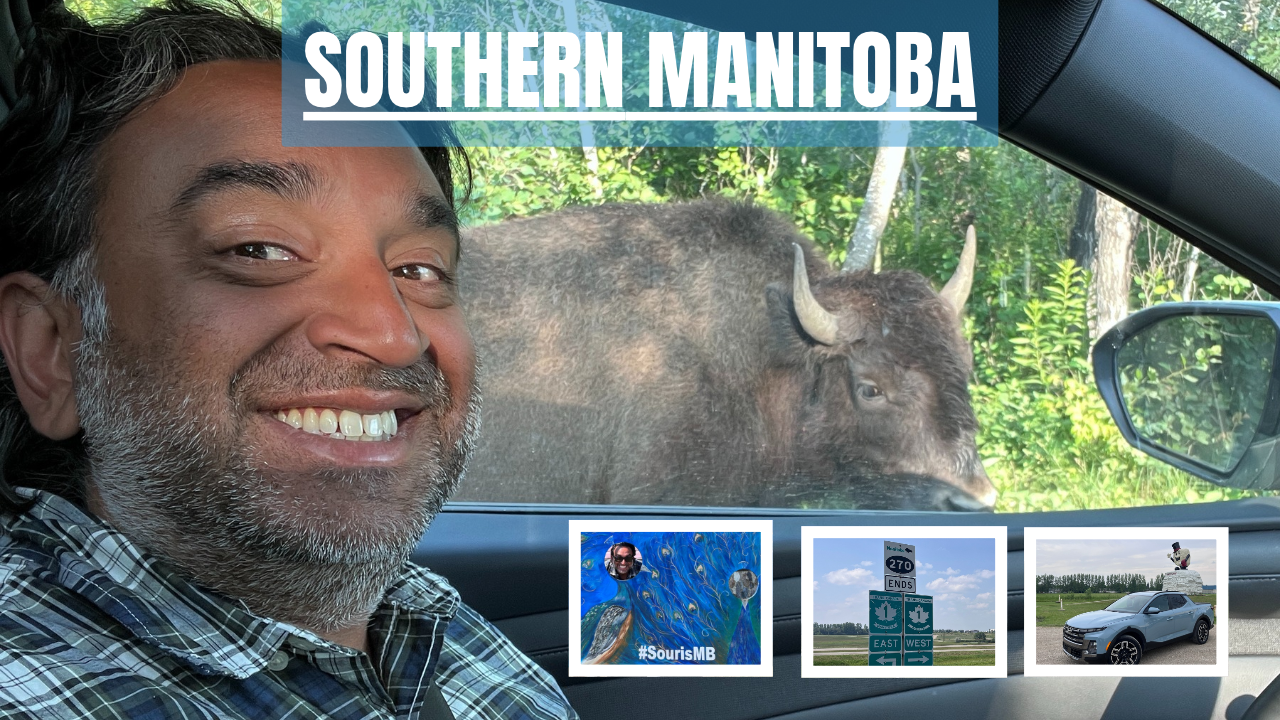
I spend a wonderful week in southern Manitoba via road trip, and Canada's heart beats strong with adventure, excitement and joy.
FIRST DRIVE: 2027 Mitsubishi Eclipse Sportback EV.
From local clubs across Ontario to international festival stages, the group remains focused on building its catalog and connecting with audiences on the road.
Because German submarines were known to be active in the Gulf of St. Lawrence the Caribou sailed with lights out and sailed a zig-zag course following wartime regulations, with the Grandmère shadowing the Caribou from astern.
Subscribe To Our Newsletter
About
Contact Us
Media Kit
Testimonials
© 2026 ALL RIGHTS RESERVED MODERN MISSISSAUGA MEDIA LTD.